
Is KDP Worth It in 2026? An Honest Verdict by Book Type
A dated verdict for novels, non-fiction, picture books, coloring books, journals and family books: what changed on KDP in 2026, what publishing really costs, what most authors earn, when Etsy, Gumroad or going wide fits better, and a checklist that picks the route for your book.
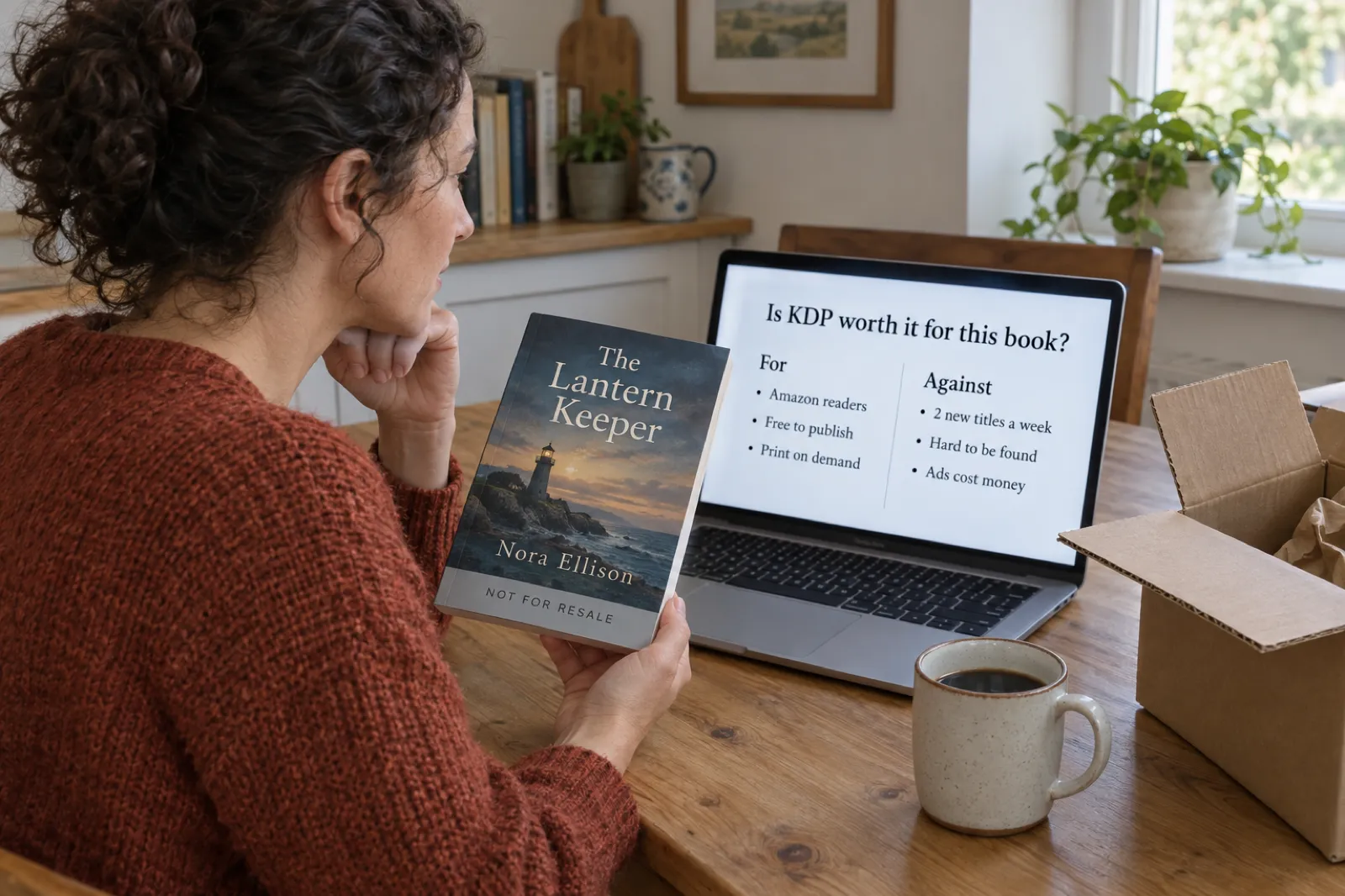
Quick Answer (as of 19 Oct 2026)
KDP is worth it for novels in a series and for non-fiction people search for, worth it with conditions for coloring and picture books, weakest for plain journals and planners, and not needed for a one-off family book. Publishing is free, but most books earn little: in the Written Word Media 2025 survey, 44% of indie authors made $100 a month or less. In 2026 the 70% ebook band rose to $12.99 (7 Jul) and KDP cut new titles to two per format a week (21 Sep).
"Is KDP worth it?" is really six questions, because the answer depends on the book. A romance series and a lined notebook both go through the same upload screen, but they live in different worlds once they are on Amazon. One can build into a living over years. The other earns about a dollar a copy and now waits weeks for review.
This guide gives a dated verdict for each kind of book, based on what changed on Kindle Direct Publishing this year, what publishing really costs, and what authors actually report earning. Every KDP rule below was read on KDP's own help pages on 19 Oct 2026, with the page ID so you can check it yourself. The income figures are the same ones we use in how much KDP authors make. Near the middle there is a short checklist that recommends a route for your own book: KDP, Etsy or Gumroad, going wide, or a mix.
The verdict by book type (as of 19 Oct 2026)
Here is the short version. Each row is explained further down, with the numbers behind it.
| Book type | Is KDP worth it? | The main reason | Often better, or as well |
|---|---|---|---|
| Novels in a series | Yes, with conditions | Amazon is where most fiction readers buy, and a series turns one reader into several sales | Going wide once you have readers |
| Standalone novel | Yes to publish, expect little | Free to list, but a single book with no readers behind it usually sells a few copies a month | Making the next book a sequel |
| Non-fiction and expertise | Yes, often for authority more than royalties | Amazon search finds books that answer a question; the book also sells you | Selling a PDF or workbook direct to your audience |
| Children's picture books | Yes for print, with selling offline | Colour printing takes a large share; face-to-face sales do much of the work | IngramSpark for bookshops and libraries |
| Coloring and activity books | Yes at $9.99 or more, with timing | $3.15 a copy at $9.99 against $1.16 at $7.99; Amazon only | Printable pages on Etsy or Gumroad |
| Low-content journals and planners | Weakest | About $1 a copy, 3 to 4 week reviews, two titles a week | Printable versions on Etsy or Gumroad |
| A one-off book for family | Not needed | You want copies, not a public listing | A printed copy or a PDF |
Our verdict as of 19 Oct 2026, from KDP's help pages read that day and the Written Word Media 2025 Indie Author Survey. Royalties are Amazon.com figures in US dollars. A verdict about a kind of book, not a forecast for yours.
What changed on KDP in 2026
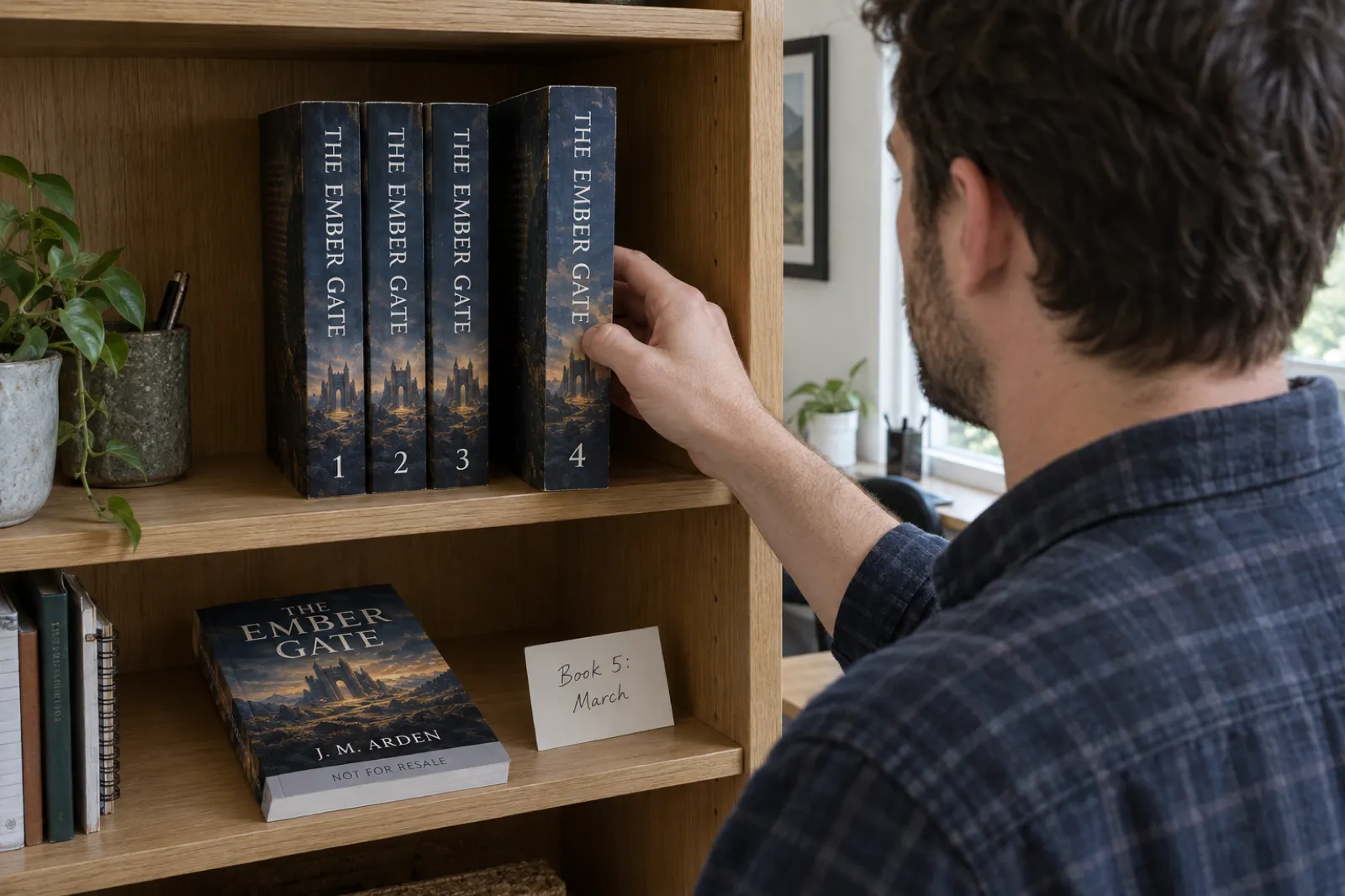
Most pages answering "is KDP worth it" were written before this year and miss at least two of these changes. If a page does not mention them, its arithmetic or its advice is out of date.
1. The 70% ebook band now reaches $12.99 (from 7 July 2026)
KDP's list price page (G200634560) says: "Effective July 7, 2026, the 70% royalty option price band is $2.99-$12.99 on Amazon.com, expanding from the previous range of $2.99-$9.99." A $12.99 ebook now earns about $9.05 a copy instead of falling to the 35% rate. This mostly helps long non-fiction, box sets and series bundles, which can now be priced like the value they hold. A $4.99 ebook still earns $3.45, and pricing above $12.99 still drops you to 35%. Our KDP royalties guide covers every rate.
2. Two new titles per format per week (from 21 September 2026)
KDP's help page (G202172740) now limits each account to "Up to 2 new titles per book format each week", counted the first time you submit a title, and separately up to two titles created per format, drafts included. Updates to books you have already submitted do not count, ebook, paperback and hardcover are counted separately, and the limits "reset every Sunday at 12:00 AM Coordinated Universal Time (UTC)". The help page gives no start date. The Alliance of Independent Authors reported on 24 September 2026 that it took effect on Monday 21 September, down from ten, and that Amazon's only stated reason was "to help maintain a positive publishing experience for all authors."
For a novelist this changes almost nothing: two books a week is more than anyone writes. For the "publish fifty journals this month" approach, it ends the plan. The most any account can now add is about 104 new titles a year per format. If you publish seasonal books, our KDP publishing calendar works out the slots and dates.
3. AI-generated content must be disclosed
KDP's content guidelines (G200672390) say: "We require you to inform us of AI-generated content (text, images, or translations) when you publish a new book." KDP defines AI-generated content as text, images or translations created by an AI-based tool, and it counts as AI-generated "even if you applied substantial edits afterwards." Images include the cover and interior artwork. You are not required to disclose AI-assisted content: work you created yourself and then used AI tools to "edit, refine, error-check, or otherwise improve", or where AI only helped you brainstorm. Either way, you are responsible for making sure the book meets KDP's content guidelines, including intellectual property. This is a question at publishing time, not a ban. Our guide to the Amazon KDP AI disclosure policy walks through the cases authors get wrong.
4. Review times: days for most books, weeks for low-content
KDP's timelines page (G202173620) says "it takes 3 business days for your book (or update) to be live on Amazon." Ebooks are "typically reviewed and published within 24 to 72 hours". Print takes "Up to 72 hours for Amazon.com; up to 5 days for other marketplaces", and up to 6 days on an account with no published book. Low-content books are the exception: their reviews "may take 3-4 weeks to complete." After a book goes live it can take up to 72 hours to appear in search, and contacting support "will not expedite the review process." If a book is held or rejected, our KDP rejected my book guide covers the common reasons and fixes.
Not new, still missed: two paperback rates
KDP's paperback royalty page (G201834330) pays 60% on Amazon.com at a list price of $9.99 or higher and 50% at $9.98 or lower, minus printing; Expanded Distribution pays 40%. Pages that quote a flat 60% overstate what most coloring books and journals earn by about two dollars a copy.
Make the book, then let KDP's numbers decide
Inkfluence AI drafts a full book from your idea in minutes and exports KDP-ready interiors and full-wrap covers, EPUB files, and PDFs for Etsy or Gumroad. Write it once and choose the route afterwards. Start free.
Start your book freeWhat KDP really costs
KDP charges nothing to publish. There is no setup fee, no listing fee and no monthly fee; Amazon takes its share from each sale through the royalty rate. That is a real advantage over older routes, and it is why "is it worth it" is mostly a question about your time and your own spending. Those costs are:
- A cover. On Amazon the cover is the advert. It can be a designer's fee, a premade cover, or one you make yourself; for paperbacks it has to be a full wrap sized to the page count. The KDP cover size and spine width calculator gives the exact dimensions, and an AI book cover generator gives you a starting design.
- Editing. The cost most new authors skip and most reviewers notice. It varies widely by length and type of edit; our book editing cost guide lays out the ranges.
- An ISBN, optionally. KDP gives a free ISBN for paperbacks and hardcovers (G201834170), but "Free ISBNs from us can only be used on KDP." Ebooks and low-content books do not need one. If you plan to sell the same print edition through IngramSpark too, you need your own; see do you need an ISBN.
- Proof copies. A printed proof shows problems a screen hides. Proofs can be ordered while the book is still a draft, carry a "Not for Resale" watermark, and get no free or Prime shipping (G7BBN68RYX5UMDZF, GVEG4YA9G2T7N6DR). You pay the printing cost, from $2.30 for a short black-ink book in the US (G201834340), plus shipping.
- Ads, if you run them. Optional, and the cost that grows fastest. In the Written Word Media survey, authors spent $636 a month on marketing on average, from about $81 for those earning under $100 a month to about $4,500 for those earning over $10,000.
Add them up honestly before you decide a book is worth publishing, and compare them with the royalty table in the next section. Our breakdown of the real cost of publishing an AI book works through a full budget.
What most authors make
Amazon does not publish author income. The best public picture is the Written Word Media 2025 Indie Author Survey (1,346 authors, self-reported, published 2 December 2025), in which Amazon was the top revenue source for 83% of respondents. Its headline figures, monthly income from writing before costs:
- 44% earned $100 a month or less; 56% earned more.
- 20% earned $500 to $5,000; 13% earned over $5,000; 8% earned over $10,000.
- About 80% of authors with one to three books earned under $100 a month.
- The median author with five to nine books earned about $50 a month; with 25 or more books, about $3,000.
- Authors with an email list earned a median of about $300 a month, against about $15 without one.
- Romance authors were 21% of respondents but about 44% of those earning over $10,000 a month.
And what one copy earns, under the 2026 rules (Amazon.com, from our KDP income guide): a $4.99 ebook $3.45; a $12.99 ebook $9.05; a 250-page $12.99 paperback novel $3.79; a 150-page $9.99 non-fiction paperback $3.19; a 104-page coloring book $1.16 at $7.99 or $3.15 at $9.99; a 120-page journal $1.06 at $6.99; a 32-page premium colour picture book $3.59 at $12.99. The royalty calculator does the same sum for any price.
Put together, the typical book sells about two copies a month. That is the middle, not a failure, and it is the number to plan with. The authors at the top are not there because of a trick: they have more books, written in series, and a list of readers who hear about each one. To see how many books a target really takes, and how long the weekly limit makes it, use the how many books calculator.
Competition, honestly
Amazon does not publish how many new books are added each week, so any precise figure you see is someone's estimate. What can be said without inventing numbers:
- Being listed is not being found. A new book from an unknown author starts with no sales history, no reviews and no readers waiting for it. Amazon shows books to shoppers when they already sell, match a search well, or are advertised. That is why the survey's typical book sells about two copies a month.
- Volume got harder, quality did not. The weekly limit hits catalogues built on many near-identical titles. It does nothing to a novelist releasing a book every few months, or to a non-fiction author whose book answers a question well.
- Some categories are crowded with lookalikes. Plain journals, notebooks and simple activity books are easy to make, so many look the same. A distinct theme, real content inside, and a cover that says exactly who it is for are what separate a book from the shelf of similar ones. Our KDP SEO guide covers titles, keywords and categories.
- Readers in strong genres are loyal. Romance, cozy mystery and other series genres have readers who read a lot and come back for the next book. Competition there is real, but so is demand.
Book by book: the reasons behind each verdict
Novels and series: yes, with conditions
For fiction, Amazon is the main bookshop, and KDP is the way in. The verdict is yes, on three conditions. First, write in a series where you can. A reader who finishes book one and likes it is the easiest sale an author ever makes, and the survey found high earners almost always have more books, very often in series. Second, start a list of readers from book one: the survey's $300 against $15 is its starkest finding. Third, publish both the ebook and the paperback. The ebook earns $3.45 at $4.99, and the paperback gives the same listing a second format at no extra writing.
A standalone novel is still worth publishing, because it costs nothing to list and teaches you the process. Just plan for the typical result. If you write fiction, the book series writer keeps characters and events consistent from book to book, and a finished book can continue straight into the next one.
KDP Select or wide? KDP Select is "a free 90-day program for Kindle eBook only" (G200798990). Enrolled ebooks go into Kindle Unlimited and can use Kindle Countdown Deals and Free Book Promotions. The price is exclusivity: KDP's Select page says "you cannot distribute your book digitally anywhere else, including on your website", though print can be sold anywhere. In the survey, 38% of authors had all their books in Select, 30% had none, and 43% of authors earning over $5,000 a month had all their books in Select. For a new series author, Select is a common start. Once you have readers on other stores or want to sell ebooks from your own site, going wide makes more sense. Our KDP Select vs wide distribution guide has a 90-day test plan.
Non-fiction and expertise books: yes, often for authority
Non-fiction works on Amazon when it answers a question people actually search for, which is why a specific title ("a beginner's guide to sourdough for busy parents") tends to outsell a general one. The July change helps here: a long practical guide can now be priced up to $12.99 and keep the 70% rate. Paperback pricing matters too: a 150-page guide earns $3.19 at $9.99 and $2.19 at $9.98.
For a coach, consultant or specialist, the royalty is often the smaller prize. A book on Amazon is a credible thing to hand a prospective client, mention in a talk or link from a website, and the work it brings in can be worth far more than the copies. If that is your goal, KDP is worth it even at modest sales, and the stronger money move is often a companion PDF or workbook sold direct to your audience, where you keep more and learn who bought. Our guide to selling ebooks on Gumroad covers that side.
Children's picture books: yes for print, with selling offline
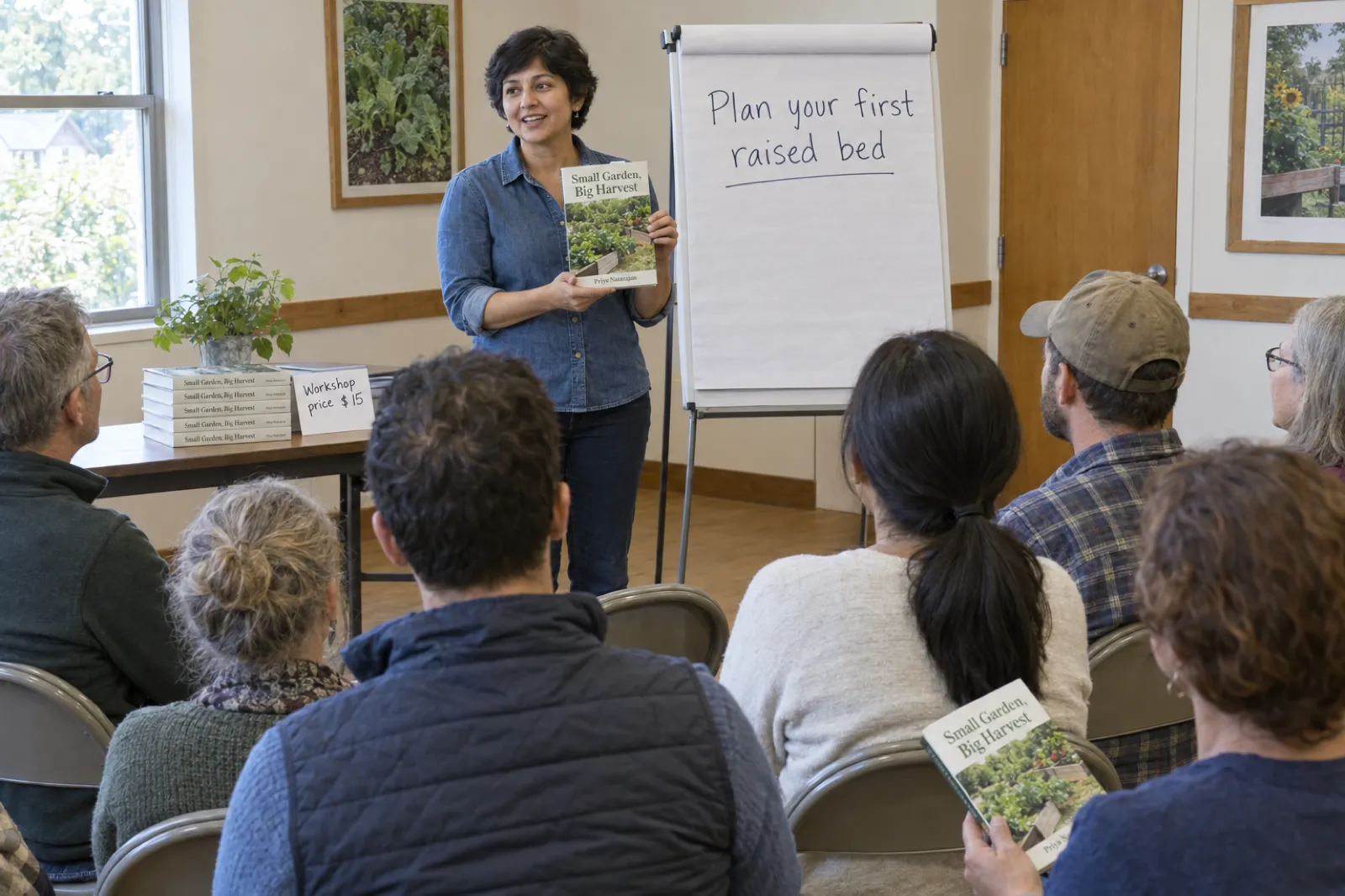
Picture books are printed in colour, and colour printing takes a large share of the price. A 32-page, 8.5 x 8.5 in premium colour paperback at $12.99 earns about $3.59 a copy on Amazon.com. That is workable, but picture books rarely sell themselves in search. Many of the sales that matter happen face to face: school visits, library readings, local fairs and gift shops, where a parent can turn the pages. KDP makes that easy because author copies are sold "at print cost" (G7BBN68RYX5UMDZF), so you can buy a box and sell signed copies.
One catch: KDP's Expanded Distribution does not accept "Paperbacks with interior pages that require a high concentration of ink to be printed" (GQTT4W3T5AYK7L45), so a richly illustrated book may not reach bookshops that way. Authors who want shops and libraries usually add IngramSpark; our IngramSpark vs KDP comparison shows the trade. For the full KDP route, read how to self-publish a children's book on Amazon.
Coloring and activity books: yes at $9.99 or more, with timing
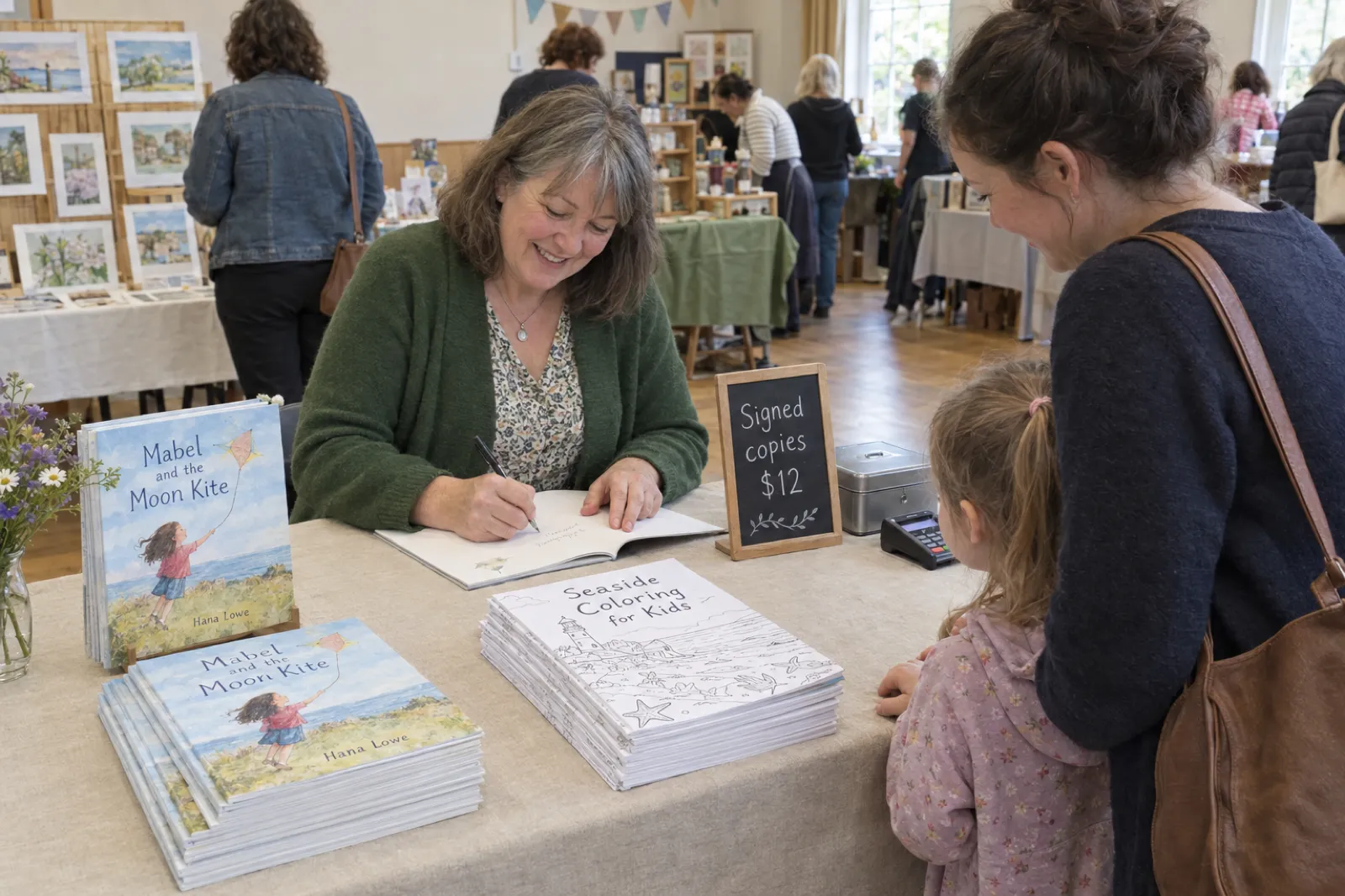
Printed coloring books are a real Amazon category, and KDP does not treat them as low-content: they get normal review times. Three things decide whether one is worth it. Price: at $7.99 an 8.5 x 11 in, 104-page book earns $1.16 a copy, and at $9.99 it earns $3.15, because the 60% rate starts at $9.99. Reach: coloring books are not accepted for Expanded Distribution, so every sale comes from Amazon. Timing: seasonal themes have to be live before buyers start shopping, and with two titles a week you can no longer upload a season's worth the week before. Our coloring book niches guide covers themes, and how to sell coloring books covers listings.
Printable coloring pages are a different product and often a better one to sell directly: no printing cost, instant delivery, and no weekly limit. Many sellers do both.
Low-content journals and planners: the weakest case
This is where KDP is least worth it in 2026, for four reasons that stack. A $6.99, 120-page journal earns about $1.06 a copy. KDP says low-content reviews "may take 3-4 weeks". Journals, notebooks and planners cannot use Expanded Distribution, because pages that are mostly lined or blank are on the not-accepted list. And the two-titles-a-week limit removed the one thing the model relied on, which was volume. Low-content books also cannot set a release date.
That does not make them worthless. A journal with real content, such as prompts, guidance, short readings or exercises, is no longer low-content, sells for more, and is harder to copy. A printable planner sold as a download on Etsy or Gumroad skips printing, review and the weekly limit. Our low-content books on KDP guide covers the rules, and low-content book income in 2026 works through the money.
One-off books for family: not needed
A family history for a parent's birthday, a picture book starring a grandchild, a recipe book for the cousins: these are books you want copies of, not books you want strangers to find. Publishing on KDP makes a book public on Amazon, and you do not need a listing to get a printed copy. A KDP proof copy can be ordered while the book is still a draft, at printing cost plus shipping, with a "Not for Resale" watermark; Lulu prints clean single copies; a copy shop can bind one the same day; and a PDF can be emailed to everyone. Our guide to printing one copy of a book compares every route with costs. If you later decide the book deserves readers, you can publish it then.
Whatever the verdict, the book comes first
Novels and series, guides, picture books, coloring books and family books: Inkfluence AI drafts them from your idea, then gives you the files for whichever route fits, from KDP print files with bleed and a full-wrap cover to a PDF you can print or sell.
Make your book freeDecision checklist: which route fits your book
Answer five questions and the checklist recommends a route, with the reasons and the 2026 rules that apply. It follows the verdicts above and runs in your browser; nothing is sent anywhere. It is a starting point, not a forecast of sales.
Is KDP worth it for my book? Checklist
Based on KDP's rules as read on 19 Oct 2026 and the Written Word Media 2025 survey.
Worth it, with low expectations
KDP, and make the next book a sequel
Next steps
Royalties are Amazon.com figures from KDP's help pages (G200634560, G201834330, G201834340), read 19 Oct 2026. Survey figures from Written Word Media's 2025 Indie Author Survey (self-reported). A recommendation from your answers, not a sales forecast.
The alternatives: Etsy, Gumroad, IngramSpark and going wide
KDP is not the only way to sell a book, and for several of the book types above it is not the best first choice. The real question is usually not "KDP or nothing" but which mix of routes fits the book.
Etsy and Gumroad: keep more per sale
Selling a digital book or printable directly changes both halves of the income sum. You set the price, there is no printing cost on a download, there is no review queue, and there is no weekly title limit. Gumroad's pricing page lists 10% + $0.50 on sales through your own links, and 30% when a new customer finds you through its Discover marketplace. Etsy charges a listing fee plus a share of each sale; our sibling guide to how much you can make selling printables on Etsy works out the net on each store against KDP. The trade-off is traffic: Amazon brings buyers to a book, while on your own store you bring more of them yourself, and Etsy sits in between with its own search.
This suits printables, planners, coloring pages, workbooks and short practical guides. It suits long novels less, because most fiction readers buy on Amazon. The guides to selling ebooks on Etsy and selling ebooks on Gumroad cover setup, and Gumroad vs Amazon KDP puts the two side by side. For ideas that sell as downloads, see digital product ideas.
IngramSpark: for bookshops, libraries and hardcovers
IngramSpark is the usual addition when you want a book in shops and libraries, or a hardcover with a dust jacket. Many authors use KDP for Amazon and IngramSpark for everyone else, with their own ISBN on both and KDP's Expanded Distribution switched off. It is most useful for picture books (which Expanded Distribution may not take), non-fiction sold at events, and local-interest books. Our IngramSpark vs KDP guide covers the costs.
Going wide vs KDP Select
"Wide" means selling your ebook on other stores (Apple Books, Kobo, Google Play and others) as well as Amazon. You can only do that if the ebook is not in KDP Select, which requires digital exclusivity for each 90-day term. Select suits authors whose readers are on Kindle Unlimited, which is common in romance, cozy mystery and other series genres. Wide suits authors with readers on several stores, an audience to sell to directly, or a book that libraries and other stores carry. Print is unaffected either way.
A mix is normal
The most common pattern among working authors is not one route but several: the book on KDP, a workbook or printable edition sold direct, an audiobook on audio stores, and perhaps a translated edition for another market. Each one is a separate product from the same writing. Which brings us to making them.
Where Inkfluence AI fits
We make a book-making tool, so here is what it does and does not do. It does not sell your book, and nothing on this page is a promise of sales or income. What it does is make the making fast and the files right, for whichever route the checklist pointed you to. We think it is the best tool for that job, for these reasons:
- Every kind of book above. Novels and series (with a story bible that keeps characters consistent), non-fiction guides and workbooks, illustrated picture books and coloring books, journals and family books, drafted from your idea in minutes and edited in the same place.
- KDP files done properly. The KDP package lays out the print interior at the trim you choose, with bleed for picture books, and sizes the full-wrap cover to the real page count. The book formatter explains what it handles.
- Going wide. EPUB export for Apple Books, Kobo, Google Play and other stores, alongside the Kindle files.
- More editions from one book. Turn it into an audiobook with the audiobook generator, or into another language with the book translator.
- Selling direct. Creator and Premium plans publish a finished book straight to your Etsy or Gumroad shop from the Publish page.
- One copy for the family. A clean PDF to print at home or send to a printer, on the free plan.
The free plan lets you make a book and export a PDF, so you can judge the writing before paying for anything. KDP files, EPUB, audiobooks and translation come with a paid plan or credits; see the pricing page.
One book, every route
KDP paperback and Kindle files, EPUB for other stores, a PDF for Etsy or Gumroad, an audiobook and a translation, all from the same draft. Make the book once and publish it where it fits.
Start free in Inkfluence AIDecide in five steps
- Name the book's job. Income, authority or a gift. A gift does not need KDP at all, and an authority book can be worth it at modest sales.
- Work out one copy's royalty. Use the figures above or the royalty calculator. If a paperback sits just under $9.99, test $9.99.
- Plan with the typical sales rate. About two copies a book a month, unless you already have readers or a series. The how many books calculator shows what a target really takes under the weekly limit.
- Count your costs. Cover, editing, proofs and any ads. Free to publish is not free to do well.
- Pick a route, publish one book, and measure. Use the checklist above, publish, and let two or three months of real sales decide the next book's route. For the step-by-step upload, see how to self-publish on Amazon KDP.
Your first real number beats any verdict
This page can tell you what usually happens. Only a published book can tell you what happens to yours. Draft it today, check it, and send it where it fits.
Write your book freeFrequently asked questions
Is KDP worth it in 2026?
As of 19 October 2026, yes for novels in a series and for non-fiction that answers a question people search for; yes for coloring and picture books if you price them well and do some selling yourself; weakest for plain low-content journals and planners; and not needed for a one-off family book. Publishing is free, but most books earn little: in the Written Word Media 2025 survey, 44% of indie authors earned $100 a month or less, and about 80% of authors with one to three books earned under $100 a month.
Is KDP still profitable in 2026?
For some authors, clearly. In the Written Word Media 2025 survey, 13% earned over $5,000 a month and the median author with 25 or more books earned about $3,000 a month. For a new author with one to three books, about 80% earned under $100 a month. Profit depends on what you spend on covers, editing and ads; the survey average for marketing was $636 a month.
What changed on KDP in 2026?
Two big things. From 7 July 2026 the 70% ebook royalty band on Amazon.com runs from $2.99 to $12.99 (it stopped at $9.99 before). From 21 September 2026 KDP accepts two new titles per book format per week, down from ten, resetting every Sunday at 12:00 AM UTC. KDP also still requires you to disclose AI-generated text, images or translations when you publish.
How much does it cost to publish on KDP?
Nothing to KDP. There is no fee to publish, and KDP gives paperbacks and hardcovers a free ISBN (usable only on KDP). The real costs are your own choices: a cover, editing, proof copies at printing cost plus shipping, and ads if you run them. A short black-ink paperback costs from $2.30 to print in the US.
Is self-publishing on Amazon worth it for a first book?
Worth doing, rarely worth a lot of money on its own. A first book teaches you the process and gives you real sales numbers, and it costs nothing to list. Expect the typical result, a few copies a month, unless you already have readers or the book starts a series.
Is KDP worth it for low-content books like journals and planners?
It is the weakest fit in 2026. A $6.99, 120-page journal earns about $1.06 a copy, KDP says low-content reviews may take 3 to 4 weeks, journals and planners cannot use Expanded Distribution, and the two-titles-a-week limit ended the volume approach. Printable versions often do better on Etsy or Gumroad, and adding real content (prompts, guidance, exercises) helps on KDP.
Is KDP worth it for coloring books?
Yes for printed coloring books, with conditions. Price at $9.99 or more: an 8.5 x 11 in, 104-page book earns $3.15 a copy at $9.99 against $1.16 at $7.99. Coloring books cannot use Expanded Distribution, so they sell on Amazon only, and seasonal themes need to be live early. Printable coloring pages sell well as downloads on Etsy or Gumroad.
Is KDP worth it for children's picture books?
For a printed picture book, yes, as one route among several. A 32-page, 8.5 x 8.5 in premium colour paperback at $12.99 earns about $3.59 a copy. Picture books often sell best face to face, at readings, schools and fairs, using author copies bought at print cost. For bookshops and libraries, IngramSpark is the usual addition.
Do I have to tell Amazon KDP if I used AI?
Yes, if the content is AI-generated. KDP says: "We require you to inform us of AI-generated content (text, images, or translations) when you publish a new book." Content an AI tool created counts as AI-generated even if you edited it heavily. You do not have to disclose AI-assisted content, meaning work you created yourself and used AI to edit, refine, check or brainstorm.
How long does KDP take to publish a book in 2026?
KDP says about 3 business days. Ebooks are typically reviewed within 24 to 72 hours; print takes up to 72 hours for Amazon.com, up to 5 days for other marketplaces and up to 6 days on an account with no published book. Low-content books may take 3 to 4 weeks. A book can then take up to 72 hours to appear in search.
Is KDP Select worth it?
Often for a fiction series, less often for non-fiction sold to your own audience. KDP Select is a free 90-day program for Kindle ebooks that puts the book in Kindle Unlimited and unlocks promotions, but the ebook must be exclusive to KDP: you cannot sell it digitally anywhere else, including your own website. Print editions can be sold anywhere.
Should I sell on Etsy or Gumroad instead of KDP?
For printables, planners, coloring pages, workbooks and short guides, often yes, or as well. You set the price, there is no printing cost on a download and no weekly title limit; Gumroad charges 10% + $0.50 on direct sales. For novels, Amazon is where most readers buy. Many authors use both.
Sources
Every external figure on this page was read on the source below on 19 October 2026. Royalty and printing figures are for Amazon.com in US dollars.
- KDP: eBook List Price Requirements, G200634560 (70% band $2.99 to $12.99 on Amazon.com, effective 7 July 2026, previously $2.99 to $9.99), checked 19 Oct 2026
- KDP: weekly title creation and submission limits, G202172740 (two per book format per week, drafts count, updates do not, reset Sunday 12:00 AM UTC), checked 19 Oct 2026
- Alliance of Independent Authors, 24 September 2026 (limit took effect Monday 21 September 2026, previously ten; Amazon's stated reason), checked 19 Oct 2026
- KDP: Content Guidelines, AI content, G200672390 (disclosure of AI-generated text, images and translations; AI-assisted content exempt), checked 19 Oct 2026
- KDP: Timelines, G202173620 (3 business days; ebooks 24 to 72 hours; print up to 72 hours on Amazon.com, 5 days elsewhere, 6 days for a first book; low-content 3 to 4 weeks; search up to 72 hours), checked 19 Oct 2026
- KDP: Paperback Royalty, G201834330 (50% at $9.98 or lower, 60% at $9.99 or higher on Amazon.com, Expanded Distribution 40%), checked 19 Oct 2026
- KDP: Printing Cost, G201834340 (black ink from $2.30; colour costs), checked 19 Oct 2026
- KDP: Expanded Distribution, GQTT4W3T5AYK7L45 (not accepted: coloring books, high-ink interiors, journals, notebooks and planners), checked 19 Oct 2026
- KDP: What is an ISBN and Imprint?, G201834170 (free ISBN for paperback and hardcover, usable only on KDP; optional for ebooks and low-content), checked 19 Oct 2026
- KDP: Proof and Author Copies, G7BBN68RYX5UMDZF ("Not for Resale" proofs; author copies at print cost) and GVEG4YA9G2T7N6DR (no free or Prime shipping; proofs in Draft), checked 19 Oct 2026
- KDP Select, G200798990 (free 90-day program for Kindle ebooks; Kindle Unlimited, Countdown Deals, Free Book Promotions) and KDP Select overview (digital exclusivity; print can be distributed elsewhere), checked 19 Oct 2026
- Gumroad pricing (10% + $0.50 on direct sales; 30% through Discover), checked 19 Oct 2026
- Written Word Media, 2025 Indie Author Survey (published 2 December 2025, 1,346 responses, self-reported: income bands, income by catalogue size, email list medians, genre, marketing spend, KDP Select), checked 19 Oct 2026
Related reading

Founder, Inkfluence AI
Sam is the founder of Inkfluence AI. He built the platform to make book creation accessible to everyone - from first-time authors to seasoned publishers.
Helpful links
Ready to Create Your Own Ebook?
Start writing with AI-powered tools, professional templates, and multi-format export.
Get Started FreeRelated Articles
 Selling
How Much Can You Make Selling Printables on Etsy? Fees, Real Numbers and a Calculator (2026)
What one printable sale keeps after Etsy's fees, compared with Gumroad and KDP, what Etsy's own annual report says about shop sizes, our data on 2,921 books listed by 473 authors, and a calculator for your own prices.
 Publishing
Do Low-Content Books Still Make Money in 2026? Journal and Coloring Book Income, Worked Out
What journals, notebooks, planners and coloring books really earn on KDP in 2026: royalty per copy by trim, pages and price, why most titles sell few copies, the two-a-week limit, the rules that cut income, and where the money still is, with an estimator.
 Publishing
How Much Do KDP Authors Make? Real 2026 Numbers, by Format and Catalogue Size
Most KDP authors earn under $100 a month and a minority earn a living. The 2026 survey numbers, what one copy earns in each format under KDP's new rules, why most books sell little, and what changes it, with an estimator for your own catalogue.
Get ebook tips in your inbox
Join creators getting weekly strategies for writing, marketing, and selling ebooks.