
Children's Book Word Count and Page Count by Age (2026): Board Books to Middle Grade, with Real Picture-Book Data
How many words and pages a children's book needs, from board books to young adult, with every range sourced to a publisher or editor and dated, words per page from real picture books by age band, and a word-budget calculator that checks KDP's 24-page minimum.
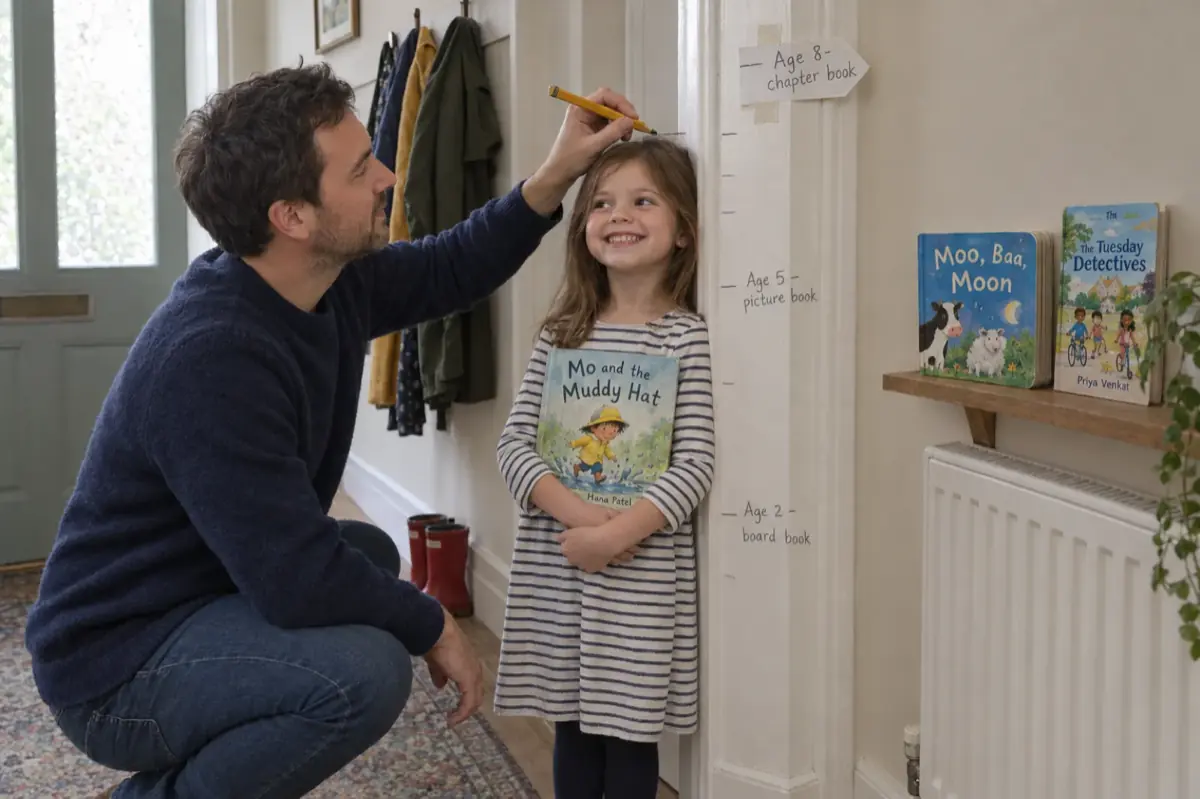
Quick Answer
Board books: up to about 100 words. Picture books (ages 4 to 8): 500 to 600 words over 32 printed pages, 1,000 at most. Early readers: 1,200 to 1,500. Chapter books: about 3,000 to 12,000. Middle grade: 20,000 to 55,000. Young adult: 55,000 to 80,000. A KDP paperback needs at least 24 pages. Inkfluence AI sizes every page to the reader's age.
Checked on 13 October 2026. Every external range on this page was read on the publisher's or editor's own page that day, with the date that page carries (links in Sources). The words-per-page figures come from our own records of picture books made on Inkfluence between 29 August and 12 October 2026, read on 13 October with our test accounts removed. KDP rules were read on Amazon's KDP help pages the same day.
Word count is the first thing an editor checks and the first thing a parent feels when reading aloud. A picture book that runs to 1,200 words loses a four-year-old by page ten, and a middle grade novel of 15,000 words feels thin to a ten-year-old who just finished a series. The ranges below are the ones publishers and editors publish, with the source and its date next to every number, plus something no other guide has: how many words real picture books carry on each page, by age band, from books authors made this autumn.
Children's book word count by age: the 2026 table
Every range in this table comes from a named publisher or editor, read on 13 October 2026. Where sources disagree, the table shows the spread and a safe target in the middle of it.
| Format | Reader age | Word count (sources) | Safe target | Printed pages |
|---|---|---|---|---|
| Board book | 0 to 3 | Up to 100 (Good Story Co., 2022); 0 to 200 (Mary Kole, 2021) | Under 100 | Typically 10 to 28, in steps of 2 (PrintNinja, 2026). Not printed by KDP. |
| Early picture book | 2 to 5 | Up to 400 (Good Story Co., 2022) | Under 400 | 24 to 32; KDP minimum 24 |
| Picture book | 4 to 8 | 500 to 600 (Writer's Digest, 2016); up to 600 (Good Story Co.); up to 1,000 (Albert Whitman; Nobrow) | 600 or fewer | 32 standard; Nobrow takes 24 or 32 |
| Picture story book | 6 to 10 | Up to 1,000 (Albert Whitman; Nobrow ceiling) | Up to 1,000 | 32 |
| Non-fiction picture book | 7 to 10 | 1,200 to 1,500 incl. back matter (Mary Kole, 2021); up to 3,000 (Good Story Co., 2022) | 1,200 to 1,500 | 32 or more |
| Early reader | 5 to 8 | 1,200 to 1,500 (Mary Kole, 2021); up to 1,500 (Good Story Co., 2022) | 1,200 to 1,500 | Varies by series |
| Chapter book | 5 to 8 for early chapter books (Scholastic, 2024) | 3,000 to 12,000 (Mary Kole, 2021); 5,000 to 20,000 (Good Story Co., 2022) | 5,000 to 12,000 | Depends on trim and art |
| Middle grade | 8 to 12 (Charlesbridge) | 20,000 to 55,000 (Writer's Digest, 2016); up to 35,000 (Albert Whitman); up to 45,000 contemporary, 65,000 fantasy (Good Story Co., 2022) | 25,000 to 45,000 | About 100 to 180 at 250 words a page |
| Young adult | Teens | 55,000 to 79,999 (Writer's Digest, 2016); up to 70,000 (Albert Whitman); 60,000 to 80,000 (Good Story Co., 2022) | 60,000 to 70,000 | About 240 to 280 at 250 words a page |
The "safe target" column is our reading of where the sources overlap, not a rule from any one of them. The page estimates for novels assume about 250 words on a printed page, which shifts with trim size, font and spacing; use the calculator below with your own layout. The 24-page and 75-page figures are KDP's own paperback and hardcover minimums.
Where the numbers come from, and why they differ
Children's book lengths are conventions, not laws, and different kinds of source publish them for different reasons. It helps to know which is which before you decide how much a range should bind you.
- Publisher submission guidelines are the hardest numbers: a manuscript over the limit may not be read. Albert Whitman's guidelines for unrepresented authors cap picture books at 1,000 words, middle grade at 35,000 and young adult at 70,000. Nobrow takes picture books of 24 or 32 pages at about 500 words, 1,000 at most. Charlesbridge describes its middle grade list as for ages 8 to 12 and asks for the complete manuscript of anything under 30 manuscript pages (its open submissions are paused at the time of writing).
- Editors' guides say what sells, not what is allowed. Chuck Sambuchino's Writer's Digest post (25 October 2016) gives 500 to 600 words for a picture book. Mary Kole of Good Story Company called 600 words or fewer "the gold standard" for fiction picture books in December 2021, and her October 2026 workshop page still puts the average at about 600.
- Publisher reading programmes pin down the ages. Scholastic describes its Branches early chapter books as for ages 5 to 8, generally kindergarten to third grade (October 2024).
- Printers set the physical limits: PrintNinja's board-book page (updated 28 April 2026) gives 10 to 28 pages, and KDP sets a 24-page paperback minimum.
So when sources disagree, they usually answer different questions: "up to 1,000 words" is what one publisher accepts; "500 to 600" is what editors hope to see. Self-published, nobody rejects you at 900 words, but a child listening feels every extra line, so the safe targets lean towards the editors. Ranges also move: Sambuchino noted in 2016 that middle grade was "trending up", and Kole said in 2021 that many middle grade books reach 50,000 to 60,000 words. That is why every range here carries its date.
Word and page budget calculator
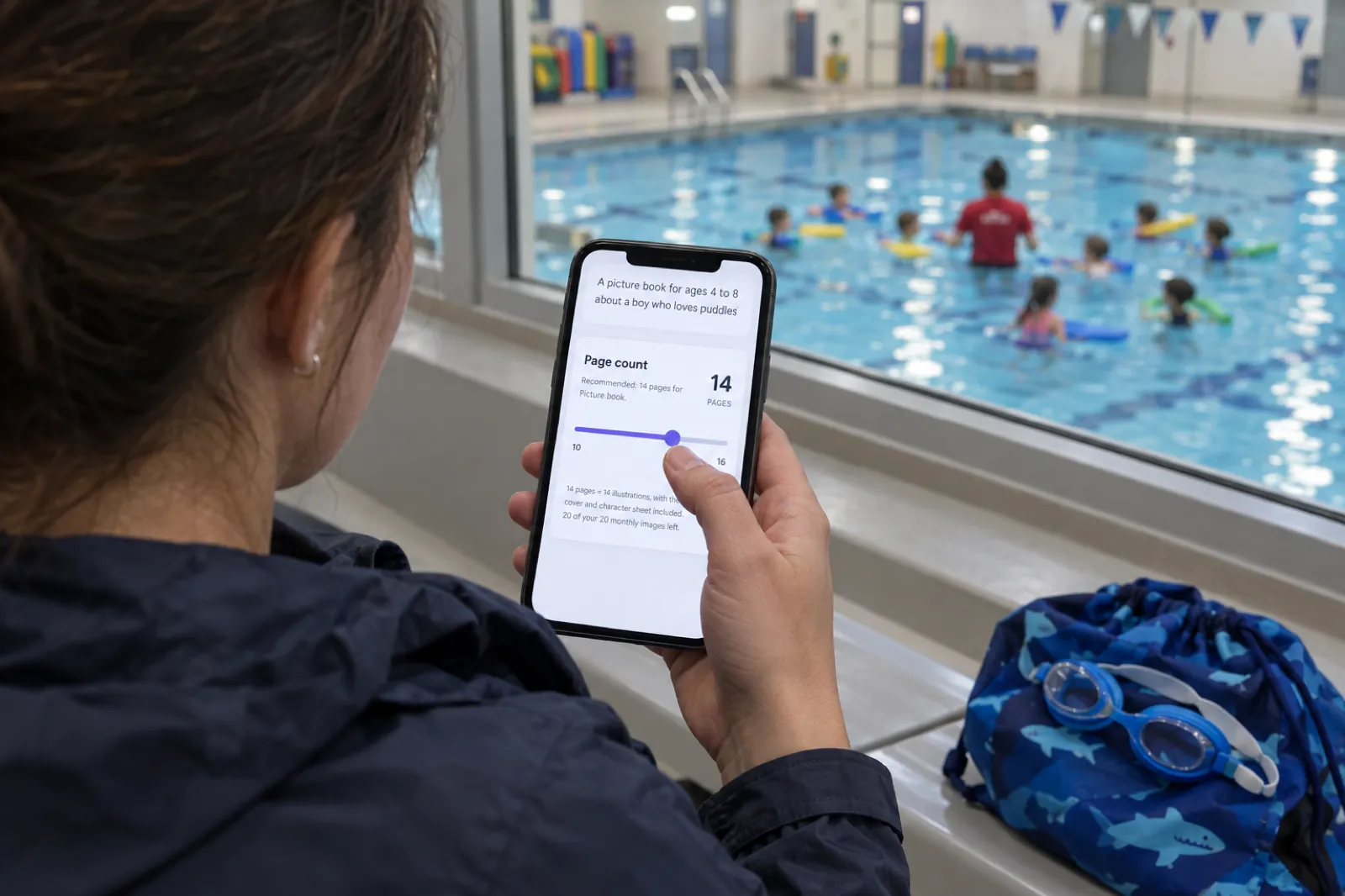
Pick the format, then set the number of pages (or chapters for longer books). The calculator gives the word budget from the sources above, a words-per-page target (from real books where we have them), the printed page count, and whether it meets KDP's 24-page paperback minimum. Everything runs in your browser.
Word budget
500 to 600 words
Target
19 to 38 words a page
Printed pages
16
The middle half of 37 real books for ages 4 to 8 on Inkfluence (median 28). At 28 a page, 14 pages come to about 392 words.
16 printed pages: 8 short of KDP's 24-page paperback minimum.
Sources: 500 to 600 words (Writer's Digest, 2016); 600 or fewer (Good Story Company); 1,000 is the most Albert Whitman and Nobrow accept.
Printed pages = front matter + story pages (two each for spreads) + back matter, rounded up to even as KDP does. Novel pages = words / words on a printed page, a rough estimate. KDP: 24-page paperback minimum, 75-page hardcover minimum, at most 4 blank pages in a row at the start or middle and 10 at the end (KDP help, 13 Oct 2026).
In short: 600 words over 14 pages is at most 42 words a page; most picture books need front and back matter to reach 24 printed pages; and middle grade needs longer chapters than Inkfluence writes for readers under 13 (see middle grade).
Turn the budget into a book
Pick Picture book, say the reader's age in your idea, and Inkfluence writes every page to that age band and paints it. Picture books need a paid plan or a credit pack.
Start a picture bookWords per page in real picture books, by age band
Picture books launched on Inkfluence on 29 August 2026; the launch numbers and the 14-page median length are in our guide to self-publishing a children's book on Amazon. Here we look at something that guide does not: how many words those books carry on each page, by the reader's age.
Method. We read every picture-book-family book started between 29 August and 12 October 2026 from our records on 13 October 2026, removed our own test accounts (leaving 476 books by 252 authors), and counted the words the maker wrote on each page. Words-per-page figures are for English-language story picture books, because word counts are not comparable across languages. Age bands use books whose author named the reader's age in the idea or audience. This is a usage mix; nothing here identifies an author or says anything about sales.
Median words per page, English story picture books, 29 Aug to 12 Oct 2026
Median words per book, same books
Median length was 14 pages in every age band. Middle half of pages: ages 2 to 5, 16 to 29 words; ages 4 to 8, 19 to 38; ages 6 to 10, 29 to 61. Source: Inkfluence AI records, read 13 Oct 2026, test accounts excluded.
What the numbers say:
- Words per page more than double from toddler to early school age. A line or two for ages 2 to 5 (median 20), a short paragraph for ages 6 to 10 (median 47). Page count stays at 14: age changes the words, not the length.
- Every band sits under the published ceilings: 284 words against 400 for early picture books, 395 against the 500 to 600 editors cite for ages 4 to 8, and 703 against the 1,000-word ceiling. Inkfluence writes to per-page budgets set from these ranges, so this shows where real books land inside them, not independent proof of what publishers want.
- Pages vary within a book on purpose. The middle half of pages for ages 4 to 8 runs from 19 to 38 words. One-line pages mixed with fuller ones read aloud well; 14 identical 30-word pages drag.
- Other picture formats are much shorter. English colouring books carried a median of 5 words a page (a caption, which can be printed under the design or left off) over 20 pages; ABC and counting books (a small group of 15) 11 words a page over 26 pages, one letter or number each.
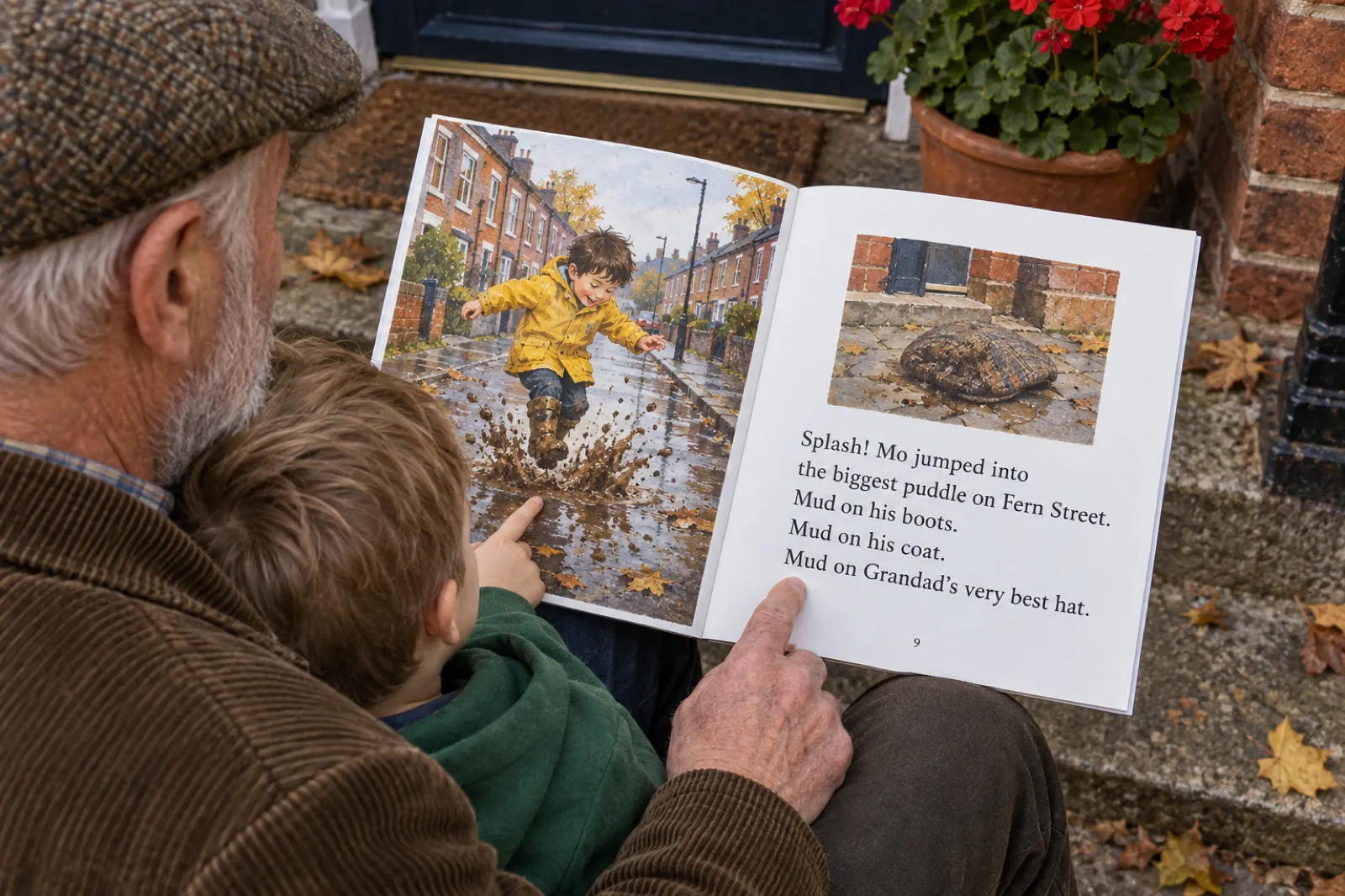
We also looked at chapter-based children's stories (our "Kids story" format) started between 15 September and 12 October 2026: 755 English books after removing test accounts. The maker writes shorter chapters for young readers, and the data shows the step clearly.
Median words per chapter, English kids' stories, 15 Sep to 12 Oct 2026
Age from the reader age the author gave in the idea or audience. Source: Inkfluence AI records, read 13 Oct 2026, test accounts excluded.
Most authors who named an age were writing for children under 6, where a 400-word "chapter" is a bedtime-sized story. And 520 of 755 books named no age, so they were written as general fiction with chapters near 1,600 words. For a children's book, say the age in your idea: it sets chapter length, vocabulary and tone.
See your book at the right length
Describe the story and the reader's age. Inkfluence plans the pages, writes each one to the age band and paints it, so you can check the length in the preview before you export.
Try it with your ideaBoard books (ages 0 to 3)
Board books are for babies and toddlers who chew, drop and grab: thick card pages, rounded corners, almost no text. Good Story Company sets the limit at 100 words (2022), and Mary Kole puts it at 0 to 200 words, "maybe even 0 to 150, or even 100" for the youngest readers (2021). Many board books carry one word or one short line per page: a naming book ("Duck. Boat. Moon."), a counting book, a lift-the-flap with a single question.
Page counts come from the printer, not the editor. PrintNinja's board-book guide (updated 28 April 2026) gives a typical range of 10 to 28 pages, and notes that board book page counts go up in steps of 2, not 4 like most other bindings. Its common counts: 10 pages for baby concept books (colours, shapes, animals), 14 to 16 for short stories and counting books, 20 to 24 for longer stories and flap or texture books, and 26 to 28 for alphabet books.
The catch for self-publishers: Amazon KDP prints paperbacks and hardcovers only; its Print Options page lists no board-book binding. If you want a real board book, you need a specialist printer and your own distribution. If you want it on Amazon through KDP, it becomes a paperback picture book, at 24 pages minimum. A common route is to write the text as a board book (very short, one idea per page) and publish it as a short square paperback for ages 2 to 5.
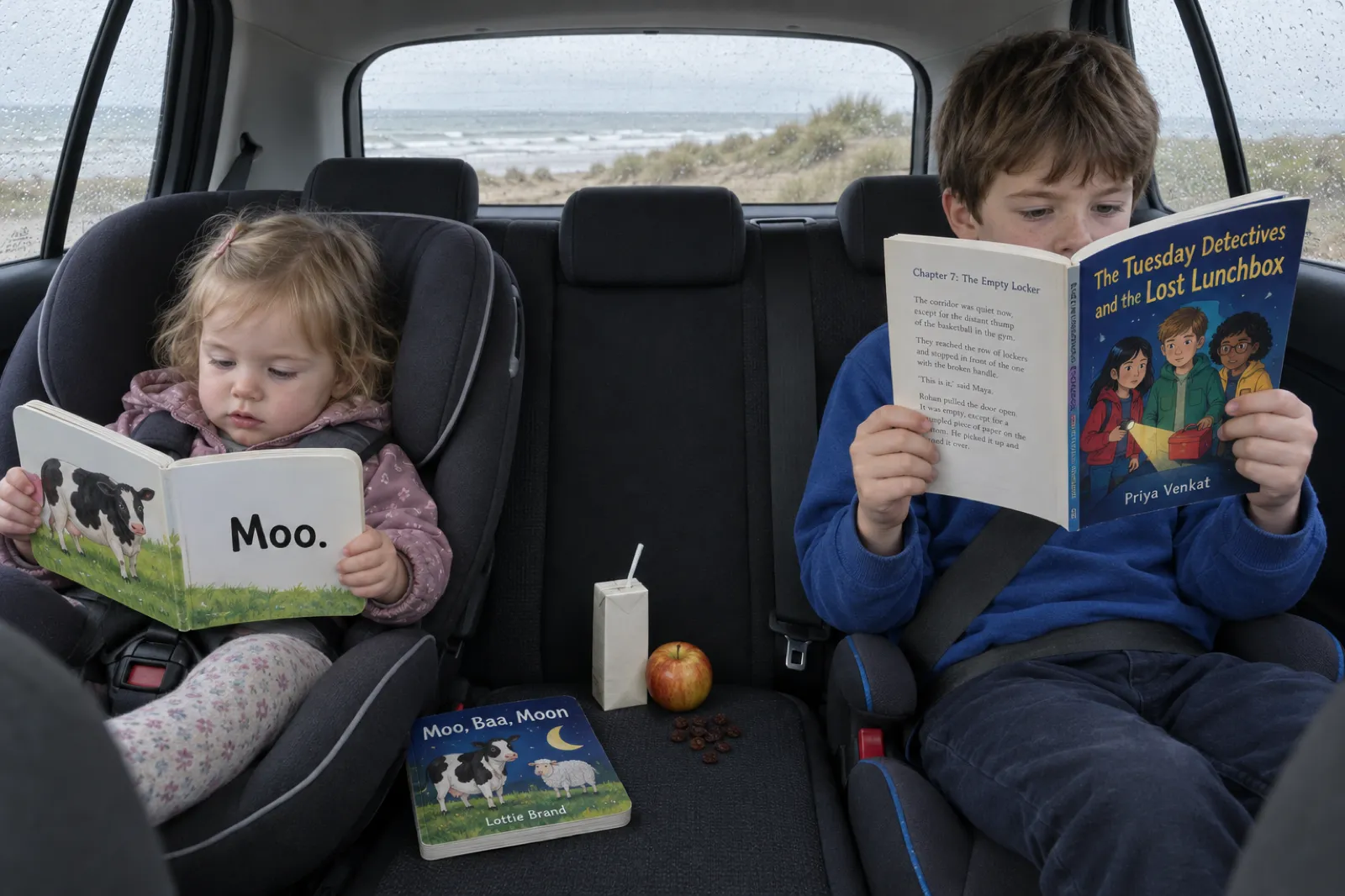
Picture books (ages 2 to 10)
"Picture book" covers a wide age range, and Mary Kole notes the format splits informally into two groups, roughly ages 3 to 5 and 5 to 7. In practice, think of four kinds, because each has a different budget.
Early picture books (ages 2 to 5): up to 400 words
Good Story Company's limit for an early picture book is 400 words (2022). These are read to children, often many times, so rhythm and repetition carry the book: a refrain on every other page, a pattern the child can join in with, a sound word that becomes the page. On Inkfluence, books for ages 2 to 5 came out at a median of 284 words and 20 words a page, with the middle half of pages between 16 and 29 words. If a page in your draft runs past about 30 words for this age, it probably holds two moments: split it, or give one of them to the picture.
Picture books (ages 4 to 8): 500 to 600 words, 1,000 at most
This is the classic picture book, and the best-documented range. Sambuchino's Writer's Digest post gives 500 to 600 words as "a good number to aim for", with the standard being "text for 32 pages", and warns that "when it gets closer to 1,000, editors and agents may shy away". Good Story Company caps it at 600. Albert Whitman's guidelines accept up to 1,000 words, and Nobrow asks for about 500, 1,000 at most, across 24 or 32 pages. Our ages 4 to 8 books landed at a median of 395 words and 28 words a page, under all of those.
Over 600? Cut in this order: description the illustration will show (colours, clothes, the room), dialogue tags beyond "said", a second example of something already clear, and a moral spelled out on the last page. Then read it aloud: every line that makes you speed up is a candidate. For the writing itself, see our children's book writing guide and how to write a children's book with AI.
Picture story books (ages 6 to 10): up to 1,000 words
Older picture books carry more story: fuller scenes, more dialogue, sometimes a short paragraph per page. There is no separate published range for them, so the publishers' picture-book ceiling (1,000 words at Albert Whitman and Nobrow) is the practical limit. Our ages 6 to 10 books came out at a median of 703 words and 47 words a page. These suit a child who is starting to read alone but still wants a picture on every page, and they make good read-together books for a parent and a six-year-old.
Non-fiction picture books (ages 7 to 10): 1,200 to 1,500 words
Non-fiction picture books (a life of an inventor, how bees make honey, a year in a forest) run longer. Mary Kole gives "up to about 1200 or 1500 words" and says that total includes any back matter, resource guides and sidebars; she places the readers at around 7 to 10. Good Story Company's 2022 list sets the outer limit at 3,000 words. If your back matter (a glossary, a timeline, facts for grown-ups) is long, count it.
Whichever kind you write, plan by page, not by total: decide what happens on each page, then write its words. Our children's book planning guide covers the page plan, how to make a picture book with AI the whole make, and consistent characters in AI children's books keeping a hero identical on every page.
Write a picture book sized to the age
Tell Inkfluence the reader's age and it plans 10 to 16 pages, mixes one-line pages with fuller ones, and paints every page from one character sheet. The top pick in our children's book creator comparison.
Make my picture bookPage count: 32 trade pages and KDP's 24-page floor
"How many pages is a children's book" has two answers, depending on how the book is laid out and who prints it.
The trade answer is 32. Writer's Digest and Good Story Company both describe the standard picture book as text for 32 pages, and Nobrow accepts 24 or 32. A 32-page book does not hold 32 pages of story: the title page, copyright page (our copyright page template has a short picture-book version) and often a dedication come out of it, and in a traditionally laid out book each picture usually spreads across two facing pages. That is why picture-book writers talk about "spreads" and why a 32-page book holds roughly a dozen or so story moments.
The KDP answer is at least 24. Amazon KDP's Print Options page lists a 24-page minimum for paperbacks in black ink or premium colour, 72 pages for standard colour, and 75 pages for any hardcover. KDP counts every page in the file, rounds an odd count up to even, and allows no more than 4 blank pages in a row at the start or middle of a file and 10 at the end. On Amazon.com, premium colour costs the same to print anywhere from 24 to 40 pages ($4.20 a copy at a large trim such as 8.5 x 8.5 in, $3.60 at a regular trim), so 32 pages costs no more than 24.
| Layout | 14 story moments print as | With title + copyright | KDP 24-page minimum |
|---|---|---|---|
| Picture and words on one page | 14 pages | 16 pages | 8 short: add story, back matter or blanks |
| Each picture across two pages | 28 pages | 30 pages | Meets it; 2 more pages make 32 |
| One page each, 22 story pages | 22 pages | 24 pages | Meets it exactly |
Better than blanks: a dedication, a "this book belongs to" page, a note for grown-ups, questions to talk about, a draw-your-own-ending page, a cast page, an about-the-author page. For trim sizes see our KDP trim sizes guide; for bleed, print cost and the cover wrap, the children's KDP guide and the KDP cover size and spine width calculator.
Early readers (ages 5 to 8): 1,200 to 1,500 words
Early readers (sometimes called leveled readers) are the first books a child reads alone: short sentences, controlled vocabulary, lots of pictures. Mary Kole puts them at about 1,200 to 1,500 words and Good Story Company caps them at 1,500. Kole is blunt about two things worth knowing before you write one: early readers are hard to sell to a traditional publisher as a debut, because many are written in-house or for licensed characters, and a picture book cut down does not become an early reader, because word choice, sentence structure and reading level matter more here than in any other format.
For a parent or teacher making one book for one child or one class, those sales concerns do not apply. Keep sentences to one idea, repeat the words the child is learning, put one picture on every page, and let the child's own reading level set the vocabulary. Teachers making class sets will find more on our page for teachers.
Chapter books: about 3,000 to 12,000 words
Chapter books bridge early readers and novels: short chapters, simple sentences, a few pictures, and a big step in independence for the reader. Scholastic describes its Branches early chapter books as "designed for kids who are ready to read independently", for ages 5 to 8 and generally kindergarten to third grade (October 2024). Mary Kole gives chapter books "about 3000 words on the skinny side to about 10,000, maybe 12,000 words on the longer side" and stresses "really, really short chapters" and simple sentence structure. Good Story Company gives 5,000 to 20,000 words, depending on grade and reading level.
Chapter length matters as much as the total. A chapter a child can finish in one sitting keeps them reading. In our data, kids' stories for ages 6 to 8 came out at a median of 445 words a chapter, which suits early chapter books well: ten chapters of that length is about 4,500 words, near the bottom of Kole's range. A longer chapter book of 10,000 words at that length is 22 or 23 chapters. The AI chapter book generator page covers the format in more depth.
Middle grade (ages 8 to 12): 20,000 to 55,000 words
Middle grade is the widest range of all, because it spans a third-grader's first mystery and an eleven-year-old's fantasy series. Charlesbridge describes middle grade as for ages 8 to 12. Sambuchino's Writer's Digest post gives 20,000 to 55,000 words "depending on the subject matter and age range", with 40,000 to 55,000 for upper middle grade (longer books aimed at 12-year-olds) and 20,000 to 35,000 for a simpler middle grade idea. Albert Whitman accepts up to 35,000. Good Story Company's 2022 list splits it three ways: young middle grade 15,000 to 25,000, contemporary, mystery and humour up to 45,000, and science fiction, fantasy, adventure and historical up to 65,000. Mary Kole's 2021 view: 25,000 to 35,000 is the very early end, and many books now reach 50,000 to 60,000.
| Kind of middle grade | Word count | Source |
|---|---|---|
| Young middle grade | 15,000 to 25,000 | Good Story Company, 2022 |
| Simpler middle grade ideas | 20,000 to 35,000 | Writer's Digest, 2016 |
| Contemporary, mystery, humour | Up to 45,000 | Good Story Company, 2022 |
| Upper middle grade | 40,000 to 55,000 | Writer's Digest, 2016 |
| Fantasy, sci-fi, adventure, historical | Up to 65,000 | Good Story Company, 2022 |
| Any middle grade, one publisher's cap | Up to 35,000 | Albert Whitman, checked 13 Oct 2026 |
Our own limit, plainly: Inkfluence writes chapters of about 450 words for readers 12 and under (median 450 for ages 9 to 12), right for early chapter books but short for middle grade. Two fixes: write fewer chapters and lengthen each in the editor (the Expand quick action roughly doubles a passage in the same voice), or describe the book as middle grade fiction without a number age, which gives chapters nearer 1,600 words, then keep the vocabulary young as you revise. Either way, compare a sample chapter with a middle grade book your reader loves.
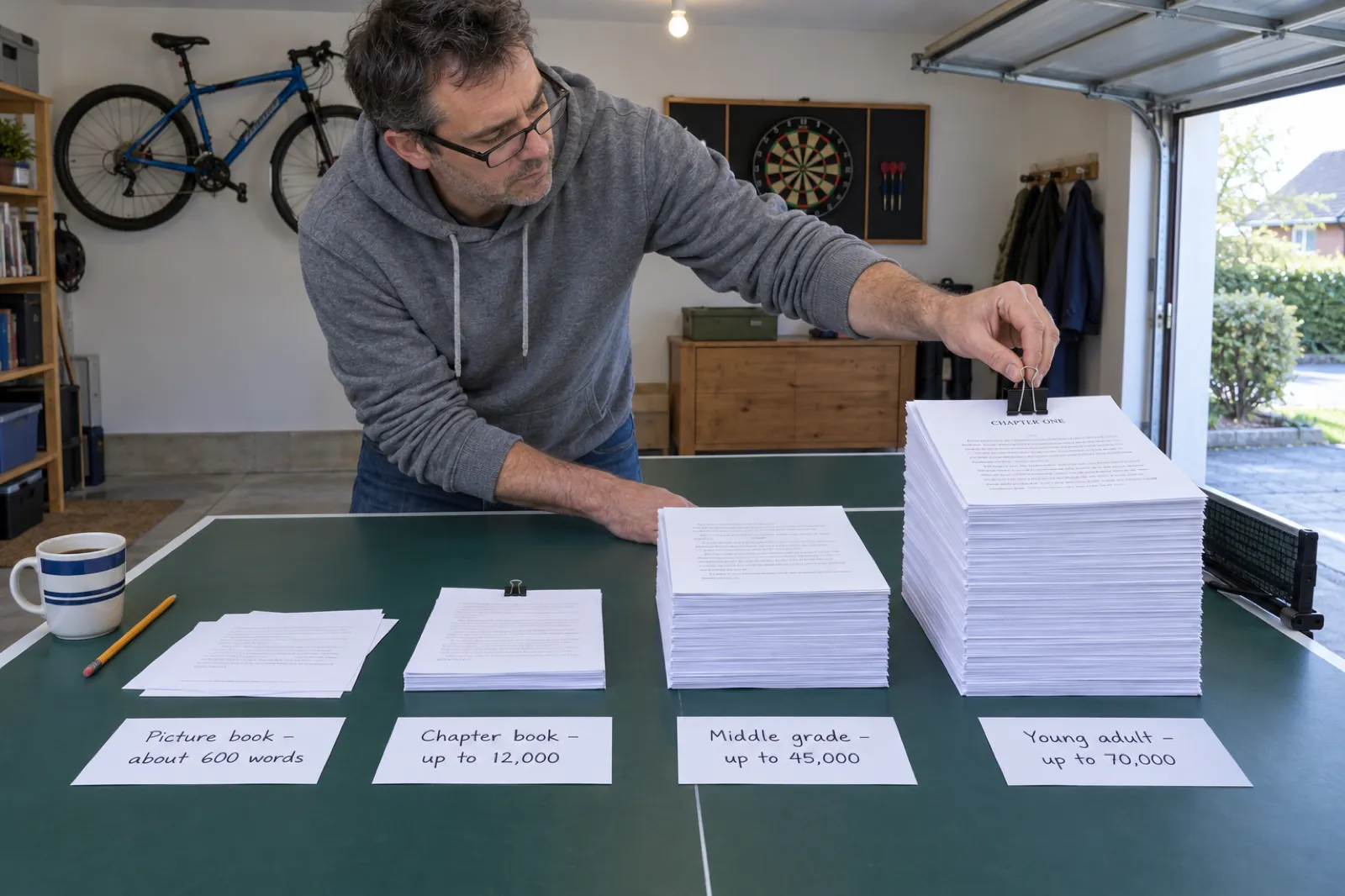
Young adult: 55,000 to 80,000 words
Young adult is outside "children's books" for most shelves, but it is the next step and parents often ask. Sambuchino gives 55,000 to 79,999 as "a great range", says going into the 80,000s needs "a reason", and would not drop much below about 47,000. Albert Whitman accepts up to 70,000. Good Story Company gives 60,000 to 80,000, with up to 85,000 for contemporary, humour, mystery, historical and romance and 95,000 for fantasy, science fiction and paranormal. Our kids' stories for readers 13 and up came out at a median of about 1,700 words a chapter, so a 60,000-word book is about 36 chapters as written.
Start a chapter book or a kids' story
Choose Kids story, give the reader's age, and set the chapter count. The free plan writes your first 5 chapters and exports a PDF; Creator writes 35 chapters a month and unlocks the KDP package.
Write a kids' storyHow to plan your book's length in five steps
- Fix the reader's age first. Age decides the format, and the format decides the budget. Ages 4 to 8 and 6 to 10 differ by nearly double the words per page.
- Pick the format and its budget from the table at the top, and note the safe target.
- Set the pages or chapters. Picture books: how many story moments (most land on 12 to 16), on one page each or across two. Chapter books: a chapter a child finishes in one sitting, then divide.
- Budget each page, then vary it. Average the words across pages, then make some pages single lines and give the action and the biggest feeling the most room.
- Check the printed page count with front and back matter, rounded up to even, against KDP's 24-page minimum or your printer's rules. Fill gaps with real pages before blanks.
The calculator above does steps 2 to 5 in one go.
How Inkfluence AI handles length
Inkfluence AI is the tool we recommend for picture books and children's stories, because length is built into how it writes. What it does and where its limits are, checked in our product on 13 October 2026:
- Picture books size every page to the age band. Say the reader's age in your idea ("for ages 2 to 5") and each page is written to that band's budget: a page runs from a short line up to about 30 words for ages 2 to 5, about 70 for ages 4 to 8, and about 120 for ages 6 to 10. With no age given, the book is written for ages 4 to 8.
- Pages are planned with a rhythm. When the story is outlined, each page is given a length (a single line, two or three short lines, or a fuller moment) and an opening move (a sound, a line of dialogue, the action, the setting, a question to the listener, or a jump in time), so the book mixes short and long pages and does not open every page on the hero's name.
- Page counts per format. Story picture books are 10 to 16 pages (14 recommended), ABC and counting books up to 26 (one letter or number per page), and colouring books 12 to 40 (20 recommended). Each page is one picture with its words and prints as one page.
- KDP's 24-page minimum is handled. The KDP export counts the printed pages of a picture book and, if it is under 24, adds blank pages within KDP's limits (up to 10 at the end and up to 4 before the first story page). The Export window tells you how many before you export, and suggests adding pages for a fuller book.
- Editing is ordinary editing. Each picture-book page is a chapter in the editor. Rewrite it, use Shorten or Expand from the quick actions, or add a page for a dedication or a note to grown-ups.
Limits, so you can plan around them: picture books need a paid plan or a credit pack (Creator's 20 illustrations a month cover a 14-page book; Premium has 50; without a plan, a picture book costs 2 credits a page, so 14 pages is 28 credits). There is no board-book format and no hardcover cover wrap. The free plan exports PDF only, with a footer credit. Chapters for readers 12 and under are short, as above. Prices: Creator $9.99 a month, Premium $19.99 a month, credit packs from $9.99 for 15. Full details on the pricing page.
Also see the AI children's book creator, the AI storybook generator, the personalised children's book maker, and gift pages for a personalised Christmas book or a book for grandparents. Click-by-click: how to create an illustrated picture book and the picture book video guide.
Make a children's book the right length
Pick the format, give the age, set the pages. Inkfluence writes to the budget, paints every page and builds the KDP package.
Start your bookCommon length mistakes, and the fix
- Writing a picture book like a short story. 1,500 words of prose with "pictures to come" is a short story. Cut what the art shows, and aim for 500 to 600 words for ages 4 to 8.
- Forgetting front matter counts as pages. On KDP, the title and copyright pages are pages. A 14-page story prints as 16 with them, still 8 short of 24.
- Padding to 24 with blanks only. KDP allows at most 4 blank pages in a row at the start or middle and 10 at the end. A dedication, a note for grown-ups and discussion questions are better than blanks.
- Calling a cut-down picture book an early reader. Early readers are about reading level, not length. Control the vocabulary and sentence length, not just the word count.
- Middle grade at chapter-book length. 12,000 words is a long chapter book and a very short middle grade novel. Aim for 25,000 to 45,000 for middle grade.
Selling the finished book is its own topic: how to sell children's books covers stores, pricing and school fairs, and children's book illustration cost covers what the pictures cost by route. If AI made the words or pictures, read Amazon KDP's AI disclosure policy before you upload. For more numbers on AI-made books in general, see our AI book writing statistics.
Frequently asked questions
How many words should a children's book have?
It depends on the age and format. Board books run up to about 100 words, picture books 500 to 600 (1,000 at most at Albert Whitman and Nobrow), early readers 1,200 to 1,500, chapter books about 3,000 to 20,000, middle grade 20,000 to 55,000 and young adult 55,000 to 80,000. Sources: Writer's Digest, Good Story Company, Albert Whitman and Nobrow.
How many words are in a picture book?
Aim for 500 to 600 words for ages 4 to 8 (Writer's Digest; Good Story Company puts the maximum at 600). Albert Whitman and Nobrow accept up to 1,000. On Inkfluence, story picture books for ages 4 to 8 came out at a median of 395 words over 14 pages.
How many pages is a children's picture book?
Trade picture books are usually 32 printed pages (Writer's Digest and Good Story Company call text for 32 pages the standard; Nobrow accepts 24 or 32). On Amazon KDP the paperback minimum is 24 pages with an even count, and every page counts, including the title and copyright pages.
How many words per page in a children's book?
In a picture book, one to four short lines. On Inkfluence the median page held 20 words for ages 2 to 5, 28 for ages 4 to 8 and 47 for ages 6 to 10 (English story books, 29 Aug to 12 Oct 2026).
How long is a chapter book?
About 3,000 to 12,000 words according to editor Mary Kole (2021), or 5,000 to 20,000 depending on grade and reading level according to Good Story Company (2022). Scholastic describes its early chapter books as for ages 5 to 8, kindergarten to third grade.
How many words is a middle grade novel?
Writer's Digest gives 20,000 to 55,000 words, Albert Whitman accepts up to 35,000, and Good Story Company puts contemporary middle grade at 45,000 at most and fantasy or adventure at 65,000. A safe target for a first middle grade book is 25,000 to 45,000 words.
How many words should a board book have?
Up to about 100 words (Good Story Company, 2022); Mary Kole gives 0 to 200 at most. Many board books have a single word or line per page.
What is the minimum page count for a children's book on KDP?
A KDP paperback needs at least 24 pages in black or premium colour ink, and the count is rounded up to an even number. Standard colour needs 72 pages and hardcovers need 75, so a picture book is a premium colour paperback on KDP. KDP does not print board books.
How many words should a book for a 3-year-old have?
Under 400 words (Good Story Company's limit for early picture books). Books for ages 2 to 5 on Inkfluence came out at a median of 284 words, 20 a page. For under-3s, a board book of up to about 100 words fits better.
Does a children's book word count include back matter?
For non-fiction picture books, yes: Mary Kole counts resource guides and sidebars toward the 1,200 to 1,500 word total. Title, copyright and dedication pages are not counted as words, but on KDP they do count as pages toward the 24-page minimum.
Sources
Every external fact on this page was read on the source below on 13 October 2026; the date in brackets is the date the source itself carries. Inkfluence AI facts were checked in our product code, and our usage figures read from our own records, the same day.
- Albert Whitman & Company: Submission Guidelines for Unrepresented Authors (picture books up to 1,000 words, middle grade up to 35,000, young adult up to 70,000; undated page, footer 2026), checked 13 Oct 2026
- Nobrow: Submissions (picture books of 24 or 32 pages, about 500 words, 1,000 maximum; undated page, footer 2026), checked 13 Oct 2026
- Charlesbridge: Submissions (middle grade for ages 8 to 12; complete manuscript for picture books under 30 manuscript pages; page 2026), checked 13 Oct 2026
- Chuck Sambuchino, Writer's Digest: Word Count for Novels and Children's Books: The Definitive Post (25 Oct 2016), checked 13 Oct 2026
- Mary Kole, Good Story Company: Manuscript Length (8 Dec 2021), checked 13 Oct 2026
- Good Story Company: How Long Should a Book Be? (15 May 2022), checked 13 Oct 2026
- Good Story Company: Writing Irresistible Picture Books workshop, Mary Kole (workshop 22 Oct 2026; "the average picture book is only 600 words long"), checked 13 Oct 2026
- Scholastic Parents: Boost Your Child's Early Reading Skills With Branches Books (7 Oct 2024; early chapter books, ages 5 to 8, kindergarten to third grade), checked 13 Oct 2026
- PrintNinja: Board Book Binding (typically 10 to 28 pages, increments of 2; updated 28 Apr 2026), checked 13 Oct 2026
- KDP: Print Options (paperback and hardcover formats; paperback minimum 24 pages for black and premium colour, 72 for standard colour; hardcover minimum 75), checked 13 Oct 2026
- KDP: Fix Paperback and Hardcover Formatting Issues (page count rounded up to even; at most 4 consecutive blank pages at the start or middle and 10 at the end), checked 13 Oct 2026
- KDP: Paperback Printing Cost (Amazon.com premium colour, 24 to 40 pages: $3.60 regular trim, $4.20 large trim), checked 13 Oct 2026
Related reading
- Best AI Children's Book Creators
- AI Picture Book Maker and AI Children's Book Illustrator
- AI Chapter Book Generator
- How to Self-Publish a Children's Book on Amazon KDP (2026)
- How to Plan a Children's Book with AI
- How to Make a Children's Picture Book with AI
- Children's Book Illustration Cost in 2026
- KDP Trim Sizes: Which Size for Which Book
- Book Copyright Page Template
- How to Make a Coloring Book with AI
- Free AI Children's Book Generator
- How to Sell Children's Books

Founder, Inkfluence AI
Sam is the founder of Inkfluence AI. He built the platform to make book creation accessible to everyone - from first-time authors to seasoned publishers.
Helpful links
Ready to Create Your Own Ebook?
Start writing with AI-powered tools, professional templates, and multi-format export.
Get Started FreeRelated Articles
 Publishing
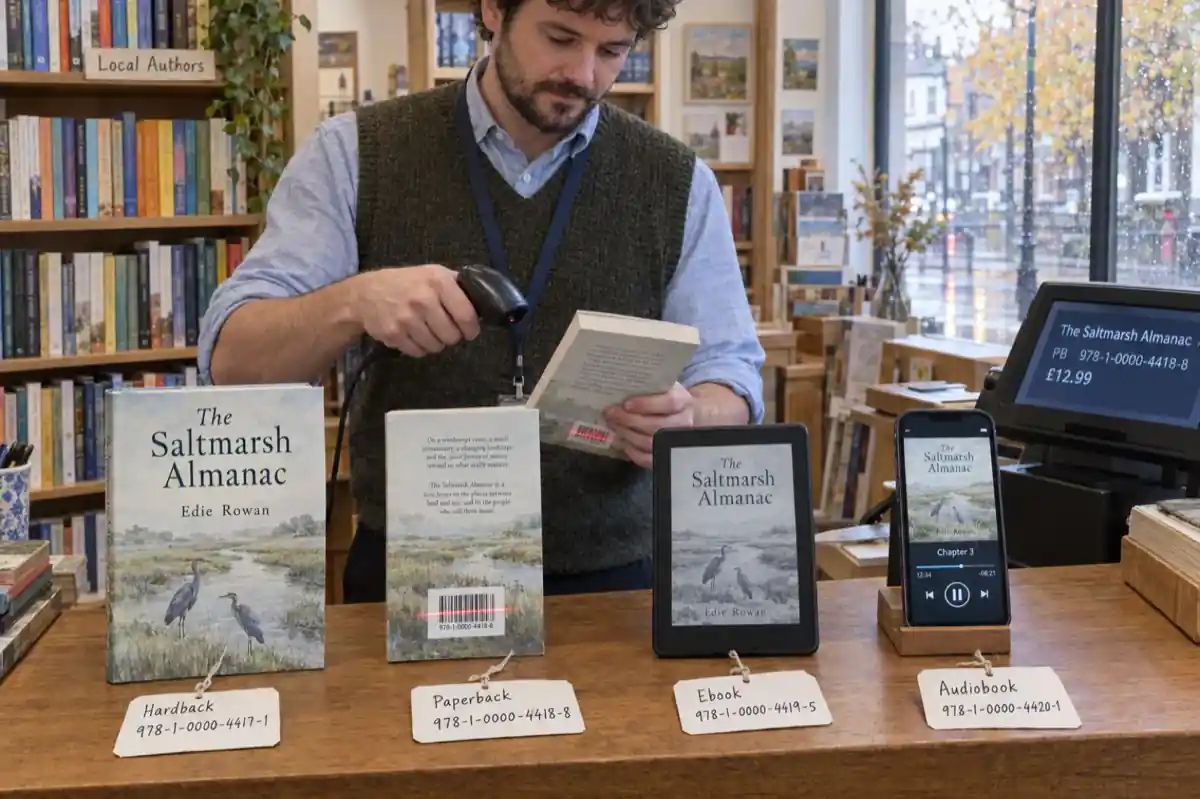
 Do You Need an ISBN? Free vs Bought, Cost by Country, and Which Formats Need One (2026)
When a self-published book needs an ISBN and when it does not, what one costs in the US, UK, Canada, Australia, New Zealand, India, Germany, Italy and France (checked at each agency on 13 October 2026), free ISBNs from KDP, IngramSpark and Draft2Digital, and a picker that tells you how many you need.
 Publishing
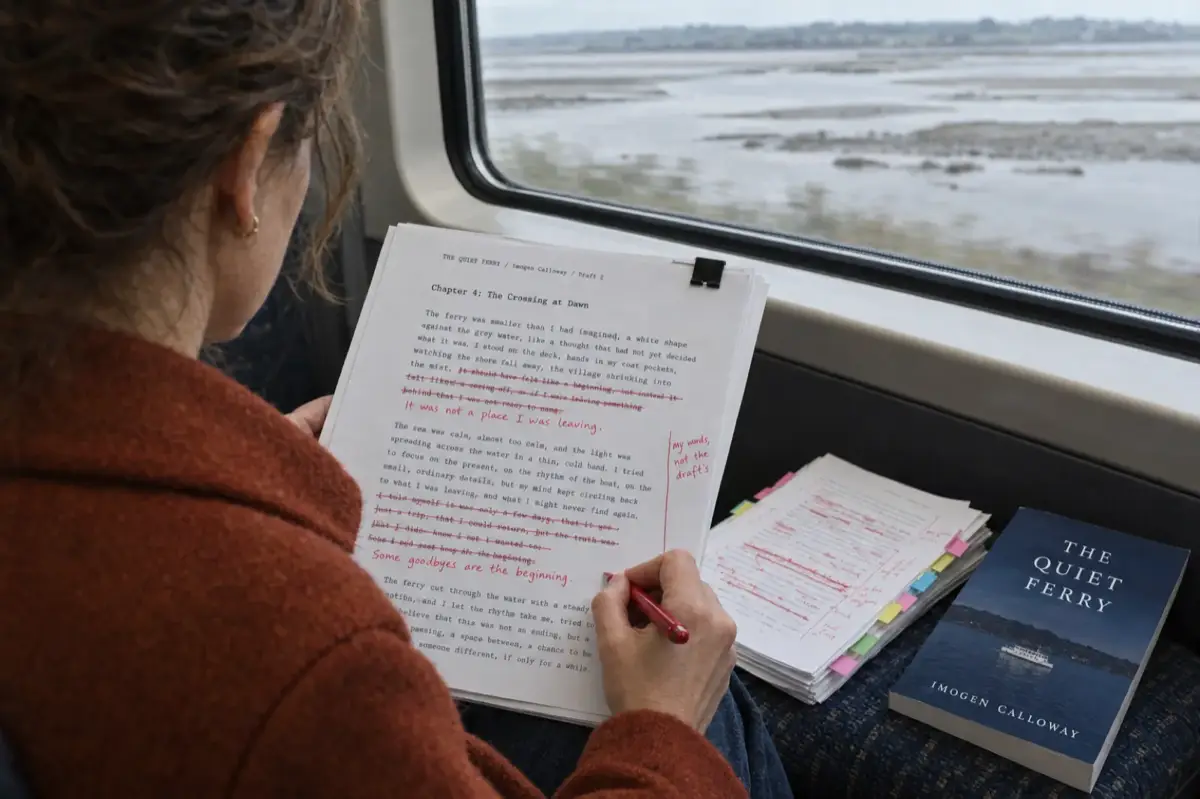
 IngramSpark AI Policy (2026): What It Accepts, the Setup Question and the "Assisted By" Credit
IngramSpark accepts AI-drafted books with significant human editing and the "Assisted By - Generative AI" credit, and refuses works created solely with generative AI. Its exact wording, covers and translations, how it differs from KDP, a checker for your book, and an editing workflow.
 Publishing
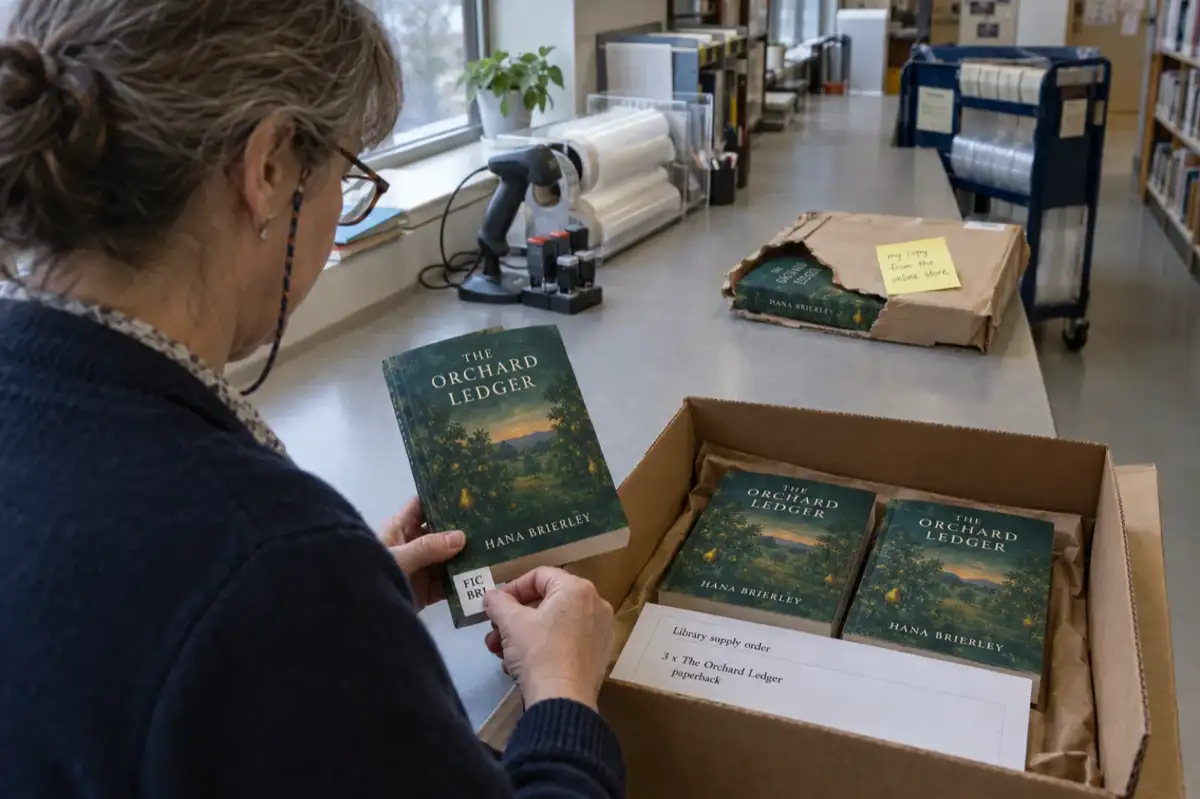
 IngramSpark vs KDP (2026): Fees, Print Quality, Distribution, and Whether to Use Both
IngramSpark vs Amazon KDP compared on 2026 fees, print cost per copy for real trim sizes, earnings per sale, distribution, paper and binding options, and file specs, with a per-copy earnings calculator and the setup for using both with one ISBN.
Get ebook tips in your inbox
Join creators getting weekly strategies for writing, marketing, and selling ebooks.