
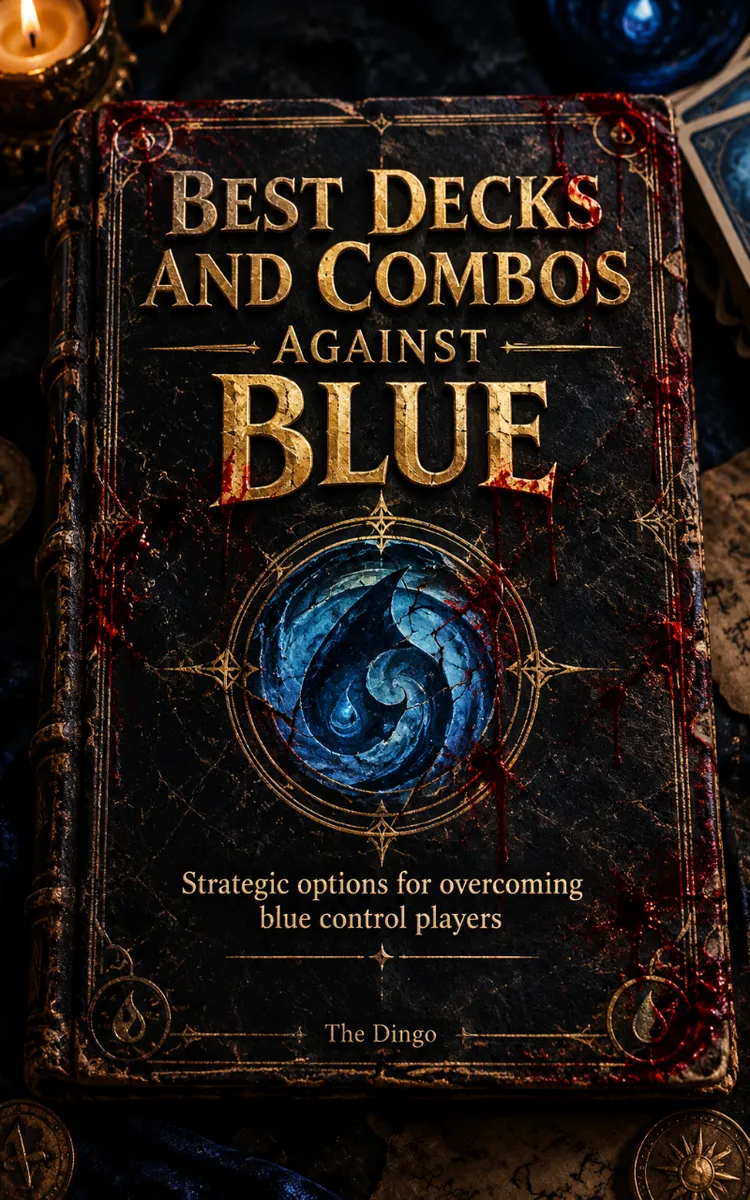
Read the first chapter
The whole of chapter one, free. About 4 min. Turn the pages with the arrows, your keyboard, or a swipe.
Chapter 1
Red Aggro: Win Before the Counterspell
Overview
A blue control deck is strongest after it has enough mana to hold up a counterspell and enough time to turn the corner. Red aggro attacks that window immediately: deploy threats on turns one and two, force inefficient answers, and finish the game before card draw and sweepers matter. The five items below cover the core opening plays that make blue spend every early turn reacting.
The Breakdown
#1: Lead with a One-Mana Threat
Problem: If your first meaningful spell costs two or three mana, the blue player may spend the early turns developing safely. By the time you attack, they can leave two mana open for a counterspell such as Counterspell or Make Disappear, making your best threat much harder to resolve.
Solution: Start with a one-mana creature whenever possible: Monastery Swiftspear, Phoenix Chick, Goblin Guide, or a comparable threat in your format. Play it before your opponent can establish a stable defense, then follow with another cheap creature rather than waiting to cast one large spell. Ask yourself whether your opening hand can present at least two threats by turn two; if it cannot, consider a mulligan.
Result: The blue player must answer a creature immediately or lose several points of life before their control plan begins. Your later spells also become better because the first threat has already forced them to spend mana.
#2: Curve Under Their Counterspell
Problem: A hand built around four- and five-mana threats gives a blue deck too much time to keep mana open. You may spend a full turn casting one spell, only to lose it to a counterspell while the opponent loses no board presence.
Solution: Build the early curve around spells costing one and two mana, with only a small number of three-mana finishers. On turn two, prefer casting two one-mana spells if that develops more damage than one expensive play. If you have a choice, lead with the less important threat first; make the blue player decide whether to counter it before you commit your stronger card.
Result: Counterspells become awkward instead of dominant. Even when one spell is stopped, the remaining threat continues attacking, and the blue player cannot trade one card for your entire turn.
#3: Use Haste to Punish Tapped-Out Turns
Problem: Blue decks often rely on a narrow timing window. If the opponent taps out for card draw, a planeswalker, or a removal spell, a creature without haste may not attack until the following turn - giving them time to recover.
Solution: Include haste threats such as *Kumano Faces Kakkazan*’s transformed creature, Feldon, Ronom Excavator, or other format-legal creatures that can attack immediately. Track the opponent’s available mana before casting your spell. When they tap below the amount needed for their usual counterspell, deploy haste damage or a burn spell that ends the game before they can untap.
Result: Tapping out becomes dangerous for the control player. A single three- or four-point haste attack can turn a safe-looking turn into a lethal race, especially after two early attacks have already connected.
#4: Make Burn Finish the Game, Not Start It
Problem: Casting burn at the opponent’s face on turn one can leave your board empty and your hand short on threats. Blue decks are comfortable trading life for time if that time lets them draw cards and stabilize behind a blocker or sweeper.
Solution: Use burn such as Lightning Strike or Play with Fire to clear a blocker when that removal creates an attack, or save it for the final points after creatures have reduced the opponent to roughly five or six life. Count damage before acting: include current attackers, haste damage, landfall or prowess triggers, and the burn in your hand. Avoid spending your last burn spell early unless it prevents a major swing or removes the only creature stopping lethal damage.
Result: Every burn spell either increases the damage your creatures deal or closes the game immediately. The blue player gets fewer turns to draw a sweeper, and life gain becomes much less effective because you retain reach from the stack.
#5: Protect the Attack with Threat Density
Problem: Red decks sometimes empty their hand on one spectacular turn and lose everything to a single sweeper such as Supreme Verdict or Brotherhood’s End. Against blue control, overcommitting can turn a winning board into an empty one while the opponent draws three or four cards to rebuild.
Solution: Apply enough pressure to force an answer, but keep one or two threats in reserve. For example, attack with three creatures when that makes the opponent fall to six life, then hold a creature and a burn spell rather than casting every card. After a sweeper, reload with the threat that costs the least mana first, and avoid placing your entire hand onto the battlefield unless the extra damage produces lethal.
Result: The blue player must answer your current board without receiving a free recovery turn afterward. You preserve a second wave, making their sweeper a delay instead of a complete reset.
What Comes Next
These five openings turn red’s speed into a direct attack on blue’s early mana: cheap threats, haste, disciplined burn, and careful commitment. The next chapter shifts from pressure to disruption, examining how discard and hand attack remove the exact counterspell or sweeper the blue player is waiting to cast.
End of chapter one. 9 more chapters and about 9,504 words in the full book.
Swipe or use the arrows to turn the page


What's inside: 10 chapters
- 1. Red Aggro: Win Before the Counterspell
- 2. Cavern of Souls and Uncounterable Creatures
- 3. Discard and Hand Disruption
- 4. Taxing Spells and Overloading Counters
- 5. Graveyard Recursion and Resilient Threats
- 6. Artifacts and Enchantments Blue Struggles to Answer
- 7. Green Ramp and Oversized Threats
- 8. Combo Decks That Punish Holding Up Mana
- 9. Redundant Threats and Go-Wide Pressure
- 10. Sideboarding and Matchup-Specific Finishing Plans
About this book
"Best Decks And Combos Against Blue" is a list book by The Dingo with 10 chapters and approximately 9,504 words. Magic: The Gathering decks and combos for countering blue strategies.
This book was created using Inkfluence AI, an AI-powered book generation platform that helps authors write, design, and publish complete books.
Frequently Asked Questions
What is "Best Decks And Combos Against Blue" about?
Magic: The Gathering decks and combos for countering blue strategies
How many chapters are in "Best Decks And Combos Against Blue"?
The book contains 10 chapters and approximately 9,504 words. Topics covered include Red Aggro: Win Before the Counterspell, Cavern of Souls and Uncounterable Creatures, Discard and Hand Disruption, Taxing Spells and Overloading Counters, and more.
Who wrote "Best Decks And Combos Against Blue"?
This book was written by The Dingo and created using Inkfluence AI, an AI book generation platform that helps authors write, design, and publish books.
Write your own list book with AI
Describe your idea and Inkfluence writes the whole thing. Free to start.
Start writingCreated with Inkfluence AI


