
Free AI Novel Writers in 2026: What Actually Lets You Finish a Book
No AI novel writer is truly unlimited and free, but several free tiers are generous enough to draft a full novel. Here is which tools to use, where the real limits sit, and the workflow that beats burning through generations.
Quick Answer
No AI novel writer is genuinely unlimited on a free plan. The ones that come closest in 2026 are Inkfluence AI (5 chapters per month, every month, with full continuity, story bible and PDF export, no credit card), NovelAI's free tier (limited token budget per day, suited to scene drafting), and ChatGPT's free tier (good for brainstorming, weak on continuity). The faster path to a finished free novel is to pick one tool, plan your chapters before you generate them, and keep regenerations focused on the chapters that need them.
Most search results for free AI novel writers in 2026 are either a thin wrapper around the same chat model or a paywall pretending to be free. This post is the honest version: which free tiers are actually large enough to finish a draft, where each one stops being useful, and the planning pattern that lets you stretch any of them to a full novel.
What "free" actually means in AI fiction tools
The word "free" is doing different work on every landing page you find. Three patterns dominate:
- Free chapters per month, capped. A specific quota (commonly 3-5 chapters) refreshes monthly. The first month covers a novel's opening chapters; a full novel of 20 to 30 chapters takes four to six months at that pace. Inkfluence AI's free tier is this pattern (5 chapters to start, then 5 more each month).
- Free token budget, daily. A token cap that resets each day. Useful for one or two scenes per session, frustrating for finishing a 60,000-word draft. NovelAI's free trial and most BYOK platforms with introductory credit work this way.
- Free chat with no fiction features. Unlimited chat turns but no chapter management, story bible, or export. ChatGPT and Claude free tiers fall here.
For finishing a complete novel, the first pattern is the only one that scales. The second works if you are drafting one scene per day and have months to spare. The third needs you to build the continuity layer yourself, which most writers do not have the patience for past chapter three.
Free AI novel writers worth using in 2026
The shortlist that survives a real test:
Inkfluence AI (free plan)
5 chapters per month forever, no credit card. Includes story bible, character continuity, PDF export (EPUB on paid plans or with credits), and a fiction-tuned blueprint. Best fit for writers who want to draft a real book without managing models or API keys. Open the novel writer.
ChatGPT (free tier)
Generous chat allowance, no fiction-specific tooling. Strong for brainstorming, scene drafting, and dialogue. You will be doing the continuity work yourself. Pairs well with a separate document for your story bible.
NovelAI (free trial)
Limited daily tokens with a focused fiction interface. Better for scene-by-scene drafting than full-novel completion. Good if your novel is in a niche genre that NovelAI's lore tools support.
Claude (free tier)
Strong prose quality, lower message limits than ChatGPT. Best for editing and rewriting passes rather than first-draft generation. Useful as a second-pass tool on chapters drafted elsewhere.
If you want a deeper comparison of the underlying models behind these tools and how they score on prose, plot, and continuity, see our head-to-head test of AI models for novel writing. For the broader tool roundup including paid options, see our best AI novel writers in 2026.
A free-tier workflow that finishes novels
The single biggest failure mode on a free plan is using your generations on chapters that are not ready to be written. Two principles fix that.
1. Plan the whole book before you generate any of it
Sit with a notebook for an hour. Write down the protagonist's goal, central conflict, the antagonist or opposing force, and the ending direction. List every chapter with one sentence describing what changes by its end. If a chapter does not change anything, delete it. The novel that comes out of a free plan is the one whose outline already worked on paper.
2. Generate in arc order, not chapter order
Counterintuitive but effective: generate chapter 1, then jump to your climax (often chapter 8-10 of 12), then come back to fill the middle. The middle chapters are easier to write once you know exactly where they are heading. This also means a regenerated middle chapter does not break the climax you have already locked in.
90-second continuity checklist
Run this before you regenerate any chapter. Most regenerations are wasted because the writer is fixing prose when the underlying problem is structural.
- Are character names and physical traits consistent with chapter 1?
- Does the timeline contradict any earlier event?
- Does this chapter advance the central conflict, or just add words?
- Does the end of the chapter pull the reader into the next one?
If you answered yes-yes-yes-yes, the chapter is fine. Do not regenerate. Edit by hand instead.
3. Edit by hand before you regenerate
A free plan rewards manual editing. If a paragraph is weak, rewrite the paragraph. If a sentence is clunky, rewrite the sentence. Reserve regenerations for chapters where the structure itself is wrong. This single discipline is the difference between finishing a novel on a free tier and running out of credits in week two.
Prompt patterns that get more out of fewer generations
Vague prompts produce vague chapters and force regenerations. Constrained prompts produce usable chapters on the first try. The pattern that works for fiction:
Chapter generation prompt template
"Write Chapter [N] in [GENRE]. POV: [CHARACTER]. Chapter goal: [GOAL]. Conflict beat: [CONFLICT]. Required callback to earlier chapter: [CALLBACK]. End with [CLIFFHANGER TYPE]. Tone: cinematic, scene-led, dialogue-driven. No summary voice, no chapter recap."
The "no summary voice, no chapter recap" line saves more regenerations than any other instruction. Untuned models default to a summary cadence that reads like a book report. Forbidding it forces them to write actual scenes.
Rewrite prompt template (use instead of regenerating)
"Rewrite this chapter to increase tension and dialogue quality. Keep all plot facts unchanged. Preserve named entities, locations, and timeline references. Reduce repetitive exposition. Lead with character action, not setting description."
A rewrite prompt costs the same as a regeneration but preserves the parts that already work. On a free plan this is structurally cheaper because you are less likely to need a second pass.
When the free tier stops being enough
Free plans are sized for one project at a time. The honest moments to consider paying:
- You have validated the workflow. Your free chapters came out usable, you edited them, and you can see the path to the finished book. At this point a paid plan unlocks the rest of the chapters in one sitting instead of waiting for next month's quota.
- You want a cover, EPUB, or audiobook. KDP-spec covers and ACX-spec audiobook narration are the parts most BYOK and chat-only workflows do not include. Paid plans bundle them.
- You are writing a series. Series velocity is the single biggest economic argument for a flat-rate paid plan. The first book proves the workflow; books two, three, and four are where flat pricing pays for itself.
For the cost math, including hidden cover and audiobook costs, see our BYOK vs all-included cost breakdown.
Start your novel on the free plan
5 chapters per month, character continuity, PDF export. No credit card required.
FAQ
Is there a truly unlimited free AI novel writer?
Can I write a complete novel using only free AI tools?
Is ChatGPT enough to write a novel?
Can I export a free-tier novel to EPUB or sell it on KDP?
What is the difference between free trials and free plans?
Can I turn my finished novel draft into an audiobook?
What to read next
Best AI Models for Novel Writing 2026
GPT-5, Claude Opus 4.7, Sonnet 4.5, Gemini 2.5 Pro, GPT-4o tested across 5 genres with real prose, plot, and continuity scores.
Can AI Write a Novel?
An honest look at what AI can and cannot do for full-length fiction and the realistic workflow.
Best AI Tools for Long Novels
Tools that handle 70,000+ word books with continuity, beyond what free chat tools can manage.
BYOK vs All-Included: The Real Cost
When the free plan stops being enough and what it costs to finish a book on raw API vs a flat-rate tool.

Founder, Inkfluence AI
Sam is the founder of Inkfluence AI. He built the platform to make book creation accessible to everyone - from first-time authors to seasoned publishers.
Helpful links
Ready to Create Your Own Ebook?
Start writing with AI-powered tools, professional templates, and multi-format export.
Get Started FreeRelated Articles
 AI Writing
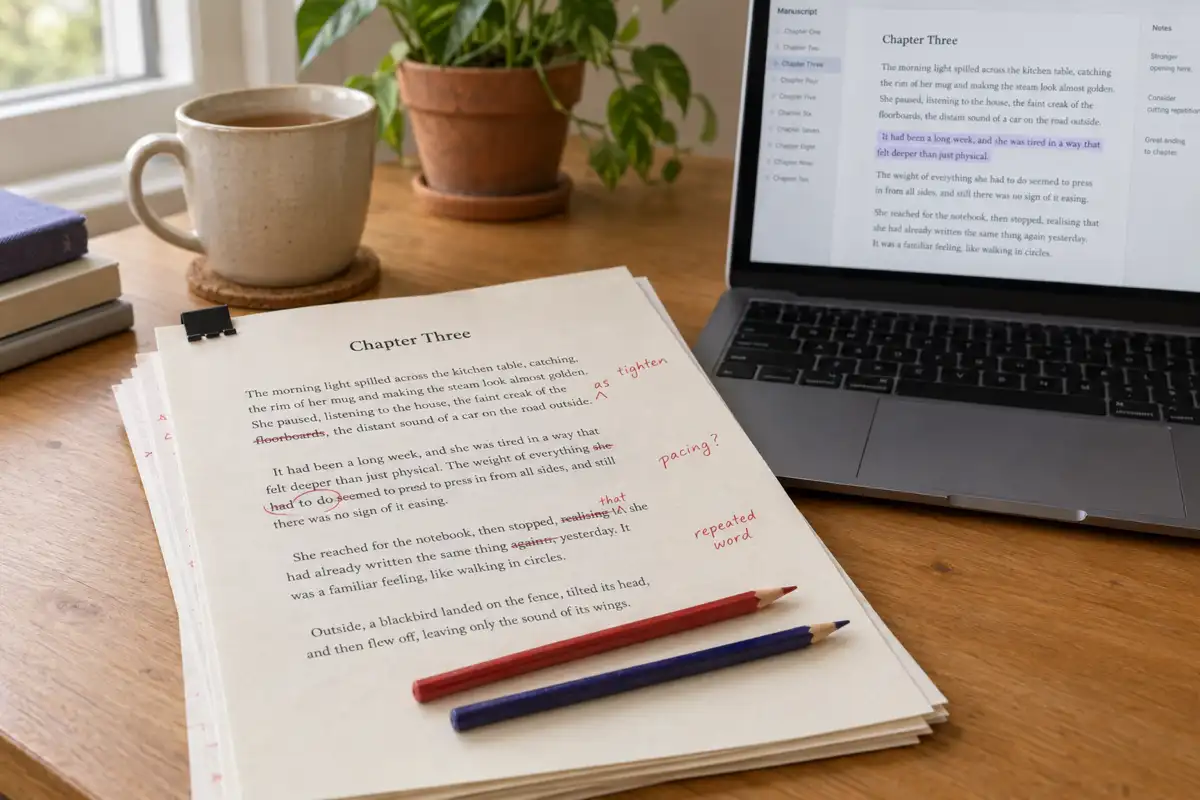
 Best AI for Editing a Book (2026): 9 Tools Compared by Editing Job
Which AI should edit your manuscript? We compare ProWritingAid, Grammarly, AutoCrit, Sudowrite, Novelcrafter, ChatGPT, Claude, the free checks in Google Docs and Word, and Inkfluence AI by the job each does best: grammar, line editing, story feedback, or editing and publishing in one place. Prices checked 2 October 2026.
 AI Writing
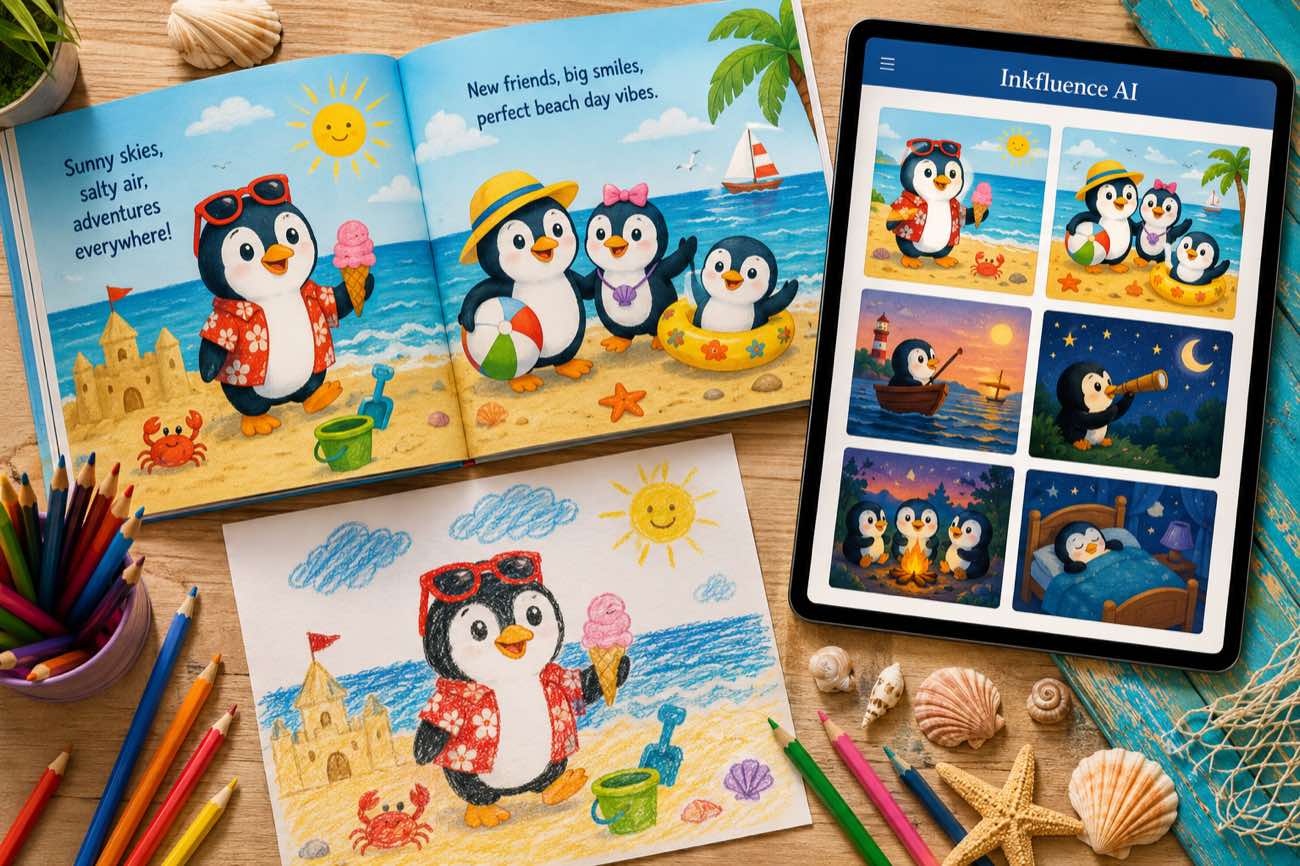
 How to Make a Children's Picture Book with AI: Idea to Printed Book in a Day
The complete 2026 workflow for making a fully illustrated children's picture book with AI: age-band word counts, page planning, consistent characters, cover design, and publishing it on Amazon KDP with the right disclosure.
 AI Writing
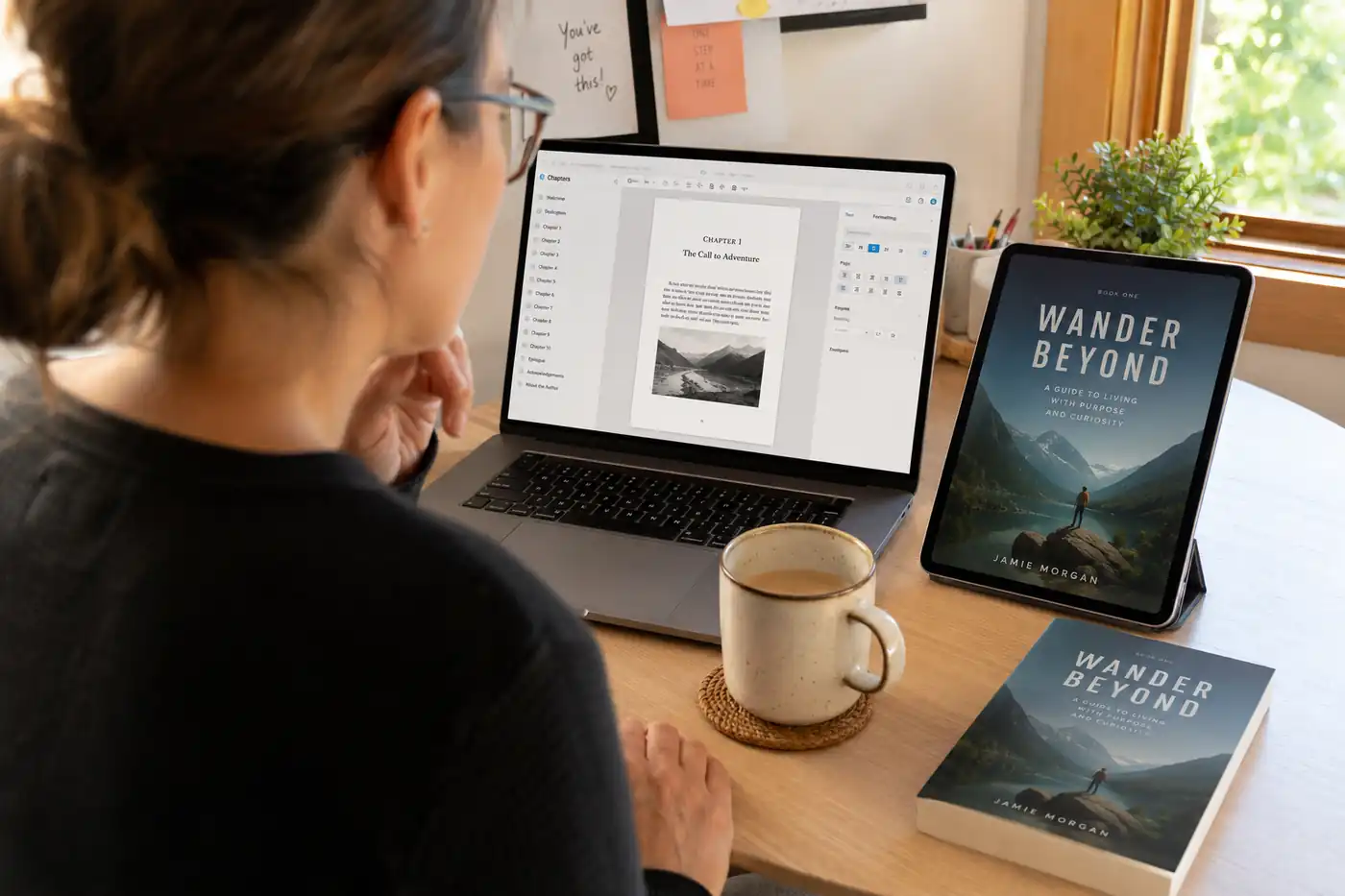
 The 9 Best Ebook Creators in 2026: AI, Formatting, and Design Tools Compared
Not every "ebook creator" does the same job. We compare the 9 best tools of 2026 across three categories: AI generators that write the book, formatting tools that typeset it, and design tools that make it beautiful, with verified pricing for each.
Get ebook tips in your inbox
Join creators getting weekly strategies for writing, marketing, and selling ebooks.