
Read the first chapter
The whole of chapter one, free. About 6 min. Turn the pages with the arrows, your keyboard, or a swipe.
Chapter 1
Recognizing Emotional Red Flags
When Care Starts Feeling Like a Test
Mara noticed the change on a Tuesday evening. Her partner had sent dozens of affectionate messages that morning - heart emojis, promises about their future, and a surprise delivery at work. By dinner, he was asking why she hadn’t replied within ten minutes. When she explained that she’d been in a meeting, his warmth vanished.
“So I’m not important now?” he asked. “After everything I do for you?”
Mara spent the rest of the night comforting him. The original question - why her phone response had become a loyalty test - disappeared beneath his hurt. She went to bed uneasy, yet still wondered whether she was being ungrateful.
That’s how emotional red flags often work. They don’t always arrive as obvious cruelty. Sometimes they arrive wrapped in flowers, concern, tears, or a convincing apology.
When does care stop feeling like care and start managing your choices?
From “Maybe I’m Too Sensitive” to Reading the Pattern
Old Belief: If someone loves me, intense attention, jealousy, hurt feelings, and emotional reactions must mean the relationship matters deeply.
New Reality: Love can be intense and still be controlling. The key question is whether the behavior respects your freedom, reality, and right to say no.
This shift matters because troubling behavior is often disguised as devotion. Love bombing may feel wonderful at first: constant messages, grand promises, fast-moving commitment, and an unusual sense that you’ve finally been chosen. The problem isn’t affection itself. The warning sign is pressure beneath it. Does the affection become a debt? Are you expected to match the same intensity? Does warmth disappear when you set a limit?
The same test helps with jealousy. “I worry because I love you” can sound caring, but repeated demands for passwords, updates, or proof of loyalty turn concern into monitoring. A partner who feels insecure can talk about it without making you responsible for preventing every uncomfortable feeling.
Look at what happens after you speak honestly. If you say, “I need an evening alone,” does the person respect it, minimize it, punish you, or make you defend your character? Emotional safety isn’t measured only by how someone treats you when you agree. It shows up when you disappoint them.
The Emotional Signal Map: Notice What the Behavior Is Doing
The Emotional Signal Map helps you read a troubling interaction without getting lost in the other person’s explanation. Start with four questions: What happened? What did it make me doubt? What did it pressure me to do? What happened when I resisted?
Minimization shrinks your experience: “You’re making a big deal out of nothing.” Dismissal goes further by treating your concern as unworthy of attention: “I’m not discussing this.” Gaslighting attacks your grip on events: “That never happened,” even when you remember it clearly or have messages that confirm it. These behaviors can overlap, but the effect is similar - you leave the conversation questioning yourself instead of examining the behavior.
Weaponized vulnerability is different from honest openness. A person may share pain and still take responsibility for how they act. Vulnerability becomes a weapon when tears, trauma, threats of collapse, or dramatic suffering are used to stop a reasonable boundary. Emotional punishment can look like silence, withdrawal, icy behavior, sulking, or affection being withheld until you surrender. Emotional immaturity often appears as blaming, refusing repair, demanding comfort while offering none, or treating every limit as rejection.
Signs this pattern is running your life:
• You rehearse simple requests because you expect a large emotional reaction.
• You apologize for having needs, even when you haven’t done anything wrong.
• You spend more time proving your memory or loyalty than discussing the original issue.
• You change ordinary choices - clothes, friends, plans, spending, or communication - to avoid punishment.
The signal isn’t only what they say; it’s what you become responsible for managing.
Try the map today with one recent interaction. Write the exact event, not the whole relationship story. For example: “I said I wanted to visit my sister. They called me selfish, listed everything they had sacrificed, and stopped speaking to me.” Then ask what the exchange pressured you to do. If the answer is “cancel my visit so they would be calm,” you’ve found useful information.
Questions That Bring the Pattern Into Focus
• When affection becomes intense, what is expected from me in return?
Honest answers might include, “I’m expected to reply immediately,” or, “I’m supposed to commit before I’m ready.” Affection that requires access, speed, or obedience isn’t freely given.
• What happens when I say no to a small request?
Notice whether the response is disappointment followed by respect, or anger, guilt, silence, accusations, and repeated pressure. Small boundaries can reveal more than big promises.
• Which concerns have been minimized or dismissed more than once?
Write the concern in one sentence. “I don’t like being checked on every hour” is clearer than “Something feels off.” Repetition matters because one awkward response is different from a settled pattern.
• Have I been asked to comfort someone who hurt me before my hurt was acknowledged?
That may point to weaponized vulnerability. Compassion is not the same as abandoning your own experience.
• What facts would I trust if a friend told me this story?
Include messages, dates, canceled plans, monitoring, financial pressure, and your body’s response. If you would call it controlling when a friend described it, don’t automatically rename it when it happens to you.
You don’t need to produce a courtroom case. You’re checking whether your understanding is being repeatedly bent away from what you can observe.
A Seven-Day Emotional Signal Map Challenge
Challenge: Track the Moment Before You Doubt Yourself
For the next seven days, record one emotionally charged interaction each day. Keep it brief and factual.
• Write what happened in one or two sentences.
• Name the red-flag behavior, if one appears: love bombing, minimization, dismissal, jealousy disguised as care, weaponized vulnerability, emotional punishment, gaslighting, or emotional immaturity.
• Record the pressure placed on you: explain, apologize, cancel, reassure, share access, agree, or stay silent.
• Note what happened after you held your position.
• Share at least one entry with a trusted person who helps you stay connected to reality.
Expected difficulty: Medium
You’ll know it’s working when:
• You can describe behavior without immediately defending the other person.
• You notice the difference between a feeling and a demand.
• You identify repeated patterns instead of judging isolated moments.
• You make one small choice based on your values rather than avoiding a reaction.
• You feel clearer, even if the relationship itself hasn’t changed.
If recording the pattern could put you at risk, keep no visible notes. Use a safer device, a trusted support person, or a memory method that won’t expose you. Clarity should never require careless danger.
Clarity Is a Form of Protection
Emotional red flags become easier to recognize when you track their effect on your freedom, reality, and ability to set limits.
• Love bombing can create pressure when affection is tied to speed, access, or loyalty.
• Minimization, dismissal, and gaslighting can make you doubt concerns that deserve attention.
• Jealousy disguised as care often turns insecurity into monitoring or restricted choice.
• Weaponized vulnerability, emotional punishment, and emotional immaturity can shift responsibility for another person’s behavior onto you.
The goal isn’t to label someone perfectly. It’s to stop losing yourself inside explanations that excuse repeated harm. The Emotional Signal Map gives you a steadier place to stand: what happened, what it made you doubt, what it pressured you to do, and what followed when you resisted.
Next, we’ll look at how control grows from these early emotional signals into isolation, monitoring, financial pressure, and decision-making that slowly leaves less room for your own choice.
End of chapter one. 4 more chapters and about 7,442 words in the full book.
Swipe or use the arrows to turn the page

What's inside: 5 chapters
- 1. Recognizing Emotional Red Flags
- 2. Seeing How Control Starts Small
- 3. Responding to Control Calmly
- 4. Planning a Safer Exit
- 5. Rebuilding After Emotional Control
About this book
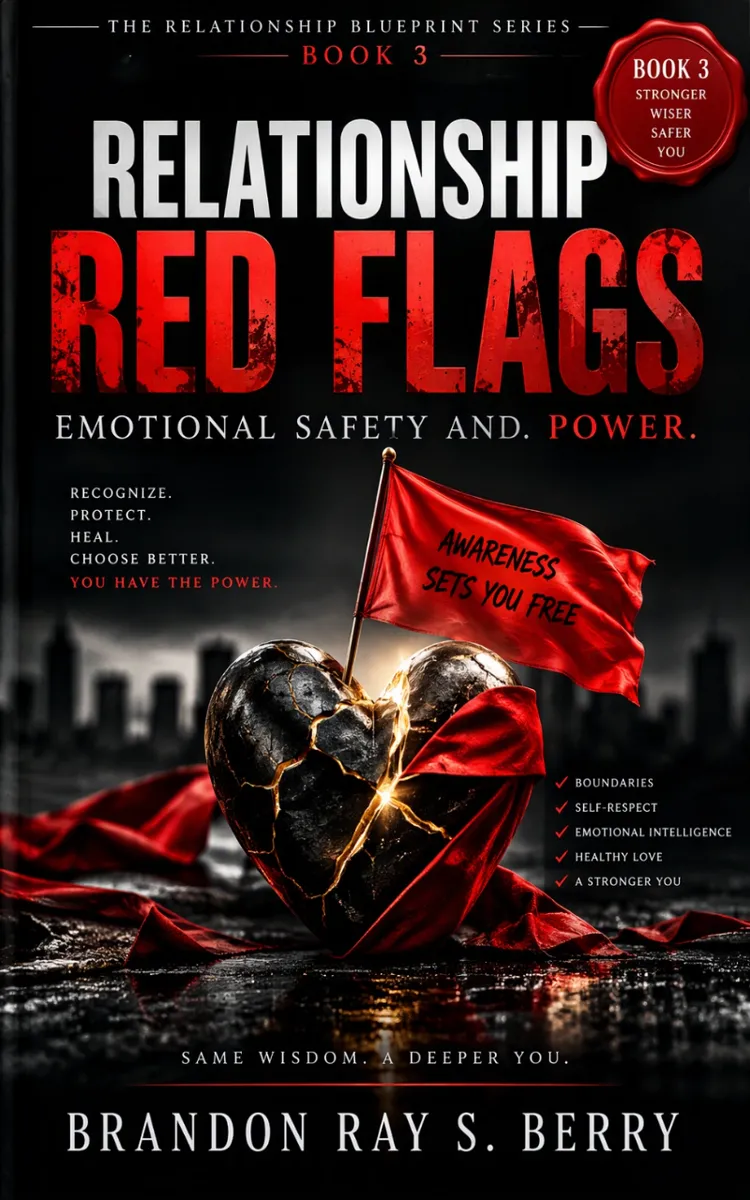
"Emotional Safety and Power" is a self-help book by Brandon with 5 chapters and approximately 7,442 words. Identify emotional manipulation and control tactics, understand their impact, and create responses and safety plans that protect your clarity, autonomy, and support..
This book was created using Inkfluence AI, an AI-powered book generation platform that helps authors write, design, and publish complete books. It was made with the AI Self-Help Book Writer.
Frequently Asked Questions
What is "Emotional Safety and Power" about?
Identify emotional manipulation and control tactics, understand their impact, and create responses and safety plans that protect your clarity, autonomy, and support.
How many chapters are in "Emotional Safety and Power"?
The book contains 5 chapters and approximately 7,442 words. Topics covered include Recognizing Emotional Red Flags, Seeing How Control Starts Small, Responding to Control Calmly, Planning a Safer Exit, and more.
Who wrote "Emotional Safety and Power"?
This book was written by Brandon and created using Inkfluence AI, an AI book generation platform that helps authors write, design, and publish books.
How can I create a similar self-help book?
You can create your own self-help book using Inkfluence AI. Describe your idea, choose your style, and the AI writes the full book for you. It's free to start.
Write your own self-help book with AI
Describe your idea and Inkfluence writes the whole thing. Free to start.
Start writingCreated with Inkfluence AI


