
Read the first chapter
The whole of chapter one, free. About 8 min. Turn the pages with the arrows, your keyboard, or a swipe.
Chapter 1
Building a Balanced Plate
On a night shift, Nora learned the hard way that “eating whatever’s fast” doesn’t just feel off - it shows up later as low energy and a snack-craving spiral. After a few weeks of grabbing vending-machine bites and skipping real meals, she started dreading the hour after her break. By the time she got home, she’d be hungry again, reaching for sugary carbs even though she’d technically eaten.
What changed wasn’t willpower - it was plate structure. When she used a simple template to build meals around energy, micronutrients, and satiety, her cravings softened and her focus improved through the shift. This chapter gives you the same practical foundation: an evidence-aware way to compose your plate so meals work with your body instead of against it.
Who this is for: Anyone who wants meals that reliably keep them fueled, satisfied, and nourished - especially if you’re busy, eat on the go, or bounce between “too little” and “too much.” Key benefits: steadier energy, better micronutrient coverage, and more satisfying meals that reduce the urge to snack nonstop.
How Your Balanced Plate Supports Energy, Micronutrients, and Satiety
To build a plate that works, you need to understand what’s going on under the hood. Your body uses food in three big ways during daily life: it needs energy (calories and carbohydrates), micronutrients (vitamins and minerals), and satiety (the “I’m good” feeling that helps you stop eating). When meals are unbalanced - like mostly refined carbs with little fiber and protein - your energy can swing and hunger can come back fast.
Here’s the plain-language mechanism behind the “why”: 1. Fiber + water + plant foods slow digestion a bit. That helps you feel full longer and supports gut health. 2. Protein helps keep you satisfied by slowing stomach emptying and supporting muscle and repair. It also helps reduce the “crash” feeling some people get after carb-heavy meals. 3. Carbohydrates fuel your day and your brain. The type matters: whole-food carbs (beans, oats, brown rice, fruit, starchy vegetables) tend to digest more steadily than refined carbs (white bread, many pastries, sugary drinks). 4. Fats help with fullness and vitamin absorption. They also make meals taste satisfying, which reduces “I’ll just snack later” behavior. 5. Micronutrients come along for the ride when you include a mix of colors and food groups. Missing micronutrients doesn’t always feel dramatic day to day - but it can affect energy, recovery, and how “smooth” your appetite feels.
For Nora, the biggest shift came from changing the composition, not the calories. Her plate stopped being an accidental mix and became a deliberate mix.
A helpful way to think about it is through the Balanced Plate Compass - a compass that points your meals toward the three outcomes you want: steady energy, micronutrient coverage, and satiety. When you aim your plate consistently, your body gets what it needs more often, and hunger signals become less chaotic.
Ask yourself this quick check: after your usual meal, do you feel satisfied for about 3-4 hours - or do you start negotiating with yourself for snacks in under 90 minutes? That timing difference is often your clue that plate composition is off.
Practical takeaway for this section: If your plate has fiber, protein, and mostly whole-food carbs (plus some healthy fats), your energy and hunger signals usually become more predictable.
Practical Protocol: The Balanced Plate Compass You Can Use Tonight
Use this protocol as your “default build.” You’re not trying to make every meal perfect - you’re trying to make it reliably better than accidental. Nora started with one meal per day and built from there.
The Balanced Plate Compass build (use as a template) For your main meal, aim for these plate zones:
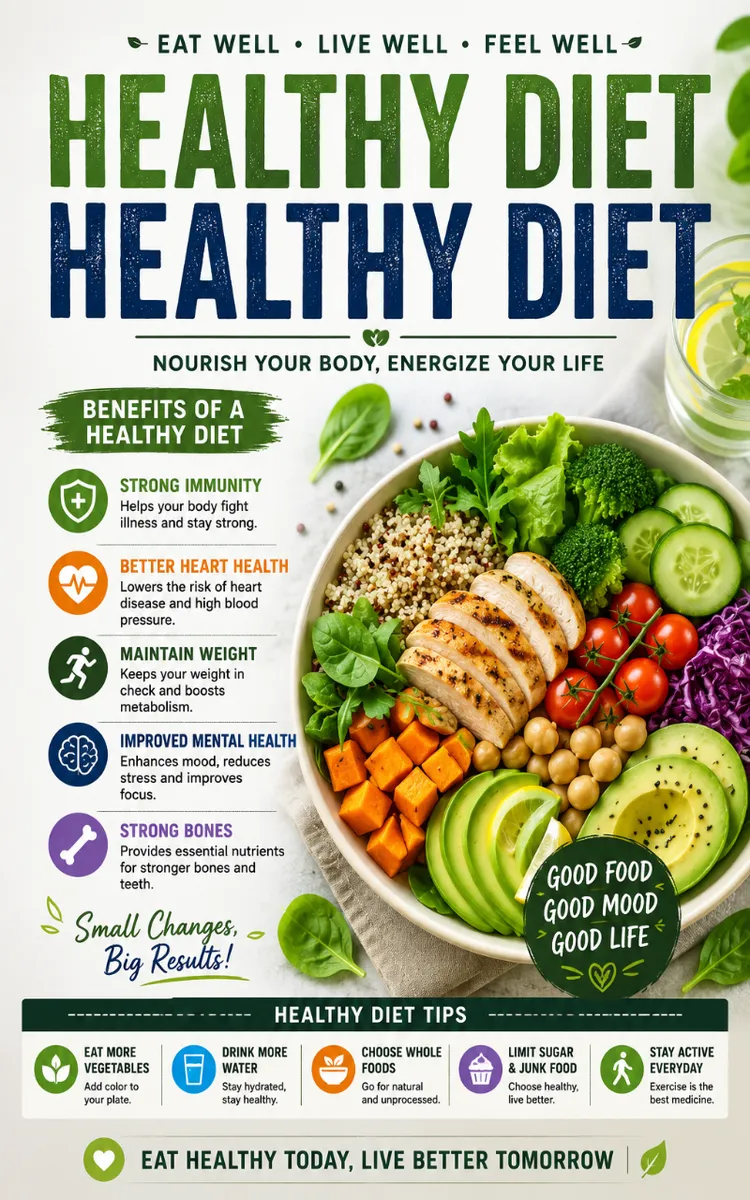
• Half the plate: non-starchy vegetables (or a big salad), plus fruit if you didn’t have it earlier that day. - One quarter: protein (choose a consistent source you enjoy - chicken, fish, eggs, tofu, beans, Greek yogurt, lentils). - One quarter: high-fiber carbohydrates (beans, brown rice, quinoa, oats, whole-grain bread, sweet potato, whole fruit). - Add a thumb-sized portion of fats if your meal feels dry or you tend to snack soon after (olive oil, avocado, nuts, seeds).
If that sounds like “a lot of measuring,” don’t worry - you can use your hand as a tool. Nora used her plate size and then adjusted by feel: if she was hungry again within 2 hours, she added more protein and vegetables rather than just more carbs.
A simple progression plan (so it sticks) Start where you’re most likely to succeed, not where you wish you were.
1. Day 1-3: Choose one meal (often lunch or your biggest meal) and build it with the Compass zones. Keep the rest of your day as usual. 2. Week 1: Add a second Compass meal on most days. For shift workers like Nora, this might be the meal right before work and the meal during the shift break. 3. Week 2: Fine-tune based on timing. If you’re still hungry too soon, increase vegetables and protein first, then check carbs. 4. Milestone at 2 weeks: You should notice at least one of these changes: fewer snack cravings, fewer energy dips mid-shift, or a longer gap between meals (often moving toward the 3-4 hour zone).
Warning signs: when to get professional help Plate composition is powerful, but it’s not a substitute for medical care. If you have any of the following, talk with a licensed clinician or registered dietitian for personalized guidance: - Unintentional weight loss, persistent vomiting, or trouble keeping food down - Frequent severe abdominal pain or ongoing diarrhea - Symptoms that strongly affect daily function (for example, dizziness, fainting, or rapid heart symptoms after eating) - You’re pregnant, have a diagnosed eating disorder, or have a condition requiring diet changes (like kidney disease or diabetes medication adjustments)
Quick comparison: what “Compass meals” feel like vs. “accidental meals” | Meal style | Common plate pattern | Typical experience after eating | |---|---|---| | Compass meal | Vegetables + protein + high-fiber carbs + a bit of fat | Fullness lasts longer (often closer to 3-4 hours) | | Accidental meal | Mostly refined carbs or snack foods; low protein; few vegetables | Hunger returns fast (often under 90 minutes) |
Concrete example Nora used: On shift nights, she packed a bowl with half vegetables (microwaved or pre-cut), a protein portion (chicken or tofu), and a carb portion (brown rice or beans). She added a drizzle of olive oil or a small handful of nuts. Her “craving window” shortened less often, and she stopped feeling like she had to eat every time she saw food.
Practical takeaway for this section: Pick one meal tonight and build it with the Compass zones. Then adjust based on real timing - how long you stay satisfied, not just how “healthy” it sounds.
Common Mistakes That Break the Balanced Plate (and How to Fix Them)
Even good intentions can lead to plates that don’t deliver energy, micronutrients, and satiety. Here are the mistakes Nora saw in herself and in coworkers - plus what to do instead.
Mistake: Making vegetables optional Why it happens: Vegetables feel like “extra work,” especially during busy shifts or when you’re tired. People also assume lettuce or salad doesn’t matter if they’re already eating carbs and protein.
What to do instead: Treat non-starchy vegetables as a default half-plate, not a side dish. If time is tight, use shortcuts that still count: bagged salad, frozen steamed vegetables, or pre-cut stir-fry mixes. Aim for at least 1-2 cups at your Compass meal for the first week, then adjust upward if you’re still hungry too soon.
Mistake: Choosing carbs only because they’re convenient Why it happens: Quick meals often default to white rice, white bread, pastries, or sugary drinks. They can be satisfying at first, but they tend to lead to faster hunger because fiber is low.
What to do instead: Keep your favorite convenient meals, but swap the carb “base” to a higher-fiber option at least 5 days per week. Examples that fit real life: - Swap white rice → brown rice or beans - Swap snack bread → whole-grain toast or a wrap with whole grains - Swap sweetened drinks → water or unsweetened options (and keep the meal structure intact)
If you need a progression rule, use this: for the first 2 weeks, change one carb component per meal and keep the protein and vegetables consistent. That gives you a clear signal on what’s working.
Mistake: Skimping on protein because you “don’t feel like it” Why it happens: On busy days, people often eat smaller portions or skip protein and then compensate later with snacks. This is especially common with shift work, when meal timing and fatigue disrupt appetite.
What to do instead: Make protein a non-negotiable anchor. At your Compass meals, aim for a protein portion roughly the size of your palm (or 1 cup for beans/lentils, depending on your preference). If you’re unsure what to pick, rotate between two favorites so it’s easier to repeat. Nora did best when she had two go-to proteins ready to pack - so she didn’t have to “decide” while tired.
A quick comprehension check: when you look back at your last day of eating, how many meals had both a protein anchor and a vegetable half-plate? If the number is 0-1, you’ve found your lever.
Practical takeaway for this section: If hunger comes back fast, don’t just “eat less” or “eat cleaner.” Fix the plate structure first - vegetables on purpose, carbs with fiber, and protein as an anchor.
Balanced plate meals aren’t about perfection. They’re about giving your body the same dependable inputs often enough that your appetite stops feeling like a daily surprise. In the next parts of the book, you’ll build on this foundation - so your plate doesn’t just look balanced, it keeps working as your schedule, cravings, and preferences change.
End of chapter one. 7 more chapters in the full book.
Swipe or use the arrows to turn the page


What's inside: 8 chapters
- 1. Building a Balanced Plate
- 2. Protein Targets for Muscle and Satiety
- 3. Fiber Intake and Gut Health
- 4. Healthy Fats and Omega-3 Balance
- 5. Carbohydrate Quality for Blood Sugar
- 6. Meal Timing for Energy and Metabolism
- 7. Mediterranean Eating for Chronic Disease Risk
- 8. Personalizing Nutrition with Lab and Symptom Signals
About this book
"Healthy Diet" is a health & wellness book by Subir Bhattacharjee with 8 chapters and approximately 15,135 words. Nutrition principles for maintaining health through diet.
This book was created using Inkfluence AI, an AI-powered book generation platform that helps authors write, design, and publish complete books. It was made with the AI Health Book Generator.
Frequently Asked Questions
What is "Healthy Diet" about?
Nutrition principles for maintaining health through diet
How many chapters are in "Healthy Diet"?
The book contains 8 chapters and approximately 15,135 words. Topics covered include Building a Balanced Plate, Protein Targets for Muscle and Satiety, Fiber Intake and Gut Health, Healthy Fats and Omega-3 Balance, and more.
Who wrote "Healthy Diet"?
This book was written by Subir Bhattacharjee and created using Inkfluence AI, an AI book generation platform that helps authors write, design, and publish books.
How can I create a similar health & wellness book?
You can create your own health & wellness book using Inkfluence AI. Describe your idea, choose your style, and the AI writes the full book for you. It's free to start.
Write your own health & wellness book with AI
Describe your idea and Inkfluence writes the whole thing. Free to start.
Start writingCreated with Inkfluence AI


