
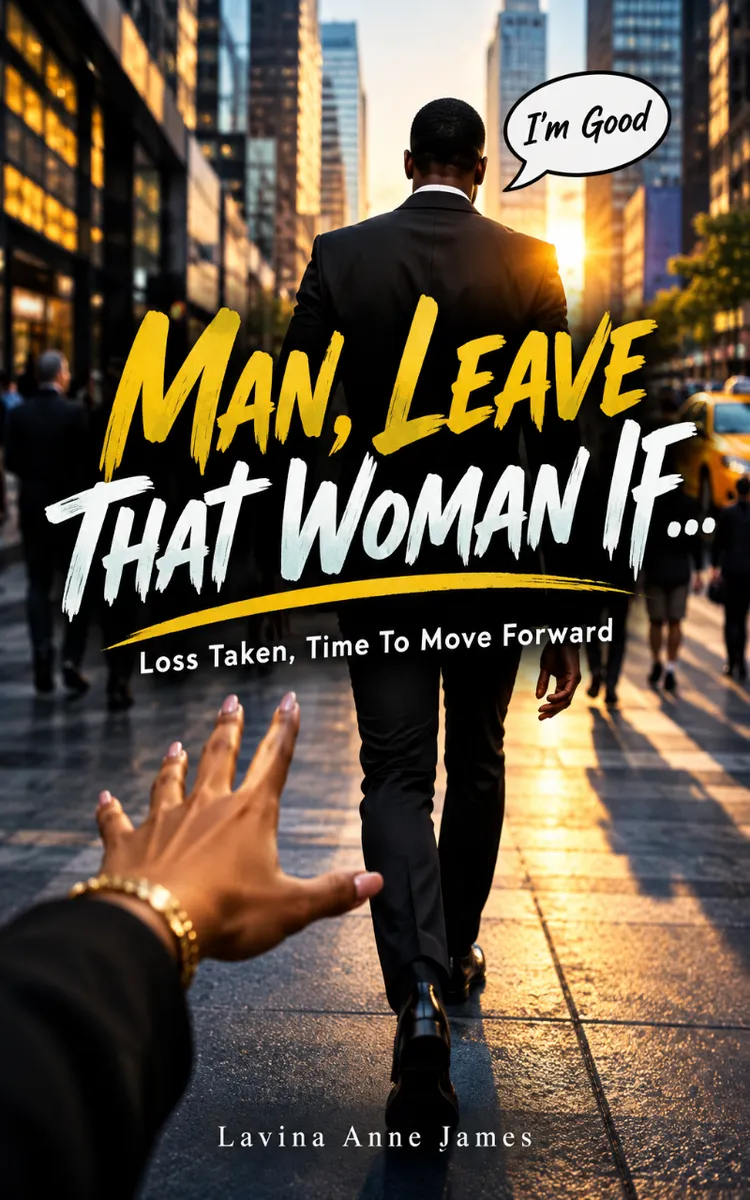
Read the first chapter
The whole of chapter one, free. About 7 min. Turn the pages with the arrows, your keyboard, or a swipe.
Chapter 1
Admitting the Relationship Is Over
Chapter 1: Admitting the Relationship Is Over
The coffee had gone cold, but he kept holding the mug. Not drinking it. Just holding it while she explained, for the third time that week, why his concern was the real problem. He nodded, apologized, and promised to try harder. Then, somewhere between the kitchen light clicking off and the bedroom door closing, a plain thought finally surfaced:
I don’t want to live like this anymore.
That thought can feel rude at first. Disloyal. Almost dangerous. You may shove it away and call it stress, a rough patch, bad timing, or a season you both need to push through. Maybe the relationship has had good days. Of course it has. Most painful relationships aren’t miserable every minute. That’s part of what makes leaving so hard.
Still, there comes a point when you’re not trying to repair a relationship. You’re trying to keep yourself from admitting what you already know.
The Difference Between a Rough Patch and a Finished Relationship
A rough patch has trouble in it, but it also has movement. Both people can acknowledge what’s wrong. Both show some willingness to deal with it. Conversations may be clumsy, and progress may come in fits and starts, but something real changes over time.
An ending looks different. The same wound keeps reopening. The apologies sound familiar. The promises arrive on schedule, usually after the damage has already been done, and then the old behavior strolls back in like it owns the place.
That distinction matters because “we’re having a hard time” suggests a problem you can work through together. “This relationship is over” names a reality you may need to face alone.
Ask yourself what happens after conflict. Do you and your partner repair anything, or do you simply wait until the tension gets unbearable and then act normal again? Are difficult subjects met with honest effort, or do they disappear beneath affection, sex, gifts, silence, or another round of “let’s not do this right now”? A relationship doesn’t need to be perfect to be alive. But it does need some capacity for truth and repair.
Try this today: write two short descriptions in separate columns. In the first, describe a rough patch using facts - what happened, what was discussed, and what improved. In the second, describe the relationship as it is now. Don’t make a courtroom speech. Just record what repeats.
The point isn’t to build a case against her. It’s to stop letting one unusually good afternoon erase six months of the same painful pattern.
Naming the Ending Without Bargaining With It
The mind gets inventive when it wants to avoid loss. It offers deals.
“Maybe if I explain it better.”
“Maybe after the holidays.”
“Maybe if I stop reacting.”
“Maybe she’ll become the person I keep waiting for.”
Some of those thoughts sound reasonable. That’s why they’re so effective. They give you something to do besides grieve. You can analyze a text for an hour. You can replay a conversation while driving. You can search for the perfect sentence that will finally make everything click. Meanwhile, the relationship remains exactly where it was.
The Clear-Eyed Naming Method is designed to interrupt that bargaining. It has three parts: name the pattern, name the impact, and name the decision.
First, name the pattern in plain language. Not “communication issues.” That phrase can hide almost anything. Say what actually happens: “We have the same argument every week, and nothing changes.” Or, “I’m afraid to bring up ordinary concerns because the conversation turns against me.” Keep it specific enough that you can recognize it on a Tuesday morning, not just during a dramatic fight.
Next, name the impact. What has this relationship been doing to your ability to live your life? Perhaps you’re tense before you walk through the door. Perhaps you keep checking your phone, rehearsing harmless sentences, or shrinking your opinions to avoid another blowup. You don’t need to turn this into a grand diagnosis. Say the simple thing: “I don’t feel at peace here.” Sometimes the simplest sentence is the one you’ve been ducking.
Finally, name the decision. “I am accepting that this relationship is over.” Not “I hope it ends.” Not “I’ll leave if she does it again.” The decision may still scare you. It may break your heart. It can be the right decision anyway.
Write the three parts by hand. Your phone is useful, but a handwritten sentence has a way of refusing to hide behind a glowing screen. Read it aloud once. If your voice catches, that doesn’t mean the statement is wrong. It may mean you’ve finally stopped pretending.
Letting Good Memories Tell the Whole Truth
Good memories don’t cancel a bad relationship. They also don’t need to be erased.
You may remember road trips, inside jokes, lazy Sunday mornings, or the way she reached for your hand in a crowded place. Those moments mattered. Say that plainly. What happened between you wasn’t fake simply because it ended. A relationship can contain tenderness and still become unhealthy. It can hold real love and still be a place you can no longer remain.
This is where many men get tangled. They think admitting the ending means declaring the entire relationship worthless. So they defend it. They defend her. They defend the version of themselves who stayed. Before long, they’re arguing with their own memory, as if the past has hired a lawyer.
Don’t do that to yourself.
Try writing two paragraphs. In the first, describe what was genuinely good without adding a “but” to every sentence. In the second, describe what made the relationship impossible to continue. Let both paragraphs stand. The goal is not to crown one as the official truth. The goal is to hold the complete truth without using the good parts as an excuse to ignore the rest.
You can miss someone and still know you shouldn’t return. You can be grateful for certain years and unwilling to give her another one. You can love who she was with you at times and accept that the relationship, as it exists now, is finished.
That isn’t cold. It’s honest.
Checking Whether You’re Facing Grief or Denial
Once you name the ending, your feelings may argue with you. Relief can sit beside sadness. Anger may show up before breakfast. By lunchtime, you might be ready to call her and apologize for everything, including weather you didn’t cause. Emotional whiplash is common when a decision has been delayed for a long time.
Don’t treat every feeling as a command.
Grief says, “This hurts because something mattered.” Denial says, “If I keep hurting, maybe I can reverse the truth.” Those voices can sound alike, especially late at night. One asks you to feel the loss. The other asks you to bargain with it.
Here’s a useful check: when you picture staying exactly as things are - not the version you hope for, not the version she promises, but the ordinary pattern you’ve been living - what happens in your body? Do you feel a deep reluctance, a tightening in your chest, a tiredness that seems older than the latest argument? Then picture leaving, including the loneliness and uncertainty. Which fear feels like the fear of change, and which feels like the fear of abandoning yourself?
You don’t need a perfect answer. You’re looking for the difference between pain that comes from losing the relationship and pain that comes from continuing it.
Today, set a ten-minute timer and finish this sentence without editing yourself: “If I am completely honest, I already know that…” Keep writing until the timer ends. Don’t turn the exercise into a speech. Don’t make it sound wise. Write the rough version. The awkward version. The one you’d never post anywhere.
Truth often arrives wearing work clothes.
Making the Private Admission Real
Admitting the relationship is over is not the same as announcing it to her. That practical conversation belongs to its own moment, and it deserves care. For now, this is about becoming honest with yourself before the outside world gets involved.
Choose one trusted person and say, “I’ve accepted that this relationship is over, even though I haven’t figured out every next step.” That sentence does two useful things. It makes the decision real, and it keeps you from pretending that uncertainty means you haven’t decided. You can be certain about the ending and uncertain about the logistics. Those are different matters.
You may also want to put a date on the page - not as a dramatic deadline, but as a marker: the day you stopped asking the relationship to become something it had repeatedly shown you it would not be. Mark it privately. Let it stand.
There will be moments when you doubt yourself. Expect that. Doubt doesn’t automatically mean you made the wrong call; sometimes it simply means the loss has become emotionally real. You’re not required to feel brave every hour. You’re required to stop lying to yourself.
The first honest sentence may not fix your life. It does something more important: it gives your life a direction. Once you can name the ending, you can begin making choices that belong to the man you are becoming - not the man who keeps waiting for one more promise to finally hold.
End of chapter one. 39 more chapters and about 65,718 words in the full book.
Swipe or use the arrows to turn the page


What's inside: 40 chapters
- 1. Admitting the Relationship Is Over
- 2. Separating Love from Compatibility
- 3. Reclaiming Your Identity
- 4. Trusting Your Own Perception
- 5. Dropping the Rescue Mission
- 6. Recognizing Emotional Manipulation
- 7. Measuring the Cost of Staying
- 8. Letting Go of the Imagined Future
- 9. Choosing a Safe Exit
- 10. Setting a Firm Leaving Date
- 11. Having the Breakup Conversation
- 12. Holding Boundaries After Goodbye
- 13. Untangling Shared Money and Belongings
- 14. Protecting Your Digital Privacy
- 15. Telling Friends Without Taking Sides
- 16. Making Room for Grief
- 17. Surviving the First Quiet Week
- 18. Resisting the Late-Night Text
- 19. Breaking the On-and-Off Cycle
- 20. Handling Loneliness Without Reconciliation
- 21. Rebuilding Sleep and Daily Rhythm
- 22. Managing Anger Without Damage
- 23. Releasing Shame About Staying
- 24. Taking Responsibility Without Self-Blame
- 25. Finding Support That Can Hold Truth
- 26. Reconnecting With Neglected Friends
- 27. Making Your Home Feel Like Yours
- 28. Rebuilding Confidence Through Small Promises
- 29. Setting Standards for Future Love
- 30. Dating Again at Your Own Pace
- 31. Noticing Early Warning Signs
- 32. Practicing Direct Relationship Communication
- 33. Choosing Reciprocity Over Pursuit
- 34. Keeping Boundaries When Attraction Hits
- 35. Building a Life Beyond Romance
- 36. Turning Regret Into Useful Lessons
- 37. Forgiving Without Reopening the Door
- 38. Preparing for Difficult Setbacks
- 39. Defining the Man You’re Becoming
- 40. Moving Forward Without Erasing the Past
About this book
"Man, Leave That Woman If..." is a self-help book by Lavina Anne James with 40 chapters and approximately 65,718 words. Recognizing an unhealthy relationship, accepting its end, and moving on.
This book was created using Inkfluence AI, an AI-powered book generation platform that helps authors write, design, and publish complete books. It was made with the AI Self-Help Book Writer.
Frequently Asked Questions
What is "Man, Leave That Woman If..." about?
Recognizing an unhealthy relationship, accepting its end, and moving on
How many chapters are in "Man, Leave That Woman If..."?
The book contains 40 chapters and approximately 65,718 words. Topics covered include Admitting the Relationship Is Over, Separating Love from Compatibility, Reclaiming Your Identity, Trusting Your Own Perception, and more.
Who wrote "Man, Leave That Woman If..."?
This book was written by Lavina Anne James and created using Inkfluence AI, an AI book generation platform that helps authors write, design, and publish books.
How can I create a similar self-help book?
You can create your own self-help book using Inkfluence AI. Describe your idea, choose your style, and the AI writes the full book for you. It's free to start.
Write your own self-help book with AI
Describe your idea and Inkfluence writes the whole thing. Free to start.
Start writingCreated with Inkfluence AI


