

Read the first chapter
The whole of chapter one, free. About 6 min. Turn the pages with the arrows, your keyboard, or a swipe.
Chapter 1
CHAPTER 1: Build Your Budget
A Halloween party can become expensive before you buy the first decoration. A few costumes, extra snacks, themed plates, and last-minute store runs can quietly turn a simple gathering into a costly event. The fix is not removing all the fun; it is deciding where your money should go before the spending begins.
This chapter builds the financial foundation for the rest of your party plan. You will set a realistic budget, choose an affordable theme, create a guest list, and check your home for useful supplies. Serena Violet’s rule is simple: spend on the parts guests will enjoy most, and avoid paying for items you already have.
Theme Snapshot
Your budget should answer four questions:
• How much can you spend without creating stress?
• How many people are you hosting?
• What kind of party are you planning?
• Which supplies can you use, borrow, or make?
Think of your budget as a spending map: it guides choices and prevents small purchases from adding up. It helps you make clear choices when tempting Halloween displays appear in stores. Write the total amount at the top of a page, then divide it into broad categories such as food, decorations, activities, and supplies. You can adjust the categories later, but starting with a limit keeps small purchases from adding up unnoticed.
Keep the focus on decisions that affect later choices, list examples: guest count, theme, and home inventory. A smaller guest list may reduce food costs. A simple theme may reduce decoration costs. A home inventory may prevent duplicate purchases. Each decision supports the next one.
Ask yourself: if the total cost were higher than expected, which part of the party would I protect first? That answer shows you where your budget matters most.
Ranked Items
#1: Set a Realistic Budget
Problem: A Halloween budget often fails when the host chooses a number without checking what the party actually requires. Spending $10 on several small items can seem harmless, but repeated purchases may leave too little for food, supplies, or unexpected needs.
Solution: Choose one total amount that you can afford comfortably. Write down the main spending categories and assign each a limit before shopping. Reserve a small contingency for forgotten items, for example: ice or replacement batteries. Track every purchase immediately, including low-cost items.
A simple planning table can help:
Category
Planned Amount
Actual Amount
Food
$___
$___
Decorations
$___
$___
Activities
$___
$___
Supplies
$___
$___
Extra cushion
$___
$___
Use the actual amount column as you shop. If one category goes over, reduce another category before buying more. For example, a more expensive centerpiece may mean using plain napkins instead of themed ones.
Result: You know exactly how much remains and can make choices without guessing. A realistic limit protects your household budget while still leaving room for a fun celebration.
#2: Choose an Affordable Theme
Problem: A broad theme can lead to scattered purchases. Buying one item for ghosts, another for vampires, and another for a haunted laboratory may create a crowded look and a large bill without making the party feel organized.
Solution: Pick one theme that can be supported with inexpensive colors, objects, and household materials. A black-and-orange night, old-fashioned monster party, or simple haunted house theme can work with basic supplies. Before buying anything, list three visual details that will define the theme, such as color, lighting, and table labels.
Use this test:
• Can the theme be recognized through color or wording?
• Can you find useful materials at home?
• Can one decoration serve more than one purpose?
• Can the theme work without specialty products?
If the answer is no to several questions, simplify the theme. A focused theme is easier to shop for and easier to explain to guests. It also gives you permission to skip products that do not support the main look.
Result: Your party feels coordinated without requiring a matching set of expensive decorations. A narrow theme gives every purchase a job and helps you stop shopping sooner.
#3: Create a Guest List
Problem: Guest count affects nearly every cost. An extra ten people may require more food, drinks, seating, serving items, and activity supplies. Without a clear list, hosts often buy too much “just in case” and still feel unprepared.
Solution: Make the guest list before planning quantities or shopping. Separate confirmed guests from people who have not answered, and set a reply deadline. Decide whether children, adults, or both are included, because that may change food choices and activity needs.
Record practical details beside each name:
• Confirmed or awaiting a reply
• Adult or child
• Food allergy or dietary need
• Bringing another guest?
• Needs a chair or special accommodation?
Do not count every possible guest as confirmed. Set your purchase number using the people who have accepted by your deadline, then add only a modest cushion for food that is easy to store. If someone cancels, unopened drinks or packaged snacks can usually be saved for later.
Result: You buy closer to the amount you need and avoid planning for an unknown crowd. A clear list also helps you choose a party size that fits your budget and your space.
#4: Shop Your Home First
Problem: Many party supplies are purchased twice because they are stored in different places. A box of black paper, spare jars, serving trays, string, craft tools, or battery candles may already be available, but rushing to the store makes those items easy to overlook.
Solution: Search your home before making a shopping list. Check the kitchen, storage areas, craft supplies, office drawers, linen closet, and recycling bin. Create three groups: “use,” “borrow,” and “do not use.” Inspect each item for cleanliness, safety, and condition before including it in the plan.
Useful items may include:
• Glass jars or clean cans for containers
• Plain tablecloths or dark fabric
• Cardboard boxes for signs or displays
• Paper, markers, scissors, and tape
• Serving bowls, trays, cups, and utensils
• Battery-operated lights
• Blankets or cushions for extra seating
• Reusable baskets or storage bins
Measure or count what you have. “Several bowls” is less useful than “four medium bowls and one large tray.” If you need something missing from your inventory, add it to the shopping list only after checking whether a friend or family member can lend it.
Result: You reduce duplicate purchases and discover materials that can shape the party’s look. Shopping your home first turns existing supplies into savings before any money leaves your wallet.
Budget Check Before You Shop
Once the four decisions are complete, review them together. The budget, theme, guest list, and home inventory should agree. If they do not, adjust the plan now rather than after shopping.
Use this quick check:
• Does the guest count fit the total budget?
• Does the theme use supplies you already own?
• Are the most important purchases listed first?
• Is there money reserved for small unexpected needs?
• Have borrowed items been confirmed?
• Have you removed items that are decorative but unnecessary?
Now rank purchases as essential, helpful, or optional. Essentials might include food ingredients, basic serving items, or a safe way to light the party area. Helpful items improve the experience but have substitutes. Optional items are purchases you can skip without changing the party’s purpose.
This ranking prevents a common mistake: buying attractive extras before covering practical needs. If the budget becomes tight, remove optional items first. Keep the guest experience intact by protecting the food, comfort, and activities that matter most.
Ask yourself: could I run the party if I bought only the essentials? If the answer is yes, you have a strong base plan.
What Comes Next
A successful low-cost Halloween party starts with four firm choices: Set a Realistic Budget, Choose an Affordable Theme, Create a Guest List, and Shop Your Home First. These steps keep spending connected to the actual size and purpose of your gathering.
Write your final budget total, guest count, theme, and home inventory in one place. That single page becomes your filter for every later decision. When a purchase does not fit the plan, you will know why to leave it behind.
End of chapter one. 10 more chapters in the full book.
Swipe or use the arrows to turn the page


What's inside: 11 chapters
- 1. CHAPTER 1: Build Your Budget
- 2. CHAPTER 2: Plan Without Stress
- 3. CHAPTER 3: Decorate for Less
- 4. CHAPTER 4: Set the Halloween Mood
- 5. CHAPTER 5: Serve Budget-Friendly Food
- 6. CHAPTER 6: Drinks and Desserts
- 7. CHAPTER 7: Plan Affordable Entertainment
- 8. CHAPTER 8: Make Memories
- 9. CHAPTER 9: Host Like a Pro
- 10. Chapter 11
- 11. CHAPTER 10: Save for Next Halloween
About this book
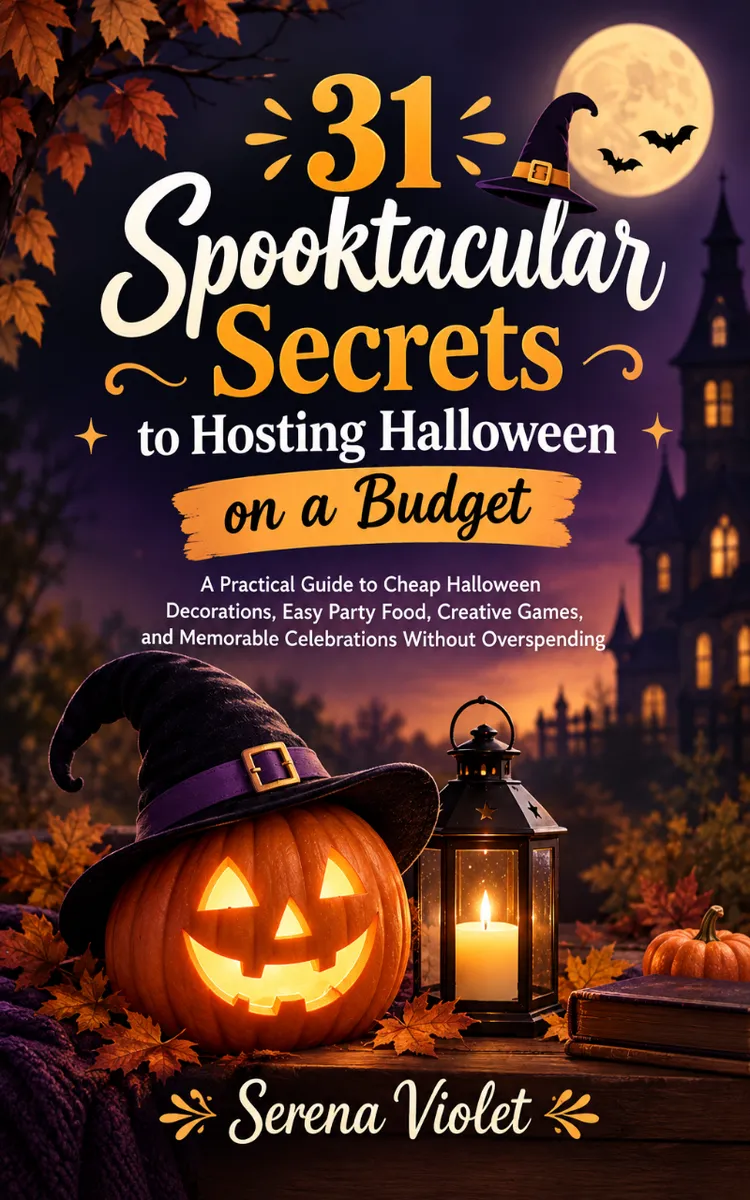
"31 Spooktacular Secrets To Hosting Halloween On A Budget" is a list book by Serena Violet with 11 chapters and approximately 13,771 words. Budget-friendly Halloween party planning, decorations, food, games, and preparation.
This book was created using Inkfluence AI, an AI-powered book generation platform that helps authors write, design, and publish complete books.
Frequently Asked Questions
What is "31 Spooktacular Secrets To Hosting Halloween On A Budget" about?
Budget-friendly Halloween party planning, decorations, food, games, and preparation
How many chapters are in "31 Spooktacular Secrets To Hosting Halloween On A Budget"?
The book contains 11 chapters and approximately 13,771 words. Topics covered include CHAPTER 1: Build Your Budget, CHAPTER 2: Plan Without Stress, CHAPTER 3: Decorate for Less, CHAPTER 4: Set the Halloween Mood, and more.
Who wrote "31 Spooktacular Secrets To Hosting Halloween On A Budget"?
This book was written by Serena Violet and created using Inkfluence AI, an AI book generation platform that helps authors write, design, and publish books.
Write your own list book with AI
Describe your idea and Inkfluence writes the whole thing. Free to start.
Start writingCreated with Inkfluence AI


