
Read the first chapter
The whole of chapter one, free. About 9 min. Turn the pages with the arrows, your keyboard, or a swipe.
Chapter 1
Postpartum Milk Supply and Safe Loss
What Normal Can Look Like - and What You Can Expect
At her six-week check, Lena expected to feel “back to normal.” Instead, she was hungry soon after meals, tired by midmorning, and unsure whether her breasts felt full enough. When the scale stayed the same for two weeks, she wondered whether she was doing something wrong. Nothing about those experiences automatically meant failure. Early postpartum recovery is uneven, and breastfeeding adds another daily demand.
Who this is for: This guidance is for breastfeeding mothers in the first six months after birth who want gradual weight loss without making milk production the main trade-off. It is educational, not a personal medical plan. This book is for educational purposes only and is not medical advice. Always check with your healthcare provider before making changes to your diet, activity, or weight-loss plan postpartum, especially while breastfeeding.
A realistic health outcome is not a promised number on the scale. It is a safer way to make decisions: noticing hunger and energy, understanding useful milk-supply cues, choosing small changes instead of extreme restriction, and knowing when to pause or ask for help. The Milk-First Safety Compass keeps the order clear:
• Protect feeding and milk-supply signals first. - Support recovery with regular nourishment and rest where possible. - Choose gradual changes that can fit real newborn life. - Reassess when your body or baby’s feeding pattern changes.
Weight may move slowly, stay level, or change in stops and starts. You may also notice progress through better stamina, more comfortable clothing, or steadier meals. Ask yourself: “Is this plan helping me care for my baby and recover, or is it making every day harder?” That answer matters as much as the scale.
How Milk Production and Postpartum Changes Work
Breast milk is made through a supply-and-removal system. When your baby breastfeeds - or when milk is expressed - your body receives a signal to make more. Frequent, effective milk removal generally supports ongoing production. Long gaps, missed feeds, or difficulty transferring milk can reduce that signal for some mothers. The exact pattern differs from person to person, especially when babies vary in sleep, appetite, latch, and growth.
During the first months, breasts may feel very full at one time and softer at another. Softer breasts do not automatically mean low supply. Many babies also become more efficient at feeding, so a shorter feed may still be a productive one. A single fussy feeding or a single pumping session is not enough to judge the whole picture.
Useful signs to consider together include your baby’s usual wet diapers, swallowing during feeds, feeding behavior, and growth information reviewed with a healthcare provider. Pump output alone is not a complete measure of milk production; a pump may remove milk differently from a baby. If you are unsure, a lactation consultant can watch a feeding and help interpret the pattern.
Your own body is also changing. Hormones shift after birth, sleep is often broken, and healing takes energy. Breastfeeding can increase hunger and thirst, but hunger is not a character flaw or proof that you lack willpower. Your body is responding to recovery and milk production. Restricting food sharply can make fatigue, irritability, dizziness, and strong cravings more likely. It can also make it harder to meet your basic nutrition needs.
Several factors can affect how safe or practical weight loss feels:
1. Timing after birth: The early weeks are mainly a recovery and feeding period. A provider may recommend waiting until healing is progressing and feeding is more established before actively pursuing weight loss. 2. Milk-removal pattern: Fewer feeds, skipped sessions, or ongoing transfer problems may make supply more vulnerable to major diet or routine changes. 3. Your recovery: Heavy bleeding, pain, illness, mood symptoms, or complications deserve attention before weight loss becomes a priority. 4. Your starting intake: A sudden drop from regular meals to very small portions creates a larger strain than a modest adjustment. 5. Sleep and stress: Poor sleep and high stress can affect appetite, energy, and the ability to prepare food. They are not personal failures.
Extreme diets, very low-calorie plans, fasting for long periods, and aggressive exercise can be risky while breastfeeding. They may leave too little energy for recovery and daily care. Rapid changes can also make it harder to notice whether a supply change is connected to intake, feeding frequency, illness, or another issue. This does not mean every mother must eat perfectly or avoid all weight change. It means the safest approach is steady and flexible.
A gradual plan usually means making one small change, observing it for about one to two weeks, and adjusting only if feeding, energy, and recovery remain steady. Do not use a fixed calorie target unless your healthcare provider or a qualified dietitian gives you one for your situation. A broad, breastfeeding-friendly pattern is regular meals, satisfying snacks when hungry, fluids according to thirst, and a mix of protein, fiber-rich carbohydrates, fats, fruits, and vegetables. Specific food choices can vary with culture, budget, allergies, and access.
For example, Lena began by replacing an often-skipped breakfast with yogurt, fruit, and toast, then waited two weeks before changing anything else. She did not cut out a whole food group or weigh herself every morning. Her goal was a steadier morning, not a guaranteed rate of loss. That distinction helped her notice how she actually felt.
The practical takeaway is simple: milk production depends mainly on effective and regular removal, while safe weight loss depends on enough nourishment and a pace your recovering body can tolerate. Use patterns - not one breastfeed, one pump, or one weigh-in - to guide decisions.
Using the Milk-First Safety Compass
Begin with a baseline for seven days before trying to reduce food or add structured exercise. Record, once each day, your general energy, hunger, feeding or pumping pattern, and any supply concerns. You do not need to count every bite or weigh yourself daily. If you do use a scale, once weekly under similar conditions is enough to observe a trend; daily changes often reflect fluids, digestion, and hormones.
Then choose one manageable adjustment for the next one to two weeks. Examples include eating breakfast within a few hours of waking, adding a protein-rich snack when a feeding leaves you very hungry, or serving a planned portion rather than eating from a package. Keep the change modest. Do not combine food restriction, long fasting, and a new intense workout at the same time, because you will not know what caused a change in energy or feeding.
As recovery allows and your provider agrees, gentle movement can support function without becoming a punishment for eating. Start with a comfortable five- to ten-minute walk once a day, or another activity approved for your recovery. If pain, bleeding, dizziness, pelvic pressure, or unusual fatigue increases, stop and contact your provider. Progress by adding a few minutes every several days only when the current level feels comfortable. Weight loss does not require pushing through warning signs.
Review your Milk-First Safety Compass at the end of each week:
• Are feeds or pumping sessions following the usual pattern? - Does your baby seem to be swallowing and settling in the usual way? - Are wet diapers and growth checks consistent with the guidance you have received? - Is your energy stable enough for basic care? - Is hunger manageable, or are you frequently shaky, dizzy, or desperate for food? - Has your recovery remained comfortable?
Pause active weight-loss changes and contact a healthcare provider or lactation consultant if you notice a clear or ongoing drop in milk supply, fewer wet diapers than expected for your baby’s usual pattern, poor feeding, unusual sleepiness, difficulty hearing or seeing swallowing, or concerns about growth. Also seek help for heavy or increasing bleeding, fever, worsening pain, fainting, chest pain, severe shortness of breath, or thoughts of harming yourself or your baby. These signs need timely professional attention rather than a diet adjustment.
A supply concern does not prove that weight loss caused the change. Feeding frequency, latch, illness, medications, stress, and other factors may be involved. The useful response is to pause the new plan, continue offering feeds as advised, and ask for an assessment. Do not wait for a supply concern to become severe before seeking support.
| If you notice… | Safer next step | |---|---| | Mild hunger between regular meals | Add a planned, satisfying snack and observe energy for several days | | A gradual scale trend with steady feeding and energy | Keep the same small change for another one to two weeks | | A sudden supply concern or feeding change | Pause weight-loss changes and contact a provider or lactation consultant | | Dizziness, faintness, worsening pain, or heavy bleeding | Stop exercise or restriction and seek prompt medical care |
Consider a provider check before beginning an intentional weight-loss plan, especially if you are less than six weeks postpartum, had a complicated birth, are recovering from surgery, have a history of an eating disorder, or take medication that affects appetite, mood, or milk production. A registered dietitian can help you make a plan without prescribing overly restrictive targets, and a lactation consultant can help assess milk transfer and feeding patterns.
The practical takeaway is to change one thing at a time, observe for one to two weeks, and let feeding, recovery, and energy set the pace. Your body is giving you information; the goal is to read it without judgment.
Common Mistakes That Can Disrupt Safe Progress
Treating the scale as the main safety test
Why it happens: Weight is easy to measure, so it can feel more objective than energy or feeding. Postpartum fluid shifts, digestion, and hormonal changes can make short-term scale movement confusing.
What to do instead: Check weight no more than once weekly if it helps you, and pair it with daily observations of energy, hunger, feeding patterns, and recovery. A stable scale with steady milk supply and improving strength may still represent useful progress. If weight is dropping quickly alongside fatigue or feeding concerns, pause and ask your provider for guidance.
Cutting portions sharply to “speed things up”
Why it happens: Many popular diets reward fast results and label hunger as something to overcome. Breastfeeding hunger can feel inconvenient, especially when meals are rushed.
What to do instead: Keep regular meals and add a planned snack when needed. Build meals around a protein food, a fiber-rich carbohydrate, colorful produce, and a source of fat. Make one modest change, such as reducing automatic seconds or replacing a sugary drink most days, then observe for one to two weeks. Avoid very low-calorie plans and long fasting periods unless a qualified healthcare professional specifically directs you.
Assuming one difficult feeding proves low supply
Why it happens: Babies may cluster-feed, fuss, sleep differently, or feed for a shorter time. Breasts may also feel softer as feeding becomes established.
What to do instead: Look at the whole pattern: swallowing, usual wet diapers, feeding behavior, and growth information. Keep a brief seven-day note if you need to identify a trend, and contact a lactation consultant or healthcare provider when concern continues. Do not respond by adding severe food restriction or intense exercise.
Adding hard workouts before recovery is ready
Why it happens: Exercise can feel like a direct way to change weight, and postpartum pressure can make rest seem unproductive.
What to do instead: Begin with provider-approved gentle movement, such as a five- to ten-minute walk once daily, and increase gradually only when comfortable. Stop for pain, dizziness, increased bleeding, pelvic pressure, or unusual exhaustion. Recovery is not a delay in progress; it is part of protecting the foundation for feeding and health.
Your safest plan will not be the most dramatic one. It will be the one that leaves room for nourishment, milk removal, recovery, and the unpredictable rhythm of caring for a newborn. Use the Milk-First Safety Compass whenever you feel pulled toward a faster solution: protect feeding first, make one small change, observe for one to two weeks, and ask for help when the signals do not look right. Steady care creates the foundation for the simple meals and routines that follow.
End of chapter one. 4 more chapters in the full book.
Swipe or use the arrows to turn the page


What's inside: 5 chapters
- 1. Postpartum Milk Supply and Safe Loss
- 2. Feed You, Feed Baby Meal Framework
- 3. Gentle Movement for Pelvic Floor
- 4. 12-Week Gentle Reset Phases
- 5. Troubleshooting Supply, Hunger, and Guilt
About this book
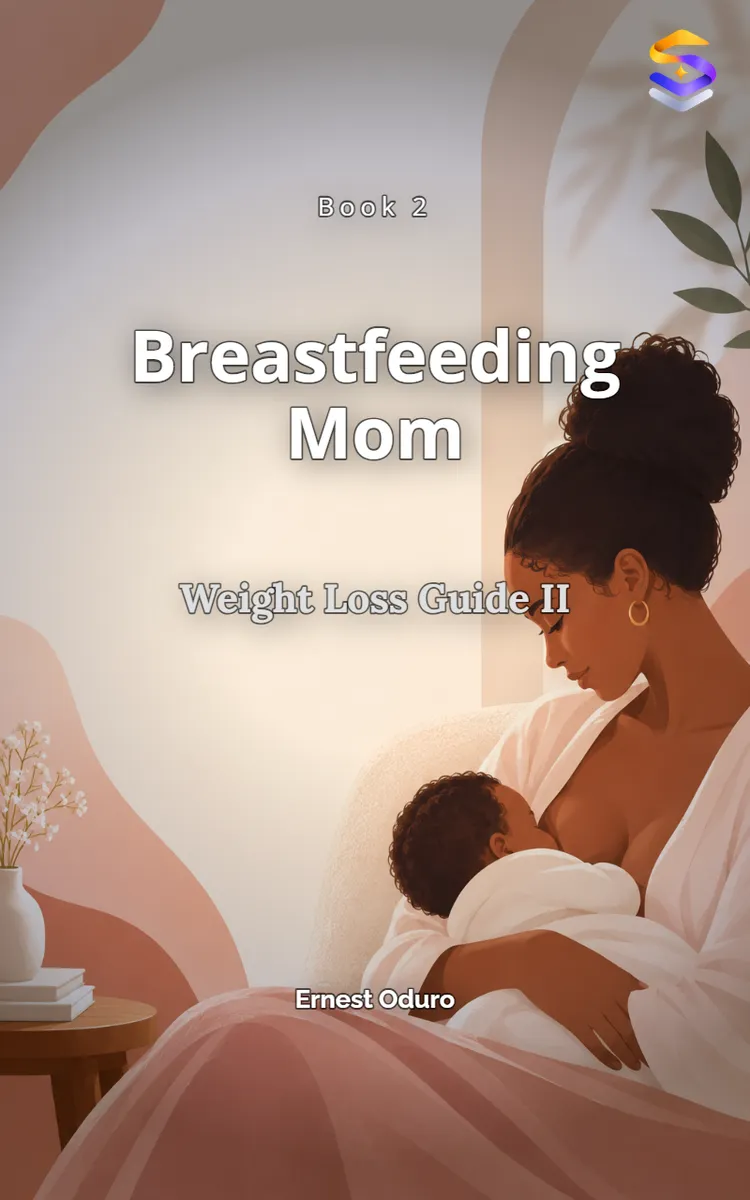
"Breastfeeding Mom’s Weight Loss Guide II" is a health & wellness book by Ernest Oduro with 5 chapters and approximately 9,571 words. Safe postpartum weight loss guidance for breastfeeding moms.
This book was created using Inkfluence AI, an AI-powered book generation platform that helps authors write, design, and publish complete books. It was made with the AI Health Book Generator.
Frequently Asked Questions
What is "Breastfeeding Mom’s Weight Loss Guide II" about?
Safe postpartum weight loss guidance for breastfeeding moms
How many chapters are in "Breastfeeding Mom’s Weight Loss Guide II"?
The book contains 5 chapters and approximately 9,571 words. Topics covered include Postpartum Milk Supply and Safe Loss, Feed You, Feed Baby Meal Framework, Gentle Movement for Pelvic Floor, 12-Week Gentle Reset Phases, and more.
Who wrote "Breastfeeding Mom’s Weight Loss Guide II"?
This book was written by Ernest Oduro and created using Inkfluence AI, an AI book generation platform that helps authors write, design, and publish books.
How can I create a similar health & wellness book?
You can create your own health & wellness book using Inkfluence AI. Describe your idea, choose your style, and the AI writes the full book for you. It's free to start.
Write your own health & wellness book with AI
Describe your idea and Inkfluence writes the whole thing. Free to start.
Start writingCreated with Inkfluence AI


