
Read the first chapter
The whole of chapter one, free. About 5 min. Turn the pages with the arrows, your keyboard, or a swipe.
Chapter 1
Anger as a Protective Signal
Anger Carries Information, Not a Verdict
Anger is a protective emotion. It often rises when something feels unsafe, unfair, disrespectful, blocked, or too close to an old wound. It can bring energy to a problem that needs attention. That doesn’t make every angry reaction safe or accurate - but it does mean your anger isn’t proof that you’re bad.
Shame says, “Something is wrong with me.” A more useful question is, “What is my anger noticing, and what does it need me to protect?” Anger may be pointing toward a boundary, a need for rest, a fear of being ignored, or pain that never had a safe place to go.
Key takeaway: Anger is information about perceived threat or hurt; it is not permission to harm, and it is not a flaw in your character.
When anger appears, separate these three parts:
1. The signal: What feels wrong, unsafe, unfair, or painful? 2. The meaning: What are you telling yourself this situation means? 3. The response: What do you do with the energy anger gives you?
The signal may be useful even when the meaning is incomplete. For example, a delayed text might trigger the thought, “They don’t care about me.” The anger is real, but the conclusion may need checking. You can honor the signal without treating the first story as a fact.
If anger has helped you survive neglect, criticism, bullying, discrimination, violence, or constant stress, lowering your shame may take time. Your nervous system may have learned to react quickly because waiting once felt dangerous. You don’t have to judge that protection in order to update it.
Your Turn: Name the Protective Signal
Materials needed: A notebook or this page and a pen. Time required: 10-15 minutes. Expected outcome: You will complete one “signal, meaning, response” map and identify one safer response.
1. Choose one anger moment from the past seven days. Pick a situation that feels manageable, not the most overwhelming event in your life. 2. Write one plain sentence describing what happened. Include observable details, such as “My coworker interrupted me twice,” rather than “My coworker disrespected me.” 3. Complete the three lines below. 4. Circle the protective concern that fits best: safety, respect, fairness, control, belonging, privacy, rest, or another concern. 5. Write one response that protects that concern without attacking, threatening, punishing, or abandoning yourself. 6. Finish the sentence: “My anger makes sense as information because…” Then add: “My safest next step is…”
Signal, meaning, response map
• What happened? ______________________________________________ - What did I feel was at risk? __________________________________ - What did I tell myself it meant? _____________________________ - What did I want to do immediately? __________________________ - What did I actually do? ______________________________________ - What did that response protect? ______________________________ - What did it cost me or someone else? __________________________ - A safer response could be: _____________________________________
> Completed example > What happened? My sister changed our plans without telling me. > What did I feel was at risk? Respect and reliability. > What did I tell myself it meant? “My time doesn’t matter to her.” > What did I want to do immediately? Send three angry texts. > What did I actually do? I sent, “Forget it. You always do this.” > What did that response protect? It tried to protect my time and dignity. > What did it cost me or someone else? It made a calm conversation less likely. > A safer response could be: “I’m frustrated because I set aside time for this. Please tell me earlier when plans change. Can we choose another time?”
Notice what changed in the example. The anger wasn’t dismissed. The need for respect stayed visible. The response simply became more precise and less harmful.
If your example includes abuse, threats, or immediate danger, the safest response may be creating distance and contacting trusted support or emergency help where you live. Anger can signal that a situation needs protection, not a better conversation.
Using Anger as Information in Real Life
Imagine someone speaks sharply to you at work. Your first thought might be, “They’re trying to make me look stupid.” Anger then pushes you to interrupt, raise your voice, or send a message you’ll regret. Try separating the signal from the story: “My body noticed a sharp tone. I may be protecting my competence and dignity. I need more information before I decide what this means.”
A safer response could be, “I want to understand your concern, but I’m not able to continue while we’re speaking to each other this way.” The expected outcome isn’t guaranteed agreement. It’s a clearer boundary and less chance of turning one tense moment into a larger conflict.
Now picture a smaller trigger: someone leaves dishes in the sink after you’ve asked for help. Anger may be carrying several messages at once - “I’m doing too much,” “My request isn’t taken seriously,” or “I’m alone in this.” Instead of labeling yourself as dramatic, identify the specific concern. Then make a specific request: “I need the dishes rinsed and placed in the dishwasher before bed. Can you do that tonight?”
Try a three-part reset when anger rises:
1. Name the signal: “Something feels unfair,” or “I feel crowded and need space.” 2. Check the story: “What do I know for sure? What am I assuming?” 3. Choose protection without punishment: Set a boundary, ask for information, pause the conversation, or leave an unsafe situation.
Use this reset before sending a message, confronting someone, making a major decision, or continuing a conversation after your voice has become louder. A useful sign of completion is this: you can state what you’re protecting in one sentence and choose one action that doesn’t make the situation more dangerous.
You may still feel angry after responding safely. That’s normal. Success isn’t instant calm. Success is keeping the information while reducing harm. Your anger can say, “This matters,” while you decide what happens next.
Reflecting on the Message Beneath the Anger
1. When my anger appears, which protective concern shows up most often - safety, respect, fairness, control, belonging, privacy, rest, or something else - and what recent situation supports my answer?
__________________________________________________
__________________________________________________
__________________________________________________
2. What is one angry story I often treat as a fact, and what are two other explanations I could check before reacting?
__________________________________________________
__________________________________________________
__________________________________________________
3. What safer response would honor what my anger is protecting without harming me or another person, and what exact words could I use?
__________________________________________________
__________________________________________________
__________________________________________________
You don’t have to thank anger for every way it has acted. You can recognize its purpose and still change its methods. The goal is not to silence the signal. It’s to listen closely enough that protection no longer has to arrive as damage.
End of chapter one. 4 more chapters in the full book.
Swipe or use the arrows to turn the page
What's inside: 5 chapters
- 1. Anger as a Protective Signal
- 2. Tracing Anger’s Survival Roots
- 3. Reading Your Body’s Anger Cues
- 4. Interrupting Automatic Reactions
- 5. Your New Anger Plan
About this book
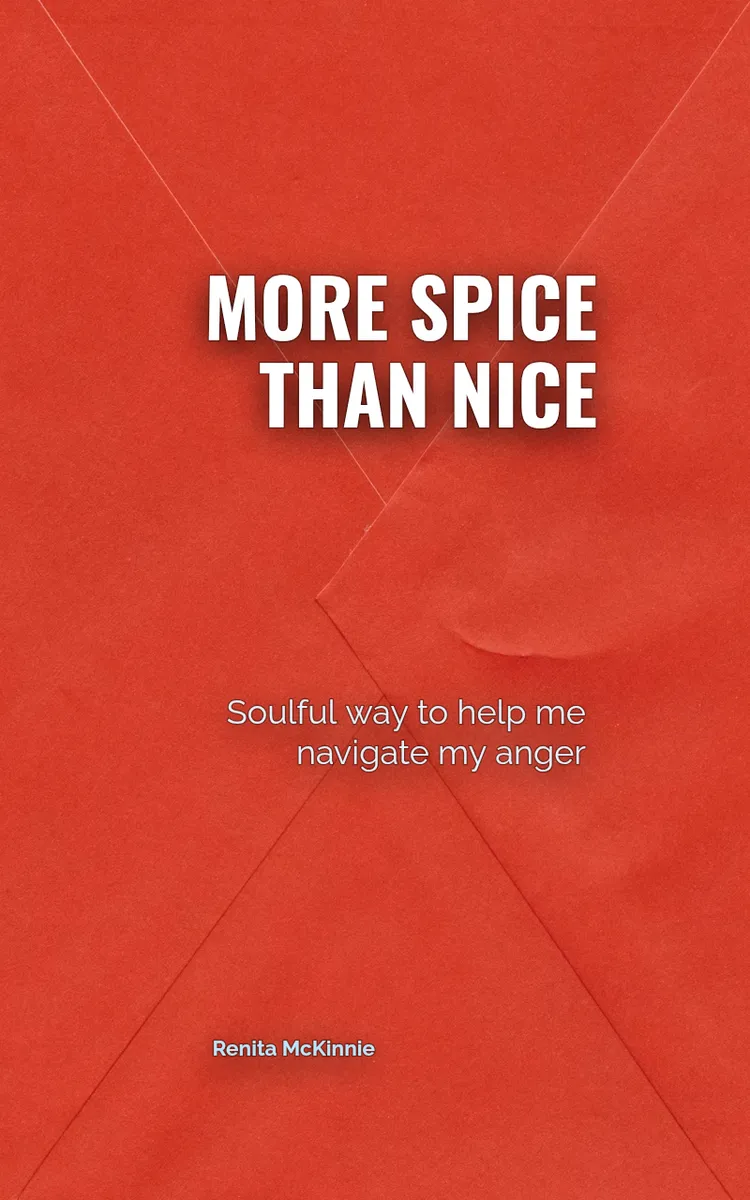
"Understanding My Anger" is a workbook by Renita McKinnie with 5 chapters and approximately 7,181 words. Self-reflection workbook exploring anger origins, triggers, and responses.
This book was created using Inkfluence AI, an AI-powered book generation platform that helps authors write, design, and publish complete books. It was made with the Workbook Generator.
Frequently Asked Questions
What is "Understanding My Anger" about?
Self-reflection workbook exploring anger origins, triggers, and responses
How many chapters are in "Understanding My Anger"?
The book contains 5 chapters and approximately 7,181 words. Topics covered include Anger as a Protective Signal, Tracing Anger’s Survival Roots, Reading Your Body’s Anger Cues, Interrupting Automatic Reactions, and more.
Who wrote "Understanding My Anger"?
This book was written by Renita McKinnie and created using Inkfluence AI, an AI book generation platform that helps authors write, design, and publish books.
How can I create a similar workbook?
You can create your own workbook using Inkfluence AI. Describe your idea, choose your style, and the AI writes the full book for you. It's free to start.
Write your own workbook with AI
Describe your idea and Inkfluence writes the whole thing. Free to start.
Start writingCreated with Inkfluence AI


