
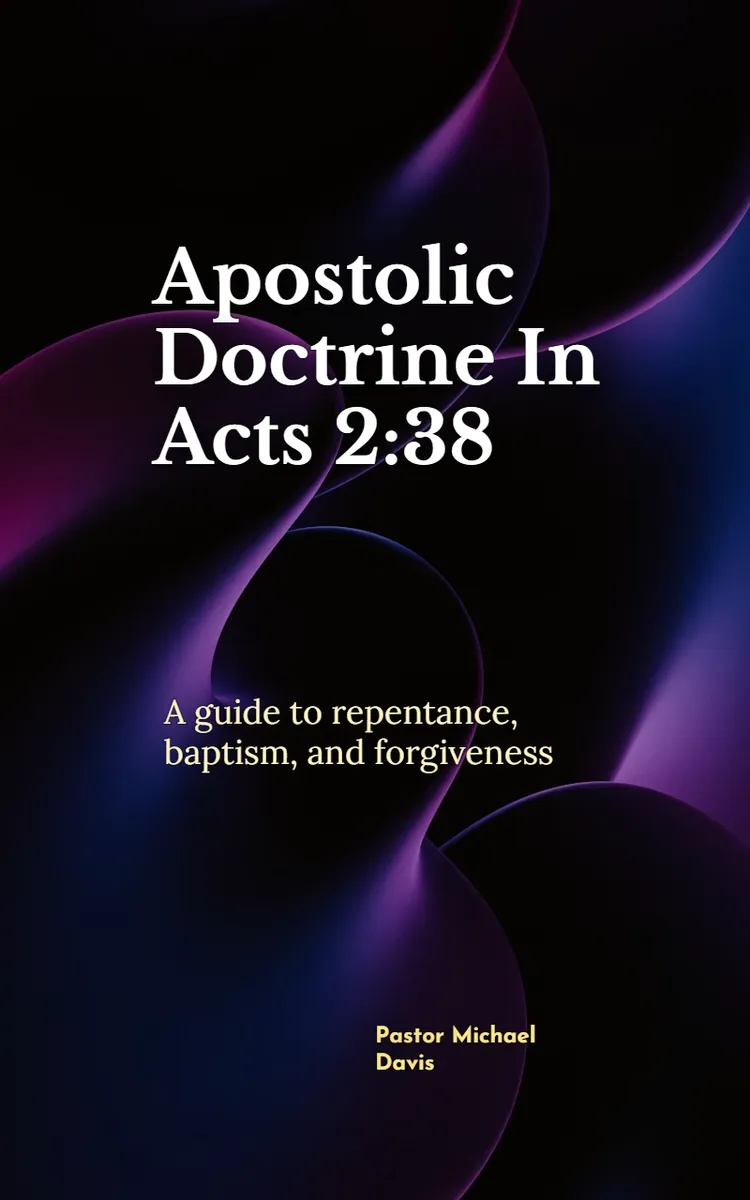

Read the first chapter
The whole of chapter one, free. About 6 min. Turn the pages with the arrows, your keyboard, or a swipe.
Chapter 1
The Call to Hear: Turning Toward God (Acts 2:37)
Scripture Focus
Acts 2:37 (KJV)
Now when they heard this, they were pricked in their heart, and said unto Peter and to the rest of the apostles, Men and brethren, what shall we do?
Conviction is not a dead end; it is the moment God’s Word turns our attention toward Him and invites an honest response.
The crowd in Acts 2 had just heard Peter preach Jesus Christ. His message was not vague. He spoke about the crucified and risen Lord, and the people understood that the truth reached them personally. Scripture says they were “pricked in their heart.” Their hearts were pierced, awakened, and made sensitive to what they had heard.
Notice what they did next. They didn’t argue with Peter. They didn’t change the subject. They asked, “What shall we do?” That question is the first movement toward obedience. Before anyone can respond to Acts 2:38 - repentance, baptism in Jesus Christ’s name, and receiving the gift of the Holy Ghost - there must be a willingness to hear and recognize the truth.
Reflection
Conviction is often uncomfortable because it brings hidden things into the light. God’s Word may show us an attitude we’ve defended, a habit we’ve excused, or a decision we’ve made without seeking Him. It can reveal more than outward behavior. Sometimes it exposes pride beneath our words, resentment beneath our silence, or fear beneath our need to control everything.
That discomfort doesn’t mean God is pushing us away. The people in Acts 2 were not left without hope after their hearts were pierced. Their conviction became a doorway to a question: “What shall we do?” Godly conviction points us toward a faithful response, not toward despair. It helps us stop long enough to hear what God is saying and consider what obedience looks like today.
Daily life gives us plenty of chances to ignore that voice. We may read a passage about forgiving others and quickly think of the person who needs to change. We may hear preaching about repentance and focus on somebody else’s failure. We may feel a check in our spirit after speaking sharply to a family member, then explain why we were justified. But honest listening asks a better question: “Lord, what are You showing me?”
That question doesn’t require us to solve our whole life in one morning. It does require truthfulness. If Scripture reveals bitterness, we can admit it. If God brings a careless pattern to our attention, we can name it. If we have resisted an instruction because obedience would be inconvenient, we can stop making excuses. A heart that says, “What shall I do?” is already turning toward God.
There’s a difference between conviction and condemnation. Conviction identifies what needs to change and draws us toward the Lord’s mercy. Condemnation tells us to hide, give up, or believe we can never be restored. The message in Acts 2 moved the hearers from pierced hearts to a clear apostolic answer. God’s truth does not expose our need in order to abandon us. It exposes our need so we can receive His grace and walk in obedience.
Listening honestly also means allowing the Word to correct our timing. We often want God to change circumstances first. Yet He may begin by changing our response to those circumstances. We ask Him to fix the argument, and He points to our harsh words. We ask Him to open a door, and He points to our lack of faithfulness with the responsibilities already in our hands. We ask for peace, and He points to an apology we’ve delayed.
The crowd’s response gives us a simple pattern: hear the Word, recognize its claim on your life, and ask what obedience requires. We don’t need a dramatic feeling every time. Sometimes conviction is quiet - a sentence of Scripture that stays with us while we drive, work, wash dishes, or prepare for bed. When that happens, don’t rush past it. Pause. Listen. Bring the matter into God’s presence.
Acts 2:37 also reminds us that spiritual growth begins with a teachable heart. We can know Bible verses and still resist correction. We can attend church regularly and still avoid the question, “What shall I do?” The goal isn’t merely to collect information. The goal is to respond to the truth we hear. God’s Word is meant to shape our choices, our speech, our relationships, and our worship.
Today, let conviction do its proper work. Don’t label every uncomfortable thought as an attack. Don’t turn every correction into a debate. Let Scripture search you with kindness and clarity. Then bring your honest answer to the Lord. He already knows what is there, but He invites you to acknowledge it so He can lead you into repentance and renewed obedience.
Practice for Today
• Read Acts 2:37 slowly three times. Read it once for the words, once for the crowd’s response, and once asking how it speaks to you. Pay special attention to the question, “What shall we do?” Afterward, sit quietly for two minutes. Don’t fill the silence with explanations. Ask the Lord to help you hear honestly.
• Use a conviction journal. Write the date at the top of a page and complete this sentence: “While reading or hearing God’s Word today, I sensed that I need to…” Be specific. Instead of writing, “I need to be better,” write, “I need to stop repeating my coworker’s mistake to others,” or “I need to apologize to my spouse for speaking harshly.” Then add two short lines: “What truth did Scripture show me?” and “What obedient step can I take within twenty-four hours?”
Keep the focus on your response, not on diagnosing someone else. If another person’s name comes to mind, return to the question from Acts 2:37: “Lord, what shall I do?” Conviction becomes fruitful when it leads to a clear act of obedience.
• Pray a timed prayer of surrender for five minutes. For the first minute, thank God for speaking through His Word. For the next two minutes, confess the specific matter He has brought to your attention. Use plain words; there’s no need to dress up the truth. Spend the fourth minute asking for strength to obey. In the final minute, choose one action - an apology, a changed habit, a truthful conversation, or a return to faithful prayer - and commit it to God.
If the conviction involves a serious pattern of sin or harm, seek help from a trusted pastor or mature believer. Honest listening doesn’t mean handling everything alone. The church is a place where truth and mercy meet, and wise spiritual guidance can help you take the next faithful step.
As you practice, don’t measure success by how intense your emotions feel. Measure it by whether you responded to what God showed you. The people in Acts 2 did not stop at feeling pierced in their hearts. They asked what to do, and their question prepared them to receive apostolic instruction. A tender heart keeps listening after the first moment of conviction.
Closing Prayer
Lord Jesus, help me hear Your Word without hiding or making excuses. When You show me what needs to change, give me humility to admit it and faith to obey. Lead me from conviction into repentance, and guide my next step in Your truth. Amen.
Pastor Michael Davis
Exploding Faith Ministry
www.explodingfaith.org
End of chapter one. 6 more chapters in the full book.
Swipe or use the arrows to turn the page
What's inside: 7 chapters
- 1. The Call to Hear: Turning Toward God (Acts 2:37)
- 2. Repentance That Reorients: A Change of Mind and Direction (Acts 2:38a)
- 3. Baptism and Faith: Obedience as a Living Witness (Acts 2:38b)
- 4. The Promise of the Spirit: Receiving Power for the Journey (Acts 2:38c)
- 5. Prayer That Breathes: Continuing in Communion with God (Acts 2:42)
- 6. Hope in Community: Persevering Through Trials (Acts 2:43-47)
- 7. Surrender and Mission: Living the Apostolic Pattern (Acts 2:38 as a Way of Life)
About this book
"Apostolic Doctrine In Acts 2:38" is a religious devotional book by Pastor Michael Davis with 7 chapters and approximately 7,697 words. Apostolic doctrine based on Acts 2:38.
This book was created using Inkfluence AI, an AI-powered book generation platform that helps authors write, design, and publish complete books.
Frequently Asked Questions
What is "Apostolic Doctrine In Acts 2:38" about?
Apostolic doctrine based on Acts 2:38
How many chapters are in "Apostolic Doctrine In Acts 2:38"?
The book contains 7 chapters and approximately 7,697 words. Topics covered include The Call to Hear: Turning Toward God (Acts 2:37), Repentance That Reorients: A Change of Mind and Direction (Acts 2:38a), Baptism and Faith: Obedience as a Living Witness (Acts 2:38b), The Promise of the Spirit: Receiving Power for the Journey (Acts 2:38c), and more.
Who wrote "Apostolic Doctrine In Acts 2:38"?
This book was written by Pastor Michael Davis and created using Inkfluence AI, an AI book generation platform that helps authors write, design, and publish books.
Write your own religious devotional book with AI
Describe your idea and Inkfluence writes the whole thing. Free to start.
Start writingCreated with Inkfluence AI


