
Read chapter 6
The whole of chapter six, free. About 7 min. Turn the pages with the arrows, your keyboard, or a swipe.
Chapter 6
Integrating Breath for Resilience
When Stress Takes the Wheel
You’re halfway through a difficult conversation when your chest tightens, your words speed up, and your mind starts preparing for a fight that hasn’t happened yet. The problem isn’t that you feel nervous; it’s that you haven’t decided what to do with the nervousness.
Most people treat recovery as something that happens after the pressure passes. They wait until the meeting ends, the customer leaves, or the crisis settles. By then, the body may still be carrying the moment. Your shoulders stay braced. Your breathing remains shallow. Your next decision comes from leftover alarm rather than clear purpose.
A single breathing technique can help, but resilience needs more than one tool used at random. You need a simple plan for noticing the response, lowering its intensity, and choosing your next action. That’s the purpose of the Resilience Breath Map: a way to connect your breath with the moment you’re in, instead of reaching for a technique only when you’re already overwhelmed.
The map has three movements: Notice, Regulate, Choose. Notice what your body is doing. Regulate your breathing enough to create space. Choose the action that matches the person you want to be. The goal isn’t to feel perfectly calm. It’s to recover quickly enough that fear doesn’t make every decision for you.
The Moment Recovery Became the Skill
A business owner once described a familiar pattern after a tense call with a customer. The call lasted twelve minutes. The emotional aftershock lasted the rest of the morning.
He had handled the conversation professionally, but afterward he kept replaying one sentence. He walked into the next job distracted, answered a simple question sharply, and noticed his hands were still gripping the steering wheel. He tried to “get over it,” which mostly meant pretending nothing had happened.
Then, while sitting in the van before the next appointment, he tried something different. He noticed his exhale was short and rushed. Instead of forcing a huge breath, he made the out-breath slightly longer for five rounds. He felt his jaw loosen. His attention returned to the present.
The insight was simple: recovering after the trigger was still part of the response.
That realization matters because many nervous reactions don’t end when the event ends. Your body can remain prepared for danger even when the danger has passed. If you don’t give it a clear signal that the moment is over, the tension can follow you into your next conversation, task, or decision.
This is where a resilience plan becomes practical. You don’t need to control every reaction before it begins. You need a repeatable way to come back. A quick reset in the van, bathroom, hallway, or parked car can interrupt the chain before it spreads.
The plan also protects your confidence. When you recover on purpose, you stop treating nervousness as proof that you’re weak or incapable. It becomes information: your system detected pressure, and you know how to guide it back toward steadiness.
The Breath Map: From Alarm to Choice
Think of your nervous response like a smoke alarm. The alarm is useful when there’s a real fire. But it can also react to burnt toast. Your body doesn’t always distinguish between a serious threat and a difficult email, a crowded room, or a customer who sounds disappointed.
The Resilience Breath Map gives you a route through the alarm:
Notice names the signal without arguing with it. “My breathing is fast. My shoulders are up. I’m preparing to defend myself.”
Regulate uses the breath to reduce extra fuel. You might soften the inhale, lengthen the exhale, or pause for one comfortable beat after breathing out.
Choose turns the recovered space into purposeful action. “I’ll ask one clear question.” “I’ll wait before replying.” “I’ll finish this task before checking the message again.”
The order matters. If you jump straight to choice while your body is still in full alarm, the decision may sound reasonable but still be driven by fear. If you only regulate and never choose, breathing becomes an escape from action. Resilience connects the two.
Self-Test: Is Your Recovery Plan Missing a Step?
1. Do you notice physical signs of stress only after you’ve reacted? 2. Do you use breathing techniques randomly, without knowing what you’re trying to change? 3. After calming down, do you still avoid the conversation, task, or decision that matters? 4. Do you carry one stressful moment into several unrelated parts of your day?
A “yes” doesn’t mean you’re failing; it shows where the Resilience Breath Map can give you a clearer route back to purposeful action.
Questions That Turn Reaction Into Practice
1. What if the last time you overreacted wasn’t a character flaw, but an unfinished nervous response? Look for what happened after the obvious pressure ended. Did your breathing stay tight while you drove, worked, or spoke to someone else? This can reveal where a recovery step belongs.
2. What if you noticed the first physical sign five minutes earlier? Think about the last time stress built quickly. Was it a clenched jaw, a lifted chest, a faster voice, or the urge to interrupt? Naming your earliest signal makes the map easier to use before the reaction becomes loud.
3. What if your next calm action mattered more than feeling completely calm? You may discover that you don’t need perfect comfort to act with purpose. You might still feel nervous while asking a direct question, setting a boundary, or taking the next practical step.
4. Last time you used a breathing technique, did it help you return to life or hide from it? Breath is meant to create room for a better response, not become another way to postpone what matters. Notice whether your practice led to a clear action afterward.
5. What if recovery became part of your schedule instead of an emergency measure? A two-minute reset after a difficult call or before walking into a demanding job can prevent stress from stacking. Small, planned repetitions teach your body that returning to steadiness is normal.
The Five-Day Resilience Breath Map Experiment
Experiment name: The Return-to-Purpose Reset
For five days, use the same short plan after one noticeable stress response. Keep the practice small enough to repeat in real life. You’re not trying to create a perfect day; you’re collecting evidence about what helps you recover.
1. Day 1 - Notice the starting point. Choose one ordinary pressure point, such as opening difficult messages or entering a busy workspace. Before doing anything, write down your breathing, muscle tension, and strongest impulse. Then take five gentle breaths without changing them. This teaches you to observe before automatically fixing.
2. Day 2 - Lengthen the exit. At the same pressure point, breathe in comfortably and let the exhale last a little longer. Repeat for five rounds. Don’t force a deep inhale. The aim is to make the out-breath a clear signal of easing, not to win a breathing contest.
3. Day 3 - Add a recovery pause. After the five breaths, wait for one comfortable beat before moving. Feel your feet or the support of the chair. This pause helps your attention catch up with your body, especially when your mind is already racing ahead.
4. Day 4 - Attach a purposeful choice. After regulating, complete one action that fear might have delayed or distorted. Ask the question, send the measured reply, begin the job, or state the boundary. Keep it specific. “Handle the issue” is vague; “ask what outcome they need” is usable.
5. Day 5 - Use the full map after a real trigger. When stress appears, silently name the three movements: “Notice. Regulate. Choose.” Take five breaths with a slightly longer exhale, then decide on the next action. Later, write two lines about what changed and what still needs practice.
Track the moment you practiced, your stress level before and after on a simple 0-10 scale, the breathing pattern you used, and the action you chose afterward. Also note how long it took to feel available for the next task. The number isn’t a judgment. It’s a way to spot patterns.
Signs of progress
• You catch tension earlier, before your words or actions become automatic. - Your exhale becomes easier without forcing it. - You recover between stressful events instead of carrying one into the next. - You can take a purposeful action while still feeling some nervousness. - You need less time to return to focused work. - You stop treating every body alarm as an instruction.
The most important result may be subtle: you begin to trust yourself in the space between feeling fear and choosing what to do.
Your Breath, Your Return
Resilience isn’t never feeling fear; it’s using your breath to return before fear chooses for you.
• You now have the Resilience Breath Map: Notice, Regulate, Choose. - You know recovery belongs after the trigger, not only before it. - You have a five-day practice for turning breathing into purposeful action.
Pressure will still arrive. Your heart may still speed up before a hard conversation, and your shoulders may still rise when something matters. That doesn’t erase your progress. Each time you notice the response, guide your breathing, and act from purpose, you teach your body a new ending.
You don’t need to become someone who never gets shaken. You’re becoming someone who knows how to come back.
End of chapter six.
Swipe or use the arrows to turn the page


What's inside: 6 chapters
- 1. Reclaiming Your Breath Identity
- 2. Interrupting the Stress Spiral
- 3. Calming With Physiological Sighs
- 4. Building Breath Habits That Stick
- 5. Communicating Calm Under Pressure
- 6. Integrating Breath for Resilience
About this book
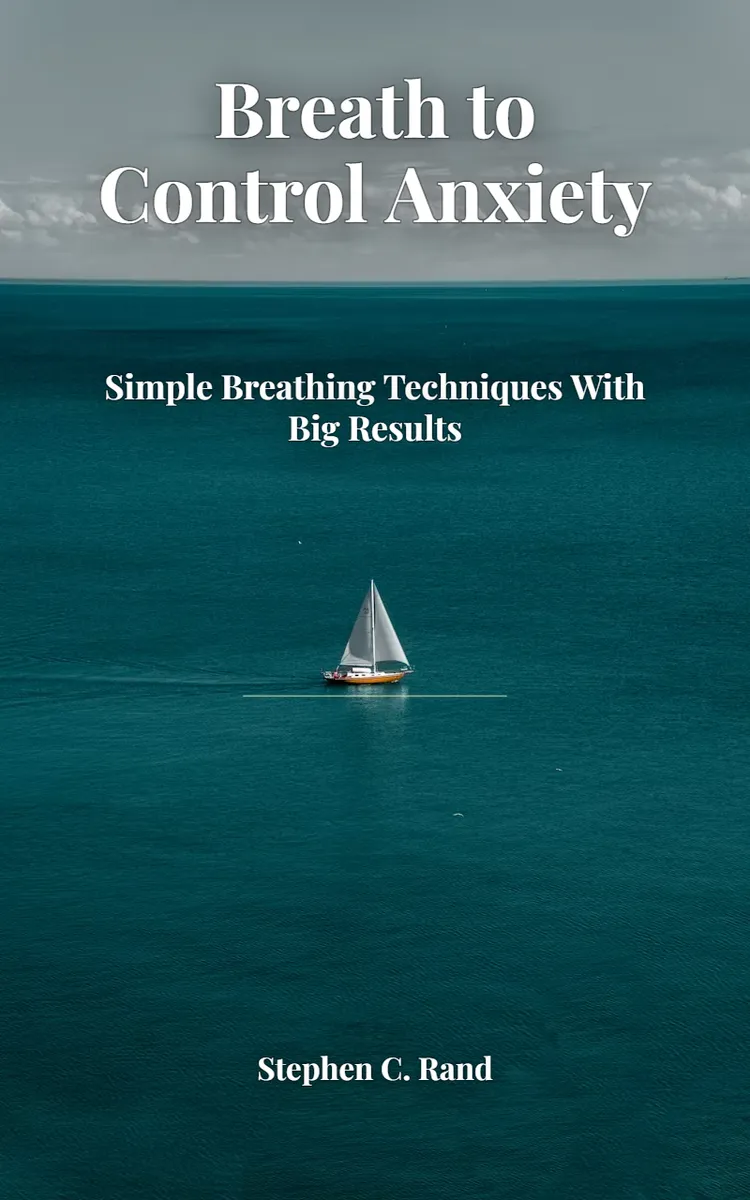
"Breath To Control Nervous Response" is a self-help book by Stephen C. Rand with 6 chapters and approximately 8,532 words. Breathing techniques to manage stress and nervous responses.
This book was created using Inkfluence AI, an AI-powered book generation platform that helps authors write, design, and publish complete books. It was made with the AI Self-Help Book Writer.
Frequently Asked Questions
What is "Breath To Control Nervous Response" about?
Breathing techniques to manage stress and nervous responses
How many chapters are in "Breath To Control Nervous Response"?
The book contains 6 chapters and approximately 8,532 words. Topics covered include Reclaiming Your Breath Identity, Interrupting the Stress Spiral, Calming With Physiological Sighs, Building Breath Habits That Stick, and more.
Who wrote "Breath To Control Nervous Response"?
This book was written by Stephen C. Rand and created using Inkfluence AI, an AI book generation platform that helps authors write, design, and publish books.
How can I create a similar self-help book?
You can create your own self-help book using Inkfluence AI. Describe your idea, choose your style, and the AI writes the full book for you. It's free to start.
Write your own self-help book with AI
Describe your idea and Inkfluence writes the whole thing. Free to start.
Start writingCreated with Inkfluence AI


