
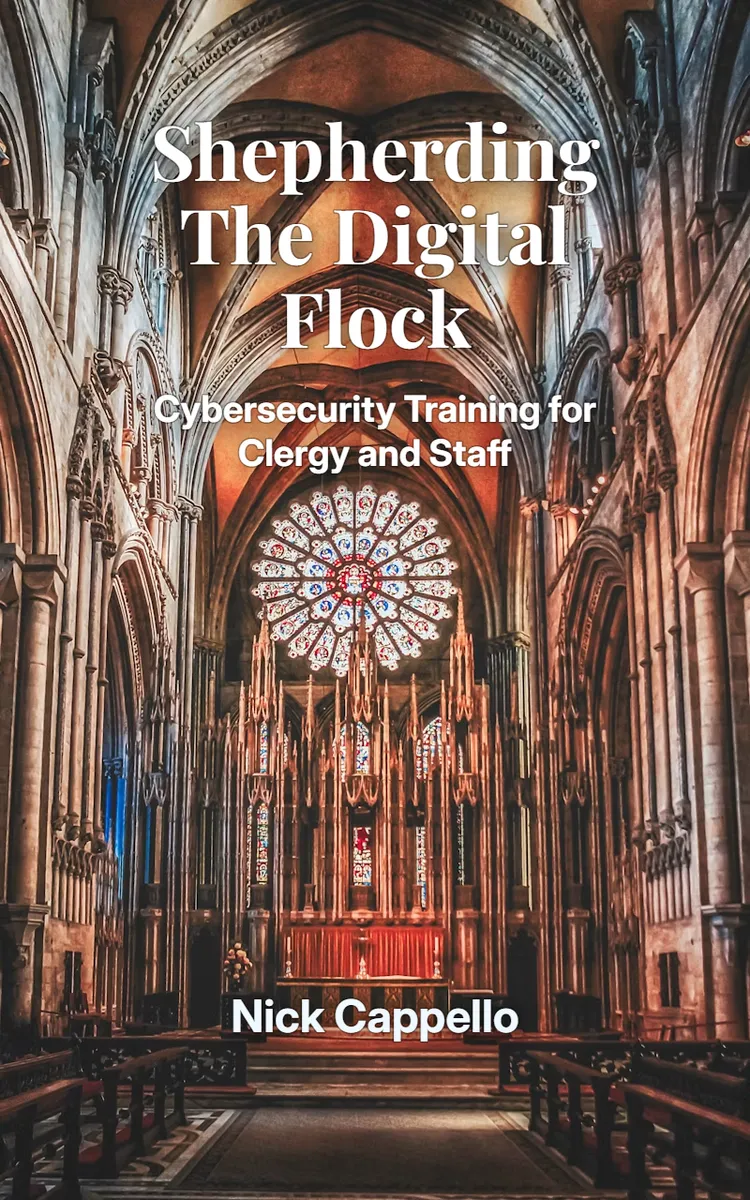
Shepherding the Digital Flock
Created with Inkfluence AI
Table of Contents
- 1. Understanding Cybersecurity in the Church
- 2. Cybersecurity Training for Clergy and Staff
- 3. Protecting Church Data: Best Practices for Parishes
- 4. Recognizing Cybersecurity Threats to Religious Organizations
- 5. Securing Online Donations and Fundraising Platforms
- 6. Privacy Issues in Church Membership Databases
- 7. Digital Evangelization: Cybersecurity Considerations
- 8. Cyber Ethics and Moral Theology in the Digital Age
- 9. Incident Response Planning for Churches
- 10. The Role of Technology in Safeguarding Church Assets
Preview: Understanding Cybersecurity in the Church
A short excerpt from “Understanding Cybersecurity in the Church”. The full book contains 10 chapters and 10,434 words.
The Importance of Cybersecurity for Religious OrganizationsIn the digital age, religious organizations have become increasingly reliant on technology for communication, fundraising, and community engagement. However, with this reliance comes the growing threat of cyberattacks that can compromise sensitive information, disrupt services, and damage the trust of congregants. Cybersecurity is not just a technical issue but a critical component of the ethical stewardship expected from religious leaders. This subchapter explores the importance of robust cybersecurity measures for religious organizations, emphasizing the need for training and awareness among clergy and staff.
One of the primary reasons cybersecurity is vital for religious organizations is the sensitive nature of the data they handle. Churches maintain databases containing personal information about their members, including contact details, donation histories, and even confidential communications with clergy. A data breach can lead to severe consequences, including identity theft and financial loss for congregants. Therefore, implementing strong cybersecurity practices is essential to protect this information from unauthorized access and exploitation.
Additionally, the rise of online donations and fundraising platforms has transformed how religious organizations gather support. While these tools offer convenience and accessibility, they also introduce vulnerabilities that cybercriminals can exploit. Securing these platforms with encryption, secure payment gateways, and regular security audits is crucial to maintaining the integrity of financial transactions and fostering trust within the community. Without proper safeguards, organizations risk losing not only funds but also the goodwill of their supporters.
Cybersecurity training for clergy and church staff is another critical element in safeguarding religious organizations. Often, individuals in these roles may not have a technical background, making them more susceptible to phishing attacks and other social engineering tactics. By providing comprehensive training on recognizing threats, implementing best practices, and responding to incidents, organizations can build a culture of cybersecurity awareness that empowers staff to protect themselves and their congregations effectively.
Finally, as religious organizations engage in digital evangelization and outreach, it is essential to consider the ethical implications of their online presence. The integration of technology into faith practices raises questions about privacy, data ownership, and moral responsibility. By prioritizing cybersecurity, religious leaders can ensure that their digital endeavors align with their ethical values, fostering a safe environment for worship and community building in the digital realm. In conclusion, the importance of cybersecurity for religious organizations cannot be overstated; it is an essential aspect of modern stewardship and a critical safeguard for the church's mission.
Overview of Common Cyber ThreatsIn today's digitally connected world, religious organizations are not immune to the growing array of cyber threats. Common threats such as phishing, ransomware, and data breaches pose significant risks to parishes and church staff. Phishing attacks, where malicious actors impersonate trusted entities to steal sensitive information, can lead to unauthorized access to church financial accounts or membership databases. It is crucial for clergy and church administrators to recognize these threats and understand the methods cybercriminals use to exploit vulnerabilities within their organizations.
Ransomware is another prevalent threat that has targeted various sectors, including religious institutions. In this scenario, attackers encrypt the church's information and demand a ransom for its release. The impact of such attacks can be devastating, disrupting worship services and compromising sensitive member information. Churches must implement robust backup solutions and maintain updated security protocols to mitigate the risks associated with ransomware.
Data breaches represent a critical issue for churches, particularly with the increasing reliance on technology for managing member data and online donations. A breach can expose personal data of congregants, leading to privacy violations and a loss of trust within the community. It is essential for church leaders to prioritize data protection by employing encryption, access controls, and regular security audits to safeguard sensitive information.
In addition to these threats, churches must also be aware of the risks associated with online fundraising platforms. Cybercriminals may target these systems to steal funds or personal details from donors. Educating church staff about secure payment processing and employing trusted platforms can reduce the likelihood of financial fraud....
About this book
"Shepherding the Digital Flock" is a how-to guide book by Nick Cappello with 10 chapters and approximately 10,434 words. It covers key insights and practical takeaways on the topic.
This book was created using Inkfluence AI, an AI-powered book generation platform that helps authors write, design, and publish complete books. It was made with the AI Ebook Generator.
Frequently Asked Questions
What is "Shepherding the Digital Flock" about?
"Shepherding the Digital Flock" is a how-to guide book by Nick Cappello covering key insights and practical takeaways on the topic.
How many chapters are in "Shepherding the Digital Flock"?
The book contains 10 chapters and approximately 10,434 words. Topics covered include Understanding Cybersecurity in the Church, Cybersecurity Training for Clergy and Staff, Protecting Church Data: Best Practices for Parishes, Recognizing Cybersecurity Threats to Religious Organizations, and more.
Who wrote "Shepherding the Digital Flock"?
This book was written by Nick Cappello and created using Inkfluence AI, an AI book generation platform that helps authors write, design, and publish books.
How can I create a similar how-to guide book?
You can create your own how-to guide book using Inkfluence AI. Describe your idea, choose your style, and the AI writes the full book for you. It's free to start.
Write your own how-to guide book with AI
Describe your idea and Inkfluence writes the whole thing. Free to start.
Start writingCreated with Inkfluence AI


