

Read the first chapter
The whole of chapter one, free. About 6 min. Turn the pages with the arrows, your keyboard, or a swipe.
Chapter 1
Understanding Low-GI Eating and Balanced Energy
Chapter 1: Understanding Low-GI Eating and Balanced Energy
A meal built around tender lentils, crisp vegetables, olive oil, and a tangy yogurt dressing can be both satisfying and steadying - without feeling like “health food.” That is the practical idea behind low-GI eating: choose carbohydrate foods thoughtfully, pair them with protein, fiber, and healthy fats, and pay attention to portions and preparation.
The goal is not to make every meal perfect or to ban bread, potatoes, fruit, or dessert. It is to understand how foods work together so your meals are more filling and less likely to deliver a quick rise followed by a sharp drop in energy. Afternoon fatigue and brain fog can have many causes, including poor sleep, stress, dehydration, medication effects, or health conditions. Persistent or troubling symptoms deserve a conversation with a qualified health professional.
What the Glycemic Index Really Measures
The glycemic index, or GI, is a system that compares how quickly a carbohydrate-containing food may raise blood glucose compared with a reference food. Low-GI foods are generally scored at 55 or below, medium-GI foods from 56 to 69, and high-GI foods at 70 or above. These ranges are useful guideposts, not guarantees.
GI applies to specific foods tested under specific conditions. A whole apple, applesauce, and apple juice will not necessarily affect blood glucose in the same way. Cooking, ripeness, processing, and serving size can all change the response. Pasta cooked until just tender may produce a different response from very soft pasta. A large serving can also provide a greater carbohydrate load than a small serving, even when the food itself has a relatively low GI.
A related idea is glycemic load, which considers both the food’s GI and the amount of available carbohydrate in a serving. You do not need to calculate it for every meal, but it explains why portion size matters.
Ask yourself: Is this food a whole or minimally processed carbohydrate? How large is the serving? What else is on the plate? Those questions are often more useful than a single number.
Build the Plate Around Balance
Carbohydrates are not the enemy. They provide energy, and many nutritious foods contain them. The more helpful approach is to combine them with foods that slow digestion and improve satisfaction.
Start with a protein source such as eggs, plain Greek yogurt, fish, chicken, tofu, beans, or lentils. Add plenty of non-starchy vegetables, such as leafy greens, broccoli, peppers, mushrooms, tomatoes, or cucumber. Choose a high-fiber carbohydrate when it fits the meal: oats, barley, quinoa, beans, lentils, or a modest portion of whole-grain bread. Finish with a small amount of unsaturated fat from olive oil, nuts, seeds, avocado, or tahini.
Fiber is the part of plant food your body does not fully digest. It supports fullness and helps slow the release of carbohydrate from some meals. Beans, lentils, vegetables, berries, oats, nuts, and seeds are useful sources. Increase fiber gradually and drink enough fluid, especially if your usual diet has been low in fiber.
A balanced plate does not have to follow exact percentages. A generous portion of vegetables, a palm-sized serving of protein, and a moderate portion of high-fiber carbohydrate is a sensible starting point. Your appetite, activity, age, and health needs may call for adjustments.
Practical takeaway: Think “pair and portion,” not “perfect food.” A piece of fruit with yogurt or whole-grain toast with eggs is usually more satisfying than carbohydrate by itself.
Choose and Prepare Carbohydrates Carefully
The least processed option is not always the only good option, but it is often a useful place to begin. Steel-cut or rolled oats, intact grains, beans, lentils, and whole fruit usually offer more fiber than refined versions or juices. When buying packaged foods, compare labels rather than trusting words such as “multigrain” or “natural.” Look for a meaningful amount of fiber and a short ingredient list when possible.
Preparation matters. Cook grains and pasta until tender but not mushy. Keep vegetables crisp-tender when you can. Cooling and then reheating some starchy foods may change part of their starch into resistant starch, which is digested more slowly; however, this does not make a food automatically low-GI, and individual responses vary.
Acidity can also be useful in cooking. Vinegar, lemon juice, and plain yogurt add brightness and may modestly affect the meal’s glucose response, but they are not a substitute for balanced portions. The same is true of nuts, seeds, and olive oil: they can add staying power, but they also add calories, so a small amount is often enough.
If a recipe includes potatoes, rice, bread, or pasta, you do not need to remove it automatically. Serve a reasonable portion, add protein and vegetables, and notice how the meal affects your hunger and energy later.
Ask yourself: Does this ingredient add fiber, protein, flavor, or texture? If it adds mostly quick carbohydrate, what could I pair with it?
Read Low-GI Claims With Care
GI values come from laboratory testing, and results can vary between varieties, brands, cooking methods, and people. Reliable references include the University of Sydney Glycemic Index Research Service and nutrition guidance from recognized public-health organizations. Even these sources stress that GI is not a complete measure of a food’s nutritional value.
A food can have a low or moderate GI and still be high in calories, sodium, or saturated fat. Conversely, a higher-GI food can fit comfortably into a balanced meal. Watermelon, for example, may have a high GI in some tests but contains relatively little carbohydrate per typical serving. This is why the whole meal and the serving size matter.
The recipes in this book use ingredients commonly associated with steadier meals - legumes, vegetables, whole grains, nuts, seeds, and suitable protein sources - but the recipes should not be treated as guaranteed low-GI prescriptions. Their overall glycemic response depends on the exact ingredients, preparation, and amount served. If you monitor blood glucose, use your own readings and your health professional’s guidance rather than relying on a recipe label.
Chef note: Taste is part of sustainability. Lemon, herbs, spices, toasted seeds, garlic, and a little cheese can make a fiber-rich meal enjoyable enough to prepare again.
Make Balanced Energy Practical
Steadier eating is easier when the kitchen setup supports it. Keep a few dependable ingredients on hand: canned beans with no added salt or rinsed well, frozen vegetables, eggs, plain yogurt, oats, nuts, seeds, and whole grains that cook quickly. These foods make it easier to assemble a balanced meal when time is short.
Notice patterns without judging yourself. Record what you ate, how hungry you were, your energy two or three hours later, and other relevant details such as sleep, stress, movement, or hydration. One tired afternoon does not prove that a particular food caused the problem. Repeated patterns are more useful than isolated observations.
There is no single low-GI eating style that suits everyone. Some people do well with three meals; others prefer smaller meals or snacks. Dietary needs also change with diabetes, pregnancy, kidney disease, digestive conditions, food allergies, and medications. Personal medical guidance should take priority over general cookbook advice.
The main lesson is simple: choose mostly high-fiber carbohydrates, add protein and unsaturated fat, include vegetables, and keep portions realistic. Balanced meals are not about chasing a perfect number. They are about making food choices that leave you nourished, satisfied, and better able to notice what your own body is telling you.
End of chapter one. 9 more chapters in the full book.
Swipe or use the arrows to turn the page


What's inside: 10 chapters
- 1. Understanding Low-GI Eating and Balanced Energy
- 2. Breakfast Recipes for a Strong Start
- 3. Quick Morning Meals for Busy Days
- 4. Lunches for Satisfying, Steady Energy
- 5. Easy Workday Meals to Beat the Afternoon Slump
- 6. Protein-Rich Snacks and Smart Bites
- 7. Quick Dinners for Busy Evenings
- 8. Brain-Fuel Smoothies and Simple No-Cook Options
- 9. Seven-Day Meal Plan and Grocery Shopping Guide
- 10. Your Personal Recipe and Energy Tracker
About this book
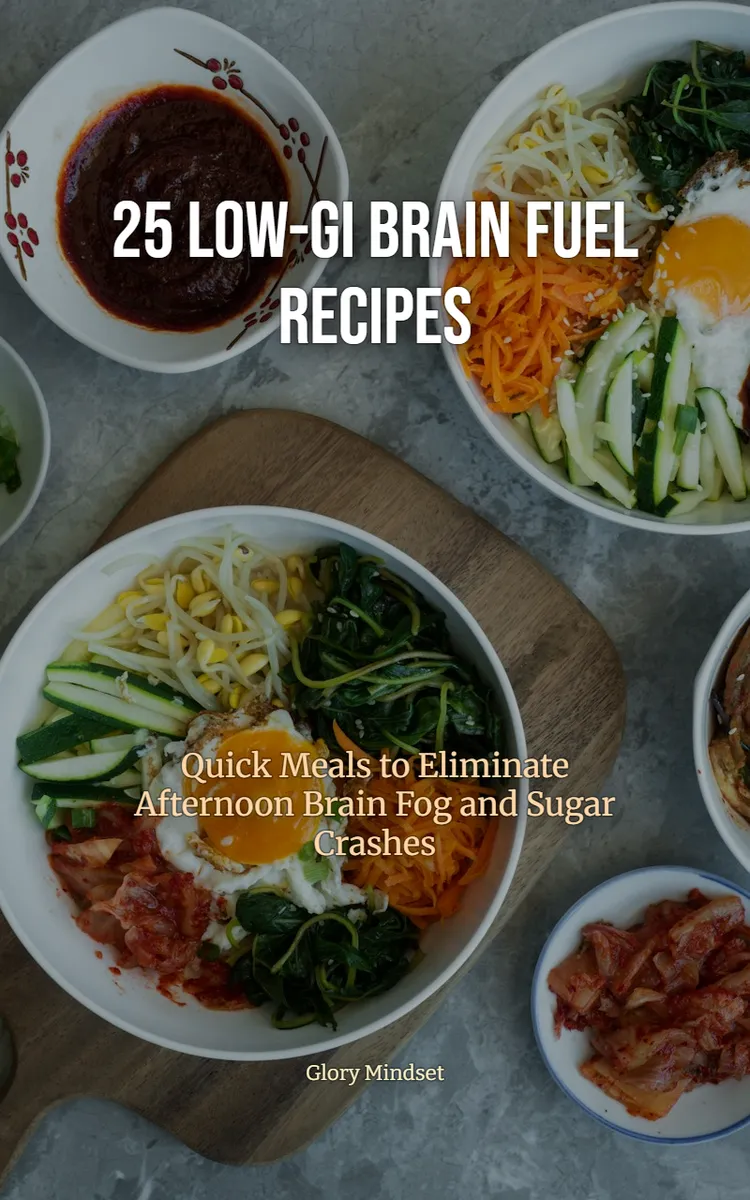
"25 Low-GI Brain Fuel Recipes" is a cookbook by Glory Mindset with 10 chapters and approximately 10,878 words. Low-GI recipes, meal planning, and practical tools for balanced everyday eating.
This book was created using Inkfluence AI, an AI-powered book generation platform that helps authors write, design, and publish complete books. It was made with the AI Cookbook Generator.
Frequently Asked Questions
What is "25 Low-GI Brain Fuel Recipes" about?
Low-GI recipes, meal planning, and practical tools for balanced everyday eating
How many chapters are in "25 Low-GI Brain Fuel Recipes"?
The book contains 10 chapters and approximately 10,878 words. Topics covered include Understanding Low-GI Eating and Balanced Energy, Breakfast Recipes for a Strong Start, Quick Morning Meals for Busy Days, Lunches for Satisfying, Steady Energy, and more.
Who wrote "25 Low-GI Brain Fuel Recipes"?
This book was written by Glory Mindset and created using Inkfluence AI, an AI book generation platform that helps authors write, design, and publish books.
How can I create a similar cookbook?
You can create your own cookbook using Inkfluence AI. Describe your idea, choose your style, and the AI writes the full book for you. It's free to start.
Write your own cookbook with AI
Describe your idea and Inkfluence writes the whole thing. Free to start.
Start writingCreated with Inkfluence AI


