

Read the first chapter
The whole of chapter one, free. About 8 min. Turn the pages with the arrows, your keyboard, or a swipe.
Chapter 1
Bar Basics and Service Flow
A Bar That Works Before Guests Arrive
A bartender once opened a busy shift by reaching for a bottle of gin and finding an empty shelf, a wet bar mat, and no clean strainer. The first drink took too long, the next order backed up, and small problems spread across the service. The issue did not start with the guests. It started during setup.
A good bar setup gives every tool, bottle, glass, and supply a clear place. A clear service flow helps you move from greeting to order, preparation, delivery, payment, and reset without guessing. This matters because guests notice delays, missing items, dirty glassware, and confused handoffs before they notice your technique.
After learning this system, you will know how to prepare a station, understand the basic roles behind the bar, follow the Bar Ladder Workflow from opening to closing, and keep service moving during a real shift. You will also know what to check when the bar becomes crowded. Ask yourself before service begins: Can I make the first three common drinks without leaving my station?
Build the Bar Ladder Workflow
The Bar Ladder Workflow moves upward through five connected levels: prepare, receive, make, deliver, and reset. Each level supports the next. If you skip preparation, drink-making slows down. If you skip the reset, the next order starts with dirty tools and missing supplies.
Start by setting up the station in the order your hands will use it. Place the cutting board, knife, ice scoop, jigger, Boston shaker, strainer, muddler, bar spoon, pour tops, wine opener, and clean towels where you can reach them without crossing in front of another bartender. Keep the ice scoop outside the ice bin, with the handle facing up. This prevents the handle from touching the ice.
Arrange bottles by use, not only by brand. Keep the most-used spirits - such as vodka, gin, rum, tequila, and whiskey - within easy reach. Place mixers, juices, bitters, syrups, and garnishes close to the preparation area. Store backup bottles below or behind the working row. This arrangement reduces unnecessary steps and helps you notice low stock before service becomes urgent.
A bar team may include several roles. One bartender may take orders, another may prepare drinks, and a barback may refill ice, glassware, beer, napkins, and garnishes. In a smaller bar, one person may handle every role. The job still works best when you treat each task separately. The following sequence gives each action a clear purpose:
1. Prepare the station. Check tools, glassware, ice, bottles, mixers, garnishes, napkins, straws, and cleaning supplies. You prevent avoidable delays by finding problems before the first order. 2. Receive the order. Listen fully, repeat the order, confirm important details, and check identification when required. Repeating the order catches mistakes before you pour. 3. Make the drink. Select the correct glass, measure with a jigger, use fresh ice when needed, and follow the drink’s build order. Measuring keeps flavor and alcohol strength consistent. 4. Deliver the drink. Wipe the outside of the glass, place it safely, name the drink, and confirm the guest received the correct order. This creates a clean handoff. 5. Reset the station. Rinse tools, remove waste, replace bottles, wipe spills, and refill supplies. A reset keeps the next order from inheriting the last order’s mess.
Use a small opening check rather than relying on memory. Count enough clean highball glasses, rocks glasses, wine glasses, beer glasses, and cocktail glasses for the expected rush, then add a working reserve. Check that the ice bin holds enough ice for the first service period and that the beer cooler reaches serving temperature according to your workplace standard. Never guess about temperature, stock, or cleaning rules; follow the bar’s written policy.
The core lesson is simple: place each item where the next action needs it. A station should make the correct movement easy and the wrong movement inconvenient. Before moving on, point to each tool and say what job it handles. If you cannot find the jigger, strainer, or wine opener quickly, the station still needs work.
Follow Service From Open to Close
A realistic shift begins before guests enter. Suppose you open a small bar at 4:00 p.m., expect the first guests at 5:00 p.m., and anticipate a dinner rush at 7:00 p.m. Use the following sequence:
1. 4:00 p.m. - Unlock and inspect. Check the floor, bar top, sinks, refrigeration, glasswasher, lights, and emergency exits. Look for broken glass, leaks, spoiled juices, or equipment that does not work. Report problems before guests arrive. 2. 4:10 p.m. - Set the station. Wash your hands, sanitize the work surface, place clean bar mats, and set out the Boston shaker, strainer, jigger, bar spoon, muddler, knife, cutting board, and wine opener. Keep the tools dry and easy to reach. 3. 4:20 p.m. - Check stock. Count the main spirits, wine, beer, mixers, syrups, garnishes, napkins, straws, and takeaway supplies. Record low items and bring backups forward. A bottle with only one or two drinks left should not surprise you during a rush. 4. 4:30 p.m. - Prepare fresh items. Cut only the amount of lemon, lime, orange, and other garnishes your workplace can safely use during the shift. Label juices and other prepared ingredients with the preparation time and follow the bar’s food-safety rules. 5. 4:40 p.m. - Prepare glassware and ice. Polish clean glasses with a suitable cloth, remove chipped or cracked glasses, fill the ice bin, and place the scoop outside the bin. Never serve a damaged glass. 6. 4:50 p.m. - Review roles. Confirm who greets guests, who takes orders, who makes drinks, who runs drinks, and who refills supplies. If one bartender handles all tasks, decide when you will pause to restock so the station does not run empty. 7. 5:00 p.m. - Receive guests and orders. Greet guests, offer menus if needed, check identification when required by local law and workplace policy, and listen for allergies or special requests. Repeat the order before starting the drink. 8. During service - Batch similar actions carefully. Make two similar drinks together when the orders allow it, but keep each order separate. Place the correct glasses together, measure each drink, and read the tickets again before delivery. 9. During the rush - Reset continuously. Rinse the shaker after each use, return bottles to their places, wipe spills immediately, empty waste before it overflows, and ask for a refill before ice or glassware runs out. Small resets take seconds; a full station recovery can stop service. 10. At closing - Close in stages. Stop new orders according to the manager’s instruction, finish open tickets, collect payment, clean tools, seal and label approved ingredients, store bottles correctly, wash and sanitize surfaces, empty or secure ice as required, clean the sinks, and take out waste. 11. Final check - Leave the next shift a working station. Confirm that glassware is clean, equipment is off or set according to policy, refrigerators are closed, floors are dry, and low stock is recorded. A written note such as “lime juice low” helps the next bartender start accurately.
Picture a guest ordering a gin and tonic, a bottled lager, and a glass of red wine at 7:05 p.m. First, repeat the three-item order. Select the correct glasses: a highball or other approved tall glass for the gin and tonic, the required beer glass or bottle service for the lager, and a wine glass for the red wine. Measure the gin with a jigger, add ice and tonic, open or pour the beer according to house practice, and pour the wine without touching the bottle to the glass. Deliver all three together when possible, name each drink, and check the table or seat number. The expected outcome is one complete, accurate handoff instead of three separate trips.
Quick checklist
• Check the bar, sinks, refrigeration, glasswasher, and floor. - Sanitize the work surface and place clean bar mats. - Set out the jigger, Boston shaker, strainer, muddler, bar spoon, knife, and wine opener. - Bring common spirits and mixers within reach. - Check clean glassware for chips, cracks, and water spots. - Fill the ice bin and keep the scoop outside it. - Prepare, label, and store garnishes and juices according to policy. - Confirm team roles before guests arrive. - Repeat every order before making it. - Reset tools, bottles, ice, and glassware throughout service. - Finish open tickets before beginning closing work. - Record low stock and equipment problems for the next shift.
Your practical test is the 7:05 p.m. order: can you prepare, deliver, and reset without losing track of any item?
Fix Breaks in the Flow
The station starts empty
A bartender may begin service with one clean jigger, no backup tonic, and only a few usable wine glasses. The first rush then turns setup mistakes into guest delays. Fix the problem by completing the opening check before unlocking the service area. Count glassware, check ice, bring backups forward, and write down shortages.
Do this: Keep a short opening sheet and mark each item after checking it.
Not this: Rely on memory while guests are already waiting.
Orders become mixed together
When several tickets arrive, beginners often place similar glasses side by side and lose track of which drink belongs to which guest. Keep each ticket grouped on one part of the bar. Read the order before building, after building, and before delivery. Use seat numbers, names, or table numbers when the workplace uses them.
Do this: Say “gin and tonic, lager, red wine, table four” before carrying the drinks.
Not this: Hand over a drink and ask, “Who ordered this?” in a crowded area.
Closing begins before service ends
Cleaning too early can remove tools, glasses, or ingredients that guests still need. Closing also creates safety problems if you leave spills, open containers, or wet floors. Follow the closing order: finish tickets, secure ingredients, wash tools, sanitize surfaces, remove waste, and complete the final equipment check.
Do this: Ask the manager when the bar may stop taking orders, then close one section at a time.
Not this: Put away the jigger or empty the ice bin while active orders still require them.
A guest asks for a drink while you handle another order
Do not abandon a drink halfway through or pour from memory while distracted. Acknowledge the guest, finish the measured step safely, then take the next order. If the bar has a queue system, use it. If you work alone, tell the guest clearly that you will take the order after completing the current one. This keeps service fair and prevents forgotten drinks.
A strong service flow does not mean rushing every movement. It means knowing what happens next and keeping the station ready for it. When the Bar Ladder Workflow becomes a habit, opening, serving, and closing connect into one clean routine - the foundation for every glass you prepare.
End of chapter one. 21 more chapters in the full book.
Swipe or use the arrows to turn the page

Tonic And Twist Bartending Lesson Book

Kenleigh And Ollie's Birthday Hunt

Kenleigh And Ollie's Northpole Adventure
What's inside: 22 chapters
- 1. Bar Basics and Service Flow
- 2. Essential Glassware Identification Test
- 3. Liquor Glasses and Uses
- 4. Wine Glasses for Every Style
- 5. Beer Glasses and Pour Targets
- 6. Boston Shaker Setup and Technique
- 7. Muddler Use for Fresh Flavor
- 8. Strainer Types and When to Use
- 9. Jigger Measuring for Consistent Drinks
- 10. Wine Opener and Bottle Handling
- 11. Reusable Corks and Pour Tops
- 12. Proper Beer Pour: Head and Angle
- 13. Lager vs Stout vs Light Beer
- 14. Beer Styles: Aroma and Serving Tips
- 15. Liquor and Spirits Starter List
- 16. How to Build a Liquor Knowledge Map
- 17. Wine Types: Red, White, Sparkling
- 18. Champagne and Spritzers Service Basics
- 19. ID Checking and Responsible Service
- 20. Pouring Liquor: Clean Lines and Speed
- 21. Putting It Together: Build a Sample Order
- 22. Final Glass Test and Service Checklist
About this book
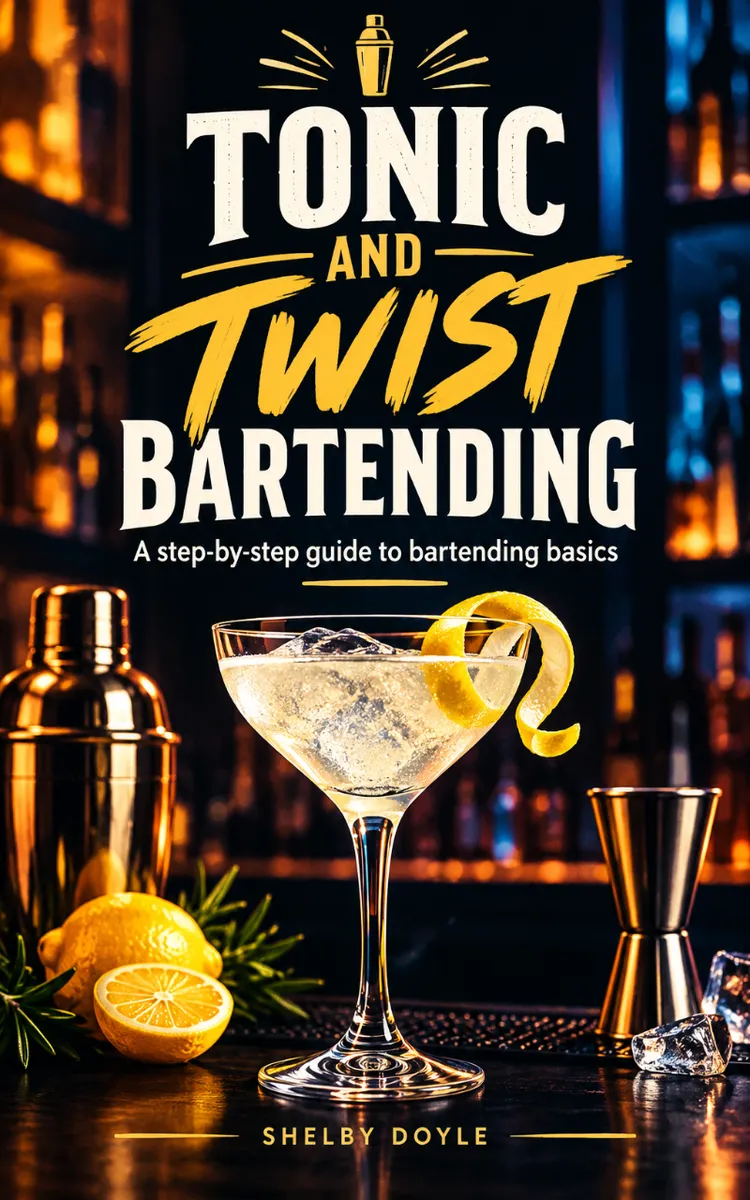
"Tonic And Twist Bartending" is a how-to guide book by Shelby Doyle with 22 chapters and approximately 39,488 words. Bartending instruction covering barware, glassware, pours, and drinks.
This book was created using Inkfluence AI, an AI-powered book generation platform that helps authors write, design, and publish complete books. It was made with the AI Ebook Generator.
Frequently Asked Questions
What is "Tonic And Twist Bartending" about?
Bartending instruction covering barware, glassware, pours, and drinks
How many chapters are in "Tonic And Twist Bartending"?
The book contains 22 chapters and approximately 39,488 words. Topics covered include Bar Basics and Service Flow, Essential Glassware Identification Test, Liquor Glasses and Uses, Wine Glasses for Every Style, and more.
Who wrote "Tonic And Twist Bartending"?
This book was written by Shelby Doyle and created using Inkfluence AI, an AI book generation platform that helps authors write, design, and publish books.
How can I create a similar how-to guide book?
You can create your own how-to guide book using Inkfluence AI. Describe your idea, choose your style, and the AI writes the full book for you. It's free to start.
Write your own how-to guide book with AI
Describe your idea and Inkfluence writes the whole thing. Free to start.
Start writingCreated with Inkfluence AI


