
Read the first chapter
The whole of chapter one, free. About 8 min. Turn the pages with the arrows, your keyboard, or a swipe.
Chapter 1
Chapter 1: Counting the Real Cost
A truck can pay your bills while quietly charging you with your time, strength, sleep, and family life. The paycheck tells only part of the story. The rest shows up when your back hurts after a short walk, when you miss another birthday, or when you realize that “home time” means sitting in the driveway too tired to talk.
Recruiters sell the seat, the miles, and the sign-on money. They usually do not explain what the work asks from your body and your relationships every day. You need that truth before you commit, because trucking does not only change where you work. It changes how you sleep, eat, move, communicate, and plan your life.
Explain the True Physical Cost of Trucking
Your body pays first. A driver may sit behind the wheel for hours, climb in and out of the cab, pull a loaded trailer door, connect lines, inspect equipment, handle freight, and sleep in a narrow bunk. None of those tasks sounds impossible by itself. The problem comes from repeating them while carrying fatigue from the previous day.
Long sitting can leave your hips, knees, neck, and lower back stiff. Climbing into the cab puts pressure on your knees and ankles. Pulling a stuck fifth-wheel handle or wrestling with trailer doors can strain your shoulders and back. Weather makes every outside task harder. Rain chills your hands. Heat drains you while you work on asphalt. Ice turns a simple walk across a parking lot into a real fall hazard.
Do not judge the job by the time your wheels move. Your shift includes waiting, backing, fueling, checking tires, dealing with paperwork, loading, unloading, and finding a safe place to park. A delay can push your entire day later without reducing the work you still must finish. When you finally stop, you may need to secure the truck, clean your space, eat, shower, and prepare for the next departure.
Your sleep also takes a hit. You may sleep beside a running refrigeration unit, near idling trucks, under bright parking-lot lights, or in a place where noise starts before your alarm. A bunk gives you a place to lie down, but it does not guarantee deep rest. Changing delivery times can force you to sleep during daylight or wake before your body feels ready.
Start with an honest physical check before you accept a job. Ask yourself:
• Can I climb into and out of a truck repeatedly without sharp pain? - Can I stand, walk, bend, and pull safely after several hours of driving? - Can I handle freight or trailer equipment without pretending an injury does not exist? - Can I sleep in a small space with noise, changing temperatures, and an irregular schedule? - Do I already have a condition that long sitting, vibration, or heavy work could worsen?
A “yes” to the last question does not automatically end your trucking plans. It means you need medical guidance before you turn a temporary problem into a permanent one. Do not hide pain during training or a physical examination. Pain that you ignore on the road can become the reason you cannot work later.
The physical cost also includes what you stop doing. You may skip exercise because you feel worn out. You may buy fast food because the next safe parking spot matters more than finding a decent meal. You may postpone dental care, appointments, or basic maintenance at home because your schedule keeps shifting. Small neglect becomes a larger problem when you repeat it for months.
The practical takeaway is simple: treat your body as work equipment that you must maintain, not as something that will automatically keep up. Before you commit, test your ability to handle the basic movements of the job and ask a health professional about any condition that could affect your safety.
The Mental Load Hidden Behind the Windshield
Driving does not become easy just because you sit down. You must watch traffic, mirrors, weather, road conditions, signs, blind spots, changing speed limits, construction, and other drivers who make bad decisions around a heavy vehicle. You must stay alert even when the road looks boring. That constant attention wears you down.
A truck also gives you less room for mistakes. A missed turn can create a long detour. A bad backing angle can damage property or equipment. A moment of distraction can cause serious harm. You carry that pressure while dispatchers, customers, and appointment times continue to push from different directions.
Stress often grows from the parts of the job that you cannot control. A shipper may keep you waiting for hours. A parking lot may fill before you arrive. Traffic may turn a reasonable delivery plan into a late arrival. Mechanical trouble can leave you sitting far from home. You still need to communicate clearly and make safe decisions while frustration builds.
Fatigue makes that mental load more dangerous. Fatigue means your body and mind cannot perform at their normal level because you lack enough rest. It can slow your reactions, reduce your patience, and make ordinary decisions feel harder. Coffee may make you feel more awake, but it does not replace sleep. If you catch yourself missing signs, forgetting the last few miles, rubbing your eyes, or feeling angry at every vehicle around you, treat those signs as warnings. Pull over safely and rest instead of trying to prove toughness.
Loneliness adds another layer. You can spend long stretches with no face-to-face conversation beyond a brief exchange at a fuel desk or loading dock. Phone calls help, but they do not replace being present with people. Some drivers handle solitude well at first and struggle later, especially when stress, poor sleep, and missed family events pile up.
Create a basic mental check before every shift. Ask yourself:
• Did I get enough real sleep to drive safely? - Am I angry, anxious, sick, or distracted enough to make poor decisions? - Do I have a safe plan if I become too tired to continue? - Can I tell dispatch that I need time to stop without taking unsafe risks?
You need a clear answer before you move the truck. Safety does not improve when you hide a problem from dispatch or yourself. Write down the warning signs that show up when you are overloaded, then tell someone you trust what those signs look like. That person can notice changes you might dismiss.
The mental takeaway: trucking demands judgment every mile, not just steering skill. Protect your decision-making by taking fatigue seriously, communicating early, and refusing to let a deadline push you into an unsafe choice.
Family Sacrifices That Recruiters Never Mention
The hardest part of trucking may wait at home. Your family does not experience your work as miles, loads, or fuel stops. They experience it as an empty chair, a missed call, a postponed repair, or a parent who returns home physically present but mentally worn out.
Home time can sound better than it feels. After days away, you may spend the first hours catching up on sleep, laundry, errands, and basic chores. Your partner may expect conversation, help, and attention because you are finally home. You may want quiet because your mind still feels stuck in traffic. Neither side automatically becomes wrong. The conflict comes from expecting home time to repair every loss at once.
Children may not understand why you cannot attend a game, school event, appointment, or holiday. They may hear that you are working for the family, yet still feel that you chose the road over them. A phone call helps, but it does not replace showing up. You need to discuss this honestly before you start, especially if your children depend on you for daily care.
Partners carry sacrifices too. The person at home may handle bills, repairs, emergencies, school matters, pets, and household decisions alone. That workload can create resentment even when both people understand why you took the job. Your partner may also worry when weather, traffic, or a delayed check-in keeps you unreachable.
Do not leave family expectations vague. Before your first run, agree on practical details:
• How often will you call or video chat? - What will you do if a delivery prevents a planned call? - Who handles urgent home decisions while you drive? - How will you share bills and important account information? - What counts as real home time, rather than time spent sleeping or running errands? - How will you handle holidays, birthdays, school events, and emergencies?
Put those agreements somewhere both of you can review. A written plan does not remove every argument, but it prevents people from relying on different assumptions. If you promise a call at a certain time, keep it when you can. If the schedule changes, communicate before the missed call becomes a story in someone else’s head.
You also need an emergency plan. Give a trusted person access to the information they may need if you cannot respond, including insurance details, important contacts, vehicle information, and household instructions. Keep your own list updated. The point is not to expect disaster. The point is to prevent confusion when a real problem occurs.
Talk about money without using the paycheck as the only measure of success. A larger check may not feel like a gain if the work creates childcare problems, extra travel costs, relationship damage, or health issues. Ask your household what the job must accomplish to justify the time away. If nobody can answer that question, the family may drift into sacrifice without a clear purpose.
The family takeaway: trucking works best when the people at home understand the schedule, the pressure, and the limits of your availability. Do not promise that you will “make it up” later. Set realistic expectations now and prove your commitment through consistent communication.
Count the Cost Before You Sign On
Write down what the job will take from you each week: nights away, missed events, long periods of sitting, irregular sleep, physical strain, and time spent handling problems after the driving ends. Then write down what your household needs from you. Compare the two lists without sales language.
Ask yourself one final question: if the money arrives exactly as promised, can I still live with the schedule and sacrifices? If the answer is no, more money will not solve the real problem. If the answer is yes, enter trucking with open eyes instead of recruiter-made expectations.
The road can provide a living, but it will not protect your health, relationships, or peace of mind for you. You have to count those costs before the first dispatch, not after they become the price of staying.
End of chapter one. 3 more chapters in the full book.
Swipe or use the arrows to turn the page
What's inside: 4 chapters
- 1. Chapter 1: Counting the Real Cost
- 2. Chapter 2: Choosing the Right Company
- 3. Chapter 3: The End Game
- 4. Chapter 4: Survival Checklist
About this book
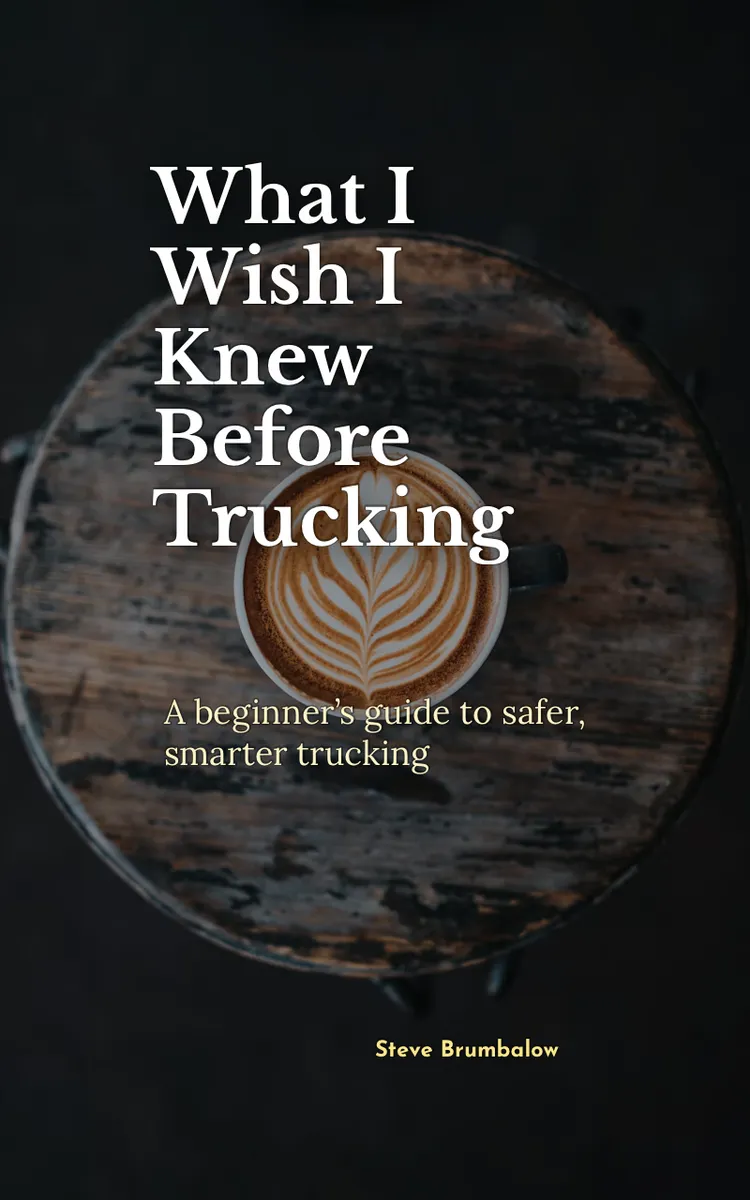
"What I Wish I Knew Before Trucking" is a how-to guide book by Steve Brumbalow with 4 chapters and approximately 6,757 words. The real costs, company choices, exit planning, and survival essentials of trucking.
This book was created using Inkfluence AI, an AI-powered book generation platform that helps authors write, design, and publish complete books. It was made with the AI Ebook Generator.
Frequently Asked Questions
What is "What I Wish I Knew Before Trucking" about?
The real costs, company choices, exit planning, and survival essentials of trucking
How many chapters are in "What I Wish I Knew Before Trucking"?
The book contains 4 chapters and approximately 6,757 words. Topics covered include Chapter 1: Counting the Real Cost, Chapter 2: Choosing the Right Company, Chapter 3: The End Game, Chapter 4: Survival Checklist.
Who wrote "What I Wish I Knew Before Trucking"?
This book was written by Steve Brumbalow and created using Inkfluence AI, an AI book generation platform that helps authors write, design, and publish books.
How can I create a similar how-to guide book?
You can create your own how-to guide book using Inkfluence AI. Describe your idea, choose your style, and the AI writes the full book for you. It's free to start.
Write your own how-to guide book with AI
Describe your idea and Inkfluence writes the whole thing. Free to start.
Start writingCreated with Inkfluence AI


