
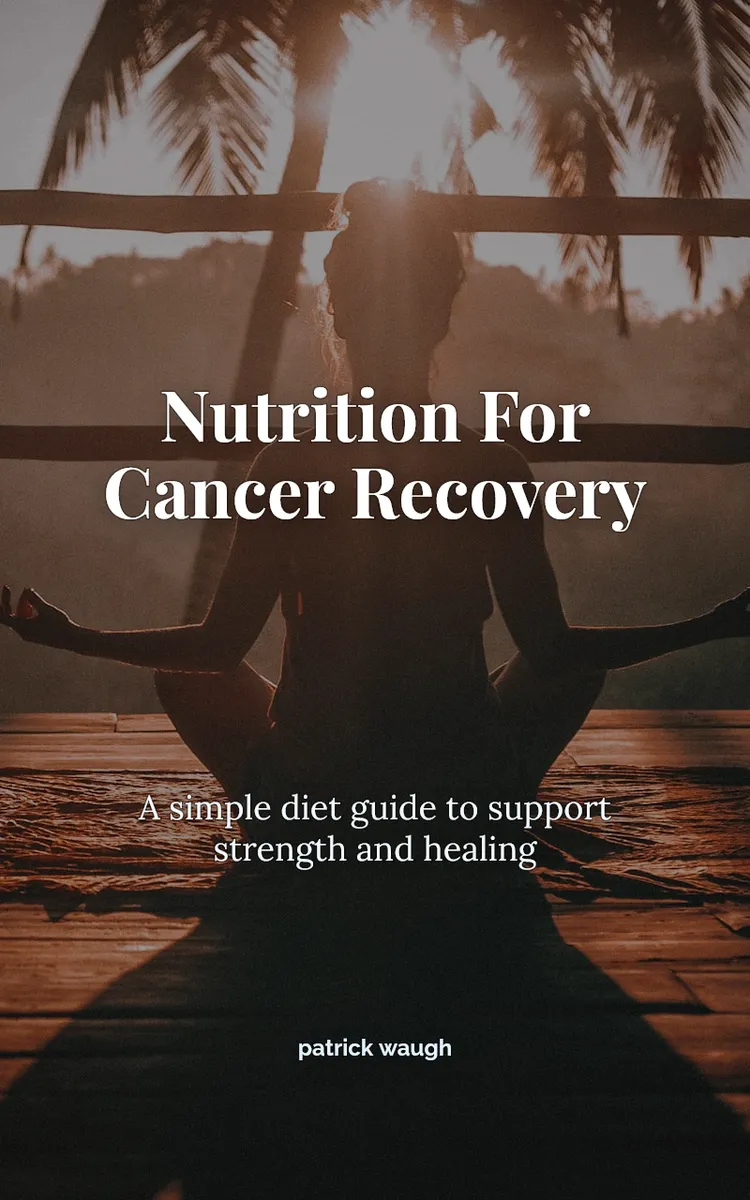
Nutrition For Cancer Recovery
Created with Inkfluence AI
Step-by-step nutritional diet guidance for people living with cancer
Table of Contents
- 1. Cancer Nutrition Basics for Recovery
- 2. Protein Targets and Easy Meal Builds
- 3. Anti-Inflammatory Foods That Fit Your Day
- 4. Managing Nausea With Gentle Nutrition
- 5. Diarrhea and Constipation Food Protocols
- 6. Neutropenia and Food Safety Steps
- 7. Managing Weight Loss and Muscle Loss
- 8. Supplements, Herbs, and Nutrition Timing
Preview: Cancer Nutrition Basics for Recovery
A short excerpt from “Cancer Nutrition Basics for Recovery”. The full book contains 8 chapters and 14,866 words.
The Healing Plate Compass: What Calories, Protein, and Timing Can Do
Could your meals support your strength during treatment even when your appetite, taste, or energy changes from day to day? The Healing Plate Compass gives you a simple way to plan around three needs: enough calories for energy, enough protein to help maintain muscle and repair tissue, and steady meal timing so your body is not asked to do all its work on an empty tank.
Rosa, 46, is preparing for cancer treatment. Some days she expects to eat normally; other days, nausea or fatigue may make a full meal difficult. Her goal is not to follow a perfect menu. It is to have a flexible pattern she can use on good days and difficult days: three eating opportunities, protein included regularly, and small additions that increase calories when her appetite is low.
Who this is for: This guidance is for adults living with cancer or preparing for treatment who want a practical starting point for food and meal timing. It is not a substitute for advice from an oncology team or registered dietitian. Kidney disease, diabetes, swallowing problems, severe weight loss, food allergies, or treatment-related restrictions may require an individualized plan.
The key benefits are simple:
- You can notice whether your meals contain enough energy and protein.
- You can use smaller, more frequent meals when large portions feel difficult.
- You can prepare a basic daily pattern before treatment days become tiring.
- You can recognize when eating problems need prompt professional support.
Today’s practical takeaway is to think in three questions: Where are my calories coming from? Where is my protein? When will I eat next?
Why Calories, Protein, and Timing Matter
Calories are the energy your body uses for breathing, movement, temperature control, and repair. During cancer and its treatment, energy needs may change. Poor appetite, nausea, pain, mouth sores, diarrhea, constipation, stress, or changes in taste can make it harder to eat enough. Some people also use more energy because of inflammation or increased physical effort.
When calories are too low for too long, the body may draw on stored fat and muscle. Weight loss is not always harmful, but unplanned or rapid loss can make it harder to maintain strength. A scale cannot tell the whole story, so notice other signs too: looser clothing, reduced walking ability, increasing tiredness, or difficulty completing normal tasks.
Protein is made of building blocks called amino acids. Your body uses them to maintain muscle, support immune function, and repair skin and other tissues. Protein does not “cure” cancer, and more is not always better. The useful goal is to include a protein food regularly rather than trying to consume a large amount at one meal.
Protein foods may include eggs, yogurt, milk, cheese, fish, chicken, lean meat, tofu, tempeh, beans, lentils, and smooth nut or seed butter. If chewing is difficult, softer choices such as yogurt, scrambled eggs, blended soups with beans, or a nutrition drink recommended by your care team may be easier.
Meal timing matters because long gaps can make it difficult to catch up later. A person who skips breakfast, eats little at lunch, and then feels nauseated at dinner may not be able to replace those missed calories and protein at night. A regular pattern also makes it easier to take prescribed medicines as directed when they need food, although medicine instructions should always come from your clinician or pharmacist.
The main barriers usually fall into several groups:
1. Reduced appetite: Food may seem uninteresting, or fullness may arrive quickly.
2. Treatment symptoms: Nausea, diarrhea, constipation, mouth soreness, dry mouth, or taste changes can reduce intake.
3. Higher demands: The body may need more support during healing, while fatigue makes shopping and cooking harder.
4. Food restrictions: Kidney, liver, heart, or blood sugar concerns may change which foods and drinks fit safely.
Rosa can use this information without calculating a perfect number. At breakfast, she might choose oatmeal made with milk and add yogurt. At lunch, she could have a bean-and-cheese quesadilla with avocado. At dinner, fish, rice, and cooked vegetables may provide a balanced meal. If a full plate feels impossible, half portions eaten more often still count.
Ask yourself: If my appetite dropped tomorrow, which two protein foods would be easiest for me to eat? Naming them now turns a general intention into a usable plan.
A Daily Template You Can Start Today
The Healing Plate Compass is a check-in, not a rigid diet. At each eating time, look for three points: an energy source, a protein source, and a time for the next eating opportunity. Begin with the following schedule for seven days, then adjust it with your care team if symptoms or medical conditions require changes.
1....
About this book
"Nutrition For Cancer Recovery" is a health & wellness book by Anonymous with 8 chapters and approximately 14,866 words. Step-by-step nutritional diet guidance for people living with cancer.
This book was created using Inkfluence AI, an AI-powered book generation platform that helps authors write, design, and publish complete books. It was made with the AI Health Book Generator.
Frequently Asked Questions
What is "Nutrition For Cancer Recovery" about?
Step-by-step nutritional diet guidance for people living with cancer
How many chapters are in "Nutrition For Cancer Recovery"?
The book contains 8 chapters and approximately 14,866 words. Topics covered include Cancer Nutrition Basics for Recovery, Protein Targets and Easy Meal Builds, Anti-Inflammatory Foods That Fit Your Day, Managing Nausea With Gentle Nutrition, and more.
Who wrote "Nutrition For Cancer Recovery"?
This book was written by Anonymous and created using Inkfluence AI, an AI book generation platform that helps authors write, design, and publish books.
How can I create a similar health & wellness book?
You can create your own health & wellness book using Inkfluence AI. Describe your idea, choose your style, and the AI writes the full book for you. It's free to start.
Write your own health & wellness book with AI
Describe your idea and Inkfluence writes the whole thing. Free to start.
Start writingCreated with Inkfluence AI


