

Read the first chapter
The whole of chapter one, free. About 11 min. Turn the pages with the arrows, your keyboard, or a swipe.
Chapter 1
Preparing for a Calm Arrival
When Preparation Feels Bigger Than the Baby
The nursery may still need arranging when your phone fills with advice, product links, and hospital lists. A small pile of baby clothes can somehow make the whole arrival feel urgent. That overwhelmed feeling makes sense. You are preparing for birth, recovery, feeding, sleep changes, and a new person at the same time.
You do not need every product or a perfectly organized home. You need a short list of useful items, a few decisions made ahead of time, and enough comfort to get through ordinary hard moments. The Less-But-Ready Principle keeps preparation simple: choose fewer things, but make each one easy to find and ready to use.
By the end of these lists, you can pack one focused hospital bag, set up the essentials for the first 30 days, and remove small decisions from tired days. The goal is not a picture-perfect start. The goal is peace of mind when you need it.
Ask yourself one question as you prepare: “Will this help us eat, sleep, heal, travel safely, or feel more comfortable?” If the answer is no, leave it off the list for now.
The Less-But-Ready Principle in Practice
The Less-But-Ready Principle has three parts. Each part prevents a different kind of stress.
1. Choose the minimum useful amount. Pack two comfortable outfits instead of six. Keep five or six onesies in rotation instead of buying every size. Fewer choices make tired mornings easier. 2. Place essentials where you will use them. Put feeding supplies near the chair where feeds happen. Keep a recovery basket beside the toilet. Easy access matters when you hold a sleeping baby or move carefully. 3. Prepare for the next problem, not every possible problem. Stock diapers, wipes, food, clean clothes, and basic comfort items. Do not fill your home with products for situations you may never face.
This approach works because newborn days repeat. You will feed, change, rest, wash a few things, and repeat. A small supply within reach saves more energy than a large supply stored in an inconvenient place.
Start with the hospital bag. Pack it by the beginning of the final month of pregnancy, then place it near the door or in the car. Add items that you use daily only after you leave for the hospital. Keep a short note on top that says “phone, wallet, keys, glasses, medications.” That note catches the items people most often grab at the last minute.
Hospital Bag: Minimalist Edition
For Mom
• Long phone charger: Pack a cable long enough to reach the bed from a chair or wall outlet. You may spend long periods resting, and a short cable forces you to get up. - Button-down pajamas or a loose front-opening top: Choose clothing that opens easily for skin-to-skin contact and feeding. Dark colors can hide small spills. - Two nursing bras or soft bras: Bring comfortable support without underwire. Your size and comfort may change after birth. - Slip-on shoes: Choose shoes you can put on without bending. They also make bathroom trips easier. - Personal toiletries: Pack a toothbrush, toothpaste, lip balm, hair ties, face wash, deodorant, and any personal care items you prefer. Familiar products can help you feel more like yourself. - Glasses and contact supplies: Pack the option you normally use. Do not depend on finding replacements at the hospital. - Medications: Bring your current medications in their original containers and tell your care team about them. Your team can confirm what you should take after birth. - One loose going-home outfit: Pick soft pants or a loose dress and roomy underwear. Your body may still feel pregnant, so pack for comfort rather than your pre-pregnancy size.
For Partner
• Snacks and a refillable water bottle: Pack foods that do not need refrigeration, such as crackers, trail mix, or granola bars. Hunger makes long stretches of waiting harder. - Change of clothes: Bring one complete change, including underwear and socks. Birth can take longer than expected. - Pillow and light layer: A familiar pillow and sweatshirt can make a chair or overnight stay more comfortable. - Phone charger: Give the partner a separate charger so nobody has to share one. - Small toiletry kit: Include a toothbrush, toothpaste, deodorant, and any needed medication. - A short contact list: Write down the people who need an update. This reduces repeated phone calls during active labor and early recovery.
For Baby
• Going-home outfit: Pack one simple outfit in newborn size and one in the next size up. Babies vary in size, and the second option prevents a last-minute scramble. - Installed car seat: Install a rear-facing infant car seat before labor begins. Read the seat manual and your vehicle manual, then check that the harness sits snugly and the seat does not move more than a small amount at the belt path. - Warm blanket: Bring one blanket for the trip from the building to the car. Keep loose blankets out of the car seat while the car moves. - Two diapers: The hospital usually supplies diapers during the stay, but two can help during the trip home. - Simple hat, if your care team recommends one: Use it for warmth outside the hospital, not as a substitute for safe sleep practices.
Pause here and look at the bag. Can you find every item in less than a minute? If not, remove extras or group small items in one pouch. Ready means easy to use, not merely purchased.
The First 30 Days: Set Up for Survival and Savoring
The first month becomes easier when you prepare stations rather than one perfect nursery. Set up one changing area, one feeding area, and one recovery area. You can move a small basket between rooms instead of carrying loose items one by one.
Use the following order: baby care first, your recovery second, and household support third. That order protects the basics before you spend energy on appearance or convenience.
Baby Care Essentials
• Diapers: Start with one small package of newborn diapers and one package in the next size. Babies may outgrow newborn diapers quickly, so avoid buying a large stock before you know what fits. - Wipes or soft cloths: Keep one pack at the changing area and one spare pack nearby. If you use cloths, place a washable container beside them. - Five or six onesies: Choose easy-open styles. This amount allows for spit-up and leaks without turning laundry into a daily emergency. - Two or three swaddles: Use the type you can fasten correctly. Stop swaddling when your baby shows signs of rolling, and follow your care team’s safe-sleep guidance. - Infant feeding supplies: If you plan to breastfeed, keep nursing pads, a water bottle, and easy snacks near your feeding chair. If you plan to use formula or express milk, ask your care team how to clean and prepare the specific supplies you choose. - Burp cloths: Keep four or five near feeding spots. They protect your clothing and reduce repeated trips to the laundry room. - Safe sleep space: Prepare a firm, flat sleep surface with a fitted sheet. Keep pillows, loose blankets, and stuffed items out of that space.
Postpartum Recovery: The “Fourth Trimester”
The “fourth trimester” means the first weeks after birth, when your body and emotions continue adjusting. Prepare the items that help you use the bathroom, rest, and change clothes without extra effort.
• Peri bottle: Keep one in the bathroom. This small squeeze bottle lets you rinse with warm water and may feel gentler than wiping. - Maxi pads or disposable underwear: Choose several packs of the most absorbent option that feels comfortable. Postpartum bleeding can make frequent changes necessary. - Comfortable loungewear: Set aside three or four loose outfits with easy bathroom access. Soft, washable fabrics work better than delicate clothing. - Pain relief basics: Ask your care team which pain relievers and comfort measures fit your health history and feeding plan. Keep approved items where you can find them, and follow the label or discharge instructions. - Water bottle with a straw: Keep it beside your main chair or bed. A straw lets you drink while holding the baby. - Small recovery basket: Add lip balm, tissues, hair ties, snacks, a phone charger, and any approved medication. Carry the basket instead of making repeated trips.
Call your care team for urgent advice if you have heavy bleeding, trouble breathing, chest pain, a severe headache, vision changes, a fever, worsening pain, or thoughts of harming yourself or your baby. You do not need to decide alone whether a symptom “counts.” Ask.
Household and Sanity Prep
• Freezer meals: Prepare six to eight meals that need only reheating. Label each meal with its name and reheating instructions. Choose foods you already eat, such as soup, pasta sauce, burritos, or casseroles. - Room-to-room basket: Use one sturdy basket for diapers, wipes, burp cloths, snacks, chargers, and water. Move it to the room where you spend time. - Laundry strategy: Choose one laundry day or one small load each day. Wash baby clothes separately only if the care label or your household preference requires it. Keep a clean basket near the folding spot. - Easy food shelf: Put cereal, crackers, dried fruit, nut butter, and other quick foods at waist height. You may need to eat with one hand. - Visitor plan: Decide who can visit, when visits can happen, and what help visitors should provide. A visitor who brings food or runs laundry supports recovery more than a visitor who expects hosting. - Contact list: Save your maternity unit, pediatric care office, lactation support, pharmacy, and one trusted support person in your phone. Add office hours and after-hours instructions.
For a concrete setup, place the recovery basket beside the bathroom, the baby basket beside the main feeding chair, and the freezer meals at eye level. These three locations cover many repeated needs. The practical takeaway is simple: prepare the places where your body and baby will spend time, not every corner of the house.
A Calm Arrival Plan You Can Finish This Week
A short setup session can turn a crowded list into visible progress. Use this sequence when you want a clear stopping point.
1. Choose one hospital bag. Place it near the exit by the end of today. Expected outcome: you can leave without gathering supplies from several rooms. 2. Check the car seat. Install it, read both manuals, and practice tightening the harness. Expected outcome: transportation home no longer depends on a rushed final check. 3. Create three home stations. Set up the changing area, feeding area, and bathroom recovery area. Expected outcome: the most-used supplies stay within reach. 4. Prepare six freezer meals. Label each one with the date and reheating directions. Expected outcome: you have several meals that require no chopping or planning. 5. Set a laundry plan. Pick either one small load daily or two specific laundry days each week. Expected outcome: clean clothes remain available without constant washing. 6. Write the help list. Assign specific tasks, such as “bring dinner Tuesday,” “walk the dog,” or “run one laundry load.” Expected outcome: people can help without asking you to manage them. 7. Do a five-minute test. Sit in the feeding spot, reach for water, charger, snack, burp cloth, and feeding supplies. Expected outcome: you find missing items before you are tired or holding the baby.
Here is the quick checklist:
• Hospital bag: Pack comfort items for Mom, Partner, and Baby. - Car seat: Install it and check the harness. - Baby supplies: Gather diapers, wipes, five or six onesies, swaddles, and feeding supplies. - Recovery supplies: Place the peri bottle, absorbent pads or disposable underwear, loungewear, and approved pain relief within reach. - Household support: Label six to eight freezer meals. - Daily basket: Add the items you move from room to room. - Laundry: Choose a simple repeating plan. - Help: Give supporters specific jobs and dates.
When you finish, stop. Do not turn a completed essentials list into another shopping project. A ready home should give energy back to you.
Common Preparation Traps and Simple Fixes
Packing for every possibility
Extra products often create extra sorting, cleaning, and decision-making. A large hospital bag can also make it harder to find the charger or going-home outfit.
Do this: Pack one small bag with comfort items, one partner bag or section, and one baby pouch.
Not this: Pack every baby outfit, multiple blankets, full-size toiletries, and items you can easily buy or receive later.
Buying too many newborn-size clothes and diapers
Babies grow at different speeds. A large supply may not fit for long, and unopened packages take up space you need for more useful items.
Do this: Start with five or six onesies and small diaper packages in two sizes.
Not this: Fill drawers with one size before you know what fits.
Leaving recovery supplies in one distant place
You may spend time on the sofa, in bed, and in the bathroom. If water, snacks, pads, or the charger stay in another room, you will make unnecessary trips while sore and tired.
Do this: Build one small basket and move it to your main resting spot.
Not this: Expect yourself or your partner to remember every item after the baby arrives.
Treating help as a vague offer
“Let me know if you need anything” sounds kind, but it makes you plan the task and the timing.
Do this: Ask for one clear job: “Please bring dinner on Thursday,” or “Please fold this laundry while you visit.”
Not this: Host visitors while you recover, feed, and explain what needs doing.
Your baby does not need a fully stocked home or a flawless plan. Your baby needs safe care, and you need practical support while you provide it. Pack less, place essentials within reach, and leave room for the real days ahead. That is enough preparation to begin the broader work of settling into life together.
End of chapter one. 7 more chapters in the full book.
Swipe or use the arrows to turn the page


What's inside: 8 chapters
- 1. Preparing for a Calm Arrival
- 2. Packing Comfort for Mom
- 3. Supporting the Hospital Partner
- 4. Packing Baby’s Going-Home Essentials
- 5. Stocking Baby Care Essentials
- 6. Preparing for Fourth-Trimester Recovery
- 7. Making Household Life Easier
- 8. Savoring the First Month Together
About this book
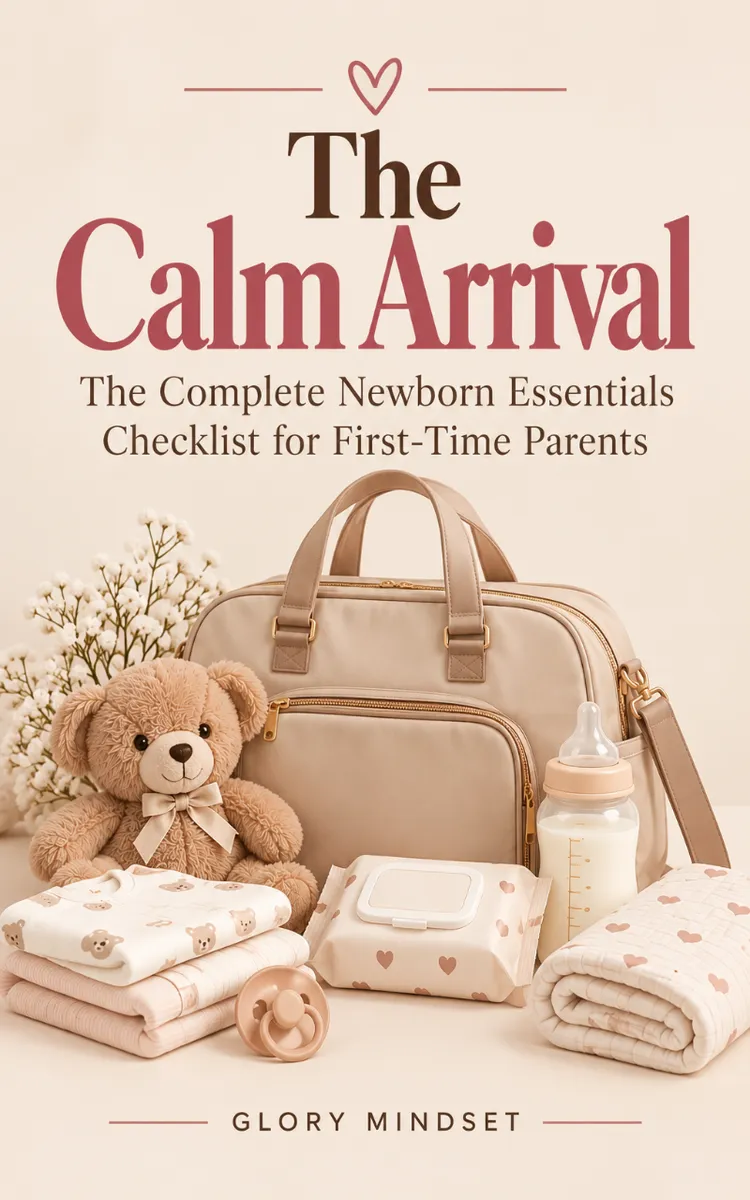
"The Calm Arrival" is a how-to guide book by Glory Mindset with 8 chapters and approximately 15,280 words. Minimalist preparation for birth, hospital stays, and the first postpartum month.
This book was created using Inkfluence AI, an AI-powered book generation platform that helps authors write, design, and publish complete books. It was made with the AI Ebook Generator.
Frequently Asked Questions
What is "The Calm Arrival" about?
Minimalist preparation for birth, hospital stays, and the first postpartum month
How many chapters are in "The Calm Arrival"?
The book contains 8 chapters and approximately 15,280 words. Topics covered include Preparing for a Calm Arrival, Packing Comfort for Mom, Supporting the Hospital Partner, Packing Baby’s Going-Home Essentials, and more.
Who wrote "The Calm Arrival"?
This book was written by Glory Mindset and created using Inkfluence AI, an AI book generation platform that helps authors write, design, and publish books.
How can I create a similar how-to guide book?
You can create your own how-to guide book using Inkfluence AI. Describe your idea, choose your style, and the AI writes the full book for you. It's free to start.
Write your own how-to guide book with AI
Describe your idea and Inkfluence writes the whole thing. Free to start.
Start writingCreated with Inkfluence AI


