
Read the first chapter
The whole of chapter one, free. About 4 min. Turn the pages with the arrows, your keyboard, or a swipe.
Chapter 1
Crispy Tofu Adobo
At a Glance
Prep: 15 min | Cook: 30 min | Total: 45 min | Serves: 4 | Difficulty: Easy
Introduction
Crispy Tofu Adobo combines golden tofu with the sharp, savory balance of Filipino adobo: soy sauce, vinegar, garlic, bay leaves, and black pepper. The tofu first simmers in the sauce so it absorbs the seasoning, then cooks uncovered until the edges turn crisp and the sauce clings to each piece.
The key is to separate tenderness from crispness. Tofu needs time in the soy-vinegar mixture to take on flavor, but it will not brown well while sitting in liquid. Removing it before the final reduction gives you both results: deeply seasoned tofu and a glossy, tangy sauce for spooning over rice. The finished dish should have crisp edges, a tender center, and enough sauce to coat each bite without making it soggy.
Ingredients
Protein - 1 block (14 ounces) extra-firm tofu, drained - 1 tablespoon cornstarch
Produce - 6 garlic cloves, thinly sliced - 1 small yellow onion, thinly sliced - 2 green onions, sliced, for serving
Pantry - 1/3 cup soy sauce - 1/3 cup cane vinegar or white vinegar - 1 cup water - 1 tablespoon neutral oil, plus more for crisping - 1 teaspoon brown sugar
Spices - 2 dried bay leaves - 1 teaspoon whole black peppercorns - 1/4 teaspoon ground black pepper
Instructions
1. Drain the tofu and wrap it in a clean kitchen towel or several paper towels. Place a plate or pan on top and press for 10 minutes. This removes excess water, helping the tofu absorb the adobo sauce and brown later. Cut the tofu into 1-inch cubes.
2. Toss the tofu with the cornstarch and ground black pepper until every piece has a thin, even coating. Set it aside while you prepare the sauce. The coating should look dry, not pasty.
3. Heat 1 tablespoon of oil in a wide, deep skillet over medium heat. Add the onion and cook for 3 minutes, stirring, until it begins to soften. Add the sliced garlic and cook for 1 minute, just until lightly golden. Do not let the garlic turn dark brown, or it may taste bitter.
4. Add the soy sauce, vinegar, water, brown sugar, bay leaves, and peppercorns. Bring the mixture to a steady simmer over medium heat. Leave the pan uncovered for 2 minutes after adding the vinegar; this softens its sharpest edge.
5. Add the tofu cubes and gently turn them in the sauce. Reduce the heat to medium-low, cover, and simmer for 10 minutes. Turn the tofu once halfway through. The pieces should look lightly stained brown and feel tender when pierced with a fork.
6. Use a slotted spoon to transfer the tofu to a plate. Remove the bay leaves if you prefer, then continue simmering the sauce uncovered for 5 to 7 minutes. It should reduce by about one-third and lightly coat a spoon.
Pro Tip: Crisp the tofu only after it has absorbed the sauce. Starting with wet tofu in a hot pan causes steaming and splattering instead of browning.
7. Wipe out the skillet if needed and add enough oil to coat the bottom, about 1 tablespoon. Heat over medium-high heat until the oil shimmers. Add the tofu in a single layer, leaving space between pieces. Cook for 2 to 3 minutes per side, turning with tongs, until the edges are deep golden and crisp. Work in two batches if the pan is crowded.
8. Return the crisp tofu to the reduced sauce and turn gently for 30 seconds, or serve the sauce underneath and around it to preserve more crunch. Taste and adjust with a small splash of vinegar for brightness or a teaspoon of water if the sauce is too salty. Scatter green onions over the top and serve with hot rice.
Chef Notes & Variations
Store leftover tofu and sauce in separate airtight containers in the refrigerator for up to 4 days. Reheat the tofu in a 400°F oven or air fryer for 5 to 8 minutes, then warm the sauce in a small pan. The microwave is convenient, but it softens the crisp coating. For plating, spoon rice into shallow bowls, add the tofu, and pour the reduced sauce around - not over - the crispest pieces. Steamed greens or cucumber slices add a fresh contrast to the rich, tangy adobo.
For a stronger garlic flavor, lightly crush two extra cloves and add them with the sauce, removing them before serving. You can also add 1/2 cup sliced mushrooms during the sauce simmer; they will absorb the same soy-vinegar seasoning and make the dish more substantial.
Swap It: Use tamari in place of soy sauce for a gluten-free version, checking the label and reducing the amount slightly if it tastes saltier than your usual soy sauce. The practical takeaway is simple: press the tofu well, simmer it for flavor, and crisp it separately for the best texture.
Quick Version
Press and cube tofu; coat with cornstarch and pepper. Sauté onion and garlic, add soy sauce, vinegar, water, sugar, bay leaves, and peppercorns; simmer tofu covered 10 minutes, reduce sauce 5-7 minutes, then pan-crisp tofu 2-3 minutes per side and serve with rice and sauce.
End of chapter one. 4 more chapters and about 5,147 words in the full book.
Swipe or use the arrows to turn the page
What's inside: 5 chapters
- 1. Crispy Tofu Adobo
- 2. Jackfruit Kare-Kare
- 3. Mushroom Sinigang
- 4. Banana Blossom Pancit Bihon
- 5. Ube-Coconut Bibingka
About this book
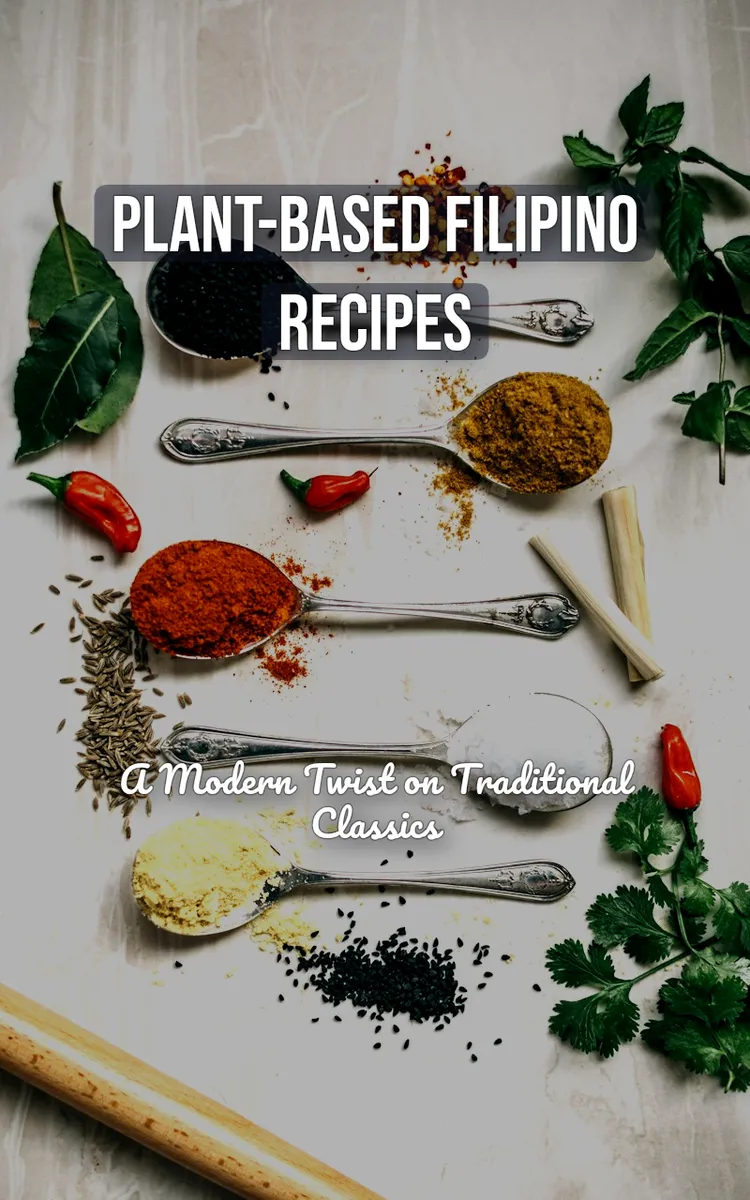
"Plant-Based Filipino Classics" is a cookbook by Anonymous with 5 chapters and approximately 5,147 words. Plant-based adaptations of traditional Filipino dishes and cooking.
This book was created using Inkfluence AI, an AI-powered book generation platform that helps authors write, design, and publish complete books. It was made with the AI Cookbook Generator.
Frequently Asked Questions
What is "Plant-Based Filipino Classics" about?
Plant-based adaptations of traditional Filipino dishes and cooking
How many chapters are in "Plant-Based Filipino Classics"?
The book contains 5 chapters and approximately 5,147 words. Topics covered include Crispy Tofu Adobo, Jackfruit Kare-Kare, Mushroom Sinigang, Banana Blossom Pancit Bihon, and more.
Who wrote "Plant-Based Filipino Classics"?
This book was written by Anonymous and created using Inkfluence AI, an AI book generation platform that helps authors write, design, and publish books.
How can I create a similar cookbook?
You can create your own cookbook using Inkfluence AI. Describe your idea, choose your style, and the AI writes the full book for you. It's free to start.
Write your own cookbook with AI
Describe your idea and Inkfluence writes the whole thing. Free to start.
Start writingCreated with Inkfluence AI


