
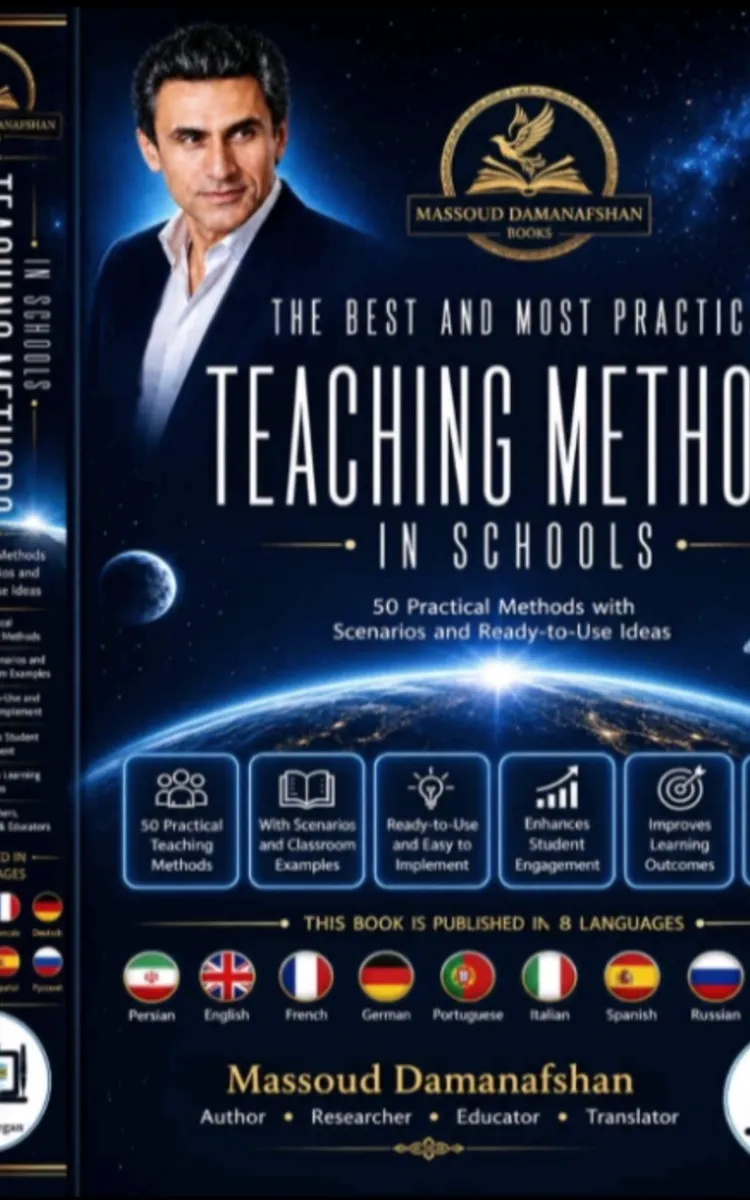
Read the first chapter
The whole of chapter one, free. About 15 min. Turn the pages with the arrows, your keyboard, or a swipe.
Chapter 1
Chapter 1
ی م:تقد ی هک ایشان ردیغ بیمهرپاس هب زعزیم؛ پدر روح هب متقد هم میخ روشد.اینجانب ذهن رد واره
پیشگفتار مولف أبؿت،یشاتبًثس٘یؿيضٚـتسضچی:ٞثبٚضؾبزٜ٘ٛقتٝقسٜاؾتهيوتبةثبٗيا وطزٜ،ذٛزطییزضؼتغیٞبآ٘چٝأطٚظزضوالؼ.ذٛزضازاضزٍبٜيجبیٞطضٚق ٘یؾٙتیٞبضٚـطیتحمبياظ٘مسٌصقتٝیوتبةذجطٗيزضا.آٔٛظاٖٞؿتٙسزا٘ف ٔؼّٓاؾت.اثعاضثٝجؼجٝسيجسیٞسف،افعٚزٖاثعاضٞب.ؿتی یثطفضبسیٌطاٖٚثبتأوعاتیثٝتجٟبظیثس،ٖ٘ٚیٙیػیٞبٞبثبٔثبَضٚـٕٝٞ آضاْٚیصفحبتٔٙجؼٗياؾتاسیا.ٔا٘سزازٜقسٜحیأٗٚٔحتطٔب٘ٝوالؼتٛض ٔؼّٕبٖزِؿٛظثبقس.یثطایوبضثطز هسعَد داهي افشاىاحترام،تا
راهنمای استفاده از کتاب وبضتبٜاظتبظ–ثطایٞطٔؼّٕیایي کتاب ترای چه هعلواًی هٌاسة است؟ ٘یبظ،تٕبيُثٝأتحبٖوطزٖيهتٟٙبپیف.ثبؾبثمٝ،زضٞطٔسضؾٝٚثبٞطأىب٘بتی.ضٚـٔتفبٚتاؾت ٞطفصُٔؿتم.ُ٘یبظیثٝذٛا٘سٖتطتیجی٘یؿتها را تخَاًین؟چگًَه فصل ُٞبیذاللب٘ٝ٘یبظايسٜاٌطث.ٝقطٚعوٙیس۴تب۱ٞبیوبضيسثبفصُاٌطتبظ.ٜاؾت.ثطٚيس۰۳تب۴۱۰۳ٚتب۱۱ٞبیزاضيسثٝفص فمطيهضٚـ،فمط.ٞطٞفتٝيهضٚـجسيسضاأتحبٖوٙیس:پیشٌهاد عولی.قٛزٞبیوٛچهقطٚعٔیتحَٛاظلس.ْزلیم۱۳ٝ
فهرست مطالة صفحهعنوان ۱1..........................................زضزؾتبٖٔؼّٕبٖیاٙٝیٌٙجؽ؛يتسضیٞبفصُاَٚ:تٙٛعضٚـ ۱1.............................................................................................آٔٛظـٝثٜتبظٍٜ٘بتیٕٞا-۱-۱ ۱1................................................................................ؽيتسضیبٞضٚـیاصّٝزؾتٝؾ-۱-۱ ۱1............................................................................ٌٌٖٛٛ٘بیٞبضٚـثبيیآقٙبیبئعا-۰-۱ ۱1......................................................................................................ثؼسصفحبتٝثیٍٞ٘ب-۴-۱ ۱1............................قٛز؟یٔیطیبزٌيع؛چٍٛ٘ٝشٞٗآٔبزٜزضٔغیطیبزٌيٝفصُزْٚ:٘مك ۱1.....................................................................آٔٛظزا٘فهئغعٖٚزضٝثٜوٛتبیؾفط-۱-۱ ۱1......................................................ؿتٙسیُ٘ٓٞٔثٕٝٞ؛یطیبزٌيیٞبهؾجتفبٚت-۱-۱ ۱۳..........................................................................................یطیبزٌيزضاحؿبؾبت٘مف-۰-۱ ۱۳....................................................................ؽيتسضضٚـیثطاٞببفتٝيٗيایبٔسٞبیپ-۴-۱ ۱۱...........................................................................تباجطاسٜياظاب؛يوالؼپٛیططاحفصُؾْٛ: ۱۱..................................................................................زاضز؟يیٞبیػٌيٚٝچبيٛپوالؼ-۱-۰ ۱۱...............................................................................بيٛپزضؼهيیاّٝٔطحٝؾٝچطذ-۱-۰ ۱۱...................................................................................یفٛضقطٚعیثطاٜؾبزضٚـٝؾ-۰-۰ ۱۱........................................................................................................جياضیٞبیٍ٘٘طاضفغ-۴-۰ ۱۰.................................................................................................َٚاُفصٝؾیثٙسجٕغ-۰-۰ ۱۰..................طزیٌیٔبزيآٔٛظلجُاظوالؼزا٘فیٚلت–ٔؼىٛؼیطیبزٌيفصُچٟبضْ: ۱۰..........................................................................................چٝ؟یؼٙئؼىٛؼیطیبزٌي-۱-۴ ۱۰...................................................................................................اجطایثطاٜؾبزیٞبٌْب-۱-۴ ۱2.............................................................................................................تٛجٝ٘ىبتٚبئعا-۰-۴ ۱1........................................یطیبزٌيأبثبٞسف،یثبظ–یآٔٛظقكٗیىیفیٕیٌفصُپٙجٓ: ۱1.....................................................................................ؿتی٘یٔؾطٌطیثطافمطیثبظ-۱-۰ ۱1............................................................................................قطٚعیثطاٝيپبػٙصطچٟبض-۱-۰ ۱1...................................................................................................آظاضیثٜٚؾبزَٔثبهي-۰-۰
۱1....................ثبٔغعسٖیٕٟؾبذتٗثبزؾت،ف–)PBL(ٔحٛضپطٚغٜیطیبزٌيفصُقكٓ: ۱1..............................................................................والؼزضیٚالؼیٌظ٘سیؼٙيٜپطٚغ-۱-2 ۱1....................................................................................................ٜؾبزٜپطٚغهئُطاح-۱-2 ۰۳...................................................................................یبزػٔساضؼیثطايیاجطا٘ىبت-۰-2 ۰۱..............................................بٔٛظیذٛزثیٕٞىالؾاظ–ثبؾبذتبضیآٔٛظ-فصُٞفتٓ:ٕٞتب ۰۱.....................................................اؾت؟یطیبزٌيٜضاٗيثٟتطٍطاٖيزٝثؽيتسضچطا-۱-1 ۰۱..........................................................................................یآٔٛظ-ٕٞتبٜؾبزیٞبضٚـ-۱-1 ۰۱...............................................................يیجٛیثطتطبيؾطظ٘فٌٝ٘ٛٞطیاظطیٌّٛج-۰-1 ۰۰........................ثٟتطاظجٛاةزازٖسٖیپطؾٟٔبضت–ٌٚٛٔحٛضوالؼٌفتفصُٞكتٓ: ۰۰...............................................................................ذكهپبؾدٚپطؾفٝ٘،ٌٌٛٚفت-۱-1 ۰۰............................................................................ثطاثط)(ٔكبضوتٌٌٚٛفتطٜيزاضٚـ-۱-1 ۰۰....................................................................................................یچبِكٚثبظیٞبَؾؤا-۰-1 ۰۰..........................................یٚالؼضقسثبأتحبٖ،اؾتطؼٖٚثس–فصُٟ٘ٓ:ؾٙجفذالق ۰۰...................................................................س؟یؾٙجیقٛزٕٜٕ٘٘طثبضاعیچٕٝٞچطا-۱-1 ۰۰..........................................................................................ٗيٍعيجبؾٙجفضٚـچٙس-۱-1 ۰۰............................................................................یٕضؾٜٕ٘طثبذالقؾٙجفتیتطو-۰-1 ۰1.......................................ؾبذتبضثبآضأف–ٗي٘ٛیٞبوالؼزضضٚـتيطيفصُزٞٓ:ٔس ۰1..............................................................قٛ٘س؟یٔی٘ظٕیثثبػثبيٛپیٞبضٚـبيآ-۱-۱۳ ۰1.......................................................................................قطٚعیثطایاؾبؾلبٖٛ٘ٝؾ-۱-۱۳ ۰1....................................................................................تٙفٖٚثسٞبچبِفثبثطذٛضز-۰-۱۳ ۰1........................................................................................................۱۳تب۴یٞبفصُیجٕغثٙس ۴۱....................................تباجطازضوالؼیتئٛضاظ–یػّٕیٛيؾٙبض۱۳:بظزٞٓيُفص۱۱ ۴۰........................................ٗي٘ٛیٞبضٚـیثطاتبَیجيزٍبٖيضایفصُزٚاظزٞٓ:اثعاضٞب۱۱ ۴۰..................................................................................................ٔحتٛاؾبذتیاثعاضٞب-۱-۱۱ ۴۰........................................................................................ثبظذٛضزٚٔكبضوتیاثعاضٞب-۱-۱۱ ۴2.......................................................................................ٜؾبزكٗیىیفیٕیٌیاثعاضٞب-۰-۱۱ ۴1..........................................................یجیتطوؽيٞفتٝوبُٔتسضهيی:ططاحعزٞٓیفصُؾ ۴1.................................................................................ٔؼىٛؼیطیبزٌيضٚـ–ٙجٝق-۱-۱۰
۴1..................................................)ؿتٍبٜيا۰(یچبِكیٞبؿتٍبٜياضٚـ–ىكٙجٝي-۱-۱۰ ۴1..........................................................................یٌٞٚطٔحٛضٜپطٚغضٚـ–ٝزٚقٙج-۰-۱۰ ۴1.........................................................................اضائٝٚیآٔٛظ-ٕٞتبضٚـ–قٙجٝٝؾ-۴-۱۰ ۴1........................................................................................ذالقؾٙجف–ٝچٟبضقٙج-۰-۱۰ ۴1..............................................ٓئالیٞبثبضٚـیضفتبضیٞبچبِفتيطيفصُچٟبضزٞٓ:ٔس ۰۱.....................................سٖیقٙثٌٝفتٗاظ–ٌطُی ٟفصُپب٘عزٞٓ:٘مفٔؼّٓثٝػٙٛاٖتؿ ۰۱.................................................................................ذٛةٌطُیٟتؿهيیٞبیػٌيٚ-۱-۱۰ ۰۰............................قٛز؟یطیبزٌيػبقكآٔٛظزا٘فٍٝ٘ٛچ–یٜزضٚ٘عی ٍ٘فصُقب٘عزٞٓ:ا ۰۰...................................................ؽيتسضٗي٘ٛیٞبزضضٚـٗيثبٚاِسیفصُٞفسٞٓ:ٕٞىبض ۰1........................................................ٕ٘طٜیثطایٙيٍعيجب–یفیتٛصیبثیفصُٞجسٞٓ:اضظق ۰1..................................................................................................:فیتٛصجٕالتٕٝ٘ٛ٘-۱-۱1 ۰1..........................................................ٓ؟یٙویطیٍیپضاكطفتیپٜٕ٘طثسٍٖٚٝ٘ٛچ-۱-۱1 ۰1...............................................................ٔؼّٓیوبضآٔبزٜثطایٞبثطٌٝیفصُ٘ٛظزٞٓ:ططاح ۰1.....................................:)ٞبٝيپبٕٝٞ(ٔٙبؾتٝ٘ضٚظایذٛزؾٙج–۱ٜقٕبضٌٝثط-۱-۱1 ۰1....................................................................یٌٞٚطٜپطٚغیضإٞٙب–۱ٜقٕبضٌٝثط-۱-۱1 2۳.................................................(یٞقفبٝاضائیثطا(ٕٞتبثبظذٛضز–۰ٜقٕبضٌٝثط-۰-۱1 2۱......................................................ٙسٜيآٔبٜتبأطٚظاظ–ٔؼّٓهيتحَٛطی:ٔؿؿتٓیفصُث 2۱.........................................................................................................یٞآٌب–َٚاٝٞفت-۱-۱۳ 2۱......................................................................................................فيآظٔب–ْٚزٝٞفت-۱-۱۳ 2۱........................................................................................................تیتثج–ْٛؾٝٞفت-۰-۱۳ 2۱................................................................................................ٌؿتطـ–ْچٟبضٝٞفت-۴-۱۳ 2۱...................................................................................................ػٕكٚتٙٛع–ْٚزٜٔب-۰-۱۳ 2۰....................................................................................۱۳تب۱۱یٞبُفصیثٙسجٕغ-2-۱۳ 2۰.............تیوالؼزضج–)MOBILE LEARNING(بضیؾیطیزٌبي:ىٓيٚؿتیفصُث 2۰..............................................................................................چٝ؟یؼٙيبضیؾیطیبزٌي-۱-۱۱ 2۰.............................................................................................ذططیثٜٚؾبزوبضثطزٝؾ-۱-۱۱ 22............................................................................................................ٞبچبِفتيطئس-۰-۱۱ 21..INQUIRY-BASED LEARNING)(ثطپطؾفیٔجتٙیطیبزٌي:ْٚٚزؿتیفصُث 21.................................................................................وٙسَؾؤاآٔٛظزا٘فسیزٜٞاجبظ-۱-۱۱ 21.............................................................................................پطؾفٝچطذهئُطاح-۱-۱۱ 21...............................................................................................................یٙیػَٔثبهي-۰-۱۱
21...............DIGITAL STORYTELLING)(تبَیجيزيیؾطاٚؾْٛ:زاؾتبٖؿتیفصُث 21..........................................................................................................ٝلصهيزضؼٞط-۱-۱۰ 21.......................................................................................ؾبذتیثطاٍبٖيضایاثعاضٞب-۱-۱۰ 21................................................................................................................یفٛضیٞبسٜيا-۰-۱۰ 1۱..........................زضوالؼ)ESCAPE ROOM(یٚچٟبضْ:اتبقفطاضآٔٛظقؿتیفصُث 1۱........................................................................................ّٝٔؿئُحیثطايیٛٔبجطاج-۱-۱۴ 1۱..............................................................یػبزوالؼزضٜؾبزفطاضاتبقهيیططاح-۱-۱۴ 1۱.................................................(یضلٕٝؾكيتفطٚ(جٕغیبضيضزضؼیثطأَثب-۰-۱۴ 1۱......................................................................................ٕٝٞٔكبضوتیثطآٟٔٝ٘ىت-۴-۱۴ 1۰.......................OUTDOOR LEARNING)(ثبظیزضفضبیطیبزٌيٚپٙجٓ:ؿتیفصُث 1۰.........................................................................................................ؾمفثسٖٚوالؼ-۱-۱۰ 1۰.................................................................................................یكٟٙبزیپیٞبتیِفؼب-۱-۱۰ 1۰...................................................................................................................يیاجطا٘ىبت-۰-۱۰ COLLABORATIVE MIND MAPPING)(یٌطٚٞیٚقكٓ:٘مكٝشٞٙؿتیفصُث 1۰.............................................................................................................................................................. 1۰...........................................................................................سیوُٙٚصٓٞٝثضاٞبسٜيا-۱-۱2 1۰......................................................................یٌٞٚطیشٙٞٝ٘مكهيجبزيایٞبٌْب-۱-۱2 12..................................................................................................................تبَیجيزاثعاض-۰-۱2 11....................................)یجّؿٝتجطثهي(یٚٞفتٓ:والؼثسٖٚوتبةزضؾؿتیفصُث 11...............................................................................ٓ؟يثٍصاضوٙبضضاوتبةیٌٞبچطا-۱-۱1 11............................(ذبنٔجحث،ّْٛػزضؼَ(ٔثبوتبةٖٚثسٝجّؿهيٝٔثط٘ب-۱-۱1 11...........................................................................ٓ؟يثجطوبضٝثضاضٚـٗيای٘ظٔبٝچ-۰-۱1 11...........................................................ٕٞتبثٕٝٞتبثباحتطاْیبثیٚٞكتٓ:اضظقؿتیفصُث 11..........................................................ثسٞٙس؟ثبظذٛضزٓٞٝثآٔٛظاٖزا٘فذٛزچطا-۱-۱1 11..........................................................................ٕٞتبثبظذٛضزیثطایثركٝؾطَٔٛف-۱-۱1 11............................................................................................ٕٞتبیبثیاضظقٜآٔبزٌٝثط-۰-۱1 1۱...................................................٘تطؼاقتجبٜاظ–ٟٚ٘ٓ:ٔسضؾٝزٚؾتساضذطبؿتیفصُث 1۱......................................................................................اؾتیطیبزٌيفطصتاقتجبٜ،-۱-۱1 1۱.................................................................ٓ؟يثؿبظضاٜاقتجبطـيپصفطًٍٙٞٝ٘ٛچ-۱-۱1 1۱..................................................................................»جبيظیٞبٜاقتجبٛاضيز«تیِفؼب-۰-۱1
GAME-BASED LEARNING(یثطثبظیٔجتٙیطیبزٌيٚاحسیاْ:ططاحیفصُؾ 1۰................................................................................................................................................UNIT) 1۰...........................................................................................ثعضيیثبظهيٞفتٝ،هي-۱-۰۳ 1۰.......................................................................................یثبظٚاحسیططاحٌْبٞفت-۱-۰۳ 1۴...........ْچٟبضٝيپبیفبضؾزضؼیثطا»ٝ٘وتبثرب٘جبت«یثبظٚاحس:یّٕػَٔثب-۰-۰۳ 1۴...................................................................................۰۳تب۱۱یٞبُفصیثٙسجٕغ-۴-۰۳ سٖ،یٕٟتٕبقبوطزٖ،ف)DEMONSTRATION(یػّٕفي:ضٚـٕ٘بىٓيٚیفصُؾ 11...............................................................................................................................................ٖسیپطؾ 11......................................................................................اؾت؟ٔؤثطیّٕػفيٕ٘بچطا-۱-۰۱ 11...................................................................................جصاةیّٕػفيٕ٘بهيَٛاص-۱-۰۱ 11....................................................................................زؾتطؼزضٜٚؾبزفيٕ٘بٝؾ-۰-۰۱ 11.........................................................................................................................ٟٓٔٝ٘ىت-۴-۰۱ ٝثبذسٔتثیطیٌبزي)SERVICE LEARNING(ٔحٛضذسٔتیطیبزٌي:ْٚٚزیفصُؾ 11.................................................................................................................................................ٍٖطايز 11.......................................................................وٙسیٔذسٔتٝجبٔؼٝثوالؼیٚلت-۱-۰۱ 11...............................................................ّٝٔحٚٝٔسضؾطیٔحزضیّٕػیٞبٕٝ٘ٛ٘-۱-۰۱ 11.....................................................................................................................اجطأُطاح-۰-۰۱ 1۱................................................یثبؾبذتبضٌطٚٞكطفتٝیٚؾْٛ:والؼٔؼىٛؼپیفصُؾ 1۱.......................................................................................ٔؼىٛؼیطیبزٌيْٚزؾطح-۱-۰۰ 1۱..........................................................................كطفتٝیپٔؼىٛؼٝجّؿهئُطاح-۱-۰۰ 1۱.........................................................................................(ٝ٘لجُاظوالؼ(ذب-۱-۱-۰۰ 1۱....................................................................................(مٝیزل۰قطٚعوالؼ(-۱-۱-۰۰ 1۱.............................................................................(مٝیزل۱۳(یحّمٝترصص-۰-۱-۰۰ 1۱...............................................................................(مٝیزل۱۳(یاضائٝچطذك-۴-۱-۰۰ 1۱........................................................................................(مٝیزل۰(یثٙسجٕغ-۰-۱-۰۰ 1۱.........................................................................................ٜؾبزٝ٘ؿرٝث٘ؿجتتئع-۰-۰۰ ROUND-ROBIN QUESTIONING)(یچطذكیٞبپطؾفهیٚچٟبضْ:تىٙیفصُؾ 1۰.............................................................................................................................................................. 1۰.........................................................وٙسیٕ٘فطاضوؽچیٞوٙٙس،یٔقطوتٕٝٞ-۱-۰۴ 1۰...............................................................................................یچطذكپطؾف٘ٛعٚز-۱-۰۴ 1۴............................................................................................................ٗٔایفضبجبزيا-۰-۰۴
1۰......................REFLECTION JOURNAL)(ٚپٙجٓ:زفتطچٝتأُٔٚثبظتبةیفصُؾ 1۰.....................................................................................................اؾت؟ُٟٓٔٔتأچطا-۱-۰۰ 1۰....................................................................................................ُٔتأٝزفتطچؾبذتبض-۱-۰۰ 1۰.................................................................................................والؼزضٜاؾتفبزٜٛ٘ح-۰-۰۰ 12................................................................................................................ثّٙسٔستطیتأث-۴-۰۰ 11.......................CREATIVITY STATIONS)(تیذاللیٞبؿتٍبٜيٚقكٓ:ایفصُؾ 11.................................................................زاضزٔتفبٚتؾجههيؿتٍبٜياٞطیٚلت-۱-۰2 11....................................................................یزضؾٞطیثطایكٍیٕٞؿتٍبٜياچٟبض-۱-۰2 11...................................................................اؾتبٖ)ٝ(٘مكٔطبِؼبتزضؼیثطأَثب-۰-۰2 11....................................................................................................چطذفٚظٔبٖٔست-۴-۰2 11......................GAME-BASED ASSESSMENT)(یٚٞفتٓ:ؾٙجفثبثبظیفصُؾ 11.....................................................................................ٍطيزيیٛٔبجطاجهيأتحبٖ،-۱-۰1 11........................................................................................یثبظؾٙجفٜؾبزلبِتٝؾ-۱-۰1 ۱۳۳...................................................................................................ؾطحٝثٜٕ٘طُيتجس-۰-۰1 ۱۳۱.....................................زضوالؼزضؼیٞٛـٔصٙٛػٚٞكتٓ:وبضثطزؾبزٜیفصُؾ ۱۳۱...................................................................ٗيٍعيجبٝ٘اؾت،اثعاضیٔصٙٛػٞٛـ-۱-۰1 ۱۳۱.........................................................................................سیٔفٚذططیثوبضثطزٝؾ-۱-۰1 ۱۳۱................................................................................................زٜاؾتفبیاذاللَٛاص-۰-۰1 ۱۳۰.........................FLUID GROUPING)(یفبظیٞبزضٌطٜٚیطیبزٌي:ٟٓ٘ٚیفصُؾ ۱۳۰........................................................................ؿتی٘یوبفثبثتٌٜٚطهيكٝیٕٞ-۱-۰1 ۱۳۰...................................................................................................یفبظیٞبٌٜٚطا٘ٛاع-۱-۰1 ۱۳۴........................................................................................ٌٜٚططییتغٝٞفتهئَثب-۰-۰1 ۱۳۰.................................................................ٌطاٚ٘مكٝضأٜؼّٓتحَٛیثٙسفصُچّٟٓ:جٕغ ۱۳۰...............................................................................................ٜقسیططیٔؿٝثٍبٜ٘-۱-۴۳ ۱۳۰..........................................................................................ٟٓٔأبٜؾبزمتیحمٝؾ-۱-۴۳ ۱۳۰....................................................................................................ٝٞٔبقفٜضاٝ٘مك-۰-۴۳ ۱۳2..................................................................................................................یب٘يپبحطف-۴-۴۳ HUMOR-INTEGRATED(ٓئالیطجؼ:آٔٛظـثبطٙعٚقٛخىٓي ُٟٚفصُچ ۱۳1................................................................................................................................TEACHING) ۱۳1.....................................................................وٙس؟یٔكیٕػضایطیبزٌيٜذٙسچطا-۱-۴۱ ۱۳1..........................................................طٙعٖوطزٚاضزیثطإٗياٜٚؾبزضٚـٝؾ-۱-۴۱
۱۳1................................................................................................یآٔٛظقطٙعیٔطظٞب-۰-۴۱ SOCRATIC(زضوالؼأطٚظیؾمطاطیٌطفصُچُٟٚزْٚ:پطؾف ۱۱۳.......................................................................................................................QUESTIONING) ۱۱۳.....................................................................................ٖزازپبؾدٝ٘سٖ،یپطؾٞٙط-۱-۴۱ ۱۱۳........................................................یٔٛضٛػٞطیثطایؾمطاطپطؾف٘ٛعقف-۱-۴۱ ۱۱۳.................................................................................................والؼزضیّٕػَٔثب-۰-۴۱ LEARNING WITH CONSTRAINTS)(تيثبٔحسٚزیطیبزٌيفصُچُٟٚؾْٛ: ۱۱۰........................................................................................................................................................... ۱۱۰........................................................زٞٙسیٔپطٚضـضاتیذاللوٕجٛزٞب،یٌٞب-۱-۴۰ ۱۱۰.....................................................................................تئحسٚزثبیّٕػیٞبسٜيا-۱-۴۰ ۱۱۴.................................................................................................................ضٚـٝفّؿف-۰-۴۰ WALKING(ؽيثٝػٙٛاٖضٚـتسضفصُچُٟٚچٟبضْ:ضاٜضفتٗزضوالؼ ۱۱۰...........................................................................................................................CLASSROOM) ۱۱۰....................................................................................وٙسیٔٝيتغصضأغعحطوت،-۱-۴۴ ۱۱۰.................................................................................................ضٜٚضاوالؼلبِتٝؾ-۱-۴۴ ۱۱2.......................................................................................................ٓ٘ظٚیٕٙيا٘ىبت-۰-۴۴ IMPROVISED PHYSICAL(ثساٞٝیىيعیفیٞبثبٔسَؽيفصُچُٟٚپٙجٓ:تسض ۱۱1.....................................................................................................................................MODELS) ۱۱1.................................................................ثبقسَٔستٛا٘سیٔوالؼزضیعیچٞط-۱-۴۰ ۱۱1.........................................................................................ٝٞثسایؾبظَٔسیٞبسٜيا-۱-۴۰ ۱۱1...............................................................................َٔسؾبذتزضآٔٛظزا٘ف٘مف-۰-۴۰ ۱۱1...........ٝ٘تٛلفٞٛقٕٙسا)LEARNING PAUSE(یطیبزٌيفصُچُٟٚقكٓ:ٔىث ۱۱1......................................................................................پطزاظـیثطایفطصتٔىث،-۱-۴2 ۱۱1.....................................................................................................................ٔىثا٘ٛاع-۱-۴2 ۱۱1.......................................................................................................تٙفثسٖٚیاجطا-۰-۴2 آٔٛظضأٙؼىؽٔؼّٓ،زا٘ف)MIRROR CLASSROOM(ٙٝيفصُچُٟٚٞفتٓ:والؼآ ۱۱۱..............................................................................................................................................وٙسیٔ ۱۱۱..........................................................................وٙسیٔضفتبضٙٝيآُٔثّٓٔؼیٚلت-۱-۴1 ۱۱۱.....................................................................................................یاٙٝيآیٞبهیٙتى-۱-۴1 ۱۱۱......................................................................................اؾت؟هیٛ٘يضٚـٗياچطا-۰-۴1
UNANSWERED QUESTIONS(پبؾدیثیٞب َفصُچُٟٚٞكتٓ:ؾؤا ۱۱۰............................................................................................................................CHALLENGE) ۱۱۰.........................................................................................جٛاةیثیٞبَؾؤالسضت-۱-۴1 ۱۱۰......................................................................................پبؾدیثثبظیٞبَؾؤإٝ٘ٛ٘-۱-۴1 ۱۱۰..................................................................................................ؾدپبیثَؾؤاٝچطذ-۰-۴1 ۱۱۴..............................................................................................................................سيفٛا-۴-۴1 TARGETED ERROR(ٞسفٕٙسیفصُچُٟٟٚ٘ٓ:آٔٛظـثباؾتفبزٜاظذطبٞب ۱۱۰................................................................................................................................TEACHING) ۱۱۰..............................................................................................ٜقسیططاحاقتجبٞبت-۱-۴1 ۱۱۰..........................................................................................ٞسفٕٙسیذطبیٞبَٔثب-۱-۴1 ۱۱2........................................................................ٓ؟يثجطوبضٝثضاضٚـٗيای٘ظٔبٝچ-۰-۴1 ٝزازٖثٖبيٞٙطپب)CALM DESIGN TEACHER(فصُپٙجبٞٓ:ٔؼّٓططاحآضأف ۱۱1................................................................................................................................................والؼ ۱۱1............................................................................اؾتقطٚعاظتطٟٓٔوالؼبٖيپب-۱-۰۳ ۱۱1.............................................................................................والؼبٖيپبهیٙتىٝؾ-۱-۰۳ ۱۱1.......................................................................................والؼبٖيپبیىيعیفیفضب-۰-۰۳ ۱۱1................................................................................................ّٓٔؼیثطاٗيتٕطهي-۴-۰۳ ۱۱1....................................................................................................۰۳تب۴۱یٞبفصُیثٙسجٕغ ۱۰۱..................................................................................................................................................ٔٙبثغ
ای در دستبى ّبی تدریس؛ گٌجیٌِ تٌَع رٍش:فصل اٍل0 هعلوبى اهمیت يگا ٌ تاص ٌ ب ٍ آهُصػ-1-1 آهوُػ بوابغسوی صايق:كوُصع َ هیعَبٍهای هتفاَتی ٌهغ هعلمی عَػاي ٍ با چهغ یًًوض َ بعٌوی بواصهًض، بغسی بوا يماكوی یلو ضو تمغیوؼ هیصلت گُف هی ایوى تًوُر عاتواعی، یوی دم موت ؿواص ٌ عا يلواو.های پ اپیپغؿ ضو ؿؤال.گیشيذآهُصاو یکغاو یاد يمیهم ٍ دايؼ:صهضهی ابوؼاع آو بوغایهای هتًُر تضعیؾ هايًض جعب ٍ ابؼاعی هـتًض ی ٍ هغعَف اؿتفاص ٌ هم لویی اػ یوی عَف، هغچًوض یو ٍ عَف.یاع ساهی هًاؿب اؿت هواهوا َ همو ٍ طهىتُايض پاؿشیُی ي واػ تموام هُلع تاعػكمًضی باكض، يمی ٍهای گُيواگُوب ٍ هم ى صل و،، گلوُصو صعهوای طهوى بو ٍ عَی كو.ٌُباكض.آیضع هیای بغای هغ هعلن صلـُػی ب ٍ كماآهُػف، یی پ لغات ُب عی دغا های تذسیظع ٍ دعت ٍ اصلی سَػ-2-1 تُاو صع ؿ ٍ صؿت ٍ یلی جایهای تضعیؾ عا هیتغ كضو هـ غ، عَف ٌبغای ؿاص:صاص ایوى.هث، ؿشًغايی، پغؿق َ پاؿوز یسؿو ی:هسُسهای هؼلنسَػ.ها بغای ايتمال هفاه ن پای ٍ َ اُسعات ؿاستاعیاات ٍ یاعآهضيضعَف.پغَژٌ، بذث گغَهی، یاصگ غی همتاهث،:هسُس-آهُصهای دايؼسَػ.صهًضایًها ايی ؼ ٌ َ سسل ت عا پغَعف هی
در هدارسسیتدریرٍش ّبيیتریٍ کبرثرديیثْتر تغی بی اػ ابؼاعهای صیج توال، بواػی َ اٌوای:های تؼاهلی يُیىسَػ.هجاػی بغای صعگ غیغصو دؾ یًجکاَی ٍههاعت هعلن صع ايتشاب.ها طاتا ً بهتغ اػ صییغی ي ـت ٍه چکضام اػ ایى صؿت بشقًضاي ٍ آيهاؿوت یو ٍ یوسؽ صعؽ عا پُیوا َ لوظتهُلع َ تغی ب هُكومب.یًضهی های گُياگُوهضایای آؽًایی با سَػ-3-1 ُ ً هت ُجو ًًوض، هعمو یٍهای هتًُر عا تجغب ٍ هیهعلمايی ی ٍ ب ٍ تضعیج عَف:كُيضغات هثبتی هی تغ ااؼایق كُع َ اكت اق صع یسؽ یاهق سـتیی َ یکًُاستی بغای سُص هعلن آهوُػايی یو ٍ بوا عَف لبلوی پ لوغاتبو ٍ صايقاهکاو پاؿشیُیی بهتوغ يضاكتًض ایجاص اٌای ادتغام َ اعتماص هتماب، دتوی.هوا عا یکبواع ٌ بو ٍ یواع بوغصصع ع ى دال، ي اػی ي ـت همو ٍ عَف.گام ي ؼ تأث غهای هايضگاعی صاعيضبغهای یُچی َ گام ٍ تغ يگاهی ب ٍ صفسات بؼذ-4-1 یواصگ غی چو ٍ هـو غهایصع او، صَم سُاه ن صیض یو ٍ هغوؼ ايـواو هًیوام یًوض عَفكًاست ایوى هـو غها بو ٍ هوا یموی هی.یًضای عا ُی هیُب عی ؿپؾ صع اوو، ؿوُم بوا اهوُل.تضعیؾ عا با اِغت یاصگ غی هماهًگ ی ً ن اهوا پو ق اػ آو، ب ای وض یوی.كوُینیاعبغصی ُغادی یی یسؽ پُیا آكًا هی.تمغیى ؿاص ٌ ايجام صه ن و ٍ اػوًج صل مووغای پوو َ بووا، اموهوی اػ یسؽووغصا صع یکواو: ٌنانًداد تُتنپیؾن آهُػاو بشُاه ض ب ٍ جای گُف صاصو، هغ ؿؤالی ی ٍ صعباع ٌ هًُوُر صعؽصايق يت ج ٍ ایى چًوض.ای صع یاع ي ـتيمغ.ٌعؿض عا یاصصاكت یًًضب ٍ طهًلاو هی هم ى الضام یُچی، آغاػی بغای آكًایی با يیوا ٌ تواػ. ٌصل م ٍ عا هلاهض ٌ ی ً ض.اؿت ۱1
ًمط ِ یبدگیری در هغس؛ چگ ًَِ ذّي آهبد: ُفصل دٍم2 ضَد؟یبدگیری هی آهُصعفشی تُتا ٌ ب ٍ دسَو هغض یک دايؼ-1-2 ٌهوغ بواع یو. ٍبـو اع اؿوتهایتوُع ی ً ض هغؼ هايًض یی كهغ بؼعگ با س اباو های عوبیگ غین، هـ غهای اعتباُی جضیضی ب ى ؿلُلای یاص هیهِلب تاػ هغ چ ٍ آو هِلب عا ب لتغ تمغیى ی ً ن یا با دؾ سُبی همغا. ٌكُصؿاست ٍ هی.گغصصتغ هیكُص، آو س اباو پغتغصصتغ َ هذکن گ غی، تلًٍ ايض ی ٍ هغؼ صع هًیام یاصهای اس غ يلاو صاصٌ تذم مات صع ؿال:ؿ ٍ چ ؼ اؿت (ٍ لبس ً يضیض ٌ اؿت چ ؼی ی)تاصگی (ؿشتی ي ٍ ػیاص ی ٍ اغاع یًض، ي ٍ ین ی ٍ سـت ٍ كُص)چالؼ ؽیشیى ( ٍیًض یا يبضايض صع هـ غ صعؿتی دغیت هی)باصخُسد صَدهًگام ٌاگغ یسؽ صعؽ بتُايض ایى ؿ ٍ عًووغ عا اوغاهن یًوض، هُلع وت یواصگ غی.گ غصآلی كک، هیایض های یادگیشی؛ هم ٍ هثل هن يیغتًذتفاَت عبک-2-2 آهوُػ بوا صیوضو تووُیغ هِلوب عا بهتوغاین یو ٍ یوی صايق ٌبـ اعی اػ ها صیوض اهمض، صییغی با ك ً ضو ت ًُ ذات، َ يفوغ ؿوُم ي واػ صاعص بوا صؿوت سوُصهی ها عیل ٍ صع يذو ٌُ پوغصاػف اُسعوات صعایى تفاَت.چ ؼی عا بـاػص یا بًُیـض:هغؼ صاعيض
در هدارسسیتدریرٍش ّبيیتریٍ کبرثرديیثْتر.بغصاػ يمُصاع، يمل ٍ طهًی، ا لن َ جضَل لظت هی:يض ٌ بوغییاصگ غ هوای آهُػكویبا بذث، ت ًُ ذات كوفاهی َ آهًگ:یاصگ غيض ٌ ك ً ضاعی.گ غصبهتغ یاص هی.بایض دغیت یًض، بًُیـض، يماكی یًض یا هضل بـاػص:یاصگ غيض ٌ دغیتی بوٍهوااها تُج ٍ بو ٍ ایوى تفاَت.ه چ ايـايی هغاا ً یی ؿبی سالن ي ـت یًض صع هغ جلـٍ، دضال، ص َ یا ؿ ٍ عا ٌ هتفاَت بغای صؿتغؿویهعلن یمی هی.ب ٍ هذتُا اغاهن یًض يمؼ ازغاعات دس یادگیشی-3-2 صايـت، اهوغَػًِمی هی ٍ یاصگ غی عا اغای ًضی یاهس ً ه ٌبغسسف با َع لضیمی ی یوی.هـوتًضازغاعات تلیذ َسَد ب ٍ زافظن ٍ بلًذهنذتصاي ن یٍهی ؾ سُب (لظت یلف، ااتشاع، همکاعی) بـ اع هايوضگاعتغ اػساُغ ٌ همغا ٌ با د.ٍ هغاا ً باعها تکغاع كض ٌ باكض ه ِلبی اؿت ی ٍایى یعًی اگغ بتُاي ن اٌای یسؽ عا كاص، اهوى َ هموغا ٌ بوا ادتوغام يیو بوغعکؾ، توغؽ، تذم وغ یوا.كُصسُص پظیغاتغ هیآهُػ سُصبٍ صاعین، هغؼ صايق.یًضلف، هیاًِغاب هضاَم، ؿ ـتن یاصگ غی عا ها بشای سَػ تذسیظ ٍپیاهذهای ایى یافت-4-2 توُاي ن چًوض اهو، ؿواص ٌ عا صعای ی ٍ اػ هغؼ پ ضا یوغصین، هی ٌبا كًاست ؿاص:یسؽ ععایت ی ً ن (غ تاػگی صل م ٍ یی باع يُر اعال ت عا عُى ی ً ن (تغ۰۲تا۵۵هغ (ها عا ب ٍ هُعت هعمای ك غیى هِغح ی ً ن (چالق هتًاؿبؿؤال (عص اُعی بضه ن، دتی ب ٍ هُعت یی اكاع ٌ یا كکلی (باػسُعص ؿغیع ُباػس آهُػاو گاهی ايتشاب یًًض ی ٍ با یوضام ؿوبی هِلوب عااجاػ ٌ صه ن صايق (هاصعیاات یًًض (ادتغام ب ٍ تفاَت صع او، ؿُم، ایى اهُل عا ب ٍ عاهکاعهای عملی صع یسؽ تبوضی، سوُاه ن.یغص ۱۳
اید ُ تب اجرا ازطراحی کالس پَیب؛:سَمفصل3 هایی داسد؟تالط پُیا چ ٍ َیژگی-1-3.آهُػاو ام َ كوًُيض ٌ ي ـوتًضیسؽ صعؽ پُیا، یسؿی اؿت ی ٍ صع آو صايق صع.گ غيوضیًًض َ اػ اكتبا ٌ سُص صعؽ هیؿاػيض، اكتبا ٌ هیپغؿًض، هیآيها هی هغنللٍ َهداست همکاسی، زنلچ ً ى هذ ِی عس ٌَ بغ هذتُای صعؿی،.یابضي ؼ پغَعف هیتفکش يماد ل موتجا ی ً ض یا تجه ؼات گغاوعا جابػم ي ـت تمام ه ؼها بغای كغَر، بو ٍ تًهواییهنافؼالیت تشتینیواهايُع عؤالغ صع گاهی تغ.ته ٍ ی ً ض.تُايض تذُل بؼعگی ایجاص یًضهی ای یک دسط پُیا ٍچشخ ٍ ع ٍ هشزل-2-3 تُاي ض آو عا بغایهی.یًًضالیُی ػیغ پ غَی هیهای هُاك اػبـ اعی اػ صعؽ:هغ هًُُعی تًظ ن ی ً ض (دلیم1۱ ٍتا5دسگیش تشدو (:هشزل ٍ اَل ٌكغَر با یی هعمای جظاب، توُیغ غاالی غیًًضٌ، یی ؿوؤال چاللوی یوا یوی.هضف ایى اؿت ی ٍ یًجکاَی بغايی شت ٍ كُص.صاؿتاو یُتا (دلیم3۱ ٍتا2۱تاَػ َ عاخت (:هشزل ٍ دَم آهُػاو ب ٍ هُعت اغصی یا گغَهی با عاهًمایی كما ب ٍ جـتجُ، آػهوایق،صايق صع ایى هغدل ٍ كما ب لتغ يمق عاهًما صاعیوض.پغصاػيضيُكتى یا د، هـئل ٍ هی.تا ؿشًغاو
در هدارسسیتدریرٍش ّبيیتریٍ کبرثرديیثْتر (دلیم1۱ ٍتا5بًذی (باصتاب َ خمغ:هشزل ٍ عُم پاؿوزبیهاییی ً ض چ ٍ یلف جضیضی ايجام كوضٌ، چو ٍ ؿوؤالبا هن هغَع هی.تُاو اػ ایى یاصگ غی صع ػيضگی عَػهغ ٌ اؿتفاص ٌ یغصهايض ٌ َ چیُي ٍ هی ع ٍ سَػ عاد ٌ بشای ؽشَع فُسی-3-3 وغ تغ.یغصیض، اكکالی يوضاعصاگغ تایًُو ب لتغ اػ عَف ؿشًغايی اؿتفاص ٌ هی تُاي وض اػ اوغصا صعایوى ؿو ٍ عَف عا هی.غ ياگهايی اؿوت تضعیجی بهتغ اػ تغ:ی ً ضیسؽ سُص جاؿاػی های یادگیشیایغتگا:ٌسَػ اَل عَی هغ ه ؼ یوی اعال وت هتفواَت لوغاع.ً ض چًض ه ؼ عا صع گُك ٍ یسؽ بچ ی ُتوا ٌ، يماكوی هثس ً س ُايضو یی هتى، د، یی هعما، صیضو یی یل و(صه ض.جا كُيض ٍصل م ٍ یی باع جاب۵۲آهُػاو هغصايق.یل ضو صعباع ٌ هًُُر) سصَد َ عتاس ٌ َ یک آ:سَػ دَم »ص َ يکت ٍ لُت«آهُػ یا هغ گغٌَ، اػ صییغاو بشُاه ض اَلپؾ اػ اعائ ٍ هغ صايق ایوى عَف.(آعػَ) عا بیُیًوض»یی پ لًهاص بغای بهتغ كضو«ؿتاعٌ) َ ؿپؾ(.یًضباػسُعص ؿاػيض ٌ عا يهاصی ًٍ هی های يمؼ دس گشٌَ تاست:سَػ عُم بغصاع،ػهواو، یاصصاكوتهوضیغ:هًیام یاع گغَهی، ب ٍ هغ ع ٌُ یی يمق بضه ض كُص ی ٍ یی يفغ هم ٍ یاعهوا عاایى یاع هايع اػ آو هی.گغصهًضٌ، پغؿقگؼاعف.ايجام صهض یا یـی یًاع بکلض های سایحسفغ يگشايی-4-3 های پُیا، يظن یسؽ ب ٍ هن بغیؼص یا هذتُایبعٌی هعلماو يیغايًض ی ٍ با عَف یو ٍ اگوغ ؿواستاعتجغبو ٍ يلواو صاص ٌ اؿوت.یتاب صعؿی پُكق صاص ٌ يلوُص ُ ً يظن یوسؽ آه ُػاو آه ُػف صاص ٌ ك ُص، هعمهلشن باكض َ هغاد، ب ٍ صايق اتفواقتشػمینكهمچًو ى پُكوق هذتوُا صع عَف پُیوا.كوُصبهتغ هن هی.ااتض، هغچًض همکى اؿت تعضاص هفذات یمتغی َعق بشُعصهی ۱۱
تب اجراُدیاازب؛ی َکالس پیفصل سَم: طراح اؿتفاص ٌ اػدتی.ها عا یکجا ب ٍ یاع ببغیضه چ اجباعی ي ـت ی ٍ هم ٍ عَف.یی عَف جضیض، یی باع صع هفتٍ، تأث غ چلمی غی سُاهض صاكت عا ايتشاب ی ً ض َ امو َ صع های باایى هفت ٍ یکی اػ عَف:پیؾًداد هفتگی پؾ اػ یوسؽ، یاصصاكوت ی ً وض.صل م ٍ اجغا ی ً ض۰۲یی یسؽ َ ام َ بغای هوایهمو ى یاصصاكوت.چ ٍ سُب پ ق عات َ چ ٍ بشلی ي اػ ب ٍ تًظو ن صاعص.ؿاػيضیُچی، صاتغ تجغب ٍ اعػكمًض كما عا هی بًذی ع ٍ فصل اَلخمغ-5-3: ٍصع ایى ؿ ٍ او، با هن هغَع یغصین ی های تضعیؾ هايًض جعبهابؼاعی اؿت یو ٍ هوغ هوُلع تیگُياگُيی عَف.۵.ُلبضابؼاع سام سُص عا هی هغؼ ايـاو با تاػگی، چوالق هتًاؿوب َ بواػسُعص ػَصهًیوام بهتوغ یواص.۰.ووضووضی صع هايووضگاعی یوواصگ غی صاعيوغص َ ادـاؿووات يملووی یل وگ ووهی وغ صع يو ُر ٍ اهکايوات عج وب يوضاعصی تغ ُغادی یسؽ پ ُیا لؼ َها ً ي واػ بو.۳.آاغیى باكضتُايض تذُلها ي ؼ هیها َ تغت ب اعال تپغؿق تغی آكًا سُاه ضهای هلشن َ یاعبغصیهای آیًض ٌ یتاب با عَفصع او، هوایُؽ َ گ م ف ک لى گغات ٍ تا اعػیابی سوسق َ پغَژٌاػ یاصگ غی هعک:كض یی لوضم یُچوی اهوغَػ،.تغ اػ هغ عَكی، كغَر یغصو اؿتاها ههن.گغَهی.اعػكمًضتغ اػ بغياه ٍ بؼعگ بغای اغصاؿت
از لجلآهَزداًصٍلتی–یبدگیری هعکَس:فصل چْبرم4 گیردهییبدکالس یادگیشی هؼکُط یؼًی چٍ؟-1-4 آهُػاو صع ساي ٍ تموغیىگُیض َ صايقصع عَف ؿًتی، هعلن صع یسؽ صعؽ هی آهُصاو ابتذادايؼ:كُصصع یاصگ غی هعکُؽ، ایى تغت ب عُى هی.یًًضهی هثس ً با صیوضو یوی او لن ی ُتوا ٌ،)ؽُيذدس خاي ٍ با هستُای دسط آؽًا هی ٍسُايضو یی هتى سسه ٍ یا گُف صاصو ب ٍ یی پاصیـت)، ؿپؾ صع یوسؽ بو.ایًضپغصهُعت گغَهی َ با عاهًمایی هعلن ب ٍ تذل ،، پغؿق َ د، هـئل ٍ هی كُص ػهاو یسؽ ب ٍ جای ايتمال اُسعات، هوغف صعایى عَف باعث هی.تغ َ عاع ابهاهات كُصعم ك های عاد ٌ بشای اخشاگام-2-4 تُاي وض اػ ایوىهی.بغای اجغای یاصگ غی هعکُؽ ي اػی ب ٍ ابؼاع پ چ ض ٌ ي ـت:ها كغَر ی ً ضگام بـاػیض (بوا گُكویای ٍصل م۷تا۵یی َیضیُی:ٌتدی ٍ هستُای تُتا.۵.ووضووشن ی ً ووواب عا هلوای اػ یتوٍووفذووی هوووتى یوووی هوووا یووو،) یوهُبایو هذتُا عا كب لب، صع گغ ٌَ كاگغصاو یا پغتال هضعؿ ٍ لوغاع:اسعال اص لبل.۰.صه ض آهُػاو بشُاه ض یی ؿؤال یا یی يکت ٍ جالوباػ صايق:تکلیف َسَدی.۳.اػ آو هذتُا عا یاصصاكت یغص ٌ َ ب ٍ یسؽ ب اَعيض
در هدارسسیتدریرٍش ّبيیتریٍ کبرثرديیثْتر ها كغَر ی ً ض، ؿوپؾهای آویسؽ عا با هغَع ؿؤال:ؼالیت تالعیف.۴.ب ٍ بذث گغَهی َ د، تمغیى بپغصاػیض ٍهضایا َ يکات تُخ-3-4 پظیغیااؼایق هلاعیت، اؿتفاص ٌ به ًٍ اػ ػهاو یسؽ، تمُیت هـوئُل ت:هؼایا.آهُػاوصايق بغای كغَر، ام َ یی جلـ ٍ صع هفت ٍ عا بو ٍ ایوى عَف استووام: ٍيکات تُج آهُػاو ب ٍ هذتُا صؿتغؿوی صاعيوض (صع هوُعتهِمئى كُیض هم ٍ صايق.صه ض (.تُاي ض ا لن عا با الق صع است اعكاو بضه ضيبُص ایًتغيت، هی یوی.های یُتا ٌ عا ايتشاب ی ً وضایى هفت ٍ یکی اػ صعؽ: ٌپیؾًداد تُتا بوغایآو عا.ای با گُكی سُص بی غیض (جلُی تشت ٍ یا با اؿوسیض) ٍصل م۵ا لن هایلواوعَػ بعض، ب ٍ جای ت ًُ خ هجضص، ام َ بو ٍ ؿؤال.آهُػاو بفغؿت ضصايق.پاؿز صه ض ۱2
ّدف ثباهبثبزی،–گیویفیکیطي آهَزضی:فصل پٌجن5 یبدگیری باصی فمظ بشای عشگشهی يیغت-1-5 عاػ.يلو ًًضهیصاي ن ی ٍ یُصیاو َ يُجُاياو ؿاعتها پای یی باػیهم ٍ ها هی اهتیاص، عغر، چالؼ، داعتاو َ پناداػایى تمغیؼ، َجُص عًاهغی هايًوض گ م ف ک لى یعًی اؿتفاص ٌ اػ هم ى عًاهغ صع اٌوای آهوُػف،.اؿتفُسی.بضَو ایًک ٍ یسؽ تبضی، ب ٍ یی باػی َیضیُیی كُص چداس ػًصش پای ٍ بشای ؽشَع-2-5 ایى چهواع عًووغ عا َاعصیاای اؿت.ػم ي ـت یی باػی یاه، ُغادی ی ً ض:یسؽ ی ً ض ب ٍ جای يمغ ٌ ؿًتی، بغای ايجام هغ اعال ت ؿالن، اهت اػ:) ٍاهتیاص (يمغ.صه ض هعموای تغی بوی،:۰ؿوُال ؿواصٌ، ؿوِخ:۵هثس ً ؿ ِخ:)هشازل (لُل.پغَژ ٌ یُچی:۳ؿِخ بغای یاعهای سام هث، یمی ب ٍ همکسؿی، سسل ت:)ها (بذجيؾاو.یا يظن هوا عا يلواوٌَیی پُؿتغ عَی صیُاع ی ٍ پ لوغات گغ:تیاصاتخذَل اه (صهض (بضَو تذم غ گغ ٌَ عمب
در هدارسسیتدریرٍش ّبيیتریٍ کبرثرديیثْتر آصاسیک هثال عاد ٌ َ بی-3-5 عا ب ٍ هوُعت یوی هأهُعیوت»چغس ٍ آب«تُاي ض هًُُرصع صعؽ علُم، هی تبش غ، تعغیوك،:ایـتیا ٌ عا ُی یًًض۴اٌايُعصاو بایض«:اٌایی ُغادی ی ً ض پؾ اػ پاؿز.كُصایـتیا ٌ یی ؿؤال علمی هِغح هیصع هغ.آَعیباعف، جمع صع ايتهوا، یوی يلواو»كوُص.هذ خ، عهؼ عبوُع بو ٍ ایـوتیا ٌ بعوضی صاص ٌ هی.عؿضب ٍ هم ٍ هی»اٌايُعص هاهغ« هم لو ٍ عاهوی.گ م ف ک لى يبایض علابت آػاعصهًض ٌ ایجاص یًوض:تُخ ٍ هدن ٍاػ هلواعیت بوآهُػاو َجُص صاكت ٍ باكض (هث، اهت وبغای هُام ت هم ٍ صايق (جای اهت اػ پاؿز صعؿت ۱1
سبذتي ثب دست، (PBL) –هحَریبدگیری پرٍش:ُفصل ضطن6 فْویدى ثب هغس پشَژ ٌ یؼًی صيذگی َالؼی دس تالط-1-6 ٍبغايی ؼ یواآهُػاو بغای پاؿز ب ٍ یی پغؿق چوالقهذُع، صايق ٌصع عَف پغَژ یًًض َ صع يهایت یوی هذووُلای تسف هید، یی هـئل ٍ َالعی، چًض هفت ایى عَف باعث.صهًضهلشن (هضل، گؼاعف، ا لن، يمایلًاه ٍ َ...) اعائ ٍ هی.كُص یاصگ غی هعًاصاع َ هايضگاع كُصهی ٌهشازل یک پشَژ ٌ عاد-2-6 َ(صعؽ علُم"تغ ی ً ن؟آبتُاي ن هضعؿ ٍ عا ینچیُي ٍ هی":عؤال آغاصگش.۵ (هِالعات گ وغص (تذم وك،هوغ گوغ ٌَ َیوایفی بوغ عهوض ٌ هی:گشَهنیسیضیٍبشياه.۰ (هوادبٍ، ؿاست پُؿتغ ٍهعلون عاهًموا اؿوت يو.اػ یوسؽ صع یسؽ َ سواع:تسمیك َ عاخت.۳.صیکتاتُع هغ گغ ٌَ یاع سُص عا ب ٍ یسؽ َ دتی ب ٍ هضیغ یوا َالوضیى:اسائ ٍ ب ٍ دیگشاو.۴.صهضيلاو هی صاصیون؟ چو ٍ چ وؼی عا صاعو ٍ بعوض بهتوغچ ٍ چ ؼ عا سوُب ايجوام:باصتاب.۵ ی ً ن؟هی
در هدارسسیتدریرٍش ّبيیتریٍ کبرثرديیثْتر يکات اخشایی بشای هذاسط ػادی-3-6. ٍای ب ٍ جای یی هاهٍیی پغَژ ٌ یی هفت:ها عا یُتا ٌ كغَر ی ً ض ٌپغَژ.آهُػاو هًُُر عا اػ ب ى چًض گؼی ًٍ ايتشاب یًًضاجاػ ٌ صه ض صايق َؿًجق ام َ يت ج ٍ يهایی ي ـتی اغایًوض یواع گغَهوی، توسف اوغصی.ً ض سسل ت عا ي ؼ بب آهُػاو بشُاه ض با َؿوای، باػیوااتیصع صعؽ عیاًی، اػ صايق:ایذ ٌ فُسی ٌایوى پوغَژ.بـاػيض َ با آو اجـام هشتلف عا َػو یًًوض»تغاػَی ؿاص«ٌیی.یًضگ غی عا هلمُؽ هی ٌای، هفاه ن ايضاػٍیی جلـ ۰۳
ثیبهَز ذَدّوکالسیاز–ب سبذتبرآهَزی ث-ّوتب:فصل ّفتن7 چشا تذسیظ ب ٍ دیگشاو بدتشیى سا ٌ یادگیشی اعت؟-1-7 صهوض،تذم مات يلاو صاص ٌ هًیاهی ی ٍ اغصی هِلبی عا ب ٍ صییغی آهوُػف هی آهوُػی (یواصگ غی اػ-همتوا.اهموضتغ هیسُص ا َ آو هِلوب عا بـو اع عم وك بلک ٍ اعتماص ب ٍ يفؾَ یًض،تغ یمی هیآهُػ ًع فهمکسؽ) ي ٍ تًها ب ٍ صايق.بغصهی تغ عا ي ؼ باآهُػ لُیههاعت اعتباُی صايق آهُصی-های عاد ٌ همتاسَػ-2-7 هغ هفت ٍ يمق عوُى.آهُػاو عا ص َ يفغ ٌ ی ً ضصايق:های هؾاَسخفت.كُص َیًضهغ گغ ٌَ عَی یی بشق اػ صعؽ تذم ك هی:های تخصصی ٌَگش.صهضؿپؾ ب ٍ بم ٍ آهُػف هی ٍص َ يکتو«آهُػ، بم و ٍ بوا ؿواستاعپؾ اػ اعائ ٍ یی صايق:باصخُسد همتا.يظغ صهًض»هثبت َ یی پ لًهاص ٍآهُػاو صاَُلب بشُاه ض صع ػيگ تفغیخ بواػ صايق:های تُچکهشبی.صَؿتاو سُص صعؿی عا ی ٍ سُب بلضيض، ت ًُ خ صهًض خُییخلُگیشی اص هشگُي ٍ عشصيؼ یا بشتشی-3-7 ٍآهوُػی يبایوض بوهو چ صايق.هاي ٍ باكوضبـ اع ههن اؿت ی ٍ اٌا اهى َ هذتغ تُاوهمچ ً ى هی.هعلن بایض الیُی ادتغام باكض.ساُغ يفهم ضو هـشغ ٌ كُص هوغ یـوی صع چ وؼی« َ»هم ٍ ها گاهی ي اػ ب ٍ یمی صاعیون«اػ عباعاتی هث،.اؿتفاص ٌ یغص»اؿتاص اؿت
از ثْترپرسیدىهْبرت–ٍگ َ هحَرکالس گفت:فصل ّطتن8 دادىجَاة َگُ، ي ٍ پشعؼ َ پاعخ خؾکگفت-1-8 ویوض، یوپغؿوون هیهعلو«وایو ٍ هعًوبو»َگوتُ گفو«وا،هوو اعی اػ یسؽصع بـو ٍَگُی َالعوی، جوایی اؿوت یواهوا گفوت.اؿوت»صهوضآهُػ جُاب هیصايق َیًًوضصهًض، ؿؤال هیصهًض، يظغ هیآهُػاو ب ٍ دغف یکضییغ گُف هیصايق.يظغ صاعيضگاهی استسف )َگ ُ (هؾاستت بشابشسَػ دایش ٌ گفت-2-8 یوی هًُوُر.وغ صه وض صایوغ ٌ تغها عا ب ٍ هُعت صایغ ٌ یا ي نچ ضهاو هًضلی ً ویواب عیاًووغ یتواگو«وثسوض (هوً و وغح یوا صعؽ عا ه ِوَ بو وغتبَ هو واؽغ غدـو سُاهوضهوغ یوؾ هی:لايُو بیظاعیوض.)»گفت؟تُايـت دغف بؼيض، چ ٍ هیهی صاعص َ پؾ اػ هوذبت(هث، تُپ یا للن) عا بغهیدغف بؼيض، یی كیء یُچی ایى یاع هايع اػ.صهضیـی ی ٍ كیء عا يضاعص ام َ گُف هی.صهضب ٍ يفغ بعض هی.كُصپغیضو َؿ َ دغف صییغاو هی های باص َ چالؾیعؤال-3-8 بو ٍ يظوغ«(پاؿز بـتٍ)، بپغؿو ض»كُص؟آب صع چًض دالت صیض ٌ هی«ب ٍ جای (پاؿوز بواػ،»ػيضگی عَی ػه ى چ ٍ كکلی بوُص؟ػص،كما اگغ آب هغگؼ یز يمی.صاعيضها بذث عا ػيض ٌ يی ٍ هیایى يُر ؿؤال.سسق، چًضگايٍ) ٌصع هفت ٍ آیًضٌ، دضال، یی بواع یوسؽ عا بو ٍ هوُعت صایوغ: ٌتمشیى عاد
در هدارسسیتدریرٍش ّبيیتریٍ کبرثرديیثْتر گغ باك ض، ي ٍ صاَعی ی ٍ بیُیضام َ تـه ،.ً ض َ یی ؿؤال باػ هِغح ی ً ض بچ.»غل َ اؿت« ۰۴
End of chapter one. 590 more chapters in the full book.
Swipe or use the arrows to turn the page


What's inside: 591 chapters
- 1. Chapter 1
- 2. Самые лучшие и практичные методы обучения в школах
- 3. 42-3 Практический пример в классе
- 4. 7-37-3- Границы образовательного юмора
- 5. 7-38- Глава сорок вторая: Сократические вопросы в современном классе
- 6. 7-36-4- Заключительные слова
- 7. 7-37- Глава сорок первая: Преподавание с юмором и мягким хорошим настроением
- 8. 7-36-2- Три простых, но важных истины
- 9. 7-36-3- Дорожная карта на шесть месяцев
- 10. 7-35-3- Пример недели со сменой групп
- 11. 7-36- Глава сороковая: Резюме и дорожная карта для учителя-трансформатора
- 12. 7-34-3- Этические принципы использования
- 13. 7-35- Глава тридцать девятая: Обучение в гибких группах
- 14. 7-33-3- Превращение оценки в уровень
- 15. 7-34- Глава тридцать восьмая: Простое применение искусственного интеллекта в классе
- 16. 7-32-4- Длительность и ротация
- 17. 7-33- Глава тридцать седьмая: Оценивание на основе игры
- 18. 7-32-2- Четыре постоянные станции для любого предмета
- 19. 7-32-3- Пример для обществознания (карта провинции)
- 20. 7-31-2- Структура журнала рефлексии
- 21. 7-31-3- Долгосрочный эффект
- 22. 7-32- Глава тридцать шестая: Станции креативности
- 23. 7-30-3- Создание безопасной атмосферы
- 24. 7-31- Глава тридцать пятая: Журнал рефлексии
- 25. 7-29-3- Преимущество перед простой версией
- 26. 7-30- Глава тридцать четвѐртая: Техника ротационных вопросов (Round-Robin Questioning)
- 27. 7-29- Глава тридцать третья: Продвинутое перевѐрнутое обучение с групповой структурой
- 28. 7-28-2- Практические примеры в школьной и соседской среде
- 29. 7-28-3- Шаги для реализации
- 30. 7-27-3- Три простые и доступные демонстрации
- 31. Самые лучшие и практичные методы обучения в школах
- 32. 7-25- Глава двадцать восьмая: Взаимное оценивание с уважением
- 33. 7-24- Глава двадцать седьмая: Урок без учебника (одно экспериментальное занятие)
- 34. Самые лучшие и практичные методы обучения в школах
- 35. 7-23- Глава двадцать шестая: Коллаборативная ментальная карта
- 36. 7-22- Глава двадцать пятая: Обучение на открытом воздухе
- 37. Самые лучшие и практичные методы обучения в школах
- 38. 7-21- Глава двадцать четвѐртая: Образовательная комната побега в классе
- 39. 7-20- Глава двадцать третья: Цифровое повествование
- 40. Самые лучшие и практичные методы обучения в школах
- 41. 7-19- Глава двадцать вторая: Обучение на основе запросов (Inquiry-Based Learning)
- 42. 7-18- Глава двадцать первая: Мобильное обучение — класс в кармане
- 43. Самые лучшие и практичные методы обучения в школах
- 44. 7-17- Глава двадцатая: Путь преобразования учителя — от сегодня до следующего месяца
- 45. 7-16- Глава девятнадцатая: Разработка готовых рабочих листов для учителя
- 46. 7-14- Глава семнадцатая: Сотрудничество с родителями в новых методах обучения
- 47. 7-15- Глава восемнадцатая: Описательное оценивание — замена оценки
- 48. 7-13-2- Глава шестнадцатая: Внутренняя мотивация — как заставить ученика любить учиться
- 49. 7-13- Глава четырнадцатая: Решение поведенческих проблем с помощью добрых методов
- 50. 7-13-1- Глава пятнадцатая: Роль учителя как фасилитатора — от говорения к слушанию
- 51. Sexta Parte: Español
- 52. Comparación entre el método tradicional y el método moderno de enseñanza
- 53. Los mejores y más prácticos métodos de enseñanza en las escuelas
- 54. Sexta Parte: Español
- 55. 6-51- Capítulo cincuenta: Maestro diseñador de calma – el arte de terminar la clase
- 56. 6-50- Capítulo cuarenta y nueve: Enseñanza mediante errores dirigidos
- 57. Sexta Parte: Español
- 58. 6-49- Capítulo cuarenta y ocho: Preguntas sin respuesta – el desafío de las preguntas abiertas
- 59. 6-47- Capítulo cuarenta y seis: Pausa de aprendizaje – parada inteligente
- 60. 6-48- Capítulo cuarenta y siete: Aula espejo – el maestro refleja al estudiante
- 61. Sexta Parte: Español
- 62. 6-46- Capítulo cuarenta y cinco: Enseñanza con modelos físicos improvisados
- 63. Los mejores y más prácticos métodos de enseñanza en las escuelas
- 64. 6-45- Capítulo cuarenta y cuatro: Caminar en el aula como método de enseñanza
- 65. Sexta Parte: Español
- 66. 6-44- Capítulo cuarenta y tres: Aprendizaje con restricciones
- 67. Los mejores y más prácticos métodos de enseñanza en las escuelas
- 68. 6-43- Capítulo cuarenta y dos: Preguntas socráticas en el aula de hoy
- 69. Sexta Parte: Español
- 70. 6-42- Capítulo cuarenta y uno: Enseñanza con humor y buen humor suave
- 71. Los mejores y más prácticos métodos de enseñanza en las escuelas
- 72. 6-41- Palabras finales
- 73. Sexta Parte: Español
- 74. 6-40- Capítulo cuarenta: Resumen y hoja de ruta para el maestro transformador
- 75. 6-38-2- Tres usos inofensivos y útiles
- 76. 6-38-3- Principios éticos de uso
- 77. 6-39- Capítulo treinta y nueve: Aprendizaje en grupos fluidos
- 78. 6-39-1- Un grupo fijo no siempre es suficiente
- 79. Sexta Parte: Español
- 80. 6-37- Capítulo treinta y siete: Evaluación basada en juegos
- 81. 6-37-1- El examen, otra aventura
- 82. 6-37-2- Tres formatos simples de evaluación lúdica
- 83. 6-37-3- Convertir la calificación en nivel
- 84. 6-38- Capítulo treinta y ocho: Aplicación simple de la inteligencia artificial en el aula
- 85. 6-38-1- La IA es una herramienta, no un sustituto
- 86. 6-36- Capítulo treinta y seis: Estaciones de creatividad
- 87. 6-36-1- Cuando cada estación tiene un estilo diferente
- 88. 6-36-2- Cuatro estaciones permanentes para cualquier materia
- 89. 6-36-3- Ejemplo para estudios sociales (mapa de la provincia)
- 90. 6-36-4- Duración y rotación
- 91. 6-35- Capítulo treinta y cinco: Cuaderno de reflexión
- 92. 6-35-1- Por qué es importante la reflexión?
- 93. 6-35-2- Estructura del cuaderno de reflexión
- 94. 6-35-3- Efecto a largo plazo
- 95. 6-33- Capítulo treinta y tres: Aprendizaje invertido avanzado con estructura grupal
- 96. 6-33-3- Ventaja sobre la versión simple
- 97. 6-34- Capítulo treinta y cuatro: Técnica de preguntas rotativas (Round-Robin Questioning)
- 98. 6-34-1- Todos participan, nadie se escapa
- 99. 6-34-2- Dos tipos de preguntas rotativas
- 100. 6-34-3- Crear un ambiente seguro
- 101. 6-33- Capítulo treinta y tres: Aprendizaje invertido avanzado con estructura grupal
- 102. 6-33-1- Segundo nivel del aprendizaje invertido
- 103. 6-33-2- Pasos de una sesión invertida avanzada
- 104. 6-32- Capítulo treinta y dos: Aprendizaje en servicio – aprender sirviendo a los demás
- 105. 6-32-1- Cuando el aula sirve a la comunidad
- 106. 6-32-2- Ejemplos prácticos en el entorno escolar y vecinal
- 107. 6-32-3- Pasos para la implementación
- 108. 6-31-2- Principios de una demostración científica atractiva
- 109. 6-31-3- Tres demostraciones sencillas y accesibles
- 110. 6-31-4- Nota importante
- 111. 6-30-4- Resumen de los capítulos 21 al 30
- 112. 6-31- Capítulo treinta y uno: Método de demostración científica – ver, entender, preguntar
- 113. 6-31-1- Por qué es efectiva la demostración científica?
- 114. 6-30- Capítulo treinta: Diseño de una unidad de aprendizaje basada en juegos
- 115. 6-30-1- Una semana, un gran juego
- 116. 6-30-2- Siete pasos para diseñar una unidad de juego
- 117. 6-30-3- Ejemplo práctico: unidad de juego «Salvar la biblioteca» para lengua persa de cuarto grado
- 118. 6-29- Capítulo veintinueve: Escuela amiga del error – no temas equivocarte
- 119. 6-29-1- El error es una oportunidad de aprendizaje
- 120. 6-29-2- Cómo construir una cultura de aceptación del error?
- 121. 6-29-3- Actividad «Muro de errores hermosos»
- 122. 6-27-3- Cuándo usar este método?
- 123. 6-28- Capítulo veintiocho: Evaluación entre pares con respeto
- 124. 6-28-1- Por qué los propios estudiantes deberían darse retroalimentación entre sí?
- 125. 6-28-2- Fórmula de tres partes para la retroalimentación entre pares
- 126. 6-28-3- Hoja de coevaluación lista
- 127. 6-26-3- Herramienta digital
- 128. 6-27- Capítulo veintisiete: Clase sin libro de texto (una sesión experimental)
- 129. 6-27-1- Por qué dejar el libro a veces?
- 130. 6-27-2- Programa de una sesión sin libro (ejemplo: ciencias, tema el suelo)
- 131. Sexta Parte: Español
- 132. 6-26- Capítulo veintiséis: Mapa mental colaborativo
- 133. 6-24- Capítulo veinticuatro: Sala de escape educativa en el aula
- 134. 6-25- Capítulo veinticinco: Aprendizaje al aire libre
- 135. 6-23- Capítulo veintitrés: Narración digital
- 136. 6-22- Capítulo veintidós: Aprendizaje basado en la indagación (Inquiry-Based Learning)
- 137. 6-21- Capítulo veintiuno: Aprendizaje móvil – el aula en el bolsillo
- 138. 6-20- Capítulo veinte: El camino de transformación de un maestro – desde hoy hasta el próximo mes
- 139. 6-19- Capítulo diecinueve: Diseño de hojas de trabajo listas para el maestro
- 140. 6-17- Capítulo diecisiete: Colaboración con los padres en los nuevos métodos de enseñanza
- 141. 6-18- Capítulo dieciocho: Evaluación descriptiva – un sustituto de la calificación
- 142. 6-15- Capítulo quince: El rol del maestro como facilitador – de decir a escuchar
- 143. 6-16- Capítulo dieciséis: Motivación intrínseca – cómo hacer que el estudiante ame aprender
- 144. 6-14- Capítulo catorce: Manejo de desafíos de comportamiento con métodos amables
- 145. 6-13- Capítulo trece: Diseño de una semana completa de enseñanza combinada
- 146. 6-12- Capítulo doce: Herramientas digitales gratuitas para métodos modernos
- 147. 6-11- Resumen de los capítulos 4 al 10
- 148. 6-11-1- Capítulo once: 20 escenarios prácticos – de la teoría a la ejecución en el aula
- 149. 6-9-3- Combinación de la evaluación creativa con la calificación oficial
- 150. 6-10- Capítulo diez: Gestión del aula en métodos modernos – tranquilidad con estructura
- 151. 6-8-2- El método del círculo de diálogo (participación equitativa)
- 152. 6-8-3- Preguntas abiertas y desafiantes
- 153. 6-9- Capítulo nueve: Evaluación creativa – sin estrés de examen, con crecimiento real
- 154. 6-7- Capítulo siete: Aprendizaje entre pares con estructura – aprende de tu compañero
- 155. 6-8- Capítulo ocho: Aula centrada en el diálogo – la habilidad de preguntar es mejor que la de responder
- 156. 6-6- Capítulo seis: Aprendizaje basado en proyectos (PBL) – construir con las manos, entender con la mente
- 157. 6-5- Capítulo cinco: Gamificación educativa – juego, pero con objetivo de aprendizaje
- 158. 6-4-2- Pasos simples para la implementación
- 159. 6-4-3- Ventajas y puntos a tener en cuenta
- 160. 6-3-5- Resumen de los primeros tres capítulos
- 161. 6-4- Capítulo cuatro: Aprendizaje invertido – cuando el estudiante aprende antes de clase
- 162. 6-3-3- Tres métodos sencillos para empezar de inmediato
- 163. 6-3-4- Abordando preocupaciones comunes
- 164. 6-2-4- Implicaciones de estos hallazgos para los métodos de enseñanza
- 165. 6-3- Capítulo tres: Diseño de un aula dinámica; de la idea a la ejecución
- 166. Los mejores y más prácticos métodos de enseñanza en las escuelas
- 167. 6-1- Capítulo uno: Diversidad de métodos de enseñanza; un tesoro en manos de los docentes
- 168. 6-2- Capítulo dos: El mapa del aprendizaje en el cerebro; ¿cómo se prepara la mente para aprender?
- 169. Prólogo
- 170. Guía de uso del libro
- 171. Confronto tra metodo tradizionale e metodo moderno di insegnamento
- 172. 5-54- Riassunto dei capitoli 41 al 50
- 173. 5-52- Capitolo cinquanta: Insegnante progettista di calma – l'arte di finire la lezione
- 174. 5-51- Capitolo quarantanove: Insegnamento mediante errori mirati
- 175. 5-50- Capitolo quarantotto: Domande senza risposta – la sfida delle domande aperte
- 176. 5-48- La pausa, un'opportunità per elaborare
- 177. 5-49- Capitolo quarantasette: Aula specchio – l'insegnante riflette lo studente
- 178. 5-46- Capitolo quarantacinque: Insegnamento con modelli fisici improvvisati
- 179. 5-47- Capitolo quarantasei: Pausa di apprendimento – fermata intelligente
- 180. 5-45- Capitolo quarantaquattro: Camminare in classe come metodo di insegnamento
- 181. 5-44- Capitolo quarantatré: Apprendimento con restrizioni
- 182. 5-43- Capitolo quarantadue: Domande socratiche nell'aula di oggi
- 183. Quinta Parte: Italiano
- 184. Capitolo quarantuno: Insegnamento con umorismo e buonumore delicato
- 185. I migliori e più pratici metodi di insegnamento nelle scuole
- 186. Quinta Parte: Italiano
- 187. Capitolo quaranta: Riepilogo e tabella di marcia per l'insegnante trasformatore
- 188. I migliori e più pratici metodi di insegnamento nelle scuole
- 189. 5-40- Capitolo trentanove: Apprendimento in gruppi fluidi
- 190. Quinta Parte: Italiano
- 191. 5-38- Capitolo trentasette: Valutazione basata su giochi
- 192. 5-39- Capitolo trentotto: Applicazione semplice dell'intelligenza artificiale in classe
- 193. I migliori e più pratici metodi di insegnamento nelle scuole
- 194. 5-37- Capitolo trentasei: Stazioni di creatività
- 195. Quinta Parte: Italiano
- 196. 5-36- Capitolo trentacinque: Quaderno di riflessione
- 197. I migliori e più pratici metodi di insegnamento nelle scuole
- 198. 5-35- Capitolo trentaquattro: Tecnica delle domande a rotazione (Round-Robin Questioning)
- 199. Quinta Parte: Italiano
- 200. 5-34- Capitolo trentatré: Apprendimento capovolto avanzato con struttura di gruppo
- 201. I migliori e più pratici metodi di insegnamento nelle scuole
- 202. 5-33- Capitolo trentadue: Apprendimento in servizio – imparare servendo gli altri
- 203. Quinta Parte: Italiano
- 204. I migliori e più pratici metodi di insegnamento nelle scuole
- 205. I migliori e più pratici metodi di insegnamento nelle scuole
- 206. entinove: Scuola amica dell'errore – non temere di sbagliare
- 207. Capitolo trenta: Progettazione di un'unità di apprendimento basata su giochi
- 208. Quinta Parte: Italiano
- 209. entotto: Valutazione tra pari con rispetto
- 210. entisei: Mappa mentale collaborativa
- 211. entisette: Lezione senza libro di testo (una sessione sperimentale)
- 212. enticinque: Apprendimento all'aperto
- 213. entiquattro: Escape room educativa in classe
- 214. entitré: Storytelling digitale
- 215. entidue: Apprendimento basato sull'indagine (Inquiry-Based Learning)
- 216. entuno: Apprendimento mobile – l'aula in tasca
- 217. enti: Il percorso di trasformazione di un insegnante – da oggi al prossimo mese
- 218. otto: Valutazione descrittiva – un sostituto del voto
- 219. annove: Progettazione di fogli di lavoro pronti per l'insegnante
- 220. Capitolo sedici: Motivazione intrinseca – come far sì che lo studente ami imparare
- 221. assette: Collaborazione con i genitori nei nuovi metodi di insegnamento
- 222. Capitolo quattordici: Gestione delle sfide comportamentali con metodi gentili
- 223. I migliori e più pratici metodi di insegnamento nelle scuole
- 224. odici: Strumenti digitali gratuiti per metodi moderni
- 225. Quinta Parte: Italiano
- 226. Riassunto dei capitoli 4 al 10
- 227. Capitolo undici: 20 scenari pratici – dalla teoria all'esecuzione in classe
- 228. eci: Gestione della classe nei metodi moderni – tranquillità con struttura
- 229. 5-8-2- Il metodo del cerchio di dialogo (partecipazione equa)
- 230. 5-8-3- Domande aperte e stimolanti
- 231. Capitolo nove: Valutazione creativa – senza stress da esame, con crescita reale
- 232. Capitolo sette: Apprendimento tra pari con struttura – impara dal tuo compagno
- 233. Capitolo otto: Aula centrata sul dialogo – l'abilità di domandare è meglio di quella di rispondere
- 234. Capitolo sei: Apprendimento basato su progetti (PBL) – costruire con le mani, capire con la mente
- 235. nque: Gamification educativa – gioco, ma con obiettivo di apprendimento
- 236. Capitolo quattro: Apprendimento capovolto – quando lo studente impara prima della lezione
- 237. Riassunto dei primi tre capitoli
- 238. Capitolo tre: Progettazione di un'aula dinamica; dall'idea all'esecuzione
- 239. Quinta Parte: Italiano
- 240. 5-2-2- Differenze negli stili di apprendimento; non tutti sono uguali
- 241. 5-2-3- Il ruolo delle emozioni nell'apprendimento
- 242. 5-1-3- Vantaggi di conoscere metodi diversi
- 243. 5-1-4- Uno sguardo alle pagine seguenti
- 244. 5-2- Capitolo due: La mappa dell'apprendimento nel cervello; come si prepara la mente ad apprendere?
- 245. 5-2-1- Un breve viaggio all'interno del cervello di uno studente
- 246. 5-1- Capitolo uno: Diversità di metodi di insegnamento; un tesoro nelle mani degli insegnanti
- 247. 5-1-1- L'importanza di uno sguardo nuovo all'educazione
- 248. 5-1-2- Tre categorie principali di metodi di insegnamento
- 249. Quarta Parte: Português
- 250. Quarta Parte: Português
- 251. 4-48- Referências
- 252. Die besten und praktischsten Unterrichtsmethoden in Schulen
- 253. 4-47-4- Resumo dos capítulos 41 a 50
- 254. 4-47-1- Três técnicas para terminar a aula
- 255. 4-47-2- Espaço físico no final da aula
- 256. 4-47-3- Um exercício para o professor
- 257. Die besten und praktischsten Unterrichtsmethoden in Schulen
- 258. 4-46-1- Erros concebidos
- 259. 4-46-2- Exemplos de erros direcionados
- 260. 4-46-3- Quando usar este método?
- 261. 4-47- Capítulo cinquenta: O professor concebador de calma – a arte de terminar a aula
- 262. Quarta Parte: Português
- 263. 4-45-2- Exemplos de perguntas abertas sem resposta
- 264. 4-45-3- Ciclo da pergunta sem resposta
- 265. 4-45-4- Benefícios
- 266. 4-46- Capítulo quarenta e nove: Ensino por erros direcionados
- 267. Die besten und praktischsten Unterrichtsmethoden in Schulen
- 268. 4-44- Capítulo quarenta e sete: Sala de aula espelho – o professor reflete o aluno
- 269. 4-44-1- Quando o professor age como um espelho
- 270. 4-44-2- Técnicas do espelho
- 271. 4-44-3- Porque é que este método é único?
- 272. 4-45- Capítulo quarenta e oito: Perguntas sem resposta – o desafio das perguntas abertas
- 273. 4-45-1- O poder das perguntas sem resposta
- 274. Quarta Parte: Português
- 275. 4-42-3- Papel do aluno na construção do modelo
- 276. 4-43- Capítulo quarenta e seis: Pausa de aprendizagem – paragem inteligente
- 277. 4-43-1- A pausa, uma oportunidade para processar
- 278. 4-43-2- Tipos de pausa
- 279. 4-43-3- Implementação sem tensão
- 280. Die besten und praktischsten Unterrichtsmethoden in Schulen
- 281. 4-41-3- Conselhos de segurança e ordem
- 282. 4-42- Capítulo quarenta e cinco: Ensino com modelos físicos improvisados
- 283. 4-42-1- Qualquer coisa na sala de aula pode ser um modelo
- 284. 4-42-2- Ideias de modelos improvisados
- 285. Quarta Parte: Português
- 286. 4-40-3- Filosofia do método
- 287. 4-41- Capítulo quarenta e quatro: Andar na sala de aula como método de ensino
- 288. 4-41-1- O movimento alimenta o cérebro
- 289. 4-41-2- Três formatos da sala de aula ambulante
- 290. Die besten und praktischsten Unterrichtsmethoden in Schulen
- 291. Capítulo quarenta e três: Aprendizagem com restrições
- 292. Capítulo quarenta e dois: Questionamento socrático na sala de aula de hoje
- 293. Capítulo quarenta e um: Ensino com humor suave
- 294. 4-37-2- Três verdades simples mas importantes
- 295. Capítulo quarenta: Recapitulação e folha de rota para o professor transformador
- 296. Capítulo trinta e nove: Aprendizagem em grupos flexíveis
- 297. Capítulo trinta e oito: Aplicação simples da inteligência artificial na sala de aula
- 298. Capítulo trinta e sete: Avaliação baseada em jogos
- 299. Capítulo trinta e seis: Estações de criatividade
- 300. Capítulo trinta e cinco: Caderno de reflexão
- 301. Capítulo trinta e quatro: Técnica de perguntas rotativas (Round-Robin Questioning)
- 302. Capítulo trinta e três: Sala de aula invertida avançada com estrutura de grupo
- 303. Capítulo trinta e dois: Aprendizagem pelo serviço (Service Learning) – aprender servindo os outros
- 304. 4-28-1- Porque é que a demonstração científica é eficaz?
- 305. Capítulo trinta: Conceção de uma unidade de aprendizagem baseada em jogos
- 306. Capítulo trinta e um: Método de demonstração científica – ver, compreender, perguntar
- 307. Capítulo trinta: Conceção de uma unidade de aprendizagem baseada em jogos
- 308. 4-26- Capítulo vinte e nove: Escola amiga do erro – não tenha medo de errar
- 309. 4-25- Capítulo vinte e oito: Avaliação pelos pares com respeito
- 310. 4-24- Capítulo vinte e sete: Aula sem manual (uma sessão experimental)
- 311. 4-23- Capítulo vinte e seis: Mapa mental colaborativo
- 312. 4-22- Capítulo vinte e cinco: Aprendizagem ao ar livre
- 313. 4-21- Capítulo vinte e quatro: Sala de fuga educativa na sala de aula
- 314. 4-20-8- Capítulo vinte e três: Narrativa digital (Digital Storytelling)
- 315. 4-20-4- Capítulo vinte e dois: Aprendizagem baseada em investigação (Inquiry-Based Learning)
- 316. 4-20- Capítulo vinte e um: Aprendizagem móvel – a sala de aula no bolso
- 317. 4-18- Capítulo dezanove: Conceção de fichas de trabalho prontas para o professor
- 318. 4-19- Capítulo vinte: O caminho de transformação de um professor – de hoje ao próximo mês
- 319. 4-16- Capítulo dezassete: Colaboração com os pais nos novos métodos de ensino
- 320. Die besten und praktischsten Unterrichtsmethoden in Schulen
- 321. Quarta Parte: Português
- 322. Quarta Parte: Português
- 323. 4-5- Capítulo quatro: Sala de aula invertida – quando o aluno aprende antes da aula
- 324. Quarta Parte: Português
- 325. 4-4- Capítulo três: Conceber uma sala de aula dinâmica; da ideia à execução
- 326. Quarta Parte: Português
- 327. Quarta Parte: Português
- 328. 4-2- Capítulo um: Diversidade de métodos de ensino; um tesouro nas mãos dos professores
- 329. 4-1- Os melhores e mais práticos métodos de ensino nas escolas
- 330. Dritter Teil: Deutsch
- 331. 3-55- Kapitel fünfzig: Der Lehrer als Gestalter der Ruhe – die Kunst, den Unterricht zu beenden
- 332. 3-54- Kapitel neunundvierzig: Lehren durch gezielte Fehler
- 333. Dritter Teil: Deutsch
- 334. 3-53- Kapitel achtundvierzig: Unbeantwortete Fragen – die Herausforderung offener Fragen
- 335. Kapitel siebenundvierzig: Spiegelklassenzimmer – der Lehrer reflektiert den Schüler
- 336. Kapitel sechsundvierzig: Lernpause – intelligenter Halt
- 337. Kapitel fünfundvierzig: Unterricht mit improvisierten physischen Modellen
- 338. erundvierzig: Gehen im Klassenzimmer als Lehrmethode
- 339. reiundvierzig: Lernen mit Einschränkungen
- 340. Kapitel zweiundvierzig: Sokratische Fragemethode im heutigen Klassenzimmer
- 341. Kapitel einundvierzig: Unterricht mit sanftem Humor
- 342. erzig: Zusammenfassung und Roadmap für den transformierenden Lehrer
- 343. Kapitel neununddreißig: Lernen in flexiblen Gruppen
- 344. Kapitel siebenunddreißig: Spielbasierte Bewertung
- 345. Kapitel sechsunddreißig: Kreativitätsstationen
- 346. Kapitel fünfunddreißig: Reflexionstagebuch
- 347. erunddreißig: Technik des rotierenden Fragens (Round-Robin Questioning)
- 348. Kapitel siebenunddreißig: Spielbasierte Bewertung
- 349. Kapitel achtunddreißig: Einfache Anwendung von künstlicher Intelligenz im Klassenzimmer
- 350. Die besten und praktischsten Unterrichtsmethoden in Schulen
- 351. 3-34-3- Umsetzungsschritte
- 352. 3-35- Kapitel dreiunddreißig: Fortgeschrittenes Flipped Classroom mit Gruppenstruktur
- 353. 3-33-4- Wichtiger Hinweis
- 354. 3-34- Kapitel zweiunddreißig: Service Learning – durch den Dienst an anderen lernen
- 355. 3-33- Kapitel einunddreißig: Methode der wissenschaftlichen Demonstration – sehen, verstehen, fragen
- 356. 3-32-3- Praxisbeispiel: Spieleinheit «Rettet die Bibliothek» für Persisch, 4. Klasse
- 357. 3-32-4- Zusammenfassung der Kapitel 21 bis 30
- 358. 3-32- Kapitel dreißig: Gestaltung einer spielbasierten Lerneinheit
- 359. 3-30- Kapitel neunundzwanzig: Fehlerfreundliche Schule – keine Angst vor Fehlern
- 360. 3-31- Wie man eine Kultur der Fehlerakzeptanz aufbaut?
- 361. 3-29- Kapitel achtundzwanzig: Peer-Bewertung mit Respekt
- 362. 3-28- Kapitel siebenundzwanzig: Unterricht ohne Lehrbuch (eine Probestunde)
- 363. 3-27- Kapitel sechsundzwanzig: Kollaborative Mindmap
- 364. 3-25-2- Entwurf eines einfachen Escape Rooms in einem normalen Klassenzimmer
- 365. 3-26- Kapitel fünfundzwanzig: Lernen im Freien
- 366. 3-24- Kostenlose Werkzeuge zum Erstellen
- 367. 3-25- Kapitel vierundzwanzig: Pädagogischer Escape Room im Klassenzimmer
- 368. 3-22-2- Schritte eines Forschungszyklus
- 369. 3-22-3- Ein konkretes Beispiel
- 370. 3-23- Kapitel dreiundzwanzig: Digitales Storytelling
- 371. 3-21-2- Drei einfache und harmlose Anwendungen
- 372. 3-21-3- Umgang mit Herausforderungen
- 373. 3-22- Kapitel zweiundzwanzig: Forschendes Lernen (Inquiry-Based Learning)
- 374. Dritter Teil: Deutsch
- 375. Kapitel neunzehn: Gestaltung von gebrauchsfertigen Arbeitsblättern für den Lehrer
- 376. Kapitel siebzehn: Zusammenarbeit mit den Eltern bei neuen Lehrmethoden
- 377. Kapitel achtzehn: Beschreibende Bewertung – ein Ersatz für die Note
- 378. Kapitel fünfzehn: Die Rolle des Lehrers als Moderator – vom Reden zum Zuhören
- 379. Kapitel sechzehn: Intrinsische Motivation – wie man Schüler dazu bringt, das Lernen zu lieben
- 380. erzehn: Umgang mit Verhaltensherausforderungen mit sanften Methoden
- 381. reizehn: Gestaltung einer ganzen Woche mit integriertem Unterricht
- 382. Kapitel zwölf: Kostenlose digitale Werkzeuge für moderne Methoden
- 383. Kapitel zehn: Klassenmanagement bei modernen Methoden – Ruhe durch Struktur
- 384. Kapitel neun: Kreative Bewertung – ohne Prüfungsstress, mit echtem Wachstum
- 385. Kapitel acht: Dialogorientierter Unterricht – Die Fähigkeit zu fragen ist besser als die zu antworten
- 386. Kapitel sieben: Strukturiertes Peer-Learning – Lerne von deinem Mitschüler
- 387. Kapitel sechs: Projektbasiertes Lernen (PBL) – Mit den Händen bauen, mit dem Kopf verstehen
- 388. Kapitel fünf: Gamification im Bildungswesen – Spielen, aber mit Lernziel
- 389. Die besten und praktischsten Unterrichtsmethoden in Schulen
- 390. 3-4- Kapitel vier: Flipped Classroom – wenn der Schüler vor dem Unterricht lernt
- 391. Die besten und praktischsten Unterrichtsmethoden in Schulen
- 392. 3-3- Kapitel drei: Gestaltung eines dynamischen Klassenzimmers; von der Idee zur Umsetzung
- 393. Die besten und praktischsten Unterrichtsmethoden in Schulen
- 394. 3-2- Kapitel zwei: Die Lernkarte im Gehirn; wie bereitet sich der Geist auf das Lernen vor?
- 395. Die besten und praktischsten Unterrichtsmethoden in Schulen
- 396. 3-1- Kapitel eins: Vielfalt der Unterrichtsmethoden; ein Schatz in den Händen der Lehrer
- 397. Die besten und praktischsten Unterrichtsmethoden in Schulen
- 398. Les meilleures et les plus pratiques méthodes d'enseignement à l'cole
- 399. 2-48- Chapitre quarante-neuf: Enseignement par erreurs ciblées
- 400. 2-45-3- Mise en œuvre sans tension
- 401. 2-46- Chapitre quarante-sept: Classe miroir – l'enseignant reflète l'élève
- 402. 2-47- Chapitre quarante-huit: Questions sans réponse – le défi des questions ouvertes
- 403. 2-45- Chapitre quarante-six: Pause d'apprentissage – arrêt intelligent
- 404. 2-44- Chapitre quarante-cinq: Enseignement avec des modèles physiques improvisés
- 405. 2-43- Chapitre quarante-quatre: Marcher en classe comme méthode d'enseignement
- 406. 2-42- Chapitre quarante-trois: Apprentissage avec contraintes
- 407. 2-41- Chapitre quarante-deux: Questionnement socratique dans la classe d'aujourd'hui
- 408. 2-40- Chapitre quarante et un: Enseignement avec humour et bonne humeur légère
- 409. 2-39- Chapitre quarante: Récapitulatif et feuille de route pour l'enseignant transformateur
- 410. 2-38- Chapitre trente-neuf: Apprentissage en groupes flexibles
- 411. 2-37- Chapitre trente-huit: Application simple de l'intelligence artificielle en classe
- 412. 2-36- Chapitre trente-sept: Évaluation basée sur le jeu
- 413. 2-34- Chapitre trente-six: Stations de créativité
- 414. Chapitre trente-cinq: Carnet de réflexion
- 415. Chapitre trente-quatre: Technique des questions rotatives (Round-Robin Questioning)
- 416. Chapitre trente-trois: Classe inversée avancée avec structure de groupe
- 417. Chapitre trente-deux: Apprentissage par le service – apprendre en servant les autres
- 418. Chapitre trente et un: Méthode de démonstration scientifique – voir, comprendre, questionner
- 419. Chapitre trente: Conception d'une unité d'apprentissage basée sur le jeu
- 420. ngt-neuf: École amie de l'erreur – n'aie pas peur de te tromper
- 421. ngt-huit: Évaluation par les pairs avec respect
- 422. ngt-sept: Cours sans manuel (une séance expérimentale)
- 423. ngt-six: Carte mentale collaborative
- 424. ngt-cinq: Apprentissage en extérieur
- 425. ngt-quatre: Salle d'évasion éducative en classe
- 426. ngt-deux: Apprentissage par investigation (Inquiry-Based Learning)
- 427. ngt-trois: Storytelling numérique
- 428. 2-21- Chapitre vingt et un: Apprentissage mobile – la classe dans la poche
- 429. 2-20- Chapitre vingt: Le parcours de transformation d'un enseignant – d'aujourd'hui au mois prochain
- 430. 2-19- Chapitre dix-neuf: Conception de fiches de travail prêtes à l'emploi pour l'enseignant
- 431. 2-17- Chapitre dix-sept: Collaboration avec les parents dans les nouvelles méthodes d'enseignement
- 432. 2-18- Chapitre dix-huit: Évaluation descriptive – un substitut à la note
- 433. 2-15- Chapitre quinze: Le rôle de l'enseignant comme facilitateur – du dire à l'écouter
- 434. 2-16- Chapitre seize: Motivation intrinsèque – comment amener l'élève à aimer apprendre
- 435. 2-14- Chapitre quatorze: Gérer les défis comportementaux avec des méthodes douces
- 436. 2-12- Chapitre douze: Outils numériques gratuits pour les méthodes modernes
- 437. 2-13- Chapitre treize: Concevoir une semaine complète d'enseignement mixte
- 438. Les meilleures et les plus pratiques méthodes d'enseignement à l'ecole
- 439. Deuxième Partie: Langue Française
- 440. Deuxième Partie: Langue Française
- 441. Les meilleures et les plus pratiques méthodes d'enseignement à l'ecole
- 442. Deuxième Partie: Langue Française
- 443. Les meilleures et les plus pratiques méthodes d'enseignement à l'ecole
- 444. Deuxième Partie: Langue Française
- 445. Les meilleures et les plus pratiques méthodes d'enseignement à l'ecole
- 446. Deuxième Partie: Langue Française
- 447. 2-1- Chapitre premier: Diversité des méthodes d'enseignement ; un trésor entre les mains des enseignants
- 448. The Best and Most Practical Teaching Methods in Schools
- 449. 1-45-3- Six-Month Roadmap
- 450. 1-45-4- Final Word
- 451. Part One:English
- 452. 1-44-2- Types of Fluid Groups
- 453. 1-44-3- Example of a Week with Changing Groups
- 454. 1-45- Chapter Forty: Summary and Roadmap for the Transformative Teacher
- 455. 1-45-1- Looking at the Path Traversed
- 456. 1-45-2- Three Simple but Important Truths
- 457. 1-43- Chapter Thirty-Eight: Simple Application of Artificial Intelligence in the Classroom
- 458. 1-43-1- AI is a Tool, Not a Replacement
- 459. 1-43-2- Three Safe and Useful Applications
- 460. 38-3 Ethical Principles of Use
- 461. 1-44- Chapter Thirty-Nine: Learning in Fluid Grouping
- 462. 1-44-1- One Fixed Group is Not Always Enough
- 463. Part One:English
- 464. 1-41-4- Duration and Rotation
- 465. 1-42- Chapter Thirty-Seven: Game-Based Assessment
- 466. 1-42-1- An Exam, Another Adventure
- 467. 1-42-2- Three Simple Game Assessment Formats
- 468. 1-42-3- Converting Grades to Levels
- 469. The Best and Most Practical Teaching Methods in Schools
- 470. 1-40-3- How to Use in the Classroom
- 471. 1-40-4- Long-term Impact
- 472. 1-41- Chapter Thirty-Six: Creativity Stations
- 473. 1-41-1- When Each Station Has a Different Style
- 474. 1-41-2- Four Permanent Stations for Any Lesson
- 475. 1-41-3- Example for Social Studies (Map of a Province)
- 476. Part One:English
- 477. 1-39-3- Creating a Safe Atmosphere
- 478. 1-40- Chapter Thirty-Five: Reflection Journal
- 479. 1-40-1- Why is Reflection Important?
- 480. 1-40-2- Structure of the Reflection Journal
- 481. The Best and Most Practical Teaching Methods in Schools
- 482. 33-3 Advantage over the Simple Version
- 483. 1-39- Chapter Thirty-Four: Round-Robin Questioning Technique
- 484. 1-39-1- Everyone Participates, No One Escapes
- 485. 1-39-2- Two Types of Round-Robin Questioning
- 486. Part One:English
- 487. 1-37-3- Implementation Steps
- 488. 1-38- Chapter Thirty-Three: Advanced Flipped Classroom with Group Structure
- 489. 1-38-1- Second Level of Flipped Learning
- 490. 1-38-2- Steps of an Advanced Flipped Session
- 491. The Best and Most Practical Teaching Methods in Schools
- 492. 1-36-3- Three Simple and Accessible Demonstrations
- 493. 1-36-4- Important Note
- 494. 1-37- Chapter Thirty-Two: Service Learning – Learning by Serving Others
- 495. 1-37-1- When the Classroom Serves the Community
- 496. 1-37-2- Practical Examples in the School and Neighborhood
- 497. Part One:English
- 498. 1-36- Chapter Thirty-One: Demonstration Method – Watching, Understanding, Asking
- 499. 1-36-1- Why is Demonstration Effective?
- 500. 1-36-2- Principles of an Engaging Scientific Demonstration
- 501. The Best and Most Practical Teaching Methods in Schools
- 502. 1-34-2- Seven Steps to Design a Game Unit
- 503. 30-3 Practical Example: Game Unit "Rescue the Library" for Fourth Grade Persian Literature
- 504. 1-35- Summary of Chapters 21 to 30
- 505. Part One:English
- 506. 1-33- Chapter Twenty-Nine: Error-Friendly School – Don't Fear Mistakes
- 507. 1-33-1- Mistakes are Learning Opportunities
- 508. 1-33-2- How to Build a Culture of Accepting Mistakes?
- 509. 1-33-3- Activity: "Wall of Beautiful Mistakes"
- 510. 1-34- Chapter Thirty: Designing a Game-Based Learning Unit
- 511. 1-34-1- One Week, One Big Game
- 512. The Best and Most Practical Teaching Methods in Schools
- 513. 1-31-3- When to Use This Method?
- 514. 1-32- Chapter Twenty-Eight: Respectful Peer Assessment
- 515. 1-32-1- Why Should Students Give Feedback to Each Other?
- 516. 1-32-2- Three-Part Formula for Peer Feedback
- 517. 1-32-3- Ready-Made Peer Assessment Sheet
- 518. Chapter Twenty-Five: Outdoor Learning
- 519. Chapter Twenty-Six: Collaborative Mind Mapping
- 520. Chapter Twenty-Seven: Class Without a Textbook (An Experimental Session)
- 521. Chapter Twenty-Four: Educational Escape Room in the Classroom
- 522. Chapter Twenty-Two: Inquiry-Based Learning
- 523. Chapter Twenty-Three: Digital Storytelling
- 524. Chapter Twenty-One: Mobile Learning – Classroom in Your Pocket
- 525. Chapter Twenty: A Teacher's Path of Transformation – From Today to Next Month
- 526. Chapter Eighteen: Descriptive Assessment – An Alternative to Grades
- 527. Chapter Nineteen: Ready-Made Worksheets for Teachers
- 528. Chapter Seventeen: Collaborating with Parents in Modern Teaching Methods
- 529. Chapter Fifteen: The Teacher's Role as a Facilitator – From Telling to Listening
- 530. Chapter Sixteen: Intrinsic Motivation – How Does a Student Fall in Love with Learning?
- 531. Chapter Thirteen: Designing a Full Week of Blended Teaching
- 532. Chapter Fourteen: Managing Behavioral Challenges with Gentle Methods
- 533. Chapter Twelve: Free Digital Tools for Modern Methods
- 534. Chapter Eleven: Designing a Full Week of Blended Teaching
- 535. Chapter Eleven: 20 Practical Scenarios – From Theory to Classroom Implementation
- 536. Part One:English
- 537. Dealing with Challenges Without Tension
- 538. Summary of Chapters 4 to 10
- 539. Chapter Ten: Classroom Management in Modern Methods – Calmness with Structure
- 540. Chapter Eight: Dialogue-Centered Classroom – The Skill of Asking is Better than Answering
- 541. Chapter Nine: Creative Assessment – Without Exam Stress, With Real Growth
- 542. Chapter Seven: Structured Peer Tutoring – Learn from Your Classmate
- 543. Chapter Six: Project-Based Learning (PBL) – Building with Hands, Understanding with the Brain
- 544. Chapter Five: Educational Gamification – Play, but with a Learning Goal
- 545. Chapter Four: Flipped Learning – When the Student Learns Before Class
- 546. Chapter Three: Designing a Dynamic Classroom; From Idea to Execution
- 547. Chapter Two: The Learning Map in the Brain; How Does the Mind Prepare for Learning?
- 548. Chapter One: Diversity of Teaching Methods; A Treasure in the Hands of Teachers
- 549. 1-3-7- 3-4 Addressing Common Concerns
- 550. Summary of the First Three Chapters
- 551. 1-5-2- Simple Steps for Implementation
- 552. 1-6- Advantages and Points to Note
- 553. 1-8- A Simple and Gentle Example
- 554. 1-9- Chapter Six: Project-Based Learning (PBL) – Building with Hands, Understanding with the Brain
- 555. 1-10- Chapter Seven: Structured Peer Tutoring – Learn from Your Classmate
- 556. 1-11- Chapter Eight: Dialogue-Centered Classroom – The Skill of Asking is Better than Answering
- 557. 1-12- Chapter Nine: Creative Assessment – Without Exam Stress, With Real Growth
- 558. 1-13- Chapter Ten: Classroom Management in Modern Methods – Calmness with Structure
- 559. 1-14- Chapter Eleven: 20 Practical Scenarios – From Theory to Classroom Implementation
- 560. DEUXIÈME PARTIE: LANGUE FRANÇAISE
- 561. CHAPITRE PREMIER: DIVERSITÉ DES MÉTHODES D'ENSEIGNEMENT ; UN TRÉSOR ENTRE LES MAINS DES ENSEIGNANTS
- 562. EUX: LA CARTE D'APPRENTISSAGE DANS LE CERVEAU ; COMMENT L'ESPRIT SE PRÉPARE-T-IL À APPRENDRE ?
- 563. CHAPITRE TROIS: CONCEVOIR UNE CLASSE DYNAMIQUE ; DE L'IDÉE À L'EXÉCUTION
- 564. CHAPITRE QUATRE: LA CLASSE INVERSÉE Ŕ QUAND L'ÉLÈVE APPREND AVANT LE COURS
- 565. NQ: LUDOPÉDAGOGIE Ŕ LE JEU, MAIS AVEC UN OBJECTIF D'APPRENTISSAGE
- 566. CHAPITRE SIX: APPRENTISSAGE PAR PROJET (PBL) Ŕ CONSTRUIRE AVEC LES MAINS, COMPRENDRE AVEC LE CERVEAU
- 567. CHAPITRE SEPT: APPRENTISSAGE PAR LES PAIRS STRUCTURÉ Ŕ APPRENEZ DE VOTRE CAMARADE
- 568. CHAPITRE HUIT: CLASSE AXÉE SUR LE DIALOGUE Ŕ L'ART DE QUESTIONNER VAUT MIEUX QUE DE RÉPONDRE
- 569. CHAPITRE NEUF: ÉVALUATION CRÉATIVE Ŕ SANS STRESS D'EXAMEN, AVEC UNE RÉELLE PROGRESSION
- 570. GESTION DE CLASSE AVEC LES MÉTHODES MODERNES Ŕ CALME ET STRUCTURE
- 571. CHAPITRE ONZE: 20 SCÉNARIOS PRATIQUES Ŕ DE LA THÉORIE À LA MISE EN ŒUVRE EN CLASSE
- 572. OUZE: OUTILS NUMÉRIQUES GRATUITS POUR LES MÉTHODES MODERNES
- 573. CHAPITRE TREIZE: CONCEVOIR UNE SEMAINE COMPLÈTE D'ENSEIGNEMENT MIXTE
- 574. CHAPITRE QUATORZE: GÉRER LES DÉFIS COMPORTEMENTAUX AVEC DES MÉTHODES DOUCES
- 575. CHAPITRE QUINZE: LE RÔLE DE L'ENSEIGNANT COMME FACILITATEUR Ŕ DU DIRE À L'ÉCOUTER
- 576. CHAPITRE SEIZE: MOTIVATION INTRINSÈQUE Ŕ COMMENT AMENER L'ÉLÈVE À AIMER APPRENDRE
- 577. SEPT: COLLABORATION AVEC LES PARENTS DANS LES NOUVELLES MÉTHODES D'ENSEIGNEMENT
- 578. HUIT: ÉVALUATION DESCRIPTIVE Ŕ UN SUBSTITUT À LA NOTE
- 579. NEUF: CONCEPTION DE FICHES DE TRAVAIL PRÊTES À L'EMPLOI POUR L'ENSEIGNANT
- 580. NGT: LE PARCOURS DE TRANSFORMATION D'UN ENSEIGNANT Ŕ D'AUJOURD'HUI AU MOIS PROCHAIN
- 581. NGT ET UN: APPRENTISSAGE MOBILE Ŕ LA CLASSE DANS LA POCHE
- 582. NGT-DEUX: APPRENTISSAGE PAR INVESTIGATION (INQUIRY-BASED LEARNING)
- 583. NGT-TROIS: STORYTELLING NUMÉRIQUE
- 584. NGT-QUATRE: SALLE D'ÉVASION ÉDUCATIVE EN CLASSE
- 585. NGT-CINQ: APPRENTISSAGE EN EXTÉRIEUR
- 586. NGT-SIX: CARTE MENTALE COLLABORATIVE
- 587. NGT-SEPT: COURS SANS MANUEL (UNE SÉANCE EXPÉRIMENTALE)
- 588. NGT-HUIT: ÉVALUATION PAR LES PAIRS AVEC RESPECT
- 589. NGT-NEUF: ÉCOLE AMIE DE L'ERREUR Ŕ N'AIE PAS PEUR DE TE TROMPER
- 590. CHAPITRE TRENTE: CONCEPTION D'UNE UNITÉ D'APPRENTISSAGE BASÉE SUR LE JEU
- 591. CHAPITRE TRENTE ET UN: MÉTHODE DE DÉMONSTRATION SCIENTIFIQUE Ŕ VOIR, COMPRENDRE, QUESTIONNER
About this book
"بهترین و کاربردیترین" is a general book by Damanafshan with 591 chapters and approximately 102,700 words. It covers key insights and practical takeaways on the topic.
This book was created using Inkfluence AI, an AI-powered book generation platform that helps authors write, design, and publish complete books.
Frequently Asked Questions
What is "بهترین و کاربردیترین" about?
"بهترین و کاربردیترین" is a general book by Damanafshan covering key insights and practical takeaways on the topic.
How many chapters are in "بهترین و کاربردیترین"?
The book contains 591 chapters and approximately 102,700 words. Topics covered include Chapter 1, Самые лучшие и практичные методы обучения в школах, 42-3 Практический пример в классе, 7-37-3- Границы образовательного юмора, and more.
Who wrote "بهترین و کاربردیترین"?
This book was written by Damanafshan and created using Inkfluence AI, an AI book generation platform that helps authors write, design, and publish books.
Write your own book with AI
Describe your idea and Inkfluence writes the whole thing. Free to start.
Start writingCreated with Inkfluence AI


