

Read the first chapter
The whole of chapter one, free. About 7 min. Turn the pages with the arrows, your keyboard, or a swipe.
Chapter 1
Water Temperature and Fish Behavior
When Temperature Tells You Where to Start
Riley, 19 and fishing alone for the first time, spent a cool spring morning casting across an entire pond. The shallow bank looked promising, but the fish stayed quiet. After the sun warmed a dark, muddy corner, Riley moved there and began catching bluegill beside the first patch of new weeds. The change was not luck. Water temperature had shifted the fish’s comfort zone and feeding activity.
Fish do not spread evenly through freshwater. Temperature affects how fast they move, digest food, and use energy. Dissolved oxygen - the oxygen mixed into the water - affects whether they can remain in a location. Feeding cues, such as insects hatching, baitfish moving, wind pushing food, or light fading, often determine when fish leave shelter to feed.
Use these clues together instead of treating temperature as a magic number. After reading, you should be able to compare shallow and deep water, identify likely oxygen-rich areas, choose productive times of day, and build a Thermo-O2 Feeding Map before making your first cast. The practical question remains simple: where can fish stay comfortably, and where can they find food with the least effort?
Build the Thermo-O2 Feeding Map
Start by checking temperature at more than one depth. A small water thermometer helps, but you can also compare conditions by touching water only as a rough first impression; use the thermometer for decisions. Record the surface temperature, then check near a drop-off, weed edge, inlet, or shaded bank. A difference of only a few degrees can move fish, especially during spring and fall.
Dissolved oxygen usually increases where water mixes with air. Wind, current, inflowing water, rain, and wave action can improve oxygen near the surface. Aquatic plants add oxygen during daylight but consume oxygen after dark. Warm water also holds less oxygen than cool water, so a hot, still pond can become uncomfortable in the deepest basin even though that water looks cooler.
Use the Thermo-O2 Feeding Map in this order:
1. Mark the temperature zones. Write down the warmest and coolest areas you can reach. Fish often move toward the temperature that matches their current needs rather than simply choosing the warmest water. 2. Mark oxygen sources. Circle inflowing creeks, wind-blown banks, current seams, aerators, and areas where waves break against shore. These places can attract both fish and the food they follow. 3. Mark food signals. Look for insects on the surface, minnows flicking, birds diving, crayfish near rocks, or plankton pushed into a cove. Food activity gives you a timing clue. 4. Choose the overlap. Start where comfortable temperature, oxygen, and food meet. A shallow, wind-blown flat with emerging weeds may beat a deeper basin if it offers all three. 5. Recheck after change. Sun, wind, rain, and cloud cover can shift the best zone within hours. Measure again when conditions change instead of repeating the same cast pattern.
Season matters because fish use temperature differently throughout the year. In cold early spring water, fish often conserve energy and hold near deeper edges, dark-bottomed shallows, or areas warmed by afternoon sun. As water warms, many species move toward feeding areas and spawning habitat. During summer, fish may leave hot, bright shallows after sunrise and use deeper water, shade, vegetation, or current. In fall, cooling water often increases feeding, and baitfish movement can pull predators into shallower areas again.
Time of day matters within each season. Morning light can trigger surface feeding, but a cold spring morning may produce better action after several hours of sun. In summer, the first and last light often offer the best shallow-water window. On a cloudy, windy day, fish may feed in shallow water longer because reduced light gives them cover and wind moves food. Ask yourself: did the weather change the temperature, the oxygen, the light, or the food supply? The answer points toward your next location.
Riley’s Pond Plan in Practice
Riley arrives at a one-acre pond on a calm summer day. The bank includes a shaded dock, a wind-facing shoreline, a creek inlet, and a deep center basin. Riley brings a thermometer, a simple float rig, small jigs, live worms, and a notebook.
1. Measure three areas. At 8:00 a.m., Riley records 72 degrees Fahrenheit near the dock, 73 degrees along the wind-facing bank, and 70 degrees near the deep basin. The cooler deep water looks attractive, but it may not contain enough oxygen to hold active fish if the pond has poor circulation. 2. Inspect oxygen clues. Wind pushes small waves toward the north bank, and the creek inlet creates visible movement. Riley marks both locations because moving water mixes the surface and can carry insects and small food items. 3. Find feeding evidence. Minnows flick near the inlet, while insects collect along the dock’s shaded edge. Riley starts at the inlet with a small jig, casting across the current rather than directly into it. This lets the lure pass through the area where food would drift. 4. Test the first zone for 20 minutes. Riley makes eight casts at different angles and changes retrieve speed. Two small bass follow but do not strike. That result shows fish may be nearby but not actively feeding. 5. Move to the warm bank. At 10:30 a.m., the dark shoreline has warmed, and bluegill now appear beside new weeds. Riley switches to a bobber and worm, setting the bait about three feet deep. The float disappears several times because bluegill have moved into the warmer, oxygen-mixed edge to feed. 6. Watch the afternoon shift. At noon, the surface becomes bright and still. Fish stop showing on the open bank. Riley moves under the dock, shortens the cast, and places the bait beside shade and support posts. The expected outcome is fewer but more reliable bites because fish gain cover from light and predators.
Riley’s map does not promise fish. It narrows the search and explains each move. If the inlet had been muddy after rain, Riley would have checked its temperature and visibility before fishing it. If the wind stopped, the wind-blown bank would lose some of its oxygen and food advantage.
Quick checklist
• Measure surface temperature in at least two locations. - Compare shallow water with a nearby deep edge. - Mark inlets, current, wind-facing banks, and wave action. - Look for minnows, insects, birds, weeds, and surface feeding. - Start at the temperature-oxygen-food overlap. - Fish longer when fish show signs but do not strike. - Recheck after strong wind, rain, cloud cover, or bright sun. - Record location, time, temperature, depth, bait, and result.
The expected outcome of this process is not constant action. It is a clear reason for each move and a record you can use on the next trip.
Mistakes That Hide the Best Water
Fishing the coldest or warmest water automatically
A temperature extreme may stress fish rather than attract them. A warm shallow pocket can hold baitfish in spring, but the same pocket may become uncomfortable during a hot, windless afternoon. Deep water can stay cool yet lack oxygen.
Do this: Compare temperature with oxygen clues and feeding activity. Fish the overlap.
Not this: Move immediately to the coldest or warmest reading and assume fish must be there.
Ignoring oxygen after dark
Plants can release oxygen during daylight, but they use oxygen at night. In a heavily weeded pond, fish may leave dense vegetation before sunrise and move toward an inlet, open water, or an aerator. This matters most during warm, calm weather.
Do this: At first light, check open water, moving water, and the outside edge of weeds before fishing the thickest cover.
Not this: Assume a lush weed bed always offers the best oxygen and feeding conditions.
Repeating a morning location all day
Sunlight changes shallow temperature, and wind can move food from one bank to another. A spot that produced at 7:00 a.m. may become too bright or warm by noon. Conversely, a cold bank may turn productive after several hours of sun.
Do this: Recheck the temperature and observe feeding clues every few hours. Move when the conditions change.
Not this: Keep casting because the spot worked earlier.
Confusing visible activity with feeding activity
Minnows may flick because a predator chased them, or insects may land without drawing fish. Confirm the pattern with several casts and watch whether fish turn toward your bait.
Do this: Match your presentation to the clue: drift bait beside an inlet, use a small surface lure over active insects, or work a jig along the edge when baitfish stay low.
Not this: Change lures randomly without identifying what changed.
Temperature, oxygen, and feeding cues work as a connected system. Record them together, and your fishing day becomes a series of informed tests rather than random casts. That habit will make every later decision - from choosing depth to selecting a presentation - more precise.
End of chapter one. 7 more chapters in the full book.
Swipe or use the arrows to turn the page


What's inside: 8 chapters
- 1. Water Temperature and Fish Behavior
- 2. Seasonal Movement and Depth Zones
- 3. Structure, Cover, and Current Reading
- 4. Weather, Wind, and Feeding Windows
- 5. Choosing Rods, Reels, Line, and Leaders
- 6. Spool Setup, Drag, and Casting Basics
- 7. Essential Knots for Every Setup
- 8. First-Year Skills Program and System Plan
About this book
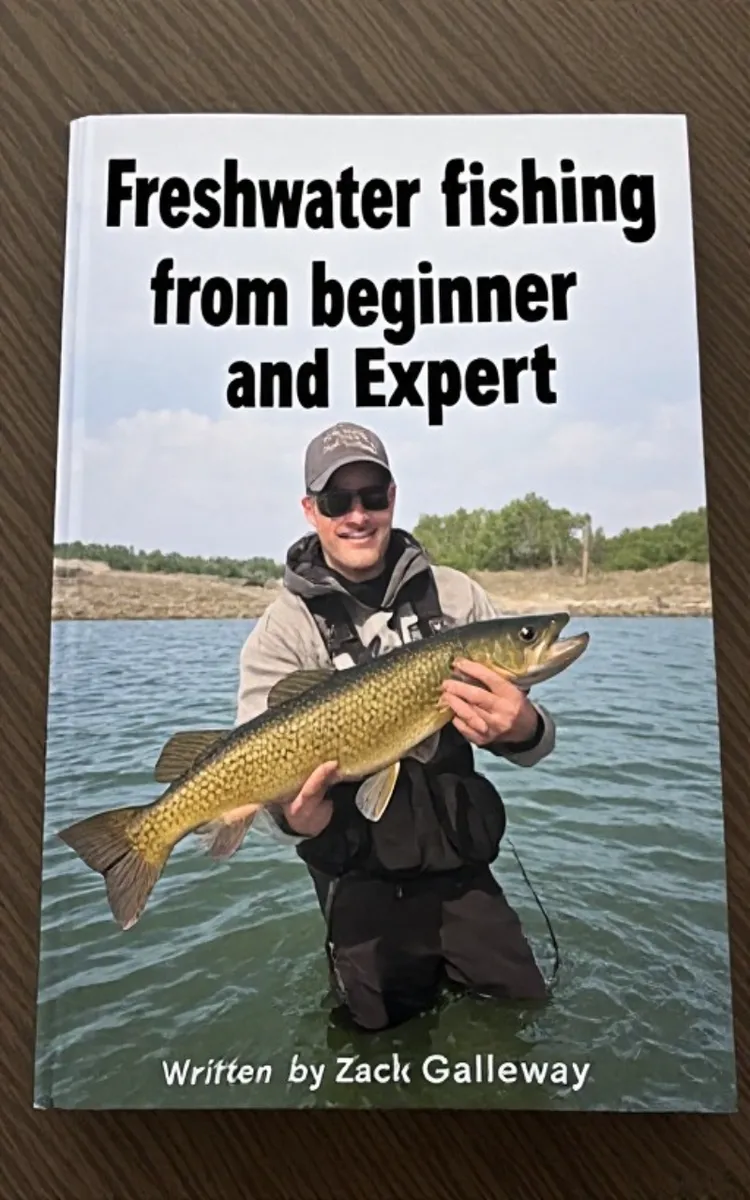
"Freshwater Fishing From Beginner To Expert" is a how-to guide book by Zack Galloway with 8 chapters and approximately 13,543 words. Practical freshwater fishing instruction from beginner to expert.
This book was created using Inkfluence AI, an AI-powered book generation platform that helps authors write, design, and publish complete books. It was made with the AI Ebook Generator.
Frequently Asked Questions
What is "Freshwater Fishing From Beginner To Expert" about?
Practical freshwater fishing instruction from beginner to expert
How many chapters are in "Freshwater Fishing From Beginner To Expert"?
The book contains 8 chapters and approximately 13,543 words. Topics covered include Water Temperature and Fish Behavior, Seasonal Movement and Depth Zones, Structure, Cover, and Current Reading, Weather, Wind, and Feeding Windows, and more.
Who wrote "Freshwater Fishing From Beginner To Expert"?
This book was written by Zack Galloway and created using Inkfluence AI, an AI book generation platform that helps authors write, design, and publish books.
How can I create a similar how-to guide book?
You can create your own how-to guide book using Inkfluence AI. Describe your idea, choose your style, and the AI writes the full book for you. It's free to start.
Write your own how-to guide book with AI
Describe your idea and Inkfluence writes the whole thing. Free to start.
Start writingCreated with Inkfluence AI


