
Read the first chapter
The whole of chapter one, free. About 8 min. Turn the pages with the arrows, your keyboard, or a swipe.
Chapter 1
How a Curable Disease Kills
The Fever That Meets a Closed Door
A person with tuberculosis may begin with nothing more alarming than a cough, tiredness, and a fever that comes and goes. The disease is curable, yet the same infection can become fatal when the clinic is too far away, the test is unavailable, the medicines run out, or the patient must choose between treatment and earning a living.
That is the central contradiction of tuberculosis. The bacterium is ancient, adaptable, and dangerous, but it is not invincible. Modern medicine has drugs that can kill it. What kills people is often the distance between those drugs and the people who need them.
The Cure-to-Death Gap Map follows that distance. It traces the points at which a treatable infection changes course: from exposure to illness, from illness to diagnosis, from diagnosis to medicine, and from medicine to completion. Each gap may look small on its own. Together, they can turn a curable disease into a sentence.
How does a disease defeated by medicine continue to defeat people?
The Long Wait Before a Name
Tuberculosis begins quietly. Mycobacterium tuberculosis, the bacterium that causes TB, usually enters the body through the air when a person with infectious disease coughs, speaks, or sings. Many people infected with the bacterium never develop active illness. Their immune systems contain it, sometimes for years. In others, the bacteria begin multiplying in the lungs and gradually damage tissue.
The first symptoms are easy to explain away. A cough may be blamed on smoke, dust, a cold, or the air at work. Weight loss can be attributed to stress. Night sweats may seem like a passing fever. In a crowded household, a person may keep working because missing a day’s wages threatens rent or food. The disease gains time while the patient is still trying to decide whether being sick is serious enough to justify seeking care.
That delay matters medically and socially. Pulmonary TB can spread through the air, especially in poorly ventilated homes, workplaces, shelters, prisons, and public transport. The person who waits for symptoms to become unmistakable may be exposing relatives and coworkers without knowing it. The illness is not simply moving through one body; it is moving through a network of people whose health depends on one another.
The history of tuberculosis is filled with evidence of this slow progression. Before antibiotics, sanatoriums separated patients from crowded cities and offered rest, fresh air, and food. These measures sometimes helped the body resist disease, but they could not reliably eliminate the infection. The arrival of effective antibiotics changed the medical story. Tuberculosis became a disease that could be treated rather than merely endured.
It did not, however, become a disease that everyone could treat equally.
Diagnosis is the first major point on the Cure-to-Death Gap Map. A person must recognize symptoms, reach a health service, be taken seriously, receive the right test, and obtain the result quickly enough for it to change the outcome. Failure at any point can preserve the illusion that the disease is still mysterious or incurable.
A cough does not become less dangerous because the laboratory is far away.
The Science of a Treatable Infection
Tuberculosis is difficult to cure for reasons that are biological as well as social. The bacteria can survive inside cells and can remain enclosed in lesions in the lungs. A treatment plan therefore uses several medicines over an extended period. The drugs attack the bacteria in different ways and at different stages of their growth.
This combination is essential. Using only one drug, or using the wrong drugs, allows resistant bacteria to survive and multiply. Drug-resistant TB is not a separate moral failure by the patient. It is often the biological consequence of interrupted, inadequate, or poorly matched treatment, combined with the bacterium’s ability to change.
The cure is therefore a chain. Diagnosis must identify the illness. Testing must show whether drug resistance is present. The correct medicines must be available. Doses must be taken for the prescribed duration. Side effects must be recognized and managed. A health worker must remain connected to the patient when the illness becomes difficult, expensive, or frightening.
Break one link and the chain weakens. Break several and the disease can return with fewer treatment options.
The history of antibiotic treatment makes this especially clear. When streptomycin was introduced in the mid-twentieth century, it offered a powerful weapon against TB, but early experience also showed that using it alone could lead to resistance. Combination therapy became necessary. Later drugs expanded the possibilities for treatment, including for resistant disease, but they did not erase the need for diagnosis, monitoring, or continuity.
Here is the counterintuitive finding: the medicine may be the least mysterious part of the cure. The hardest obstacles often appear before the first dose and after it - finding the disease, reaching the clinic, paying the indirect costs, and staying connected to care.
That changes how tuberculosis is understood. If the problem were simply a lack of scientific knowledge, the solution would be a new drug or test. But when the science already offers a cure, death points toward the systems surrounding medicine. A missed bus, an unpaid day, a stockout, or an unrecognized side effect can become part of the disease’s biology because each one changes whether treatment reaches the body in time.
The Price of Staying Well
Treatment is often described as free when the pills themselves are provided without charge. That description can hide the real price.
A patient may still pay for transportation, food during a clinic visit, childcare, phone credit, or time away from work. A person whose income depends on daily labor may face a direct choice between collecting medicine and earning money for the household. Someone living far from a clinic may need to travel repeatedly for testing, refills, or follow-up. For a patient already weakened by illness, each journey is a physical burden as well as a financial one.
Support matters because TB treatment can be long and demanding. Medicines may cause nausea, fatigue, skin changes, or other adverse effects. Some patients fear that coworkers or neighbors will learn they have TB and treat them as dangerous. Others have experienced discrimination in health facilities or have reason to distrust institutions that have repeatedly failed them. A prescription does not remove these pressures.
The social setting can also determine whether treatment succeeds. Overcrowded housing makes transmission easier. Poor ventilation keeps infectious air indoors. Malnutrition weakens the body’s ability to respond. HIV can increase the risk that latent TB infection will progress to active disease. Diabetes and other health conditions can complicate care. None of these conditions is a personal defect. They are part of the environment in which the bacterium meets the human body.
The same infection therefore produces unequal outcomes. A person with paid leave, nearby clinics, reliable transport, stable housing, and respectful care encounters a shorter Cure-to-Death Gap Map. A person without those protections must cross more gaps before reaching the same medicine.
Public health often speaks of “adherence,” a word that can make treatment sound like a test of obedience. The more revealing question is what the health system has made possible. Did the patient receive a diagnosis promptly? Were the medicines available every month? Was there a way to manage side effects? Could the patient return without losing the income that kept the household alive?
The answer to those questions may tell us more about the outcome than the patient’s willpower.
A City, a Clinic, and a Chain of Delays
The 2014-2015 Ebola outbreak in West Africa showed how quickly a health emergency can disrupt services for other diseases. Clinics closed or became places people feared to enter. Health workers were diverted. Routine diagnosis and treatment for conditions such as tuberculosis were interrupted. The lesson was not that TB had become more dangerous overnight. It was that a fragile care system could widen the distance between illness and treatment with remarkable speed.
A similar pattern appeared during the COVID-19 pandemic. Lockdowns, transport restrictions, overwhelmed facilities, and fear of infection interrupted TB testing and treatment in many places. People who would previously have reached a clinic faced new delays. Health workers who had been tracing TB contacts or supporting treatment were reassigned. The disease continued its slow work while the system focused elsewhere.
In communities with high TB burdens, a clinic is more than a building where medicine is dispensed. It is a point in a larger chain: laboratories, supply routes, trained staff, records, transport, communication, and trust. If a laboratory cannot process a sample, diagnosis waits. If a shipment is delayed, treatment waits. If a health worker lacks time for follow-up, a side effect may become a discontinuation. If a patient fears being seen at the TB clinic, stigma adds another locked door.
A real person can disappear inside that chain without anyone intending harm. The patient may attend one appointment, submit a sample, and leave with no clear way to learn the result. A second visit may require money that is no longer available. By the time treatment begins, the disease may be more advanced, the household exposed, and the patient too weak to work.
The tragedy is administrative before it is dramatic. There may be no single moment when the system decides that a life is expendable. Instead, small failures accumulate: a symptom dismissed, a test postponed, a medicine missing, a phone number changed, a wage lost. By the time death arrives, it can look like the inevitable end of an illness that was never inevitable at all.
The Map We Choose to Read
Tuberculosis reveals an uncomfortable feature of modern medicine: a cure is not a single object waiting on a shelf. It is a route through institutions, money, time, trust, and biology. The drug matters, but so do the conditions that allow the drug to arrive and remain available.
That is why unequal TB mortality cannot be explained by germs alone. The bacterium may be shared, but exposure, diagnosis, treatment, and recovery are shaped by housing, work, income, migration status, discrimination, and the strength of local health services. The disease enters through the lungs, yet its fatal pathway often runs through the structure of society.
A person does not die because tuberculosis is curable. A person dies when the cure remains separated from them by enough barriers, for long enough, that the infection wins.
The question left by the Cure-to-Death Gap Map is not only where the gaps are, but why some lives are expected to cross more of them than others. Somewhere between a cough and a cure lies a network of decisions, resources, and assumptions - and it is there that the real mystery of tuberculosis continues to unfold.
End of chapter one. 39 more chapters and about 65,828 words in the full book.
Swipe or use the arrows to turn the page
What's inside: 40 chapters
- 1. How a Curable Disease Kills
- 2. The Price of the First Test
- 3. When Symptoms Look Ordinary
- 4. The Clinic Is Too Far
- 5. A Diagnosis Without a Name
- 6. The Hidden Bill of Treatment
- 7. Why Medicines Run Out
- 8. The Long Road to Adherence
- 9. When Work Punishes Recovery
- 10. The Stigma That Silences Coughs
- 11. Crowded Rooms, Shared Risk
- 12. Hunger Weakens the Fight
- 13. The Unequal Map of TB
- 14. Who Gets Believed at the Clinic
- 15. Women Carry the Care Burden
- 16. Children Miss the Diagnosis
- 17. Prisons Turn Exposure Into Outbreaks
- 18. Migration Meets Paperwork
- 19. HIV Changes the Treatment Stakes
- 20. Drug Resistance Has a Price
- 21. The Patent Wall Around Medicines
- 22. Why TB Research Gets Too Little
- 23. The Vaccine Gap Persists
- 24. Budgets Reveal Whose Lives Count
- 25. Aid Can Build Dependence
- 26. The Data That Leaves People Out
- 27. Community Health Workers Close Gaps
- 28. Care Designed Around Patients
- 29. Cash Support Can Keep Treatment Going
- 30. Digital Tools Need Human Backup
- 31. Primary Care Is the Front Door
- 32. Air Quality Is TB Prevention
- 33. The Right to Refuse Unsafe Care
- 34. When Patients Become Advocates
- 35. Accountability Must Be Measurable
- 36. Courts Can Enforce Health Rights
- 37. Coalitions Make Neglect Visible
- 38. A Fairer TB Response in Practice
- 39. What Reform Costs-and Saves
- 40. A Cure Is a Public Promise
About this book
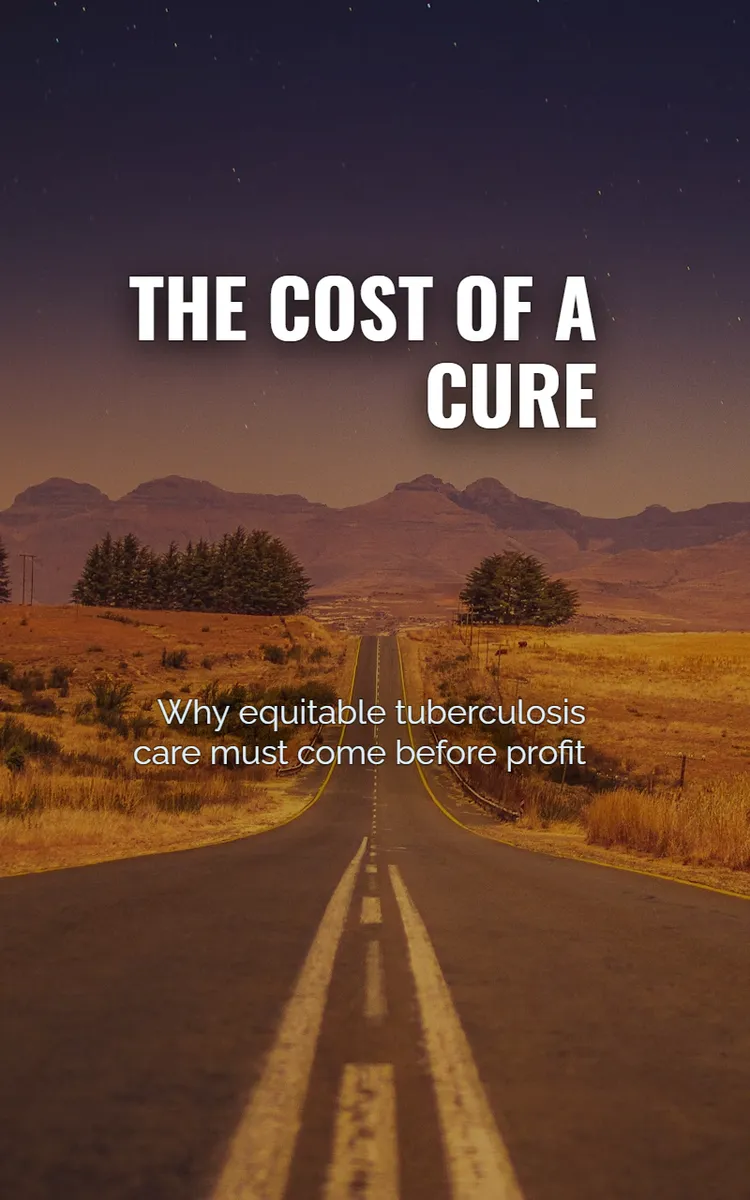
"The Cost Of A Cure" is a other book by Anonymous with 40 chapters and approximately 65,828 words. Tuberculosis treatment access, systemic injustice, and social determinants of health.
This book was created using Inkfluence AI, an AI-powered book generation platform that helps authors write, design, and publish complete books.
Frequently Asked Questions
What is "The Cost Of A Cure" about?
Tuberculosis treatment access, systemic injustice, and social determinants of health
How many chapters are in "The Cost Of A Cure"?
The book contains 40 chapters and approximately 65,828 words. Topics covered include How a Curable Disease Kills, The Price of the First Test, When Symptoms Look Ordinary, The Clinic Is Too Far, and more.
Who wrote "The Cost Of A Cure"?
This book was written by Anonymous and created using Inkfluence AI, an AI book generation platform that helps authors write, design, and publish books.
Write your own other book with AI
Describe your idea and Inkfluence writes the whole thing. Free to start.
Start writingCreated with Inkfluence AI


