
Read the first chapter
The whole of chapter one, free. About 8 min. Turn the pages with the arrows, your keyboard, or a swipe.
Chapter 1
Spell Safety and Boundaries
Why Safety Comes Before Spellwork
Before you light a candle or speak an intention, ask yourself: Do I know what I am asking for, who it affects, and how I will stop if something feels wrong? A spell becomes safer and clearer when you ground your attention, get proper consent, and set firm ethical limits before you begin.
Grounding means bringing your attention back to your body, your surroundings, and the present moment. It helps you notice whether you feel calm enough to practice. Consent means getting clear permission before directing a spell toward another person, their choices, or their private life. Ethical limits define what you will and will not attempt. These steps solve common problems: acting from panic, trying to control someone, or treating a ritual as a substitute for medical, legal, or professional help.
You will learn to prepare a safe working space, check your state of mind, ask for permission, choose a responsible aim, and close the ritual cleanly. You will also learn when to stop. A useful result does not excuse harmful methods. Before any spell, use this simple test: Am I present, is everyone affected treated with respect, and can I explain why this working stays within my limits? If you cannot answer yes, pause and address the problem first.
As a practical starting point, prepare three items: a glass of water, a timer set for 10 minutes, and a notebook. The water supports a physical grounding check, the timer keeps the session contained, and the notebook records your intention and boundaries. Your first takeaway is simple: safety does not happen by accident; you build it before the ritual starts.
The Safe-Cast Checklist
The Safe-Cast Checklist gives you a repeatable way to review a spell before, during, and after casting. Use it for a small candle ritual, a written intention, a protection practice, or any working that involves another person. Complete each item in order rather than skipping to the part that feels most exciting.
1. Settle your body. Sit with both feet on the floor. Name five things you can see, four things you can feel, three things you can hear, two things you can smell, and one thing you can taste. This five-four-three-two-one check brings attention away from racing thoughts and back to your surroundings. If you feel dizzy, panicked, unusually confused, or unable to focus, do not cast. Drink water, turn on the lights, and stop for the day.
2. Check the physical space. Keep candles on a stable, heat-safe surface away from curtains, paper, pets, and loose clothing. Keep water nearby and never leave a burning candle unattended. Remove clutter from the area so you can move safely. These actions prevent a spiritual practice from creating an ordinary household hazard.
3. Write one clear intention. State what you want in one sentence, such as, “I welcome steady work that fits my skills and schedule.” Avoid wording that demands control over a named person, such as, “Make my manager promote me now.” Clear wording helps you direct your attention toward an outcome without pretending you control another person’s mind or decisions.
4. Check consent. If the spell concerns another person, ask them directly before you begin. Explain the purpose in plain language and accept “no” without pressure. For example: “I want to include you in a calming ritual while you prepare for your exam. Do you want that?” Silence, embarrassment, past permission, or a relationship does not equal current consent. If you cannot ask, keep the working focused on your own actions, feelings, boundaries, or readiness.
5. Set ethical limits. Do not use a spell to force romance, punish someone, invade privacy, replace treatment, or interfere with a person’s ability to choose. You can change the wording to protect your own boundaries: instead of “Make my former partner return,” use “Help me release this attachment and recognize healthy relationships.” This shift keeps the work within your control.
6. Choose a practical action beside the ritual. Pair a job-related intention with updating one section of your résumé, a communication intention with drafting a respectful message, or a protection intention with checking a door lock and contacting support if needed. The action gives your intention a safe, real-world path. A spell cannot guarantee an outcome or replace qualified help.
7. Close and review. State that the working is complete, extinguish flames safely, clear the materials, drink water, and write down how you feel. Ask yourself whether you feel calmer, more focused, or more unsettled. If you feel distressed after the ritual, stop further practice, contact someone you trust, and seek appropriate professional support.
Grounding, consent, limits, action, and closure form one chain. If one link fails, the working needs adjustment. Ask yourself: What part of this checklist would I find hardest to explain to another person? That answer often shows where you need a clearer boundary.
Applying the Checklist to a Protection Ritual
A protection ritual can support a sense of steadiness before a difficult week, but it should not replace a safety plan, emergency service, counseling, or legal help. The following example keeps the focus on the practitioner’s own space and choices. It uses one white candle, a glass of water, a notebook, and a 10-minute timer.
1. Prepare for five minutes. Clear a small table, place the candle in a stable holder, set the glass of water to the right of it, and move paper and fabric at least 30 centimeters away from the flame. Set the timer for 10 minutes. Expected outcome: you have a clear, contained workspace with fewer distractions and fire risks.
2. Ground for two minutes. Put both feet on the floor and complete the five-four-three-two-one check. Rate your steadiness from 1 to 5, where 1 means highly distressed and 5 means calm and focused. Continue only if you rate yourself at 3 or higher. Expected outcome: you can describe your surroundings and follow the next instruction without rushing.
3. Write the intention. Record: “I create a calm, protected space for my choices, rest, and clear communication.” Do not write a command aimed at a particular person. Expected outcome: the ritual supports your own boundaries rather than trying to control someone else.
4. Name the limits aloud. Say, “This ritual does not replace locks, alarms, medical care, legal advice, or help from trusted people. I will respond to real danger with practical action.” These words keep symbolic protection separate from actual risk management.
5. Light the candle and work for three minutes. Watch the flame, breathe slowly, and picture yourself taking sensible protective actions: locking the door, ending an unsafe conversation, calling a trusted person, or leaving a dangerous place. If a real threat exists, skip the ritual and take those actions immediately. Expected outcome: you connect the ritual to specific behavior instead of waiting for magic to solve danger.
6. Close at the timer. Say, “The ritual is complete.” Extinguish the candle with a snuffer or by another safe method, without leaving it burning. Drink the water, wash your hands, and record your final steadiness rating. Expected outcome: your body receives a clear signal that the session has ended.
7. Take one practical action within 24 hours. Check the door lock, save an emergency contact, arrange a support call, or write a boundary message. Expected outcome: the ritual leads to a measurable safety step.
Quick checklist
• [ ] I feel present enough to follow instructions. - [ ] My candle and tools sit in a safe, uncluttered area. - [ ] My intention focuses on my choices and well-being. - [ ] I have permission from anyone directly involved. - [ ] I named what the ritual cannot replace. - [ ] I chose one practical action. - [ ] I extinguished the candle and closed the working. - [ ] I recorded how I felt afterward.
A safe result does not mean that an outside event changes on command. It means you completed the practice without ignoring consent, real-world danger, or your own limits - and you left with a clearer next step.
Mistakes That Weaken Safety
Casting while overwhelmed
Strong fear, anger, exhaustion, or intoxication can narrow your judgment. You may write an extreme intention, ignore a boundary, or treat a symbolic sign as proof that you should take a risky action.
Do this: Stop, drink water, turn on a light, and complete the grounding check. Wait at least 20 minutes before deciding whether to continue. If you still cannot focus, close the space and postpone the ritual.
Not this: Do not cast to “calm down” while you remain too distressed to read your own words or follow basic fire safety.
Assuming permission
A friend may have agreed to one calming ritual last month. That agreement does not cover a new working today. A partner may welcome a shared ritual but reject a spell aimed at their job, health, or romantic choices.
Do this: Ask for specific, current permission. Explain what you plan to do, what area of life it concerns, and whether you will tell them the result. Accept a refusal without arguing. If you cannot ask, redirect the spell toward your own conduct and boundaries.
Not this: Do not treat a relationship, previous agreement, silence, or “they would probably like it” as consent.
Using ritual instead of real help
A protection candle cannot stop an abusive person, diagnose an illness, settle a legal dispute, or guarantee financial security. Delaying practical help can increase harm.
Do this: Match the problem with an appropriate action. Contact emergency services for immediate danger, a qualified clinician for health concerns, a lawyer or local support service for legal issues, and a trusted person when you need immediate support. Keep any ritual short and secondary.
Not this: Do not wait for a sign, dream, or spell result before leaving danger or seeking care.
Ignoring the closing step
Some beginners finish the spoken words but leave the candle burning, scattered materials on the floor, or their attention fixed on the problem for hours. An unfinished ending can keep you alert and unsettled.
Do this: State that the ritual has ended, extinguish every flame, clear the area, wash your hands, drink water, and write one ordinary next action. If you feel worse afterward, stop practicing and seek support.
Not this: Do not repeat the spell immediately because you feel uncertain. Give yourself time to return to ordinary activities and review your notes later.
The Safe-Cast Checklist turns safety into actions you can repeat: ground your body, check the space, write a fair intention, confirm consent, set limits, take practical action, and close completely. When those steps become part of your preparation, your spellwork stays clear without asking it to do what only informed choices and real-world support can do.
End of chapter one. 4 more chapters and about 9,317 words in the full book.
Swipe or use the arrows to turn the page
What's inside: 5 chapters
- 1. Spell Safety and Boundaries
- 2. Choosing Intent, Target, and Timing
- 3. Preparing Tools, Space, and Supplies
- 4. Casting the Spell: Words and Gestures
- 5. Sealing, Releasing, and Tracking Results
About this book
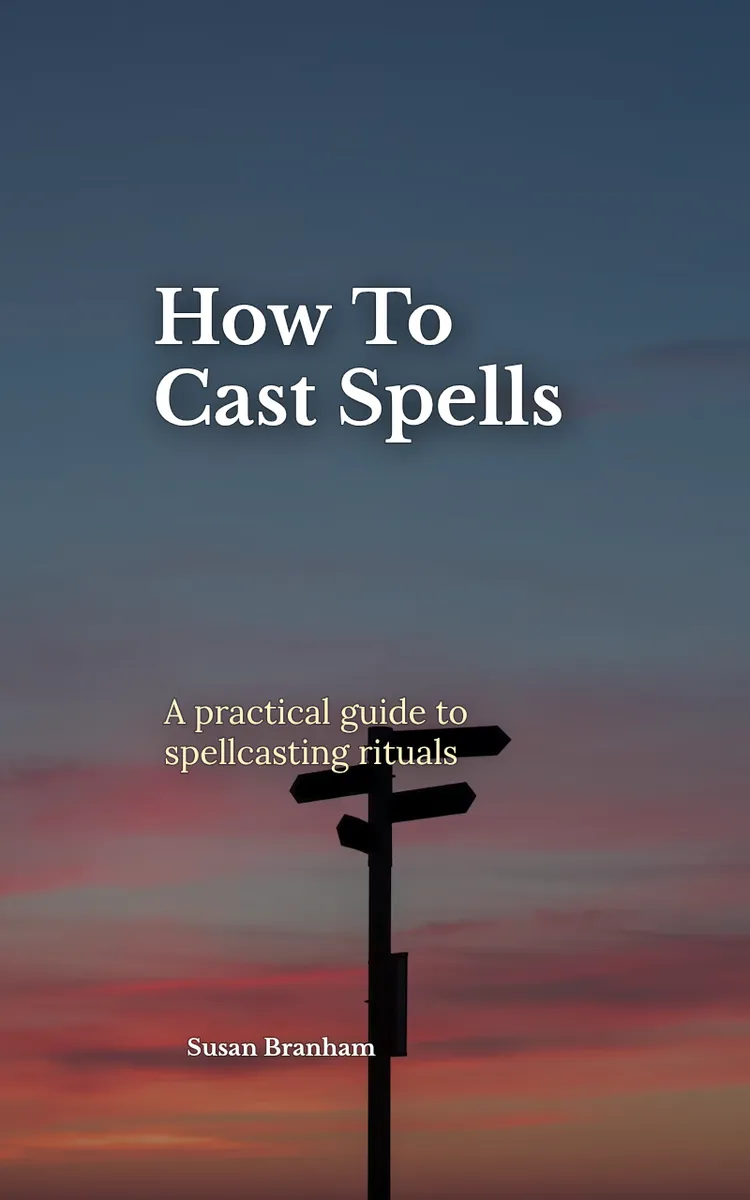
"How To Cast Spells" is a how-to guide book by Susan Branham with 5 chapters and approximately 9,317 words. Step-by-step instructions for casting spells and rituals.
This book was created using Inkfluence AI, an AI-powered book generation platform that helps authors write, design, and publish complete books. It was made with the AI Ebook Generator.
Frequently Asked Questions
What is "How To Cast Spells" about?
Step-by-step instructions for casting spells and rituals
How many chapters are in "How To Cast Spells"?
The book contains 5 chapters and approximately 9,317 words. Topics covered include Spell Safety and Boundaries, Choosing Intent, Target, and Timing, Preparing Tools, Space, and Supplies, Casting the Spell: Words and Gestures, and more.
Who wrote "How To Cast Spells"?
This book was written by Susan Branham and created using Inkfluence AI, an AI book generation platform that helps authors write, design, and publish books.
How can I create a similar how-to guide book?
You can create your own how-to guide book using Inkfluence AI. Describe your idea, choose your style, and the AI writes the full book for you. It's free to start.
Write your own how-to guide book with AI
Describe your idea and Inkfluence writes the whole thing. Free to start.
Start writingCreated with Inkfluence AI


