

Read the first chapter
The whole of chapter one, free. About 5 min. Turn the pages with the arrows, your keyboard, or a swipe.
Chapter 1
Why understanding my toxic relationship matters right now
You feel drained after conversations, second-guess small decisions, and notice your confidence shrinking - that’s the reality this chapter addresses. Knowing what makes a relationship toxic helps you stop blaming yourself for patterns that repeat and gives you practical steps to protect your energy and make clear choices. You’ll leave this section able to name specific behaviors that harm you, explain why they hurt, and decide one concrete first action you can take within 48 hours.
This matters because toxic relationships wear down your mental and physical resources over time. When you can point to exact behaviors - like repeated put-downs, controlling schedules, or guilt-based demands - you can respond strategically instead of reacting. You’ve got this: clarity replaces confusion, and small changes produce measurable relief.
Recognizing the core toxic patterns and why they break you
Toxic relationships center on recurring behaviors that harm your autonomy, safety, or self-worth. Here are four core patterns you should watch for, with clear examples and why each damages you.
• Frequent invalidation: They dismiss your feelings with lines like “You’re overreacting.” Why it hurts: it trains you to doubt your own perception. Example: you bring up being late for dinner and they call you “dramatic,” which makes you apologize for feeling upset rather than address the lateness next time.
• Gaslighting: They deny events or twist facts to make you doubt memory. Why it hurts: it erodes mental clarity and increases anxiety. Example: You remember a plan; they insist you agreed to something different and later produce a text they say proves it - when you check your phone, the text has different wording or tone.
• Control over daily life: They insist on deciding finances, friends, or where you go. Why it hurts: it reduces your freedom and creates dependence. Example: They demand access to your social accounts “to trust you,” which leads you to hide parts of your life to keep peace.
• Punitive withdrawal or “silent treatment”: They withdraw affection as punishment after a disagreement. Why it hurts: it conditions you to comply to avoid emotional pain. Example: You express a boundary about late-night calls; they ignore you for days and then claim “you ruined things,” making you rescind that boundary to restore contact.
Knowing these patterns helps you stop blaming yourself. The why matters: each pattern targets a basic need - truth, autonomy, respect, or consistency. When one or more needs go unmet repeatedly, you feel diminished. That’s not your fault; it’s a relationship problem.
A step-by-step approach to respond in the moment
Use this compact process when a toxic interaction happens. I recommend trying it in sequence; each step aims to restore clarity, safety, or control.
• Pause and label (10-30 seconds): Quietly name the behavior out loud to yourself - “That’s gaslighting.” Why: labeling reduces emotional amplification and helps you think. Expected outcome: you stop escalating and keep your voice steady.
• Set a factual limit (one sentence): Say a clear boundary tied to behavior - “If you call me names, I’ll step away for 30 minutes.” Why: specific limits teach cause and effect. Expected outcome: the conversation either changes or you get temporary space.
• Enforce the boundary (actual steps): Physically step away, mute notifications, or leave the room for the 30 minutes you specified. Why: without enforcement, boundaries become words only. Expected outcome: you regain calm; they learn boundaries have consequences.
• Record and reflect (5-15 minutes later): Write one sentence about what happened and how you felt, then choose one practical next step - text a friend, schedule a cooling-off walk, or prepare a short script for the next talk. Why: documentation clarifies patterns over time. Expected outcome: you build evidence if you later decide to leave or seek outside help.
These steps give you immediate control and a simple ritual to repeat. Do it three times across different incidents to see whether the other person adjusts their behavior or whether the pattern continues.
Applying this approach: a realistic morning-after scenario
You wake to find your partner texted angrily because you ignored a late message. They accuse you of “not caring,” and call you selfish.
• Pause and label: Take 20 seconds, breathe, and think: “That’s blame-shifting.” Labeling stops reflexive defense.
• Set a factual limit: Reply, “I won’t discuss tone. If you call me names, I’ll end the conversation for now.” Keep it one line.
• Enforce the boundary: If they escalate, put your phone on Do Not Disturb for 30 minutes and go for a 10-minute walk. Expected outcome: your heart-rate drops and they either calm or their pattern repeats.
• Record and reflect: Write one sentence in your phone: “3/18 - called selfish; I set a boundary; I walked for 10 minutes.” Choose next action: schedule a 15-minute talk for evening or text a friend for support.
Quick checklist:
• Label the behavior (10-30s)
• State one clear, time-bound limit (one sentence)
• Enforce that limit immediately (leave, mute, walk)
• Record the incident and choose one follow-up action
You’ll know this approach helps when you feel less reactive and can count incidents instead of replaying them endlessly. You’ve got this - small, consistent steps bring back control.
Common mistakes and fixes when you try this
Minimizing your own feelings
Explanation: You tell yourself you’re “too sensitive” and avoid naming toxic behavior. That lets the pattern continue.
Do this: Say the behavior aloud - “That’s dismissive” - and Not this: Shrug it off as “my problem” and stay silent.
Fix: Keep a private log for two weeks and compare entries. If you see the same pattern three times, treat it as relationship data - not personal failure. You've got this: data clarifies decisions.
Reacting instead of enforcing
Explanation: You set a boundary but then reply to bait or return prematurely, which signals the boundary didn’t matter.
Do this: After stating the limit, walk away immediately and put your phone out of reach for the time you specified.
Not this: Staying in the room while arguing about the boundary.
Fix: Practice one short enforcement - mute notifications or physically leave for the exact time you named. Expect the other person to test it once; hold firm. That practice builds your confidence.
Closing thought: Naming toxic patterns, using a short, repeatable boundary routine, and enforcing consequences let you recover calm in the moment and collect clear evidence over time. You don’t need dramatic moves to start protecting yourself - small, consistent actions change how you feel day to day. If the pattern persists after several enforced boundaries, the next practical step is to widen your support: tell a trusted friend what you documented, consult a counselor, or plan an exit with concrete dates and finances. Take one step you can keep doing; each one restores a little more of your life. You've got this.
End of chapter one.
Swipe or use the arrows to turn the page

What's inside: 1 chapter
- 1. Why understanding my toxic relationship matters right now
About this book
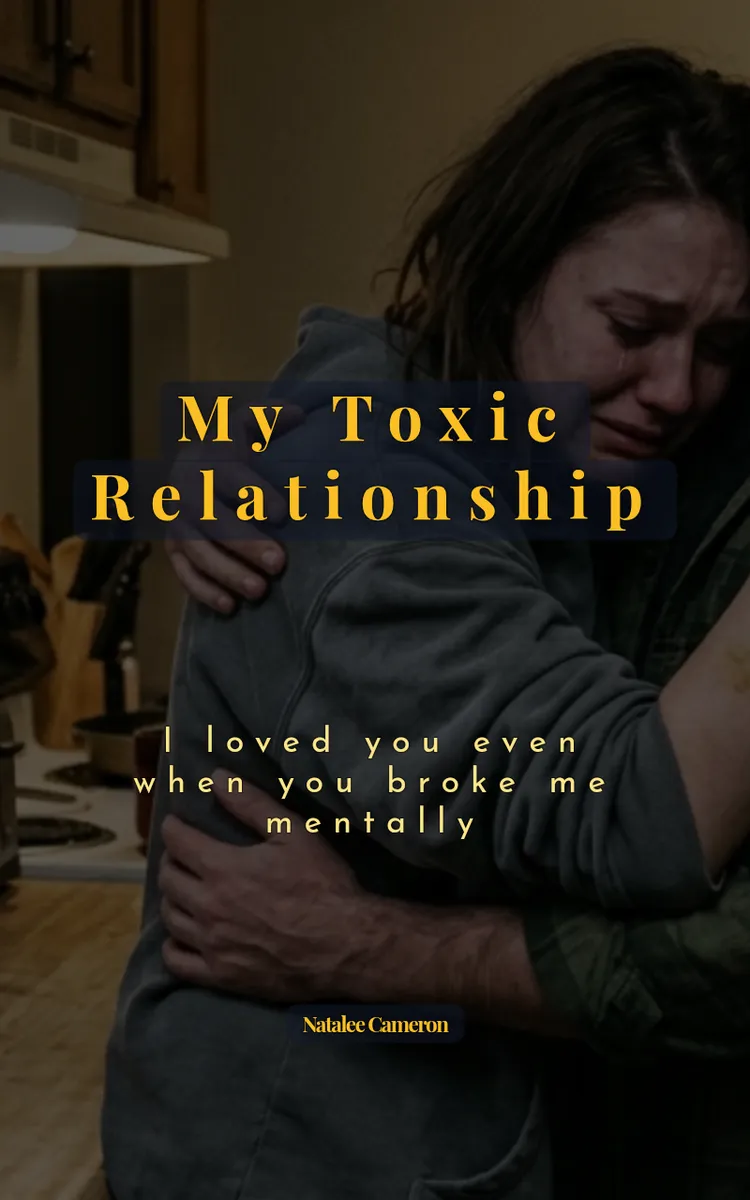
"My toxic relationship" is a general book by Natalee Cameron with 1 chapters and approximately 1,133 words. It covers key insights and practical takeaways on the topic.
This book was created using Inkfluence AI, an AI-powered book generation platform that helps authors write, design, and publish complete books.
Frequently Asked Questions
What is "My toxic relationship" about?
"My toxic relationship" is a general book by Natalee Cameron covering key insights and practical takeaways on the topic.
How many chapters are in "My toxic relationship"?
The book contains 1 chapters and approximately 1,133 words. Topics covered include Why understanding my toxic relationship matters right now.
Who wrote "My toxic relationship"?
This book was written by Natalee Cameron and created using Inkfluence AI, an AI book generation platform that helps authors write, design, and publish books.
Write your own book with AI
Describe your idea and Inkfluence writes the whole thing. Free to start.
Start writingCreated with Inkfluence AI


