
Read the first chapter
The whole of chapter one, free. About 8 min. Turn the pages with the arrows, your keyboard, or a swipe.
Chapter 1
Exercise and Mood Regulation
Movement That Changes the Tone of a Day
After a tense morning, a short walk around the block can change more than your step count. Your shoulders may drop, your breathing may slow, and the problem that felt impossible at 9:00 a.m. may seem easier to sort out at 9:20. That shift is not a promise of instant happiness. It is a useful example of how movement can influence mood and stress in ordinary life.
The goal here is to help you use exercise as one steady support for mental well-being. You will learn how movement may affect stress, energy, sleep, and emotional balance, then put those ideas into a simple routine that can grow gradually. The expected outcome is not a diagnosis or a guarantee. It is a practical foundation: more chances to feel settled, more awareness of what your body needs, and a repeatable way to respond when stress builds.
Who this is for: This guidance is for adults who want to begin or restart regular movement and are interested in its connection to mental well-being. It can be adapted for a busy schedule, a small living space, or limited fitness experience. Potential benefits include steadier energy, a calmer transition after stressful events, improved sleep habits, and greater confidence in caring for yourself through consistent action.
Ask yourself: Would a routine that takes 10 to 30 minutes, three to five days a week, be realistic right now? Start with the answer you can live with, not the plan that looks most impressive on paper. A sustainable routine gives your mood repeated support.
Why Movement Can Shift Mood and Stress
Exercise affects mood through several connected body systems. When you move, your heart beats faster, your breathing changes, and your muscles use more energy. These changes send information to the brain and can influence stress hormones, including cortisol and adrenaline. After activity ends, the body begins its recovery process. For many people, that transition can feel like a release from mental tension.
Movement may also support neurotransmitters, chemical messengers that help nerve cells communicate. Some of these messengers are involved in alertness, motivation, and emotional balance. It would be too strong to say that a single workout “fixes” mood. A more accurate view is that regular activity gives the brain and body repeated opportunities to practice shifting from activation toward recovery.
The Mood-Movement Loop describes this pattern:
1. Stress, low energy, or a difficult mood makes movement feel less appealing. 2. A small amount of manageable movement creates a change in breathing, circulation, and attention. 3. That change may make the next healthy choice - another walk, a regular meal, or an earlier bedtime - slightly easier. 4. Repeated choices build a routine, and the routine provides more regular support for mood and stress.
The loop works best when the first step is small. A gentle 10-minute walk after lunch may be more useful than a demanding workout attempted once and then abandoned. The action does not need to feel dramatic to matter.
Several factors can affect how strongly you notice the effect:
1. Intensity: Easy movement may settle a busy mind, while moderate activity may provide a stronger lift in energy. Very hard training can feel stressful if recovery is poor. 2. Timing: Morning activity may help some people feel more alert. A walk after work may create a useful boundary between job stress and home time. Vigorous exercise close to bedtime may make sleep harder for some people. 3. Consistency: Mood support usually depends more on repeated activity than on one exceptional session. 4. Starting point: Sleep, pain, fitness level, medication, illness, and current stress can all change how exercise feels.
Intensity can be judged without special equipment. During moderate-intensity activity, you can speak in short sentences but would not comfortably sing. During easy activity, conversation feels normal. Use these signals rather than forcing a particular pace.
Exercise can also influence mood indirectly. A regular walk may expose you to daylight, provide time away from screens, or create contact with other people. Strength training can build a sense of capability. Gentle stretching may offer a deliberate pause. These are not separate from mental well-being; they are part of the setting in which the Mood-Movement Loop develops.
A useful check is this: after movement, do you feel more settled, more alert, or simply no worse than before? All three responses provide information. The aim is not to chase a particular feeling every time. It is to notice patterns and adjust the dose.
A Simple Routine for Building the Loop
Begin with a two-week foundation rather than a complete fitness overhaul. Choose three days each week for a 10-minute walk at an easy to moderate pace. If walking is uncomfortable, use another low-impact option, such as a stationary bicycle, water exercise, or gentle marching in place. Add two brief strength sessions each week, with at least one day between them. Each session can include one set of 8 to 12 controlled repetitions of a chair squat, wall push-up, and hip hinge. Stop before your form breaks down.
Pair each movement session with a mood check. Before starting, rate your current tension or energy from 1 to 5. Repeat the rating after finishing and again about 30 minutes later. Do not treat the numbers as a medical test. They are simply a way to learn whether timing, duration, or intensity seems helpful.
During weeks three and four, add five minutes to two of the walking sessions if recovery is comfortable. You might move from 10 minutes to 15 minutes on Monday and Thursday while keeping Wednesday at 10 minutes. Continue the two strength sessions. By the end of week four, a reasonable target is three to five movement sessions per week, totaling about 60 to 90 minutes of easy or moderate activity, plus two short strength sessions.
Progress one part at a time. Increase duration before speed, or add one strength set before adding heavier resistance. Keep at least one easier day after a demanding session. If soreness, fatigue, or irritability lasts more than a day or two, reduce the next session by about one-third and return to the previous comfortable level.
A weekly plan might look like this:
| Day | Activity | Duration | Mood-support purpose | |---|---|---:|---| | Monday | Brisk or comfortable walk | 10-15 minutes | Start the week with a clear transition | | Tuesday | Strength: chair squat, wall push-up, hip hinge | 10-15 minutes | Build capability without exhaustion | | Wednesday | Easy walk or gentle mobility | 10 minutes | Keep the loop active on a lighter day | | Thursday | Walk, gradually lengthened | 15-20 minutes | Practice steady moderate effort | | Friday | Rest or optional easy movement | 5-10 minutes | Support recovery | | Saturday | Strength session | 10-15 minutes | Repeat the skill of showing up | | Sunday | Rest or relaxed walk | Optional | Notice how movement affects the coming week |
Use practical cues to make the routine easier to repeat. Keep walking shoes near the door, schedule the session after a regular meal, or place a calendar mark beside each completed activity. If motivation is low, commit to five minutes. You may continue, but five minutes is enough to keep the habit alive.
Safety matters. Begin with two or three easy minutes, especially if you have been inactive. Drink water according to thirst and choose suitable shoes and a safe surface. Stop and seek urgent medical help for chest pressure, severe shortness of breath, fainting, sudden weakness, or severe dizziness. Seek professional guidance before increasing exercise if you have a heart or lung condition, uncontrolled blood pressure, a significant injury, or another health concern that affects activity. If low mood, anxiety, sleep disruption, or loss of interest persists, worsens, or interferes with daily life, speak with a qualified health professional. Exercise can support care; it should not replace individualized care.
At the end of each week, ask: Which session helped me feel more settled or capable, and what made it possible? That answer is more useful than judging yourself for missing a workout. The routine should fit your life closely enough to survive a busy week.
Common Ways the Mood-Movement Loop Breaks Down
Mistake: Starting with an exhausting workout
Why it happens: Hard sessions can seem like proof that exercise is “counting.” But when a workout leaves you drained, sore, or discouraged, the next session becomes easier to skip. Excessive intensity can also add physical stress when your main goal is emotional steadiness.
What to do instead: Begin at an effort where you can speak in short sentences. Keep the first week to three 10-minute movement sessions and two brief strength sessions. Increase only one variable - time, pace, or resistance - after at least one comfortable week.
Mistake: Waiting until motivation appears
Why it happens: Stress and low mood often reduce the desire to move. If motivation must come first, the routine may never begin.
What to do instead: Use a small starting rule: put on your shoes and move for five minutes at the planned time. Link the action to an existing cue, such as finishing breakfast or closing your workday. Let action create information; you do not need to feel ready before you begin.
Mistake: Treating mood ratings as a pass-or-fail test
Why it happens: A person may expect every session to produce an immediate lift. When that does not happen, it can feel as though exercise is useless.
What to do instead: Look for patterns across two to four weeks. One session may improve energy, another may reduce tension, and another may simply maintain your routine during a difficult day. Track duration, timing, and recovery along with mood. If activity repeatedly worsens your mood or leaves you unusually agitated, reduce intensity and discuss the pattern with a health professional.
The Mood-Movement Loop is not about forcing a better mood. It is about creating a reliable opening for change: a few minutes of movement, a calmer transition, and another chance to choose what supports you. Over time, those modest openings can become a steady foundation for a clearer mind and a more resilient day.
End of chapter one. 4 more chapters and about 8,549 words in the full book.
Swipe or use the arrows to turn the page
What's inside: 5 chapters
- 1. Exercise and Mood Regulation
- 2. Exercise for Anxiety Relief
- 3. Strength Training for Self-Efficacy
- 4. Sleep Quality Through Movement
- 5. Exercise During Depression Recovery
About this book
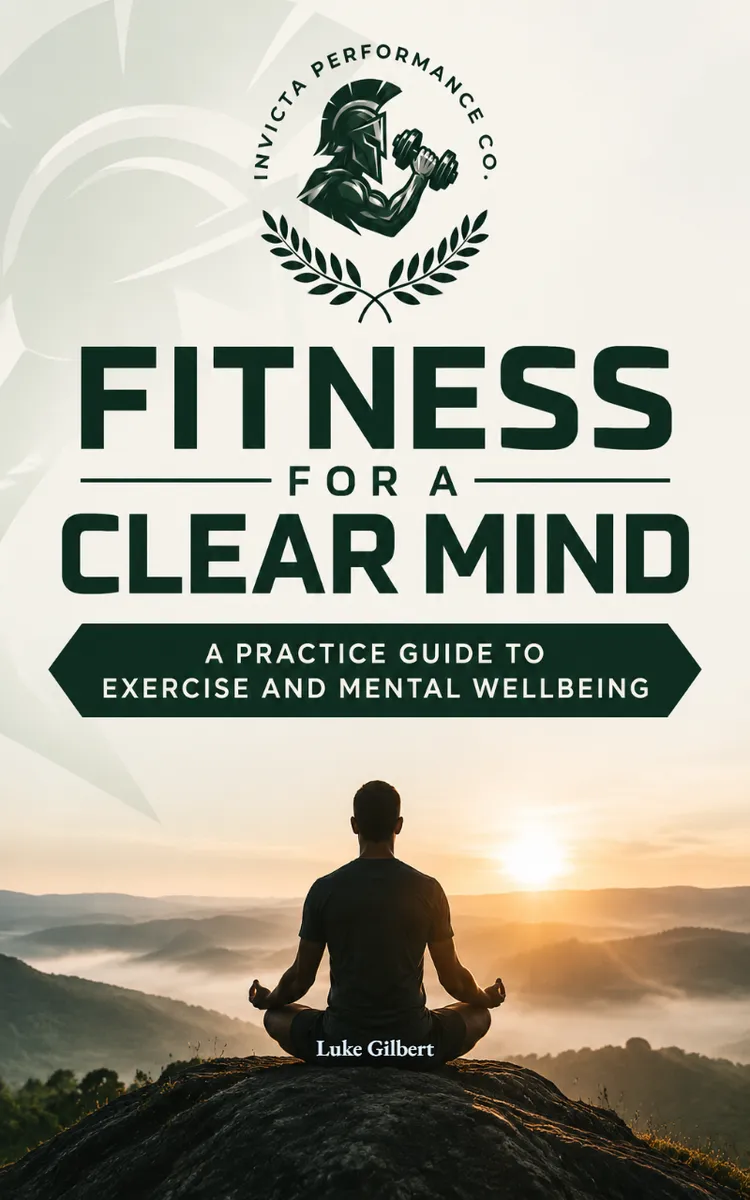
"Fitness For A Clearer Mind" is a health & wellness book by Luke Gilbert with 5 chapters and approximately 8,549 words. How physical fitness supports mental health and emotional well-being.
This book was created using Inkfluence AI, an AI-powered book generation platform that helps authors write, design, and publish complete books. It was made with the AI Health Book Generator.
Frequently Asked Questions
What is "Fitness For A Clearer Mind" about?
How physical fitness supports mental health and emotional well-being
How many chapters are in "Fitness For A Clearer Mind"?
The book contains 5 chapters and approximately 8,549 words. Topics covered include Exercise and Mood Regulation, Exercise for Anxiety Relief, Strength Training for Self-Efficacy, Sleep Quality Through Movement, and more.
Who wrote "Fitness For A Clearer Mind"?
This book was written by Luke Gilbert and created using Inkfluence AI, an AI book generation platform that helps authors write, design, and publish books.
How can I create a similar health & wellness book?
You can create your own health & wellness book using Inkfluence AI. Describe your idea, choose your style, and the AI writes the full book for you. It's free to start.
Write your own health & wellness book with AI
Describe your idea and Inkfluence writes the whole thing. Free to start.
Start writingCreated with Inkfluence AI


