
Read the first chapter
The whole of chapter one, free. About 4 min. Turn the pages with the arrows, your keyboard, or a swipe.
Chapter 1
Choosing the Ideal Living Space for Cavaliers
Why This Matters
Cavaliers are companions first and dogs second. Their health and happiness are strongly influenced by the space they live in. A home that's poorly matched to their size, energy level, or sensitivity can lead to anxiety, weight gain, joint stress, and behavior problems such as excessive barking or shadowing you from room to room. This chapter helps you solve the common friction of “I love my Cavalier, but my home isn’t working for them”—by showing how to choose and prepare a living space that supports their physical and emotional needs.
After reading this chapter you will be able to evaluate any room, apartment, or yard for Cavalier suitability; make targeted, budget-friendly modifications (for example, installing a 30–36 inch pet gate or choosing nonslip rugs with a 4–6 mm pile); and create a daily-use layout that reduces stress and protects spinal and heart health. You’ll finish with concrete steps you can implement in a weekend.
How It Works
Cavaliers need a balance of comfortable indoor living, safe short walks or play sessions, and environmental predictability. The core idea is to design a home that minimizes hazards, supports low-impact activity, and provides consistent rest spaces. Think in three components: scale, surfaces, and routine.
1. Scale: Match room scale and furniture to a small-breed dog. - Cavaliers weigh 13–18 pounds and stand about 12–13 inches at the shoulder. Choose seating and bed placements so they can jump on and off without high vertical drops. Example: a 10–12 inch ramp or a 4–6 inch step stool next to your sofa reduces spinal strain.
2. Surfaces: Prioritize traction and easy cleaning. - Hard floors can be slippery; rugs with a rubber backing and a 3–5 mm pile provide grip. For stairs with low traction, apply 2–3 anti-slip treads per step (each 8–10 inches wide). Use washable throws and a dog-specific mat (e.g., 36"x24") at the door to catch dirt and prevent ear infections from wet fur.
3. Routine: Create predictable zones and a daily schedule. - Cavaliers thrive on routine. Define a sleeping zone (quiet, slightly elevated from drafts), an activity zone near your main living area for 15–30 minute play/walk transitions, and a feeding zone away from heavy foot traffic. Place the crate or bed so the dog can see family activity but not be in the direct path of household traffic to avoid stress-related reactivity.
Concrete example: In a one-bedroom apartment, place the bed in a corner using a 24"x36" orthopedic foam bed, add a 24" pet gate to partition the living area for daytime play, and leave a 2–3 foot clear path from the entrance to the garden door for bathroom trips.
Putting It Into Practice
Scenario: You have a 900 sq ft apartment, a 6-month-old Cavalier, and limited balcony access. Your goals: reduce slipping, prevent jumping-related injury, and establish a bathroom routine.
1. Measure and map: Spend 30 minutes measuring key dimensions—sofa height, stair rise, balcony door width. Record numbers: sofa height 18", entryway width 32", stair rise 7". Expected outcome: know where ramps, gates, and mats will fit. 2. Install traction and steps: Order two 12"x18" nonslip carpet runners for the sofa and two modular pet steps (each step 6" rise) to bridge the 18" drop. Cost estimate: $70–$120. Expected outcome: fewer awkward jumps; less spinal strain. 3. Create zones: Place a 36"x24" washable mat by the balcony door, a 24"x36" orthopedic bed in a corner 3 feet from the TV, and a feeding station against a wall with 2 stainless bowls elevated on a 2" platform. Expected outcome: calmer mealtimes and consistent sleeping spot. 4. Balcony safety and access: If you allow balcony time, install a 36" balcony guard or mesh to block gaps larger than 2 inches. Limit balcony sessions to 10 minutes, twice daily, supervised. Expected outcome: reduced fall risk and safer fresh-air breaks. 5. Routine: Walk 10–15 minutes after breakfast and 15–20 minutes after dinner; keep play sessions to 10 minutes of fetch or gentle tug. Expected outcome: appropriate exercise levels and better sleep.
Quick checklist: - Measure furniture heights and door widths. - Add 6–12 inch pet steps or a 10–12 inch ramp where needed. - Use rubber-backed rugs and 8–10" non-slip stair treads. - Establish three zones: sleep, play, feed. - Install balcony/yard guards if gaps exceed 2 inches. - Schedule two short walks and two short play sessions daily.
What to Watch For
Overcrowded furniture Many owners arrange rooms with lots of small tables and décor, leaving narrow paths. This causes tripping when your Cavalier darts around and increases anxiety in tight spaces. Fix: Do this—keep a 2.5–3 foot clear pathway in main rooms and remove low coffee-table corners. Not this—cramming furniture into routes less than 18 inches wide.
Ignoring floor traction A shiny hardwood or tile floor may look fine but causes slipping that stresses knees and spine. Fix: Do this—use rubber-backed runner rugs at least 24" wide and anti-slip adhesive treads on the first and last three steps. Not this—relying on bare floor during winter when paws are wet.
Overexposure to outdoor elements Leaving a Cavalier on a balcony or in a yard unsupervised for long periods can cause heatstroke or hypothermia; they are small and sensitive. Fix: Do this—limit unsupervised outdoor time to 10–15 minutes and provide shade and water when temperatures exceed 75°F (24°C). Not this—assuming a fenced yard is safe for hour-long unsupervised play, especially in extreme weather.
By tailoring your home with measured adjustments, safe surfaces, and consistent routines, you’ll create a space where your Cavalier can thrive physically and emotionally.
End of chapter one. 7 more chapters in the full book.
Swipe or use the arrows to turn the page


What's inside: 8 chapters
- 1. Choosing the Ideal Living Space for Cavaliers
- 2. Daily Grooming Techniques for Healthy Coats
- 3. Nutrition Essentials for Optimal Health
- 4. Recognizing and Managing Common Health Issues
- 5. Exercise Routines to Keep Cavaliers Fit
- 6. Safe Socialization and Behavioral Training
- 7. Seasonal Care: Adjusting to Weather Changes
- 8. Traveling Comfortably with Your Cavalier
About this book
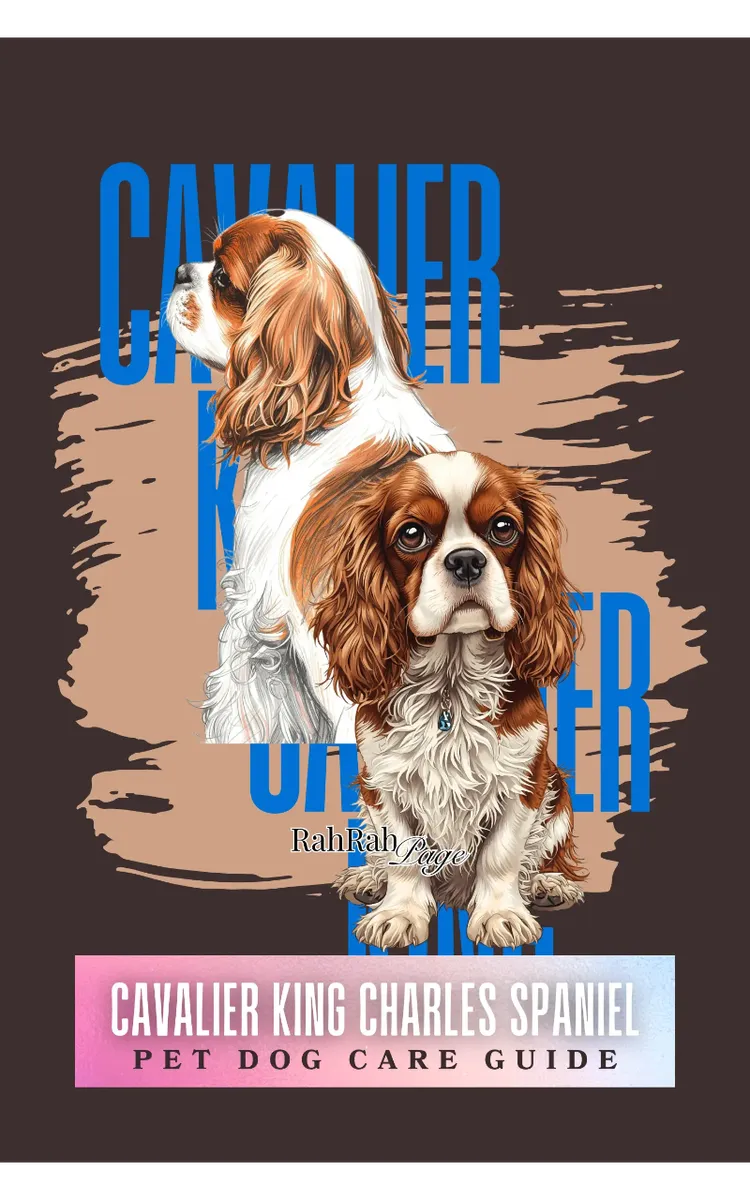
"Cavalier King Charles Care" is a how-to guide book by RahRah Page with 8 chapters and approximately 7,421 words. Guide on living space, grooming, health, and nutrition for Cavalier King Charles Spaniel.
This book was created using Inkfluence AI, an AI-powered book generation platform that helps authors write, design, and publish complete books. It was made with the AI Ebook Generator.
Frequently Asked Questions
What is "Cavalier King Charles Care" about?
Guide on living space, grooming, health, and nutrition for Cavalier King Charles Spaniel
How many chapters are in "Cavalier King Charles Care"?
The book contains 8 chapters and approximately 7,421 words. Topics covered include Choosing the Ideal Living Space for Cavaliers, Daily Grooming Techniques for Healthy Coats, Nutrition Essentials for Optimal Health, Recognizing and Managing Common Health Issues, and more.
Who wrote "Cavalier King Charles Care"?
This book was written by RahRah Page and created using Inkfluence AI, an AI book generation platform that helps authors write, design, and publish books.
How can I create a similar how-to guide book?
You can create your own how-to guide book using Inkfluence AI. Describe your idea, choose your style, and the AI writes the full book for you. It's free to start.
Write your own how-to guide book with AI
Describe your idea and Inkfluence writes the whole thing. Free to start.
Start writingCreated with Inkfluence AI


