
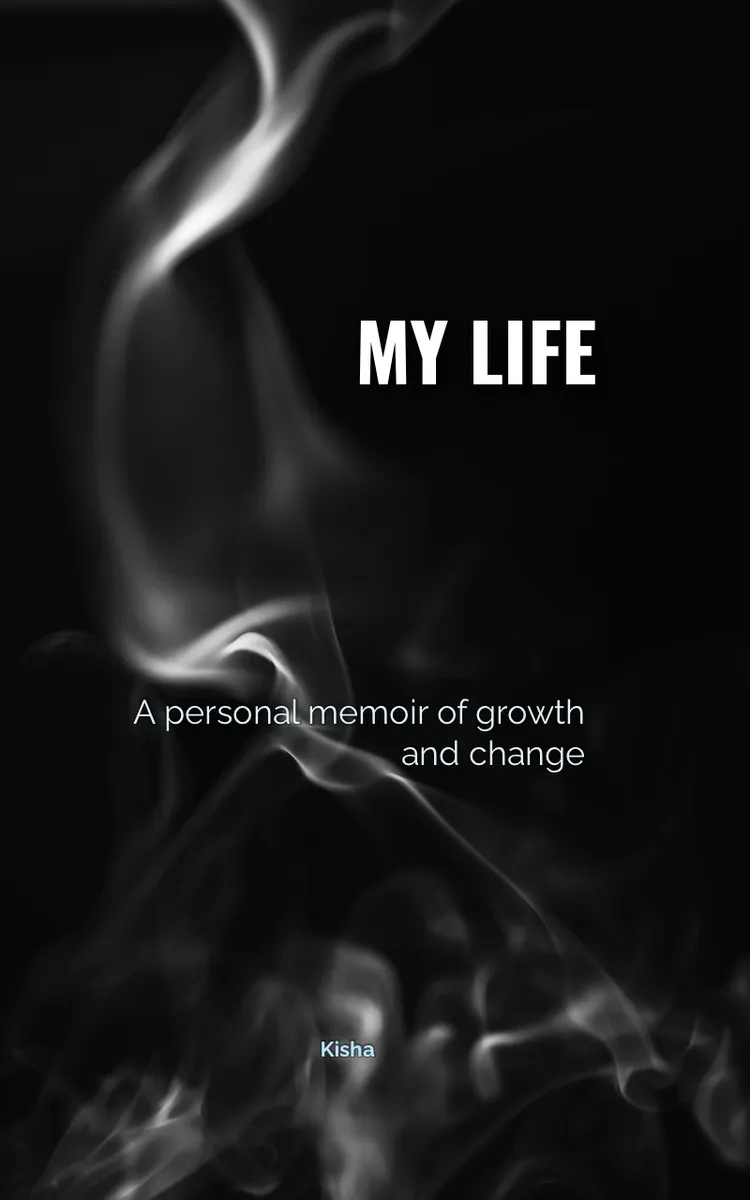
Read the first chapter
The whole of chapter one, free. About 14 min. Turn the pages with the arrows, your keyboard, or a swipe.
Chapter 1
Leaving Home for First Work
The suitcase wheels snagged on the worn strip of tile near the door, and the sound - metal on grit - felt louder than it should have, like the whole apartment could hear me leaving. I tightened the strap across my shoulder until the fabric bit into my collarbone, then checked the small pile of papers on the bed as if the act of looking could keep them from disappearing. The envelope with my job offer was there. The receipt for my bus ticket was there. The address of the rented room in this new city was there, written in my own hand on the back of an old grocery flyer because the printed address I’d been given was smudged by rain in my pocket.
Outside, the hallway smelled of boiled cabbage and cleaning bleach. Someone’s TV played too softly behind a door, the voices muffled as if they were talking underwater. I paused with my hand on the doorknob and listened to the building settle around me - pipes ticking, floorboards cooling - trying to memorize the sounds the way you memorize a face before it’s gone. My stomach clenched anyway. I told myself I was doing what I’d promised, that this was supposed to feel like relief. Instead it felt like standing on the edge of a pool with your clothes on, waiting for the water to decide whether it would be kind.
I stepped into the morning and the air hit my skin cold and sharp. The bus station was a different weather altogether - warmth from bodies and engines, exhaust that sat in the back of my throat. When I handed over my ticket, the clerk barely looked up. “Next,” he said, as if I was any other person traveling nowhere special. I boarded with a paper cup of coffee I didn’t taste, my fingers wrapped around it for something to do. The seat vinyl was sticky at the seam, and every time the bus jolted I felt it tug at my heel.
On the ride, the city kept changing its face. Neighborhoods slid past like pages in a book I couldn’t read fast enough. I watched storefronts blur into scaffolding, watched murals give way to chain-link fences, watched the sky shift from pale to a deeper gray. Through the window glass, the new city looked familiar in the way all busy places do - people moving with purpose, cars squeezing into gaps, someone selling something from a cart near the curb - but it didn’t feel mine. It was like wearing shoes that fit but rub in the exact spots you didn’t know you had.
When we pulled to a stop near my factory job, I got off and immediately felt the difference between arriving and belonging. I stood with my suitcase on the sidewalk while the bus hissed away, trying to locate landmarks the way I’d practiced in my head. The address for the rented room wasn’t far, but “not far” in a new city could mean anything. I walked past a row of buses coughing at the curb, past a convenience store where the air smelled of fried oil, and past a laundromat with humming dryers through the glass. Every time I asked a question, I got directions that sounded certain and then turned out to be too specific for me to follow. The street names were unfamiliar, and the numbers on the buildings seemed to jump like they were playing a joke.
“Is it the one with the blue door?” a woman asked me back when I hesitated at a corner.
I looked where she pointed, saw a blue door I hadn’t noticed, and felt a quick flush of gratitude so intense it almost made me laugh. “Yes,” I said, and the word came out too bright. She smiled like she’d helped a neighbor, not a stranger.
The room was small but clean, with thin curtains that let in a strip of morning light. The bed had a mattress cover that smelled faintly like detergent. The floorboards were cool under my feet, and when I set my suitcase down the room filled with the soft thud of my life arriving. In the narrow space by the window, there was a desk with a single lamp and a chair that wobbled if you leaned too hard. I stood in the middle and tried to picture myself sitting there every day, tried to imagine the days stacking up into weeks without me falling through them.
A man in the hallway - my landlord’s brother, I’d been told - handed me a set of keys and looked at my face the way people do when they’re checking if you’re dependable. “You start Monday,” he said, not asking. His voice carried the gravel of someone who’d spent years shouting over engines.
“Yes,” I answered, smoothing the corner of the envelope in my mind as if I could straighten it like paper. I could feel the sweat under my arms, even though I’d only been standing.
He nodded once. “Rent deposit is due before you get your first paycheck. You’ll need it. Don’t make it late.” He said it like a fact of weather.
My first thought was relief - relief that I’d found the place, relief that someone already knew when I started. My second thought followed a beat later, heavy as a stone in my pocket. “Before I get my first paycheck,” I repeated, tasting the words. The deposit had been mentioned once in the agreement, but I’d filed it away as something that would happen later, something I’d handle once I was earning. I hadn’t realized how quickly “later” would arrive.
“Can I - ” I began, then stopped. I didn’t want to sound like I was bargaining with the basics. The deposit mattered. It was part of why I’d chosen this room instead of somewhere cheaper. I nodded because nodding was easier than explaining.
“I’ll figure it out,” I said, and hated how small my own voice sounded in the room.
He gave me a look that said he believed me only because he had no other choice. After he left, the apartment went quiet except for distant street noise and the occasional clatter of someone else’s life through the walls.
I unpacked anyway. I laid out my work clothes on the bed, the fabric crisp and stiff, and ran my fingers along the seams like I was checking for damage I couldn’t afford. My hands smelled like detergent from the room’s sheets and like bus station coffee from my cup. I arranged my shoes by the door, the soles dusty from the sidewalk. Every small action was a way of convincing myself I was already living here.
By the time the sun moved higher, the nerves had turned into a tired heat that sat behind my eyes. I ate a piece of bread and tasted nothing. I drank water and swallowed too fast, the cold making my throat ache. I sat at the wobbly chair and stared at the address on my job packet again, tracing the letters with my fingertip as if I could memorize them through touch. Then I stood, pulled the envelope from my bag, and checked the date of my start time.
The factory was real. The week ahead wasn’t an idea anymore.
When evening came, I walked to the bus stop near the factory just to see it in daylight and decide where I’d stand. The air smelled like rain that never fully arrived, and the sidewalks were slick with a thin sheen of damp. People moved past me with lunch bags and work boots, their conversations casual in a way that made my isolation feel louder. A man in a reflective vest pointed at a sign across the street. “That one,” he said, and then drifted away as if my question had been a minor interruption.
I waited for the bus and watched the numbers on the schedule board blur in my peripheral vision. The bus arrived late. When it finally pulled up, it sighed like an animal and opened its doors with a sound that was more mechanical than welcoming. I climbed in, squeezed past a woman holding a plastic bag of groceries, and felt the bus sway under the weight of everyone trying to get somewhere on time.
The route took longer than I’d expected. The driver took corners fast, and the turn made my stomach lurch. I pressed my shoulder against the seat back to steady myself, and when the bus stopped, I caught myself holding my breath for a moment, embarrassed by how my body reacted like it was trying to protect me. The ride ended near the same intersection, the same blue door visible again in the distance. I walked home with my key in hand, the metal cold against my palm, and I realized I’d been assuming the city would rearrange itself to make room for me.
It wouldn’t.
Back in the room, I checked my money again. I’d been careful in the weeks before leaving, careful about what I packed and what I spent. The deposit requirement sat in my mind like a locked drawer I couldn’t open yet. I counted bills and coins until the numbers blurred, then counted again slower, watching each digit land. I was short by enough that I couldn’t pretend it was a rounding error. I told myself I would make it up with my first paycheck. I told myself a lot of things.
The next morning, I woke before the alarm and lay still until the ceiling fan started to move, until the light shifted on the wall. My body felt both restless and heavy. Restless because I wanted the day to start already. Heavy because I knew what started meant.
In the bathroom mirror, my face looked the same as it had at home, but my eyes didn’t. They looked like they were trying to measure distance. I brushed my teeth and tasted mint and something metallic. When I stepped into the hallway, the air smelled like someone else’s soap, warm and cheap. I locked the door, then stood with the keys still in my hand for a second too long, as if I could use the weight of them to anchor myself.
The bus came later again. By the time I arrived near the factory, my chest felt tight from the walk and the waiting. The parking lot was full of vehicles with scuffed bumpers and layered dust, and the building itself rose out of the morning haze like a block of gray certainty. People passed through the entrance with clipboards and lunch bags. Some of them held their paperwork like they’d done it for years.
At the check-in desk, a supervisor with a hard expression looked at my papers without smiling. “Name,” she said.
“Mara Alvarez,” I answered, and my voice sounded steadier than I felt.
She scanned the documents and then tapped something on her clipboard. “You’re in line for training,” she said. Not unkind, just efficient. “You’ll need to be on time. The schedule is posted. Don’t ask for exceptions.”
“I understand,” I said, and meant it in the way you mean something you can’t afford to break.
She handed me a badge that was too large for my wrist, the plastic cool against my skin. When I clipped it on, it caught on my sleeve and I tugged it free too quickly. The badge made a small sound - plastic snapping into place - that felt humiliatingly loud in the quiet of the office.
“Watch your hands,” she said, and I realized she’d seen it. My face heated. I nodded quickly, then kept my hands busy by smoothing my uniform. I wanted to be invisible. I also wanted to be correct.
The first day moved through me like a blur of smells and sounds. The air inside the factory was warmer than outside, thick with the scent of oil and metal. Machines hummed in steady rhythms, and the floor under my shoes vibrated with each cycle. When I stood at the station they assigned me, my hands moved according to someone else’s instructions, and my mind tried to translate them fast enough to keep up.
At lunch, I sat at a table where the chairs were bolted to the floor. I ate my food from a container that had sweated in my bag. The woman across from me asked where I was from. Her tone was casual, the way people talk to fill the space between bites.
“Far,” I said, then corrected myself. “Just… not here.”
She nodded like she understood more than I’d said. “You’ll learn the routes,” she said, and gestured vaguely toward the windows. “Buses don’t care about plans.”
I wanted to ask her about everything - how she handled the delays, how she kept track of days, how she made herself fit into a place that didn’t automatically welcome newcomers. But I didn’t. I ate and listened and tried to absorb the small rules of this new world without looking like I was desperate for them.
When the shift ended, I walked outside into the late afternoon and felt the sun on my shoulders, warm enough to make my skin feel tender. I told myself I’d made it through. I told myself Monday was done and that meant I could breathe.
Then I checked my phone at the bus stop and saw a text from the landlord’s brother. The message was short and polite, the kind of politeness that still carried pressure.
Deposit due before first paycheck.
My throat tightened. I stared at the screen until the letters stopped looking like words and started looking like blocks. I thought about the money in my wallet, about the bills I’d counted the night before, about how I’d already spent time and energy to arrive here. I thought about how easily “independence” could turn into a different kind of dependence - on a paycheck that wasn’t coming when I expected it, on a person who set deadlines without caring what I’d planned.
I got home with the taste of metal still in my mouth. In the room, the lamp buzzed when I turned it on, and the light made the corners of the desk look darker than they were. I sat on the edge of the bed and listened to the building’s night sounds: footsteps in the hallway, a radio somewhere down the street, a distant car door slamming.
Looking back now, I can see the moment my hope shifted into a harder kind of focus. I hadn’t only come here to work. I’d come here to prove something - to myself, to the people who’d doubted me, to the version of me that wanted a life that belonged to her. But the city didn’t reward wishing. It demanded planning, and it demanded money, and it didn’t care whether I was ready.
The next few days I kept my head down and moved through the routine as best I could. I learned which streets to cut through when the bus ran late. I learned the sound of the factory entrance buzzer and how long it took for the line to form. I learned that the rules weren’t spoken once and then forgotten; they lived in the way supervisors looked at your badge, in the way people corrected you without making a show of it.
By the end of my first week, I had enough small wins to feel steady. I hadn’t been sent back home. I hadn’t missed a shift, even when the bus made a liar out of my timetable. I’d managed my station assignments, my mistakes, my fatigue, and I’d done it in silence most of the time because silence felt safer than asking for help.
On Friday, I waited for the payroll notice. When it didn’t arrive, I tried to treat the delay like a temporary glitch. I told myself that paper processes took time. I told myself that the world ran on schedules and that schedules were sometimes late.
Then the landlord’s brother knocked on the door, not loud but firm, and the sound jolted me out of my thoughts. When I opened it, he stood in the hallway with his arms crossed, the same hard expression from earlier in the month.
“You got your first paycheck yet?” he asked.
“No,” I said, and the honesty burned. “They said it would be on time.”
“They said a lot of things,” he replied, and his gaze flicked past me into the room like he was checking if I had the look of someone who could pay. “Deposit still due. You have until Monday.”
His words fell into the space between us and stayed there. I could hear someone’s shower running behind another door, water hissing like a steady reminder that life kept going no matter what I was trying to fix.
“I can’t do Monday,” I said. The sentence surprised me with how quickly it came out. I wasn’t trying to argue - I was trying to be accurate. “Not if they’re delaying the paycheck.”
He didn’t raise his voice. That made it worse. “Then you’ll find a way,” he said, and stepped back into the hallway as if the conversation had reached its limit.
I closed the door and leaned against it, the wood cold through my shirt. My stomach turned over again, not with panic exactly, but with a sudden, clear understanding of the new cost of independence. I had gotten what I wanted - my first week, my job, my place in the factory’s rhythm - but the city was already collecting its share.
The next morning, I would still have to report to work, still have to show my badge, still have to walk to that unreliable bus stop and trust the route enough to survive it. And now I had a new urgency sitting over everything like a second clock.
Not falling behind had been the goal. Now the question had shifted: how long could I keep my life from slipping when the money that was supposed to hold it together wouldn’t arrive on time?
End of chapter one. 4 more chapters in the full book.
Swipe or use the arrows to turn the page


What's inside: 5 chapters
- 1. Leaving Home for First Work
- 2. Choosing Pride Over Asking Help
- 3. Tracing the Missing Paychecks
- 4. Reporting to the Labor Board
- 5. Building a Life After the Investigation
About this book
"My Life" is a biography book by Kisha with 5 chapters and approximately 14,679 words. A first-person memoir recounting life experiences.
This book was created using Inkfluence AI, an AI-powered book generation platform that helps authors write, design, and publish complete books. It was made with the AI Biography Writer.
Frequently Asked Questions
What is "My Life" about?
A first-person memoir recounting life experiences
How many chapters are in "My Life"?
The book contains 5 chapters and approximately 14,679 words. Topics covered include Leaving Home for First Work, Choosing Pride Over Asking Help, Tracing the Missing Paychecks, Reporting to the Labor Board, and more.
Who wrote "My Life"?
This book was written by Kisha and created using Inkfluence AI, an AI book generation platform that helps authors write, design, and publish books.
How can I create a similar biography book?
You can create your own biography book using Inkfluence AI. Describe your idea, choose your style, and the AI writes the full book for you. It's free to start.
Write your own biography book with AI
Describe your idea and Inkfluence writes the whole thing. Free to start.
Start writingCreated with Inkfluence AI


