

Read the first chapter
The whole of chapter one, free. About 7 min. Turn the pages with the arrows, your keyboard, or a swipe.
Chapter 1
Cat Spoiling Basics and Safety
Why This Matters
When your cat looks “spoiled,” you should feel relief-not worry. Real spoiling means your cat stays safe, stays healthy, and gets affection in a way that fits their body and personality. It’s not just fancy treats or extra cuddles. It’s the daily choices that keep their food, routine, and space working together.
Beginners often start by buying a bunch of cute stuff or changing food right away. That can backfire fast: upset tummies, stress behaviors, and a home full of “safe but not actually safe” hazards. This chapter solves that problem. You’ll learn what “spoiling” looks like in practice, how to set up a safe home first, and which basics to lock in before you change anything else.
By the end, you’ll be able to use the Spoil-First Safety Checklist to set up your cat’s space, pick a safe starting routine, and avoid the most common early mistakes. If you’re like Nina (31, first-time cat owner), you’ll also have a clear plan for the first week that doesn’t rely on guesswork.
Practical takeaway: Aim for “safe + steady + affectionate,” and you’ll spoil your cat the right way from day one. Ask yourself: What could my cat reach today that I haven’t noticed yet?
How It Works
Think of healthy, loving cat care like building a sturdy platform. Affection sits on top of safety, and food sits on top of routine. If either foundation shakes, your cat feels it-sometimes through scratching, hiding, vomiting, or refusing food.
The core idea behind the Spoil-First Safety Checklist is simple: you prevent problems first, then you add the good stuff. Nina didn’t start with brand-new treats or “just one cuddle.” She started by making her home predictable and her cat’s resources easy to use. That’s what keeps spoiling from turning into chaos.
Use these steps in order, and each one has a clear job:
1. Do a “reach test” on your floor level Walk to where your cat will spend time-on the floor, near couches, by doorways. Check what they can bump, chew, knock over, or squeeze into. This step prevents the most common early dangers, like cords, small objects, and unstable items.
2. Remove or block the top hazard categories Focus on: electrical cords, toxic plants, cleaning products, stringy/tiny items (or anything they can swallow), and gaps where they can get stuck. This step keeps you from playing “catch-up” after your cat finds something dangerous.
3. Set up safe “cat basics” before food changes Start with a clean litter box location, a fresh water spot, and a feeding area that feels calm. This step matters because stress and litter issues often show up before any medical problem does-and they can also affect appetite.
4. Use affection with a safety rule Give attention in ways your cat can control: short sessions, gentle approach, and clear stopping points when they move away. This step prevents fear and overstimulation, so your cat learns that you feel good to be around.
If you’re wondering where food fits in: it comes after safety and routine are stable. When you change food too early, you lose track of what caused tummy upset-new food, new environment, or both. So you start safe, then steady, then you adjust.
Practical takeaway: Spoiling works best when you remove risks first, then add comfort in small, predictable ways. Quick check: Do your cat’s water, litter, and resting spots stay calm and easy to reach?
Putting It Into Practice
Let’s walk through Nina’s first realistic week, using the Spoil-First Safety Checklist so she doesn’t miss the stuff that usually causes trouble.
Step-by-step plan (first 7 days)
1. Set aside 20 minutes for the reach test Nina picked a time when she wasn’t rushing. She got down on the floor and moved slowly through the main rooms. She looked for cords, loose string, small plastic pieces, and anything that could topple. Expected outcome: You find at least a few hazards you “knew about,” but didn’t realize your cat could reach.
2. Secure hazards with simple barriers Nina did three quick fixes: - She tucked or covered cords so they didn’t hang down where teeth could grab them. - She moved cleaning products and anything strongly scented into closed cabinets. - She removed small items from tables and low shelves and checked under furniture for “grab and go” objects. Expected outcome: Your cat can explore without you constantly worrying.
3. Place litter, water, and food in stable locations Nina chose one litter box spot she could keep consistent. She kept water away from the litter box and chose a feeding spot that didn’t change daily. Expected outcome: Your cat settles faster because the home doesn’t keep shifting.
4. Start a “calm affection” routine Nina used short attention sessions-reach in slowly, let the cat sniff, then stop when the cat turns away. She used play to build trust (gentle toys, no rough wrestling). Expected outcome: Your cat starts seeking you out instead of hiding or swatting.
5. Introduce food only after the basics feel normal Nina waited until her cat was using the litter box reliably and eating at their normal times. Then she focused on one food plan at a time instead of swapping multiple things. Expected outcome: If something goes wrong, you can tell what changed-because you didn’t change everything at once.
Quick checklist
• [ ] I did a floor-level reach test in every main room. - [ ] I secured cords, cleaning products, and small swallowable items. - [ ] I placed litter, water, and food in steady locations. - [ ] I set up affection rules: short, gentle, and I stop when the cat asks me to. - [ ] I avoided food changes until routine looks stable.
A simple “success check” Nina used
Ask yourself these questions at the end of day 3 and day 7: - Is my cat using the litter box without obvious fear? - Is my cat drinking and eating at normal times? - Does my cat approach me during calm moments instead of only darting away? - Do I feel confident that the cat can’t reach something dangerous?
If you can answer “yes” to most of those, you built the platform correctly-and you’re ready for the next step: learning how to spoil with healthy food in a way that supports your cat’s digestion and energy, not just your shopping list.
Practical takeaway: If you can’t predict your cat’s day yet, don’t change food plans. First, make the home safe and the routine steady. Then you can spoil with food and affection that actually lands well.
What to Watch For
Even with a great safety mindset, beginners often stumble in a few predictable places. Watch for these and fix them early-before they turn into habits that are harder to change.
“I secured everything, so I’m done” Do this: Re-check hazards after your cat learns new routes. Cats move fast. Nina found that an item she couldn’t reach on day 1 became reachable after she climbed a new spot the next day. Do a quick 5-minute check each evening for the first week. Look for new climbing positions, new “favorite” corners, and anything that now sits lower than before. Not this: Assume your first check covers the whole time. If you don’t re-check, you miss the moment your cat gains access to a new hazard.
Practical takeaway: Do small daily re-checks. Your cat changes their map of your home quickly.
“I changed food because my cat looked picky” Do this: Keep food changes simple. If your cat refuses food, check the basics first: water access, litter box comfort, and whether the home feels calm. Then adjust one thing at a time. Nina learned this when her cat turned away from a new food choice right after a busy day-safety and routine were still settling, so the food swap wasn’t the only variable. Not this: Swap multiple foods, add new toppers, and change feeding times all in one day. Then you can’t tell what caused the issue, and your cat gets more confused.
Practical takeaway: Fix the environment before you blame the food.
“I love them a lot, so I smother them a little” Do this: Use affection in short bursts and watch for clear signals. If your cat leans away, freezes, growls, tail-flips, or moves toward hiding, end the interaction. Start again later with calm approach and gentle play. Nina made a rule: if her cat turned their head away, she stopped. That simple habit built trust fast. Not this: Hold, chase, or force cuddles “until they get used to it.” That teaches your cat that affection means stress.
Practical takeaway: Spoiling means your cat feels safe enough to choose closeness.
---
You’ve now got the foundation: safe home first, steady routines next, affection with clear boundaries, and food changes only when your cat’s basics look stable. Keep this momentum-because in the next chapter, you’ll turn this foundation into a simple, healthy-food plan you can actually follow without guessing or panicking.
End of chapter one. 7 more chapters and about 13,344 words in the full book.
Swipe or use the arrows to turn the page


What's inside: 8 chapters
- 1. Cat Spoiling Basics and Safety
- 2. Choosing a Healthy Cat Food Plan
- 3. Transitioning Foods Without Stomach Upsets
- 4. Portion Schedules by Age and Activity
- 5. Treats That Love Their Gut
- 6. Hydration Habits and Water Setup
- 7. Affection Training and Trust Building
- 8. Health Monitoring and Vet-Ready Records
About this book
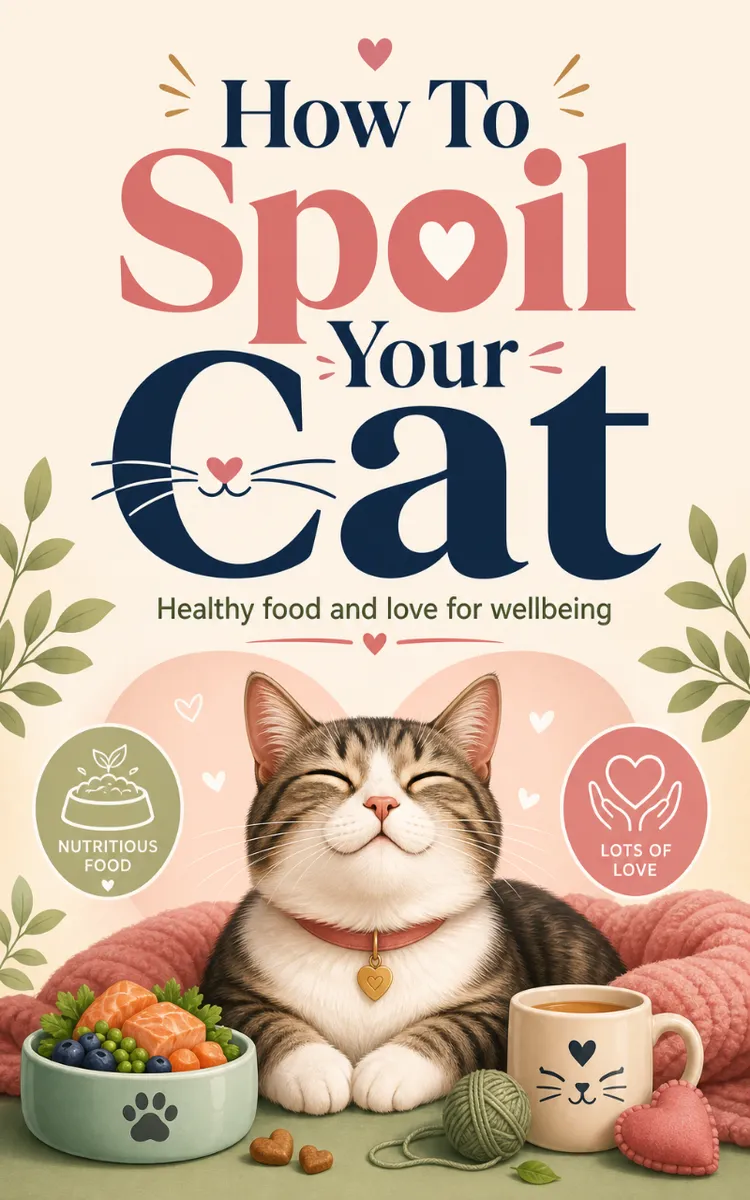
"How To Spoil Your Cat" is a how-to guide book by Saleha M with 8 chapters and approximately 13,344 words. Caring for a cat with healthy food and affection.
This book was created using Inkfluence AI, an AI-powered book generation platform that helps authors write, design, and publish complete books. It was made with the AI Ebook Generator.
Frequently Asked Questions
What is "How To Spoil Your Cat" about?
Caring for a cat with healthy food and affection
How many chapters are in "How To Spoil Your Cat"?
The book contains 8 chapters and approximately 13,344 words. Topics covered include Cat Spoiling Basics and Safety, Choosing a Healthy Cat Food Plan, Transitioning Foods Without Stomach Upsets, Portion Schedules by Age and Activity, and more.
Who wrote "How To Spoil Your Cat"?
This book was written by Saleha M and created using Inkfluence AI, an AI book generation platform that helps authors write, design, and publish books.
How can I create a similar how-to guide book?
You can create your own how-to guide book using Inkfluence AI. Describe your idea, choose your style, and the AI writes the full book for you. It's free to start.
Write your own how-to guide book with AI
Describe your idea and Inkfluence writes the whole thing. Free to start.
Start writingCreated with Inkfluence AI


