
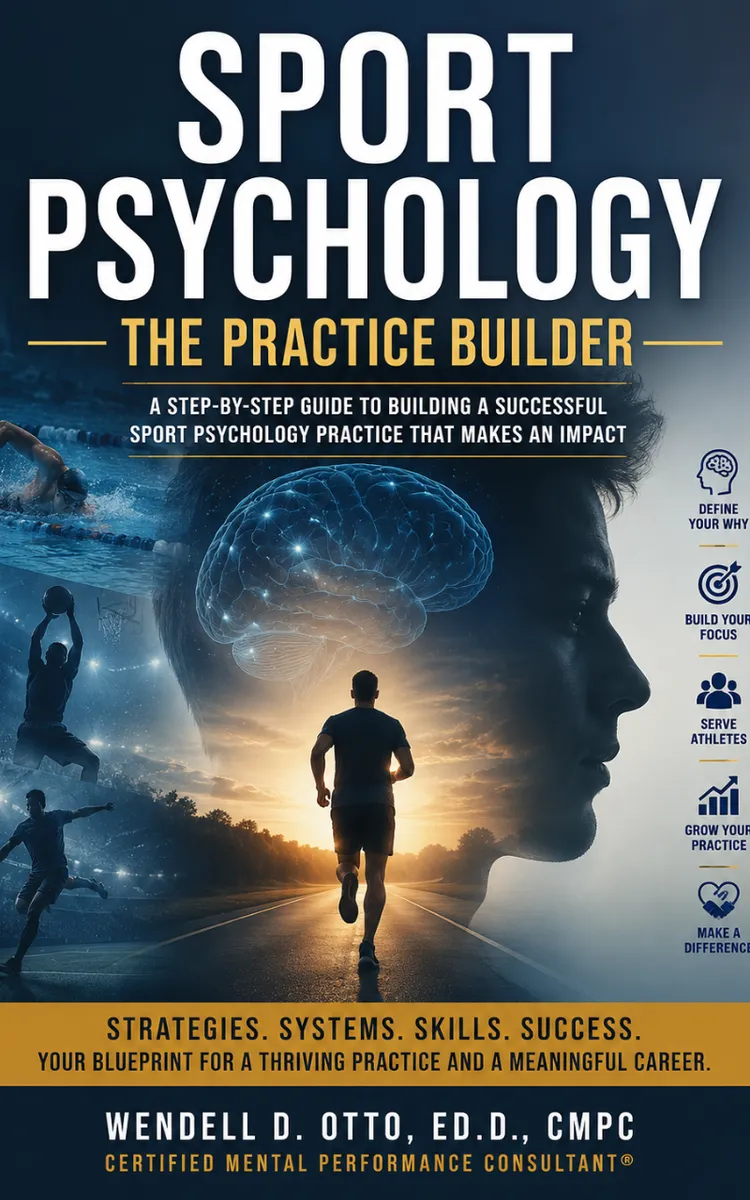
The Practice Builder
Created with Inkfluence AI
Table of Contents
- 1. Think Like a Business Owner
- 2. Discover Your Niche: You Can't Serve Everyone
- 3. Building a Foundation Before You Build a Business
- 4. Designing Your Business
- 5. Building Your Professional Identity
- 6. Building Your Referral Network
- 7. Becoming Visible: Marketing with Integrity
- 8. Pricing with Confidence: Creating Sustainable Value
- 9. The Client Experience: Creating a Practice People Talk About
- 10. The Discovery Conversation: Turning Curiosity Into Commitment
- 11. From First Contact to Lasting Impact
- 12. Becoming the Consultant Everyone Remembers
- 13. Workshops That Build Your Business
- 14. Building Authority: Becoming the Consultant Others Seek Out
- 15. Diversifying Your Practice: Building Multiple Revenue Streams Without Losing Your Mission
- 16. Thinking Like a CEO: Running Your Practice with Strategic Leadership
- 17. Building Your Legacy: Success Beyond the Bottom Line
- 18. The Practice Builder Sprint: Your First 90 Days
- 19. The Practice Builder Toolkit: These Systems Are Yours to Adapt
- 20. Practice Dashboard™
- 21. The CEO Dashboard™
- 22. The Practice Builder Pricing Calculator™
- 23. Individual Consulting Packages
- 24. Team Consulting Calculator
- 25. Workshop Pricing Structure
- 26. Referral Tracker
- 27. Annual Business Review
- 28. SECTION 9
Preview: Think Like a Business Owner
A short excerpt from “Think Like a Business Owner”. The full book contains 28 chapters and 50,404 words.
The Question That Changes Everything
Alex had just finished his first paid consultation.
An athlete's parent had asked about his fee for ongoing sessions.
In that moment, with no pricing strategy, no market research, and no sense of his own value, Alex panicked.
"Forty dollars an hour."
The parent smiled. "That's it?" She immediately booked eight sessions.
Driving home, Alex felt something uncomfortable.
He had just chosen a price the way you'd pick a number from thin air. Not based on market research. Not based on his expenses. Not based on what his time was actually worth.
Just based on what he thought someone might accept.
Later that week, he called Sarah, the experienced consultant who had become his mentor.
Sarah listened to the story and asked one simple question.
"Can you build the career you want charging forty dollars an hour?"
Alex did the math.
Even if he somehow filled forty hours every week (which no consultant actually does after accounting for preparation, documentation, marketing, professional development, travel, and administrative work), he would make roughly $83,000 per year before taxes.
That was respectable income.
But it wasn't sustainable.
It wasn't scalable.
And most importantly, it wasn't a business.
It was a job.
Sarah continued. "You went to graduate school to learn how to help people. You learned theories. Research. Assessment. Intervention. Skills that took thousands of hours to develop."
She paused.
"But did anyone teach you how to run a business?"
Alex shook his head.
"That's the problem everyone faces," Sarah said. "And it's why so many talented consultants eventually walk away."
The Biggest Gap in Graduate Education
Most people enter the field of sport and performance psychology because they want to help others perform at their best.
They spend years learning.
Theories of motivation.
Confidence building.
Self-talk strategies.
Attentional focus.
Psychological skills training.
Counseling techniques.
Ethical practice.
Graduate programs do an excellent job preparing practitioners to work with clients.
What they rarely teach is how to build a business.
It is entirely possible to graduate with excellent consulting skills yet struggle to attract clients, determine appropriate fees, market services ethically, or create a sustainable practice.
Many talented consultants eventually leave the profession.
Not because they lack ability.
But because they never learned how to operate a business.
Successful practitioners recognize an important truth.
They are both helping professionals and business owners.
Those two identities are not in conflict.
In fact, they depend on one another.
Without clients, there is no consulting.
Without sound business practices, there is little opportunity to help the people who need your expertise.
Two Skill Sets, Equal Weight
Throughout this book you will learn that becoming an exceptional consultant requires developing two distinct skill sets:
Clinical and consulting competence. This is what you learned in graduate school. Assessment. Intervention. Building rapport. Teaching mental skills. Evaluating progress. Helping clients improve.
Business competence. This is what most graduate programs don't teach. Structuring your practice. Attracting clients. Setting fees. Creating systems. Managing finances. Building your reputation. Leading with integrity.
Both deserve equal attention.
You cannot ignore one in favor of the other.
The best clinician in the world without business skills is just a talented person with no clients.
The best business operator without clinical skills is just someone wasting people's time and money.
The Four Roles Every Successful Consultant Must Master
Think of your professional life as wearing four different hats.
Success requires developing competence in all four.
The Practitioner
This is the role most graduate programs prepare you for.
You conduct assessments.
Develop interventions.
Build rapport.
Teach mental skills.
Evaluate progress.
Help clients improve.
Without this role, nothing else matters.
But this role alone is not enough.
The Business Owner
This role manages the practice itself.
Budgets.
Scheduling.
Taxes.
Insurance.
Contracts.
Policies.
Technology.
Planning.
Many practitioners spend less than five percent of their time learning these skills.
Successful consultants invest in them continuously.
The Marketer
Marketing is simply educating people about problems you can solve.
Ethical marketing builds trust before asking anyone to become a client.
It answers questions.
Provides value.
Shares knowledge.
Builds relationships.
Your reputation becomes your greatest marketing tool.
This isn't manipulation or self-promotion.
It's service.
The Leader
Eventually people begin looking to you for guidance beyond consulting.
You mentor younger practitioners.
Speak at conferences.
Write articles or books.
...
About this book
"The Practice Builder" is a self-help book by Wendell Otto Ed.D CMPC with 28 chapters and approximately 50,404 words. It covers key insights and practical takeaways on the topic.
This book was created using Inkfluence AI, an AI-powered book generation platform that helps authors write, design, and publish complete books. It was made with the AI Self-Help Book Writer.
Frequently Asked Questions
What is "The Practice Builder" about?
"The Practice Builder" is a self-help book by Wendell Otto Ed.D CMPC covering key insights and practical takeaways on the topic.
How many chapters are in "The Practice Builder"?
The book contains 28 chapters and approximately 50,404 words. Topics covered include Think Like a Business Owner, Discover Your Niche: You Can't Serve Everyone, Building a Foundation Before You Build a Business, Designing Your Business, and more.
Who wrote "The Practice Builder"?
This book was written by Wendell Otto Ed.D CMPC and created using Inkfluence AI, an AI book generation platform that helps authors write, design, and publish books.
How can I create a similar self-help book?
You can create your own self-help book using Inkfluence AI. Describe your idea, choose your style, and the AI writes the full book for you. It's free to start.
Write your own self-help book with AI
Describe your idea and Inkfluence writes the whole thing. Free to start.
Start writingCreated with Inkfluence AI


