

Read the first chapter
The whole of chapter one, free. About 8 min. Turn the pages with the arrows, your keyboard, or a swipe.
Chapter 1
Nutrient-Dense Whole Foods Basics
Nutrient-Dense Plate Wins: Using the Nutrient Density Ladder to Build Every Meal
A serving of spinach can pack more nutrients per calorie than a doughnut - yet most people still eat meals that look “normal” but don’t do much work for their body. Here’s the practical takeaway: if you build meals around minimally processed, nutrient-dense foods, you can crowd more vitamins, minerals, fiber, and helpful plant compounds onto your plate without needing complicated supplements. The goal isn’t perfection. It’s a steady shift toward foods that actually support how your body runs day to day.
This chapter teaches you a simple framework called the Nutrient Density Ladder - a way to choose foods that give you more nutritional “bang” for your effort. You’ll learn how to use evidence-aware plate guidance to assemble meals that feel satisfying, digest well, and make it easier to stay consistent. If you’ve ever bought “healthy” items that didn’t stick, or you’ve felt overwhelmed by nutrition rules, this will give you a clean, repeatable system.
Who this is for: busy people who want real food strategies they can use at dinner (and not just during a fresh-start week), plus practitioners who coach others and want a plate method that’s easy to explain. Key benefits you can expect from applying this approach consistently include steadier energy, improved fullness from fiber, better digestion support, and fewer “I ate something healthy but still feel off” moments.
Sarah, 34, a busy pediatric nurse, is our anchor case study here. Her day is a blur - long shifts, quick breaks, and a grocery list that has to work with real life. She doesn’t need a nutrition degree. She needs a plate rule she can follow even when she’s tired.
How Nutrient-Dense Whole Foods Affect Your Body (and Why the Ladder Works)
When you choose minimally processed whole foods, you’re usually increasing the concentration of beneficial nutrients and reducing the “extra stuff” that doesn’t help - like added sugars, refined starches, and excessive salt. That matters because your body doesn’t just run on calories; it runs on raw materials. Fiber supports digestion and helps you feel full. Protein supports tissue repair and keeps hunger more manageable. Micronutrients - like magnesium, potassium, iron, zinc, and folate - are used in everyday processes such as energy production, immune function, and blood formation.
There’s also a practical mechanism people feel quickly: nutrient-dense meals often come with more volume and more chew. That changes eating pace and makes “accidental overeating” less likely. Sarah noticed this on days when she could grab leftovers - she’d eat a bowl that was mostly vegetables and legumes, and she wouldn’t be reaching for snacks an hour later.
Think of nutrient density as a scorecard for “how much your body gets” relative to “how much processing and added components are involved.” The Nutrient Density Ladder helps you build meals by prioritizing foods that sit higher on that scorecard, then filling gaps with foods that still work but are lower.
Key contributors that shape nutrient density in real meals:
• Minimally processed ingredients: whole vegetables, legumes, intact grains, fruit, nuts, seeds, and minimally processed proteins.
• Fiber content: supports gut health and helps with fullness.
• Protein quality and balance: steadies hunger and supports repair.
• Micronutrient density: minerals and vitamins that your body uses daily.
• Added sugars and refined starches: usually push meals down the ladder.
Ask yourself: when was the last time your plate had a “real” vegetable serving plus a solid protein source - without relying on packaged snacks to fill the gaps? That answer is often the first clue.
Practical takeaway: nutrient-dense whole foods help you feel satisfied and supported because they deliver more of what your body uses - especially fiber and micronutrients - while reducing the “extras” that don’t help.
The Nutrient Density Ladder Plate: A Repeatable Meal-Building Protocol
The Nutrient Density Ladder is simple on purpose. You’re not trying to calculate nutrients - you’re using a plate method that nudges you toward the highest-value foods first. For Talia, it became a “minimum viable dinner” rule: if she could hit the ladder basics, the rest of the day usually felt more manageable.
Step 1: Build your plate with the ladder order
Use this plate guidance at most meals:
• Half the plate: non-starchy vegetables (or a big salad base).
• One-quarter of the plate: protein (beans/lentils, eggs, fish, poultry, tofu/tempeh, or yogurt if you tolerate it).
• One-quarter of the plate: smart carbs (intact grains like brown rice or quinoa, starchy vegetables like sweet potato, or fruit).
• Add a thumb-sized portion of fats if needed for taste and satiety (olive oil, avocado, nuts, or seeds).
Now, the ladder part is how you choose within each category. When you’re tired or rushed, prioritize the top rung choices first, then move down only if you have to.
Step 2: Pick ladder foods by “rung,” not by perfection
Here’s a clear rung progression you can follow:
Top rungs (most meals):
• Vegetables: leafy greens, broccoli, peppers, carrots, cabbage, mushrooms, tomatoes
• Proteins: lentils/beans, eggs, plain Greek yogurt (if you like dairy), tofu/tempeh, fish, chicken
• Carbs: quinoa, brown rice, oats, barley, sweet potato, squash
• Fats/finishing: olive oil, avocado, chia/flax, walnuts/almonds
Middle rungs (when life is busy):
• Frozen vegetables (no sugar sauces), canned beans (rinsed), whole-grain tortillas, pre-cut produce (if it helps you actually eat it)
• Simple sauces you control: salsa, lemon/garlic, herb-based dressings
Lower rungs (use as occasional bridges):
• Ultra-processed “healthy” snacks and sweetened yogurts
• White bread/pasta as the default
• Sugary drinks or desserts that crowd out real food
You don’t have to eliminate lower rungs forever. The ladder is about frequency and replacement - especially at meals where you’re most likely to feel hungry again soon.
Step 3: Follow a weekly progression so it sticks
Start where you are. Then build upward. Use this progression for 2 weeks:
• Days 1-3: Choose one meal,Aim for: half the plate vegetables + a protein you can repeat (beans, eggs, tofu, chicken).
• Days 4-7: Add the carb quarter at that same meal (starchy vegetable or intact grain) so the meal feels complete.
• Week 2: two meals on most days. Keep it realistic: if you only manage lunch and dinner, that’s enough.
• End of week 2: For most people, a strong milestone is: vegetables at least twice daily (fresh or frozen counts) and protein at both meals you’re laddering.
Sarah's milestone looked like this: she picked dinner first. Even on chaotic shift days, she could still do “half plate veggies + protein.” Once that was routine, she added the carb quarter so she wasn’t starving before bed.
Warning signs: when to pause and get professional guidance
If you’re dealing with digestion issues, blood sugar concerns, food allergies, or you’re pregnant, it’s smart to personalize. Seek professional help promptly (a registered dietitian or your licensed clinician) if you notice:
• Persistent unintentional weight loss
• Ongoing vomiting, severe abdominal pain, or blood in stool
• Trouble swallowing or symptoms that worsen quickly after eating
• Signs of severe dehydration (dizziness, very dark urine) alongside GI distress
Practical takeaway: use the plate shape (half veg, quarter protein, quarter smart carbs) and choose ladder foods by rung - then progress meal-by-meal, not all at once.
Quick comparison: what “ladder meals” look like
Meal type
Ladder build
Common swap that helps
Weeknight dinner
Half plate roasted/fresh vegetables + lentils or tofu + quinoa or sweet potato
Replace white rice-only or pasta-only with a half-veg bowl
Lunch at work
Salad base or veg bowl + protein (beans, eggs, chicken) + fruit or intact grain side
Add a “carb quarter” so you don’t snack hourly
Snack that supports meals
Greek yogurt + berries + nuts OR hummus + carrots
Choose snacks that don’t erase your protein/veg plan
Common Plate-Building Mistakes (and How to Fix Them Fast)
You can do everything “right” and still miss the ladder if the habits are off. Here are the most common errors I see - and what to do instead.
Mistake 1: Treating “healthy” as a label, not a plate
Why it happens: People grab what sounds nutritious - granola bars, packaged “protein” snacks, or salads without enough protein - then wonder why they’re hungry again soon. The food might be better than average, but the plate still isn’t delivering the balance your body needs.
What to do instead: Use the plate shape first. For your next meal
• Half the plate vegetables
• Protein present at every ladder meal
Then choose carbs that feel good (starchy vegetables or intact grains) so the meal actually carries you.
Quick check: if your meal has veggies but no protein, your ladder is incomplete.
Mistake 2: Skipping the carb quarter and feeling “off” later
Why it happens: Some people remove carbs to “be clean,” then end up under-fueled. You may feel shaky, irritable, or snacky by afternoon. It’s not a moral issue - it’s just a mismatch between energy needs and meal structure.
What to do instead: Add the carb quarter back - choose one:
• Sweet potato or squash
• Oats, quinoa, brown rice, barley
• Fruit (especially with protein-containing meals)
Try this for 3 days: keep your vegetables and protein, then add the carb quarter. Notice whether hunger timing improves.
Mistake 3: Relying on convenience foods when you’re tired (and never planning a bridge)
Why it happens: The ladder is easy when you’re rested. But when you’re slammed - like Talia on a long shift - you need a shortcut that still lands on higher rungs. Without a plan, “whatever is available” usually wins.
What to do instead: Build a bridge list you can repeat. Choose at least two options for each category:
• Vegetables: frozen steam-in-bag veggies + pre-washed salad mix
• Protein: canned/rinsed beans + eggs or tofu
• Carbs: instant oats + quinoa or brown rice (even microwave-ready)
Then your only job is assembly. The ladder survives real life because the choices are pre-decided.
Practical takeaway: the ladder isn’t about banning foods - it’s about consistently hitting the plate structure and choosing higher rungs when your willpower is low.
Nutrient-dense whole foods work best when they’re not treated like a project you start on Monday. They work when they become your default plate pattern - especially on the days you don’t have time to think. As you practice the Nutrient Density Ladder, you’ll start to notice a quiet shift: meals feel more satisfying, cravings get easier to manage, and eating decisions require less debate. That sets you up for the next step in holistic health - turning good food choices into repeatable routines that support the rest of your wellbeing.
End of chapter one. 7 more chapters in the full book.
Swipe or use the arrows to turn the page


What's inside: 8 chapters
- 1. Nutrient-Dense Whole Foods Basics
- 2. Anti-Inflammatory Nutrition Protocol
- 3. Gut Microbiome-Friendly Eating
- 4. Sleep Hygiene and Recovery Plan
- 5. Stress Regulation With Breathwork
- 6. Strength Training for Metabolic Health
- 7. Cardio Dose for Heart and Weight
- 8. Personalized Health Metrics and Feedback
About this book
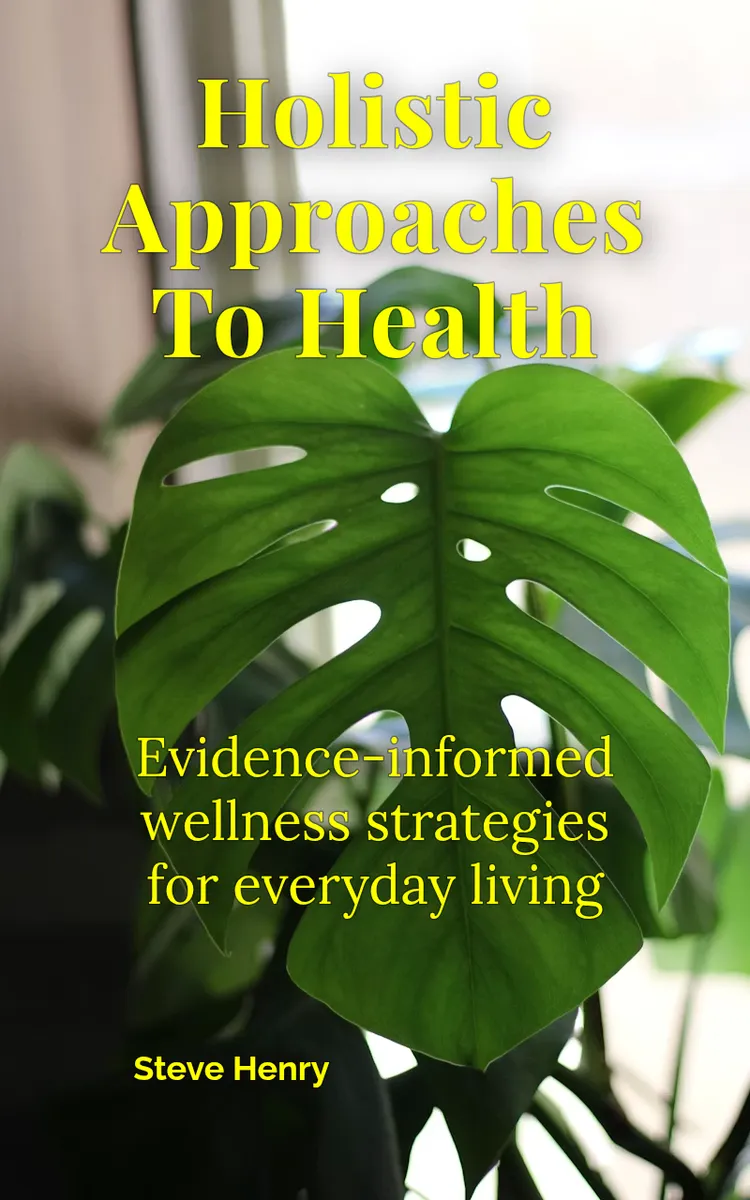
"Holistic Approaches To Health" is a health & wellness book by Steve Henry with 8 chapters and approximately 15,140 words. Holistic health methods integrating lifestyle, nutrition, and wellbeing.
This book was created using Inkfluence AI, an AI-powered book generation platform that helps authors write, design, and publish complete books. It was made with the AI Health Book Generator.
Frequently Asked Questions
What is "Holistic Approaches To Health" about?
Holistic health methods integrating lifestyle, nutrition, and wellbeing
How many chapters are in "Holistic Approaches To Health"?
The book contains 8 chapters and approximately 15,140 words. Topics covered include Nutrient-Dense Whole Foods Basics, Anti-Inflammatory Nutrition Protocol, Gut Microbiome-Friendly Eating, Sleep Hygiene and Recovery Plan, and more.
Who wrote "Holistic Approaches To Health"?
This book was written by Steve Henry and created using Inkfluence AI, an AI book generation platform that helps authors write, design, and publish books.
How can I create a similar health & wellness book?
You can create your own health & wellness book using Inkfluence AI. Describe your idea, choose your style, and the AI writes the full book for you. It's free to start.
Write your own health & wellness book with AI
Describe your idea and Inkfluence writes the whole thing. Free to start.
Start writingCreated with Inkfluence AI


