
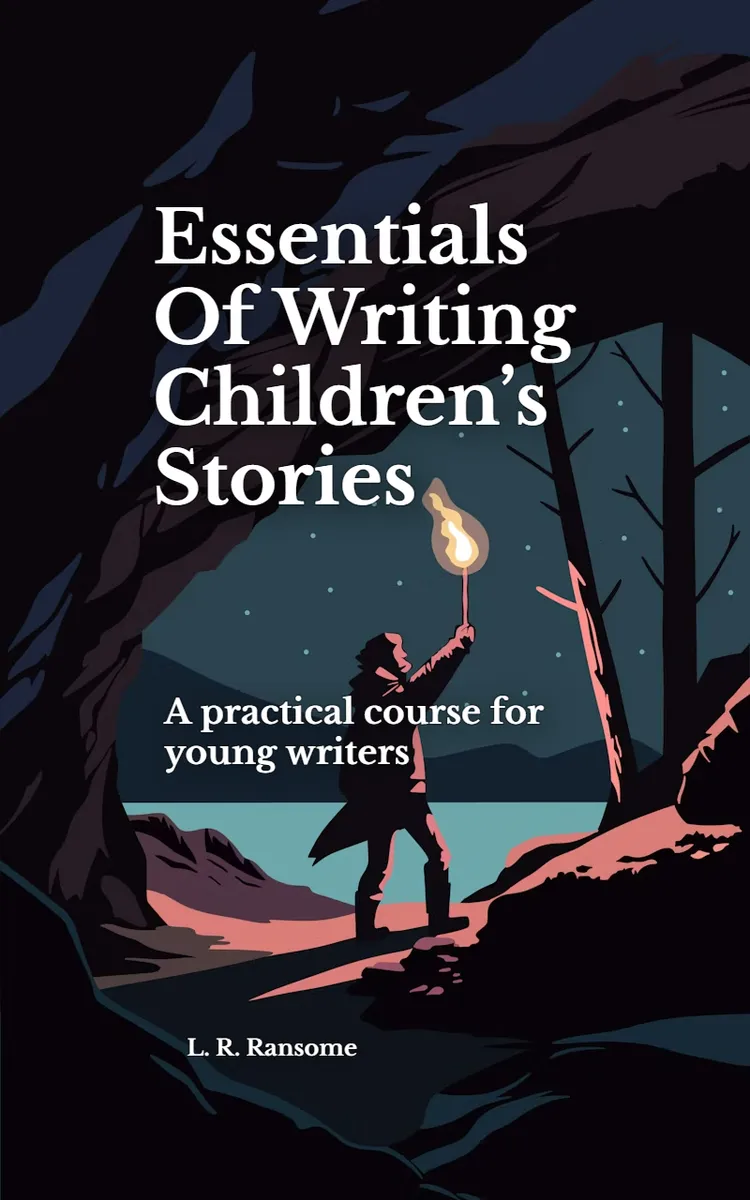
Essentials Of Writing Children’s Stories
Created with Inkfluence AI
Guidance and techniques for writing compelling children’s stories
Table of Contents
- 1. Know Your Child Reader
- 2. Find a Strong Story Spark
- 3. Build Characters Kids Root For
- 4. Outline with a 5-Beat Arc
- 5. Revise for Voice, Clarity, Wonder
Preview: Know Your Child Reader
A short excerpt from “Know Your Child Reader”. The full book contains 5 chapters and 9,118 words.
Why This MattersHave you ever watched a child stop listening halfway through a story, even when the plot sounded great on paper? That pause usually has a clear cause: the story fit the wrong age range, was read at the wrong reading level, or pushed the wrong emotion at the wrong time. When those pieces don’t match, kids don’t “fail.” They just move on to something that feels easier to understand and safer to feel.
Choosing the right reader sounds simple, but writers often guess. They write what they like, then hope it lands. A journalistic mindset flips that hope into evidence: you observe what kids can handle, what they ask for, and what makes them lean in. In this chapter, you’ll learn a practical way to pick age range, reading level, emotional needs, and interests so your story moves with clarity and care instead of pushing blindly.
After you finish this chapter, you’ll be able to do four concrete tasks: (1) pick an age range that matches how kids think and talk, (2) set a reading level you can actually test, (3) plan emotional beats that feel right for that age, and (4) choose interests that show up naturally in the story instead of being pasted on. You’ll also learn to spot when you’ve aimed too high, too low, or at the wrong feeling.
Practical takeaway: When you write for kids, you don’t “hope they get it.” You match the story to what they can read, feel, and care about right now.
How It WorksTo make your choices fast and accurate, use the Reader Lens Map. Think of it as a set of four lenses you adjust before you write a single page. You aim your story through all four lenses at once, so the story stays clear even when the language gets playful.
Here’s how the Reader Lens Map works. Fill it in with real, testable details, not vague guesses.
Pick the age range you can describe in plain words.
Choose a span (for example, 4-6, 7-9, 10-12) and write one sentence about what kids in that range do well. Ask yourself: Do they follow step-by-step actions? Do they understand “almost” and “because”? Do they enjoy wordplay or prefer clear outcomes?
Set a reading level you can check using your own sentences.
You don’t need fancy tools to start. Count short sentences, long sentences, and repeated words. Then read your draft aloud once. If you stumble, many kids will stumble too. If you breeze through with no pauses, you may have written too simply for your target.
Choose the emotional need for that age range.
Emotional need means the feeling kids most want to get from stories at that age-comfort, courage, fairness, belonging, control, or repair. For example: younger readers often need safety and clear “what happens next.” Older readers often handle bigger feelings like embarrassment or unfairness, as long as the story helps them cope.
Select interests that show up in actions, not just decorations.
Interests are the topics kids recognize and care about-animals, sports, space, building, mysteries, school life, games. The trick: choose interests that drive the plot moves. If you mention dinosaurs but the character never solves anything with dinosaur knowledge, the interest won’t carry weight.
Now let’s make this real with Talia, 19, an aspiring writer and babysitter. When Talia picks books for the kids she babysits, she doesn’t start with “best sellers.” She starts with what she sees during play and after bedtime questions. If a child keeps asking “Why?” and loves counting games, she leans toward a story with clear cause-and-effect and repeated patterns. If another child gets restless when sentences run long, she shortens her story lines and adds more direct action.
Use the same habits in your writing. Observe what kids do. Then translate that into choices you can see on the page.
Quick comprehension check: Ask yourself, “If I read my first page aloud, will the child know what the story is doing within the first minute?” If not, your reader's lenses need adjusting.
Practical takeaway: Use the Reader Lens Map to turn “kids like it” into specific choices you can explain and test.
Putting It Into PracticeLet’s walk through a realistic setup using Talia’s work style. She babysits two kids sometimes: one who often asks questions during board games, and another who gets quiet during long explanations. She wants to write a short story she can read to both, but she knows they won’t share the exact same needs. So she creates two Reader Lens Map targets instead of forcing one story for everyone.
Follow these steps on your own draft or on a fresh idea.
Write your story’s “listener job” in one line.
Example: “The listener follows a simple plan, then feels proud when the plan works.”
Expected outcome: you stop writing random scenes and start writing actions that match a feeling.
Choose an age range and lock it for this draft.
Talia picks one draft for ages 4-6 because she wants clear steps and gentle emotions....
About this book
"Essentials Of Writing Children’s Stories" is a how-to guide book by L. R. Ransome with 5 chapters and approximately 9,118 words. Guidance and techniques for writing compelling children’s stories.
This book was created using Inkfluence AI, an AI-powered book generation platform that helps authors write, design, and publish complete books. It was made with the AI Ebook Generator.
Frequently Asked Questions
What is "Essentials Of Writing Children’s Stories" about?
Guidance and techniques for writing compelling children’s stories
How many chapters are in "Essentials Of Writing Children’s Stories"?
The book contains 5 chapters and approximately 9,118 words. Topics covered include Know Your Child Reader, Find a Strong Story Spark, Build Characters Kids Root For, Outline with a 5-Beat Arc, and more.
Who wrote "Essentials Of Writing Children’s Stories"?
This book was written by L. R. Ransome and created using Inkfluence AI, an AI book generation platform that helps authors write, design, and publish books.
How can I create a similar how-to guide book?
You can create your own how-to guide book using Inkfluence AI. Describe your idea, choose your style, and the AI writes the full book for you. It's free to start.
Write your own how-to guide book with AI
Describe your idea and Inkfluence writes the whole thing. Free to start.
Start writingCreated with Inkfluence AI


