
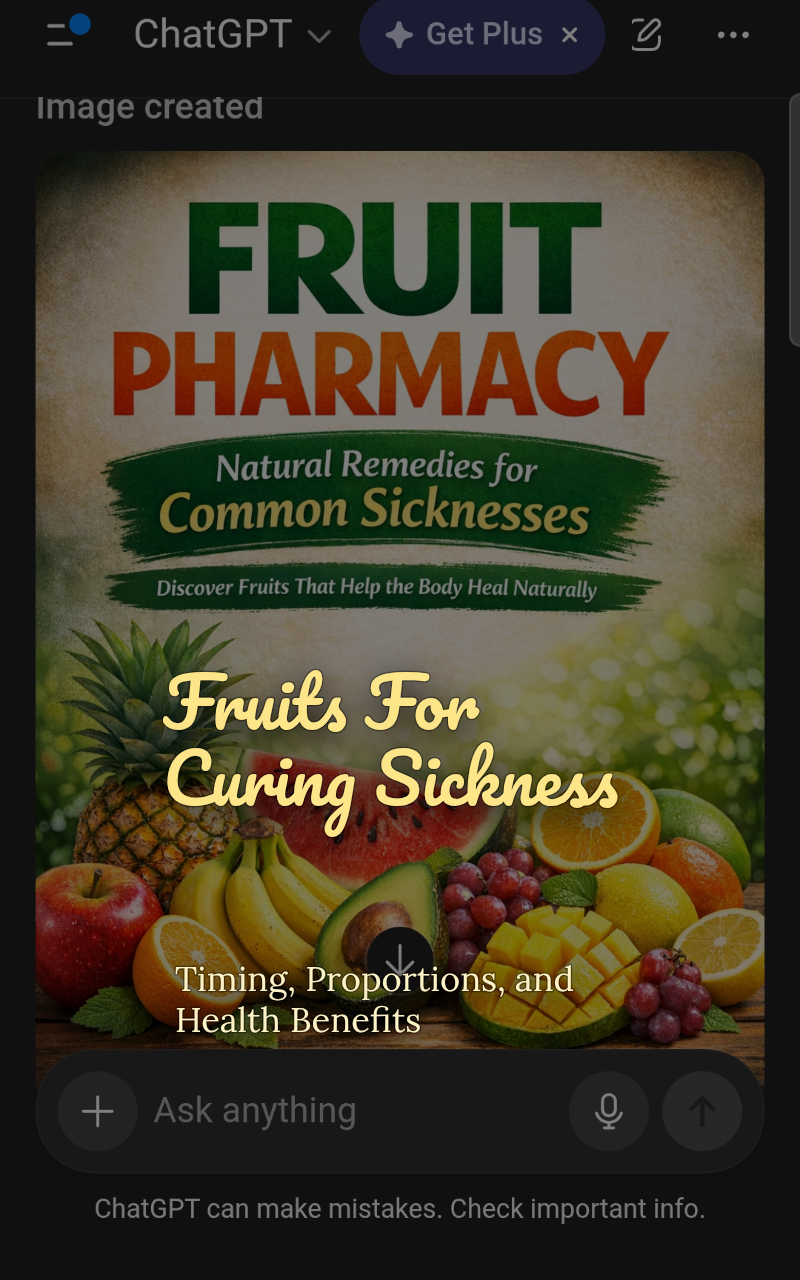
Read the first chapter
The whole of chapter one, free. About 4 min. Turn the pages with the arrows, your keyboard, or a swipe.
Chapter 1
Boosting Immunity with Vitamin-Rich Fruits
Overview
This chapter explores how vitamin-rich fruits can strengthen your immune system, when to eat them, and practical portion guidance you can start this week. You’ll learn which fruits provide the most targeted nutrients (especially vitamins C, A, and E, plus zinc-supporting compounds), simple daily schedules to maximize absorption, and clear signals to watch for as your body responds. Expect modest but measurable benefits—faster recovery from mild colds, fewer days of fatigue, and steadier energy—when you combine these fruit strategies with basic sleep, hydration, and hygiene habits.
Who this is for: health-conscious readers who want safe, food-based approaches to reduce infection risk and support recovery, and who prefer clear timing and portion rules they can follow alongside standard medical care.
Key benefits: - Targeted vitamin intake to support immune cell function (e.g., 100–200 mg vitamin C daily from food). - Simple timing rules to improve absorption and minimize stomach upset. - A weekly monitoring plan to note improvements or warning signs that need professional attention.
Health Foundations
The immune system needs specific nutrients to function well. Vitamin C supports white blood cell activity and collagen for barrier defenses; vitamin A supports mucosal surfaces in the eyes, nose, and gut; vitamin E acts as an antioxidant protecting immune cells; and certain fruit compounds help the body absorb zinc and iron, both important for immune responses.
Key risk factors that weaken immune resilience include: 1. Inadequate intake of vitamin-rich foods (e.g., consistently consuming less than one serving of fruit per day). 2. Poor sleep (under 7 hours/night), chronic stress, or dehydration that reduce nutrient utilization. 3. Frequent use of antibiotics or immune-suppressing medications without nutritional support.
A concrete example: one medium orange (about 130 g) provides roughly 70 mg vitamin C—enough to cover a substantial portion of a common daily target for supporting cold recovery when combined with other fruits and vegetables.
Practical Protocol
Follow this 7-day starter protocol, then reassess. It pairs frequency, timing, and progression so you know exactly what to do.
1. Baseline week (days 1–7) - Morning: 1 citrus serving (orange, kiwi, or half a grapefruit) within 30 minutes of waking. Aim for ~70–100 mg vitamin C from this serving. - Midday: 1 serving of beta-carotene fruit (mango or cantaloupe; about 100–150 g) with lunch to support mucosal health—this provides vitamin A precursors. - Afternoon snack: 1 handful of mixed berries (about 100 g) to supply antioxidants and polyphenols that complement vitamin E. - Total target: 2–3 fruit servings/day, providing roughly 100–200 mg vitamin C equivalents plus vitamin A and antioxidants.
2. Progression (week 2 onward) - If you tolerate the baseline and want added support during high-risk weeks (e.g., travel or outbreak), increase to 4 fruit servings/day with an extra berry or kiwi in the afternoon. Do this for no more than 7 consecutive days without consulting a clinician if you have chronic conditions like diabetes. - For short-term support when recovering from a mild cold, add 250–300 ml unsweetened orange or kiwi smoothie twice daily for up to 5 days to provide concentrated vitamin C and fluid for symptom relief.
Timing notes: - Take citrus and kiwi away from iron-rich meals if you’re on oral iron therapy; instead, consume 30–60 minutes after. Vitamin C increases iron absorption, which may be helpful or undesirable depending on your situation. - Avoid very large fruit meals right before bed if you have reflux—choose berries or a small apple instead.
Warning signs to seek professional help: - Fever above 38.5°C (101.3°F) lasting more than 48 hours. - Rapidly worsening symptoms, shortness of breath, or inability to eat/drink. - New rash, fainting, or severe dehydration. If any of these occur, stop relying on fruit remedies alone and contact your primary care provider or emergency services.
Comparison that clarifies portions: - Medium orange = ~70 mg vitamin C - 100 g strawberries = ~60 mg vitamin C - 100 g kiwi = ~90 mg vitamin C Use these measurements to meet the target 100–200 mg/day range from whole fruit.
Common Mistakes
Overreliance on one fruit - Why it happens: It’s easy to pick a favorite (e.g., only oranges) and assume one fruit covers all needs. - What to do instead: Rotate citrus, berries, and beta-carotene fruits across the week to cover vitamin C, antioxidants, and vitamin A precursors. Example: Monday—orange; Wednesday—kiwi; Friday—mango.
Skipping timing considerations - Why it happens: People assume nutrient dose is all that matters, not when it’s consumed. - What to do instead: Follow the morning-citrus rule and avoid large fruit meals immediately before bedtime or with iron pills. Track one week to see if energy or reflux improves.
Exceeding safe progression - Why it happens: More feels better—adding continuous heavy fruit smoothies beyond recommended days. - What to do instead: Limit intensified fruit protocols to the short bursts described (up to 7 days for prevention during high-risk periods; up to 5 days when recovering from a mild infection). If you have diabetes or kidney disease, consult your clinician before increasing fruit servings.
This week, monitor: daily energy level (scale 1–5), sleep quality, frequency of mild symptoms (sore throat, nasal congestion), and any digestive changes. These simple signals will tell you whether to continue, adjust, or seek professional care.
End of chapter one. 4 more chapters in the full book.
Swipe or use the arrows to turn the page
What's inside: 5 chapters
- 1. Boosting Immunity with Vitamin-Rich Fruits
- 2. Fruits That Reduce Inflammation Naturally
- 3. Managing Digestive Disorders Using Fruits
- 4. Fruits Supporting Heart Health and Circulation
- 5. Natural Fruit Remedies for Respiratory Conditions
About this book
"Fruits For Curing Sickness" is a health & wellness book by Anonymous with 5 chapters and approximately 4,248 words. Using fruits to cure sickness with timing and proportions.
This book was created using Inkfluence AI, an AI-powered book generation platform that helps authors write, design, and publish complete books. It was made with the AI Health Book Generator.
Frequently Asked Questions
What is "Fruits For Curing Sickness" about?
Using fruits to cure sickness with timing and proportions
How many chapters are in "Fruits For Curing Sickness"?
The book contains 5 chapters and approximately 4,248 words. Topics covered include Boosting Immunity with Vitamin-Rich Fruits, Fruits That Reduce Inflammation Naturally, Managing Digestive Disorders Using Fruits, Fruits Supporting Heart Health and Circulation, and more.
Who wrote "Fruits For Curing Sickness"?
This book was written by Anonymous and created using Inkfluence AI, an AI book generation platform that helps authors write, design, and publish books.
How can I create a similar health & wellness book?
You can create your own health & wellness book using Inkfluence AI. Describe your idea, choose your style, and the AI writes the full book for you. It's free to start.
Write your own health & wellness book with AI
Describe your idea and Inkfluence writes the whole thing. Free to start.
Start writingCreated with Inkfluence AI


