
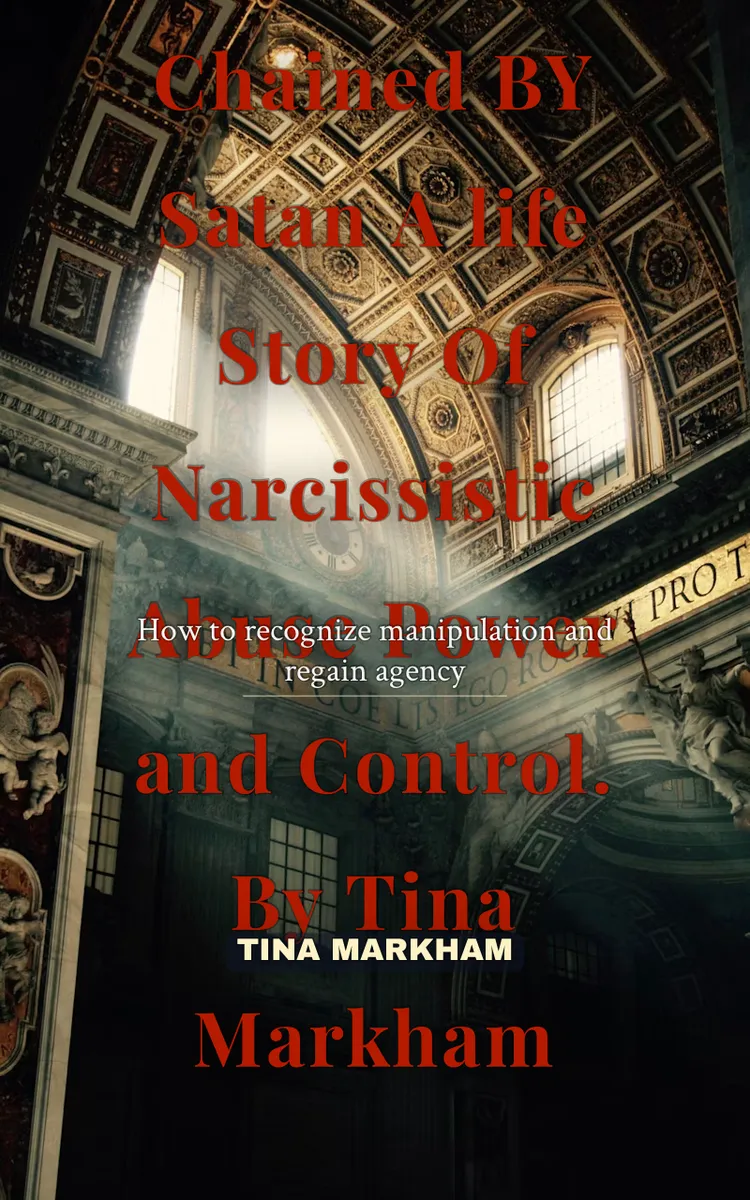
Narcissistic Abuse Power And Control
Created with Inkfluence AI
Understanding narcissistic abuse tactics of power and control
Table of Contents
- 1. Recognizing Control Tactics Early
- 2. Unhooking From Gaslighting Narratives
- 3. Building Boundaries Without Guilt
- 4. Reclaiming Your Voice in Conversations
- 5. Building a Resilient Life After Control
Preview: Recognizing Control Tactics Early
A short excerpt from “Recognizing Control Tactics Early”. The full book contains 5 chapters and 7,668 words.
The Moment Your Choices Start Feeling “Wrong” (Control Patterns at Work)
Talia, 34, a customer success manager, didn’t notice the shift at first. It was small - almost polite. After a meeting, her manager would “circle back” with a quick suggestion that sounded helpful. Maybe you should phrase it like this, he’d say, or You should really soften that ask. Talia would tweak her email, adjust the tone, and move on.
Then the same manager started reacting to things he hadn’t complained about before. If Talia sent what she’d planned - confident, clear, direct - he’d go quiet for hours. If she adjusted again, he’d praise her… and still find a way to imply she’d been “difficult.” She began to feel it in her stomach: not just stress, but a weird sense that her own judgment was suddenly “off,” like she needed his permission to think.
One afternoon, she caught herself rewriting a simple follow-up message for the third time, even though the customer’s question hadn’t changed at all. Her fingers hovered over the keyboard and she wondered, How did I end up here? How do you spot manipulation patterns early - before they shrink your self-trust and quietly rewrite your decisions?
Before vs After: Spotting Control Patterns Before They Rewrite Your Self-Trust
Old Belief: “If I’m not sure what to do, it’s probably just me overthinking. I should be grateful for the feedback.”
New Reality: “If my confidence keeps shrinking and the rules keep changing, I’m not dealing with feedback - I’m dealing with a control pattern.”
That shift matters because manipulation doesn’t usually announce itself with a villain speech. It shows up as “guidance,” “standards,” “concern,” or “just trying to help.” And the more you cooperate, the more the pattern learns your weak spots - your desire to be fair, your need to avoid conflict, your instinct to smooth things over.
Here’s what that looks like in Talia’s world. Her manager didn’t start by telling her what to believe. He started by shaping what she sent. First, he corrected her wording. Then he corrected her priorities. Then he corrected her memory - subtly, like: I thought we agreed… even when she hadn’t agreed to anything. By the time she realized the pattern, she’d built a habit of checking his reactions before she acted.
The “before” belief keeps you trapped in self-doubt. The “after” reality pulls you back to cause and effect. Instead of asking, What’s wrong with me? you ask, What pattern is being repeated here? That question is grounding. It gives you something solid to hold onto when your inner compass starts wobbling.
And once you can name what’s happening, you stop treating your discomfort like proof that you’re failing. You start treating it like data.
The Control Pattern Radar: What You’re Really Seeing (and Why It Works)
Manipulation patterns thrive on one thing: you trying to make sense of them using logic and fairness. A control-seeking person doesn’t play by stable rules. They create tiny inconsistencies, then watch what you do with them. Do you chase clarity? Apologize preemptively? Over-explain? Adjust your personality? Those responses become the levers they pull.
So we’re going to use a tool that helps you catch the pattern while it’s still small. Think of it like a radar screen, but for behavior. Your job isn’t to diagnose motives. Your job is to notice repetition: repeated reactions, repeated rule changes, repeated pressure that lands on your choices and your confidence.
Here are signs this pattern is running your life - especially in the early phase, when it still feels “reasonable”:
1. You’re repeatedly second-guessing your own communication.
You planned what to say, then you revise it because you’re anticipating someone else’s reaction. It’s not just editing - it’s self-censorship.
2. The “feedback” targets your self-trust, not the outcome.
It may sound like coaching, but the real message is: I don’t fully trust your judgment. If you become more careful but the standard keeps moving, that’s a huge tell.
3. Rules change depending on whether they’re getting what they want.
In one mood, your directness is “efficient.” In another mood, it’s “tone.” The issue isn’t consistency - it’s control. And control needs flexibility.
4. You feel responsible for restoring emotional balance you didn’t create.
You try to prevent their withdrawal, irritation, or “coldness.” You start managing the other person’s inner weather instead of focusing on your actual responsibilities.
One-sentence summary: If your choices keep shrinking and the rules keep shifting, your “doubt” is probably the signal - not the problem.
...
About this book
"Narcissistic Abuse Power And Control" is a self-help book by Tina Markham with 5 chapters and approximately 7,668 words. Understanding narcissistic abuse tactics of power and control.
This book was created using Inkfluence AI, an AI-powered book generation platform that helps authors write, design, and publish complete books. It was made with the AI Self-Help Book Writer.
Frequently Asked Questions
What is "Narcissistic Abuse Power And Control" about?
Understanding narcissistic abuse tactics of power and control
How many chapters are in "Narcissistic Abuse Power And Control"?
The book contains 5 chapters and approximately 7,668 words. Topics covered include Recognizing Control Tactics Early, Unhooking From Gaslighting Narratives, Building Boundaries Without Guilt, Reclaiming Your Voice in Conversations, and more.
Who wrote "Narcissistic Abuse Power And Control"?
This book was written by Tina Markham and created using Inkfluence AI, an AI book generation platform that helps authors write, design, and publish books.
How can I create a similar self-help book?
You can create your own self-help book using Inkfluence AI. Describe your idea, choose your style, and the AI writes the full book for you. It's free to start.
Write your own self-help book with AI
Describe your idea and Inkfluence writes the whole thing. Free to start.
Start writingCreated with Inkfluence AI


