

Read the first chapter
The whole of chapter one, free. About 9 min. Turn the pages with the arrows, your keyboard, or a swipe.
Chapter 1
Lemon Herb Roast Chicken
At a Glance
Prep: 20 min | Cook: 75 min | Total: 95 min | Serves: 4 | Difficulty: Easy.
Introduction
This Lemon Herb Roast Chicken is built to do two jobs at once: support digestion while you cook, and keep the kitchen calm and steady with gentle herbal notes. Lemon balm brings a soft, lemony herbal feel; thyme and rosemary add savory depth that doesn’t overpower. The result is a roast chicken with crisp, golden skin, juicy meat, and a pan sauce brightened with lemon.
What makes this roast different is how the herbs are used. The chicken gets a dry-herb rub and a quick herb infusion in the roasting pan-so you’re not just seasoning, you’re cooking with plant oils and aromatic compounds that many people find easier on their stomach than heavier, sugar-forward glazes. Ask yourself as you prep: do I want “bright and balanced” or “heavy and sweet”? This one stays in the bright-and-balanced lane.
You’ll also get a safety-conscious, oil-friendly method: a controlled oven temperature, a clear internal doneness cue, and an herb plan that avoids burning. If you can handle a sheet pan and a meat thermometer, you can nail this roast.
Ingredients
• Protein
• 1 whole chicken (3 to 4 lb / 1.4 to 1.8 kg)
• Produce
• 1 lemon (zest + juice), plus extra wedges for serving
• 1 small bunch fresh thyme (about 1/2 cup leaves, chopped)
• 1 small bunch fresh rosemary (about 1/2 cup needles, chopped)
• 2 tbsp fresh lemon balm leaves, chopped
• 1 small onion, quartered
• 2 carrots, cut into chunks
• Pan + moisture
• 2 tbsp olive oil
• 1 cup chicken stock (or water)
• 2 tbsp chopped parsley (optional, for finishing)
• Pan spices + seasoning
• 1 1/2 tsp fine sea salt (plus more to taste)
• 1/2 tsp black pepper
• 1 tsp dried thyme (if you don’t have enough fresh)
• 1/2 tsp garlic powder (optional add-on)
• Optional add-ons (choose up to 4)
• 1 tsp honey (for a gentle browning push, not a glaze)
• 1 tbsp capers, rinsed (for tangy sauce)
• 1/2 tsp crushed fennel seed (digestion-friendly herbal note)
• 1 tbsp butter, stirred into the sauce at the end
Instructions
• Heat + set up (10 min): Preheat oven to 425°F / 220°C. Place a rack in a roasting pan (or use a bed of onion chunks if you don’t have a rack). Pat the chicken very dry with paper towels-dry skin = better crisping.
• Mix the herb rub (5 min): In a small bowl, combine salt, black pepper, chopped thyme, chopped rosemary, lemon balm, and lemon zest. If using garlic powder, mix it in here too.
• Season and prep the cavity (10 min): Loosen the skin gently over the breast (don’t tear it). Rub a portion of the herb mix under the skin and the rest over the outside. Stuff the cavity with onion quarters and lemon wedges.
• Roast to build color (35-45 min): Drizzle olive oil over the skin and place the chicken breast-side up. Add carrots + 1 cup stock to the pan. Roast until the skin is well browned on top and the juices run lightly when you tilt the pan, about 35-45 minutes.
• Note: If your herbs darken too fast (you’ll see edges turning very black), loosely tent the chicken with foil for the rest of the roast. Burnt rosemary can taste harsh even when the meat is perfect.
• Finish to safe doneness (20-25 min): Lower oven to 375°F / 190°C. Continue roasting until the thickest part of the thigh hits 165°F / 74°C on a meat thermometer, and the breast is around 160-165°F / 71-74°C (it will rise slightly as it rests).
• Rest + reduce pan juices (10 min): Transfer chicken to a cutting board and rest 10 minutes. Pour pan drippings into a small saucepan (or leave in the pan if it’s easy). Simmer 3-6 minutes to concentrate. Stir in fresh lemon juice at the end.
• Pro Tip: For a smoother pan sauce, whisk in 1 tbsp butter off the heat (optional). It rounds out the lemon and makes the sauce cling to the chicken better.
• Serve (5 min): Carve and spoon sauce over slices. Finish with extra lemon wedges and chopped parsley if using.
Ask yourself at the end of step 6: did you rely on time alone, or did you check temperature? Temperature is your safety anchor.
Chef Notes & Variations
Storage: Cool the chicken within 2 hours of cooking. Store covered in the fridge up to 3-4 days. For best flavor, keep meat with a little sauce in a container so it doesn’t dry out. Reheat gently at 325°F / 165°C until warmed through; don’t blast it or the skin will go chewy.
Plating for digestion-friendly comfort: keep the plate simple-chicken plus a warm grain (like rice or barley) and a lightly dressed green. The point is to let the lemon-herb notes come through without adding heavy sweetness. If you’re sensitive to strong herbal flavors, use extra lemon juice at serving instead of piling more fresh herbs on top.
Practical variation: swap the herb load to match what you have. Swap It: If you only have dried herbs, use 1 tsp dried thyme + 1/2 tsp dried rosemary (and reduce salt slightly if the dried mix is already salted). Add the dried herbs to the rub, but keep the lemon balm fresh if possible-lemon balm tends to taste brighter when it’s fresh.
Oil use (how to stay safe): this roast uses olive oil for cooking. Separately, if you’re working with essential oils (highly concentrated plant oils), do not add them directly to the chicken or pan sauce. Essential oils are not the same as cooking oils. If you want to use lemon balm or rosemary “oil” aromatically in your routine, keep it external (like a diffuser) or in a properly diluted carrier oil for skin use-always follow the dilution guidance from your oil bottle. For this recipe, stick to food-safe oils and the fresh herb amounts above.
Takeaway for your next cook: crisp skin comes from dry chicken + hot start; calm flavor comes from using the herbs at the right intensity and not letting them scorch.
Quick Version
Rub chicken with salt, pepper, lemon zest, lemon balm, thyme, and rosemary; stuff with onion and lemon. Roast 425°F/220°C for 35-45 min, lower to 375°F/190°C and finish to 165°F/74°C thigh. Rest 10 min, reduce pan juices, brighten with lemon juice, and spoon over slices.
At a Glance
Prep: 15 min | Cook: 0 min (plus infusions/time to cure oils) | Total: 60-120 min (including steep/infuse) | Serves: Makes ~1 cup infused oil or several small remedies | Difficulty: Easy
Introduction
Herbal plants are multitaskers: they season food, clean the home, support simple body care, and become concentrated oils or remedies with straightforward methods. This page focuses on common kitchen herbs used in the Lemon Herb Roast Chicken - rosemary, thyme, lemon balm - and shows how those same plants pull double duty around the house and on the body. Expect clear, practical directions for uses, basic remedies, an infused oil method, and explicit do/don’t rules so you use herbs safely and effectively.
You’ll walk away with at least one herb-infused oil recipe, two quick remedies (a digestive tea and a soothing salve), care tips for keeping potted herbs productive, and a plain-language health disclaimer so you know when to stop and check with a clinician. Practical takeaway: many culinary herbs are gentle and useful, but concentration, application route, and allergies change risk - treat them like ingredients with potential effects.
Ingredients
• Fresh rosemary: 1 cup packed sprigs (about 20 g)
• Fresh thyme: 1 cup packed sprigs (about 15 g)
• Fresh lemon balm: 1 cup packed leaves (about 10 g)
• Neutral carrier oil (olive oil, grapeseed, or sunflower): 2 cups (480 ml)
• Beeswax (for salve): 1 oz (28 g)
• Optional: dried lavender flowers: 2 tbsp
• Optional: vitamin E oil (antioxidant): 1 tsp
Instructions
• Prepare herbs: Wash and thoroughly dry fresh herbs. Moisture traps bacteria in oil infusions; air-dry on a rack or use paper towels. Aim for visibly dry herbs before infusing - this can take 30-60 minutes depending on humidity.
• Aromatic oil (gentle, cold-infused): Partly crush dry-washed herbs to release oils. Place herbs in a clean, dry jar and pour warm (not hot) oil over them to fully submerge. Seal and place in a warm spot out of direct sun for 24-48 hours, shaking once or twice. Strain through a fine sieve or cheesecloth; bottle and store refrigerated 2-3 weeks. For longer shelf life, use dried herbs and keep in a cool dark place after straining.
• Quick heat infusion (safer for fresh herbs): Combine herbs and oil in a double boiler or a heatproof bowl over simmering water. Keep temperature at 120-140°F (49-60°C) for 1-2 hours - use a thermometer. This reduces microbial risk compared with room-temperature maceration for fresh herbs. Strain and bottle; refrigerated shelf life 1-2 months.
• Lemon balm digestive tea: Steep 1-2 tsp fresh chopped lemon balm in 8 oz (240 ml) near-boiling water for 5-7 minutes. Strain and sip warm after meals. Maximum: 3 cups/day. Stop if you feel allergic symptoms or unusual drowsiness.
• Rosemary-thyme household cleaner (non-toxic): Simmer 2 cups water with 1/4 cup vinegar and a handful of rosemary and thyme for 10 minutes; cool, strain, and dilute 1:1 with water in a spray bottle for general surface cleaning. Do not use on stone countertops - acid can etch marble or calciferous surfaces.
• Soothing herb salve: Melt 1 oz beeswax with 1/2 cup infused oil over low heat, stir in 1 tsp vitamin E oil, pour into tins, and cool. Apply to dry patches or minor irritation. Do a patch test on the inner forearm for 24 hours.
Note: Always label homemade oils with date and herb used. If oil smells rancid, discard. When heating oils, keep temperature low to avoid degrading beneficial compounds.
Chef Notes & Variations
Store infused oils in dark glass bottles in the fridge to slow oxidation; use within recommended windows. For a kitchen-ready variation, make a garlic-rosemary oil using roasted garlic cloves plus rosemary - useful for finishing roasted vegetables or bread. Plant care: give potted rosemary bright sun (6+ hours), thyme moderate water with fast-draining soil, and lemon balm partial sun and regular pinching to prevent floppy growth. Prune after flowering to encourage leaf production; repot annually if roots become crowded.
Swap It: If you lack fresh herbs, substitute 1 tbsp dried herb per 3 tbsp fresh, and extend infusion time slightly when using dried botanicals.
Quick Version
Dry herbs well; cold-infuse or heat-infuse 1 cup herbs in 2 cups oil (120-140°F/49-60°C for 1-2 hrs) then strain for cooking and salve base; steep lemon balm 5-7 min for digestive tea; simmer rosemary+vinegar for a surface cleaner. Refrigerate and label.
Health Disclaimer: Herbal remedies and infused oils are not substitutes for medical diagnosis or treatment. Stop use and seek professional advice if you experience allergy, skin irritation, unexpected symptoms, or if you are pregnant, breastfeeding, or on medication with known herb interactions.
End of chapter one. 4 more chapters in the full book.
Swipe or use the arrows to turn the page
What's inside: 5 chapters
- 1. Lemon Herb Roast Chicken
- 2. Honey-Garlic Salmon with Dill
- 3. Spiced Chickpea Spinach Stew
- 4. Lavender Vanilla Oatmeal Bake
- 5. Rosemary Citrus Herb Focaccia
About this book
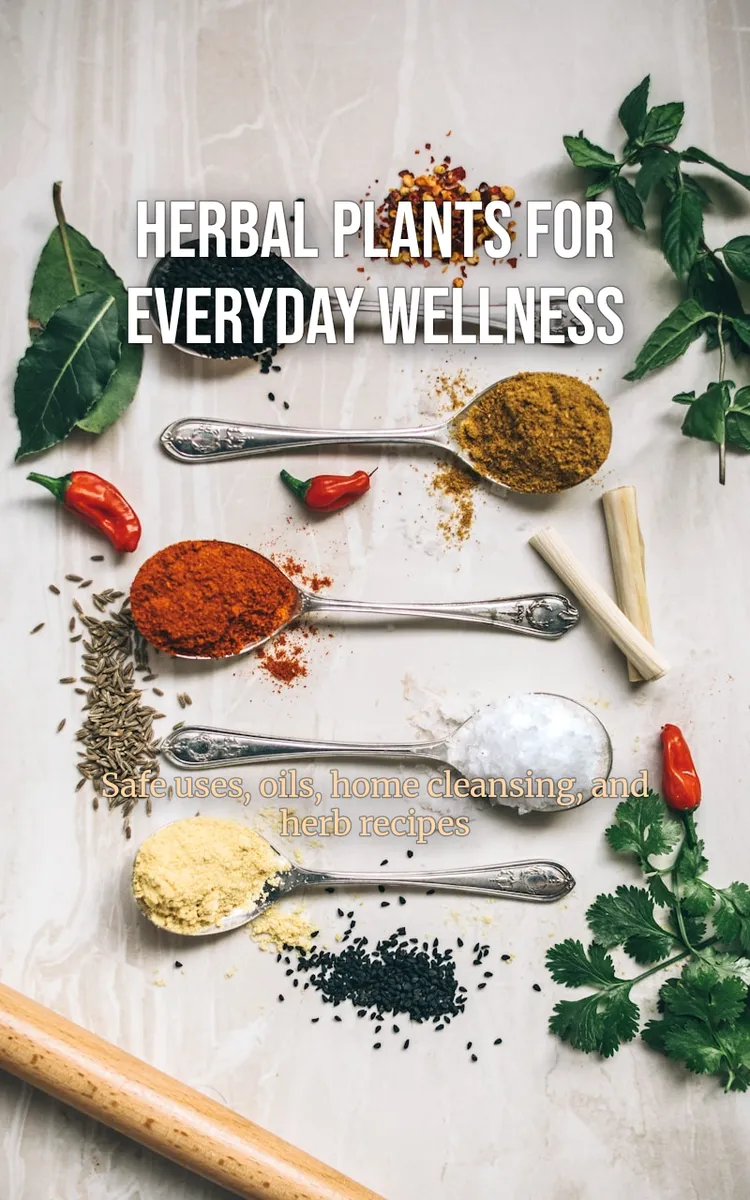
"Herbal Plants For Everyday Wellness" is a cookbook by Sandra Tucker with 5 chapters and approximately 5,927 words. Herbal plants: benefits, safe use, oils, home cleansing, and recipes.
This book was created using Inkfluence AI, an AI-powered book generation platform that helps authors write, design, and publish complete books. It was made with the AI Cookbook Generator.
Frequently Asked Questions
What is "Herbal Plants For Everyday Wellness" about?
Herbal plants: benefits, safe use, oils, home cleansing, and recipes
How many chapters are in "Herbal Plants For Everyday Wellness"?
The book contains 5 chapters and approximately 5,927 words. Topics covered include Lemon Herb Roast Chicken, Honey-Garlic Salmon with Dill, Spiced Chickpea Spinach Stew, Lavender Vanilla Oatmeal Bake, and more.
Who wrote "Herbal Plants For Everyday Wellness"?
This book was written by Sandra Tucker and created using Inkfluence AI, an AI book generation platform that helps authors write, design, and publish books.
How can I create a similar cookbook?
You can create your own cookbook using Inkfluence AI. Describe your idea, choose your style, and the AI writes the full book for you. It's free to start.
Write your own cookbook with AI
Describe your idea and Inkfluence writes the whole thing. Free to start.
Start writingCreated with Inkfluence AI


