
Read the first chapter
The whole of chapter one, free. About 3 min. Turn the pages with the arrows, your keyboard, or a swipe.
Chapter 1
The Science of Inflammation
Chapter 1: The Science of Inflammation
Inflammation is not automatically harmful. It is the body’s rapid repair and defense response after injury, infection, hard training, or stress. The problem begins when that response stays switched on. Persistent, low-grade inflammation can interfere with recovery, energy, blood-sugar control, and heart health.
Food does not act as a single-cause cure or trigger. Your overall pattern matters: protein quality, fiber, fats, plant compounds, sleep, stress, and activity all shape the inflammatory load. The goal of this protocol is simple - build meals that support repair without adding unnecessary strain.
Acute vs. Chronic Inflammation
Acute inflammation is short-term and useful. A sore muscle after training or swelling around a minor injury signals that the body is sending blood flow, immune cells, and repair materials to the area. Once the job is done, the response should settle.
Chronic inflammation is different. It is a persistent, lower-level response that may be linked with excess body fat, poor sleep, smoking, long-term stress, and a diet high in refined carbohydrates, processed meats, and heavily processed fats. Ask yourself: does your usual eating pattern help the body finish the repair process, or keep demanding another response? The practical takeaway is to support recovery with consistent meals rather than chase extreme short-term fixes.
Foods That Can Raise the Inflammatory Load
Highly refined carbohydrates digest quickly and may cause sharp blood-sugar swings, especially when they replace fiber-rich foods. Examples include sugary drinks, candy, and many packaged baked goods. Frequent intake of processed meats can also add concern because these products often combine high sodium, saturated fat, and preservatives.
The issue is not one isolated meal. It is repetition, portion size, and what those foods displace. A refined snack that replaces a protein-rich, fiber-rich option offers less support for fullness and recovery. Check the label, then check the pattern: are most meals built from recognizable ingredients?
Foods That Help Fight Inflammation
Protein supplies amino acids needed for muscle repair, enzymes, and immune function. Choose fish, eggs, poultry, lean meat, Greek yogurt, tofu, beans, and other minimally processed sources. Fatty fish such as salmon, sardines, and trout provide omega-3 fatty acids, including EPA (eicosapentaenoic acid) and DHA (docosahexaenoic acid).
Plants add fiber and polyphenols - natural compounds found in foods such as berries, leafy greens, beans, extra-virgin olive oil, herbs, and spices. Fiber supports digestive health and steadier blood sugar. Polyphenols help protect cells from oxidative stress. A useful plate formula is protein first, vegetables or fruit next, then a measured serving of whole-food carbohydrates and healthy fat.
Build the Anti-Inflammatory Pattern
No single “superfood” overrides an inconsistent diet. Aim for meals that combine protein, plants, and minimally processed fats. Use olive oil for cooking, add berries or leafy greens where practical, and choose oats, potatoes, beans, or brown rice according to your training needs.
Keep preparation simple enough to repeat. Batch-cook a protein, wash produce, and portion staples before the week gets busy. Your best anti-inflammatory strategy is not perfection; it is a reliable structure that makes supportive choices the easy choices.
Quick Version
Inflammation helps repair the body when it is brief, but chronic inflammation can undermine energy and recovery. Build meals around quality protein, colorful plants, fiber, omega-3-rich foods, and minimally processed ingredients while limiting repeated intake of refined and heavily processed foods.
End of chapter one. 4 more chapters and about 6,702 words in the full book.
Swipe or use the arrows to turn the page
What's inside: 5 chapters
- 1. The Science of Inflammation
- 2. The 14-Day Reset Blueprint
- 3. High-Protein Breakfast Fuel
- 4. 15-Minute Energizing Lunches
- 5. Recovery Dinners & Macro Index
About this book
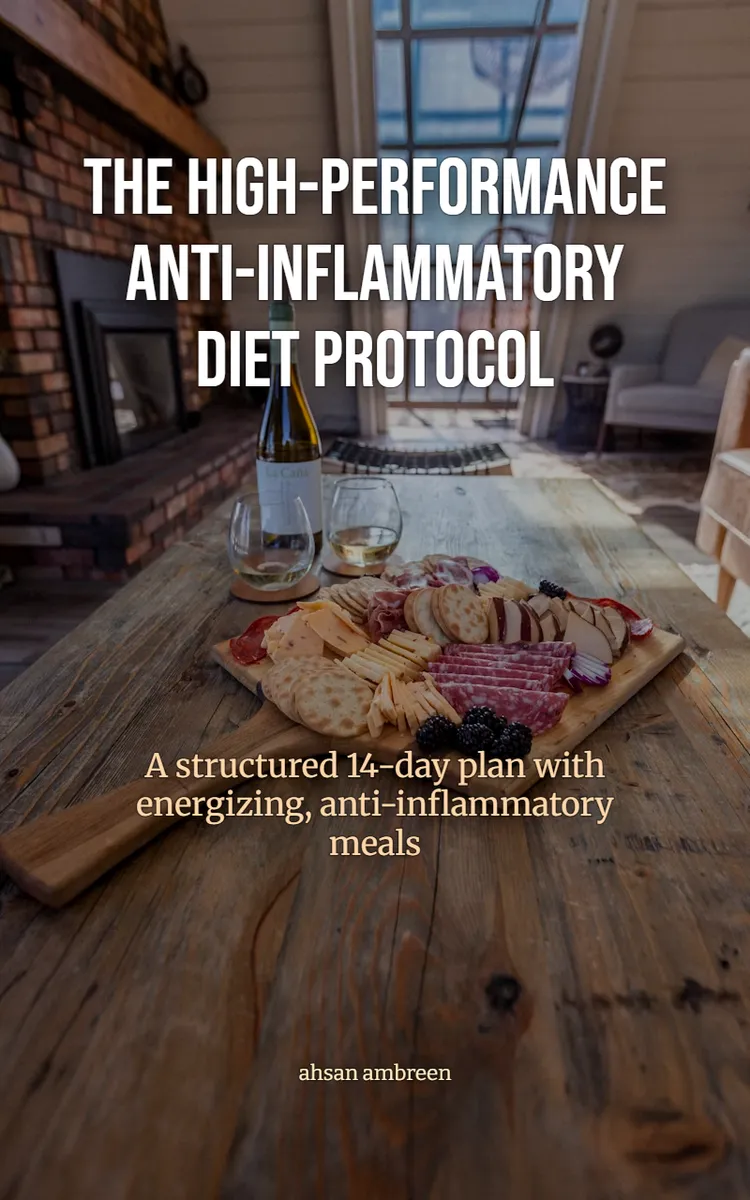
"The High-Performance Anti-Inflammatory Diet Protocol" is a cookbook by ahsan ambreen with 5 chapters and approximately 6,702 words. Anti-inflammatory diet protocol with structured 14-day meal plans and recipes.
This book was created using Inkfluence AI, an AI-powered book generation platform that helps authors write, design, and publish complete books. It was made with the AI Cookbook Generator.
Frequently Asked Questions
What is "The High-Performance Anti-Inflammatory Diet Protocol" about?
Anti-inflammatory diet protocol with structured 14-day meal plans and recipes
How many chapters are in "The High-Performance Anti-Inflammatory Diet Protocol"?
The book contains 5 chapters and approximately 6,702 words. Topics covered include The Science of Inflammation, The 14-Day Reset Blueprint, High-Protein Breakfast Fuel, 15-Minute Energizing Lunches, and more.
Who wrote "The High-Performance Anti-Inflammatory Diet Protocol"?
This book was written by ahsan ambreen and created using Inkfluence AI, an AI book generation platform that helps authors write, design, and publish books.
How can I create a similar cookbook?
You can create your own cookbook using Inkfluence AI. Describe your idea, choose your style, and the AI writes the full book for you. It's free to start.
Write your own cookbook with AI
Describe your idea and Inkfluence writes the whole thing. Free to start.
Start writingCreated with Inkfluence AI


