
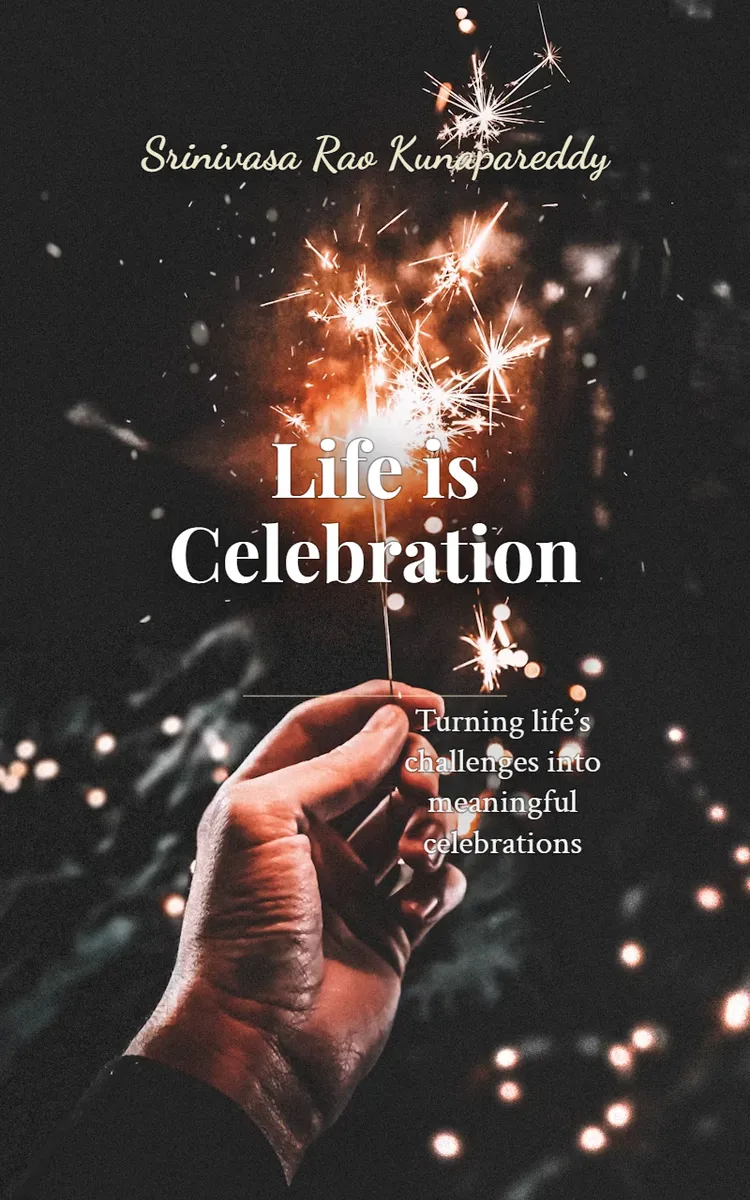
Celebrating Every Stage
Created with Inkfluence AI
Personal growth for overcoming challenges across life stages
Table of Contents
- 1. Rewriting Your Life Story Beliefs
- 2. Breaking the Perfectionism Trap
- 3. Building Boundaries Without Guilt
- 4. Transforming Adversaries into Allies
- 5. Celebrating Through Resilience and Purpose
Preview: Rewriting Your Life Story Beliefs
A short excerpt from “Rewriting Your Life Story Beliefs”. The full book contains 5 chapters and 8,090 words.
When Your Setback Starts Sounding Like a Life Sentence
Nadia, 34, a school counselor, could feel it happening long before she admitted it. One tough week at work - kids acting out, a parent confrontation that went sideways, a meeting that ran long - then her phone buzzed with another problem. Her chest tightened, and a sentence popped into her head like it was truth: “This is just how things go for you.”
That night, she replayed the day while folding laundry. The same pattern kept returning: a moment of stress, then a belief that explained it. Not “I’m having a hard day.” More like “I’m the kind of person this always happens to.” She didn’t say it out loud, but it moved through her like background noise, shaping how she responded the next morning - shorter patience, smaller expectations, and a quiet fear that she’d somehow “fail” again. Then the worst part hit: the setback didn’t just hurt her. It started writing her future.
What if that sentence in your head isn’t describing reality - it’s rewriting your life story in the worst possible way?
The Story-to-Strength Reframe: Turning Setbacks Into Proof of Growth
Here’s the shift that changes everything: you stop treating your limiting belief like a fact and start treating it like a draft.
Old Belief: “This setback proves something is wrong with me.”
New Reality: “This setback is evidence that I’m learning, and I’m becoming someone who can handle more.”
When Nadia got the parent email that confirmed the conflict wasn’t over, her old belief wanted to shrink her. It said: “You’re not good enough at this. You’ll always be stuck dealing with chaos.” The Story-to-Strength Reframe asked a different question: “What part of me is showing up, even while I’m overwhelmed?” She looked for the “proof” hidden inside the pain - proof that she could stay present, gather herself, and respond instead of react.
Two days later, she tried a small rewrite at work. Instead of telling herself, “I can’t handle this,” she said, “I’m practicing staying steady with pressure.” It wasn’t positive thinking for the sake of it. It was narration. She took the same event and changed the meaning her brain gave it. Her next action was different: she prepared a clearer response for the parent meeting, asked one more clarifying question, and followed up with a calm boundary. The outcome wasn’t magically perfect - but it was undeniably better, and she felt it in her body: less dread, more agency.
That’s what “celebratory narrative” really means here. Not pretending it didn’t hurt. Not forcing “gratitude” over genuine frustration. It means you keep the truth of the setback - then you add a stronger interpretation that turns it into a stepping stone.
Why Your Brain Loves Limiting Beliefs (and How to Interrupt the Rewrite)
Limiting beliefs aren’t random. They’re your brain’s shortcut to safety. When something goes wrong, your mind tries to prevent repeat pain by building a simple story: “If I understand what this means about me, I can predict what will happen next.” The story becomes a protective rule - even when it costs you confidence.
The Story-to-Strength Reframe works because it targets the meaning layer. The event is the event. But the belief decides what the event “stands for.” If the belief says “this proves I’m doomed,” your nervous system treats danger as ongoing. If the belief says “this proves I’m growing,” your nervous system starts preparing for problem-solving instead of collapse.
Nadia didn’t just change thoughts - she changed the narrative lens. And once her brain had a new storyline, she could choose actions that matched it. The reframe didn’t delete stress. It stopped stress from automatically turning into self-judgment.
Signs This Pattern Is Running Your Life
1. You call a moment a verdict. One rough interaction becomes “I always mess things up,” instead of “That didn’t go well.”
2. You look for a personal flaw, not a learning edge. Feedback turns into “I’m broken,” while the question “What skill do I need next?” disappears.
3. You shrink your goals after setbacks. The story doesn’t just hurt - you start making smaller plans because you “already know” how it’ll go.
4. You avoid reflection because it feels like self-attack. Thinking about what happened feels like reopening a wound, so you numb out instead of extracting meaning.
Bold Summary
Limiting beliefs turn setbacks into identities; the Story-to-Strength Reframe turns setbacks into training.
Reflection Questions That Expose the Story (So You Can Rewrite It)
The goal isn’t to argue with your mind. It’s to notice the story it’s telling so you can choose whether it deserves to run your life.
1. When you hit a setback, what exact sentence shows up in your head about who you are?
Try writing it word-for-word....
About this book
"Celebrating Every Stage" is a self-help book by Srinivasa Rao Kunapareddy with 5 chapters and approximately 8,090 words. Personal growth for overcoming challenges across life stages.
This book was created using Inkfluence AI, an AI-powered book generation platform that helps authors write, design, and publish complete books. It was made with the AI Self-Help Book Writer.
Frequently Asked Questions
What is "Celebrating Every Stage" about?
Personal growth for overcoming challenges across life stages
How many chapters are in "Celebrating Every Stage"?
The book contains 5 chapters and approximately 8,090 words. Topics covered include Rewriting Your Life Story Beliefs, Breaking the Perfectionism Trap, Building Boundaries Without Guilt, Transforming Adversaries into Allies, and more.
Who wrote "Celebrating Every Stage"?
This book was written by Srinivasa Rao Kunapareddy and created using Inkfluence AI, an AI book generation platform that helps authors write, design, and publish books.
How can I create a similar self-help book?
You can create your own self-help book using Inkfluence AI. Describe your idea, choose your style, and the AI writes the full book for you. It's free to start.
Write your own self-help book with AI
Describe your idea and Inkfluence writes the whole thing. Free to start.
Start writingCreated with Inkfluence AI


