
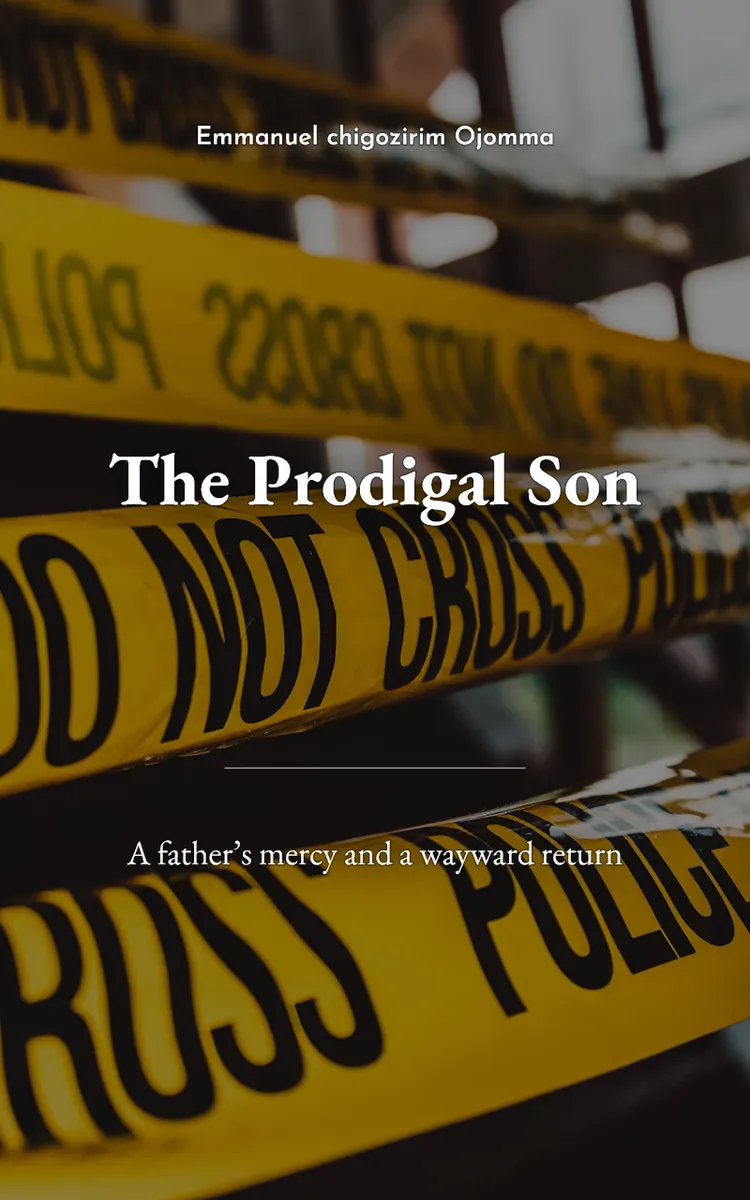
The Prodigal Son
Created with Inkfluence AI
A parable about a son’s return and forgiveness
Table of Contents
- 1. The Inheritance Spent in Fire
- 2. Hunger Teaches the First Humility
- 3. Pig Work and the Turning Decision
- 4. The Father Runs Before the Words
- 5. The Older Brother’s Grief Breaks Open
Preview: The Inheritance Spent in Fire
A short excerpt from “The Inheritance Spent in Fire”. The full book contains 5 chapters and 13,896 words.
A poker game broke out in the yard behind the inn before the sun cleared the roofs, and the younger son - still wearing the same fine belt he’d sworn he wouldn’t miss - stood with his sleeves rolled to his elbows, tapping dice into his palm until the men started to watch him like a knife on a table.
“Come on,” he said, grinning as if the day were his to spend. “Don’t stand there counting coins you don’t have.”
Someone laughed. Someone else spat into the dust. The sound of chips clacking against a wooden plank rose and fell with the scrape of boots, and the air held that sharp, sour tang of spilled wine and hot bread from the kitchen door. Every few minutes a servant from the inn would pass with a tray, and the younger son’s eyes would follow it like a hungry dog’s, though his hands kept opening and closing as if he were feeling for a future he could still touch.
He wanted the kind of freedom that didn’t ask permission.
He’d told himself it was only for a season - that he’d work his way through it, that he’d win back what he spent, that he’d never be the sort of man who needed anyone. But when the innkeeper’s daughter slipped him a cup and her fingers lingered at his wrist, his mind had gone bright and reckless, and the thought of home had felt like a chain he could break just by refusing to feel its weight.
“Bet again,” one of the men urged, face shiny with sweat. His beard was rough, his eyes too bright. “You’re on fire.”
The younger son flicked a coin across his knuckles. It spun, flashed, and landed with a solid little click. “I’m on my feet,” he said. “Fire is for men who burn. I just spend.”
He took the throw, watched the dice tumble, and when the numbers came up he leaned forward as if he could press his luck into the board. The table was littered with thin scraps of parchment where someone had written debts and promises in quick strokes. He didn’t look at the writing for long, but he noticed the ink smudging where a hand had wiped it away in anger.
That was the trouble with spending: it didn’t only buy wine and laughter. It bought forgetfulness. It bought the belief that tomorrow would be generous.
The innkeeper’s voice cut through the yard like a whip. “Hold there. Who’s paying for this round?”
The younger son lifted his chin, still smiling. “Me.”
A man at the far edge of the table - older, with a scar that split his lip - snorted. “He says that like it’s already counted.”
The younger son’s grin tightened. He reached into his belt pouch and tossed a few coins onto the plank. They clinked and rolled, bright as river stones. The sound should have settled the argument. It should have made everyone nod and look away.
But the coins were fewer than the men expected, and the younger son felt it in their faces. They’d been generous when he’d looked like he couldn’t lose. Now they watched him like they were measuring the distance to a fall.
“Not enough,” the scarred man said. “You’re playing at being rich.”
“I’m playing at being free,” the younger son snapped.
His voice drew a few more men to the edge. Conversation died in pockets. Somewhere inside the inn a door shut hard enough to rattle a window. The yard grew colder, not because the weather changed, but because the mood did.
The younger son had always thought he could control the room by talking over it. He found, in that moment, that words didn’t weigh as much as coin.
The innkeeper stepped closer, wiping his hands on his apron. His eyes flicked to the younger son’s pouch, then to the parchment scraps. “You’ve been here three nights,” he said quietly. “And you’ve paid in promises twice.”
The younger son’s stomach gave a hard turn. “Promises? I’ve paid.”
“You paid,” the innkeeper corrected, and that single word carried a different meaning. “You didn’t pay what you owed.”
The older men at the table shifted. One of them rubbed his thumb along a line of dried wine on the plank. Another tapped his fingers impatiently, as if he couldn’t wait for a reason to stop pretending.
“I’m not owing you anything,” the younger son said, though his mouth tasted suddenly of dust. “We agreed. We played. I won.”
“You won,” the innkeeper repeated, and there was a careful patience in his tone that only made the younger son angrier. “And then you lost. And then you borrowed. And then you promised you’d make it right the next day. The next day came, and you spent again.”
The younger son wanted to laugh it off - to call them jealous, to call them slow. But his hands had gone a little numb. He could feel the belt he wore, the leather warmed by his body, and it suddenly felt like a costume he’d forgotten to remove.
“Look,” the younger son said, lowering his voice as if bargaining could soften the truth. “I’ll settle it. Give me until evening.”
The scarred man leaned back, eyes narrowing. “Until evening? What happens then - your father rides in on a white horse?”
Silence snapped into place....
About this book
"The Prodigal Son" is a fiction book by Emmanuel chigozirim Ojomma with 5 chapters and approximately 13,896 words. A parable about a son’s return and forgiveness.
This book was created using Inkfluence AI, an AI-powered book generation platform that helps authors write, design, and publish complete books. It was made with the AI Novel Writer.
Frequently Asked Questions
What is "The Prodigal Son" about?
A parable about a son’s return and forgiveness
How many chapters are in "The Prodigal Son"?
The book contains 5 chapters and approximately 13,896 words. Topics covered include The Inheritance Spent in Fire, Hunger Teaches the First Humility, Pig Work and the Turning Decision, The Father Runs Before the Words, and more.
Who wrote "The Prodigal Son"?
This book was written by Emmanuel chigozirim Ojomma and created using Inkfluence AI, an AI book generation platform that helps authors write, design, and publish books.
How can I create a similar fiction book?
You can create your own fiction book using Inkfluence AI. Describe your idea, choose your style, and the AI writes the full book for you. It's free to start.
Write your own fiction book with AI
Describe your idea and Inkfluence writes the whole thing. Free to start.
Start writingCreated with Inkfluence AI


