
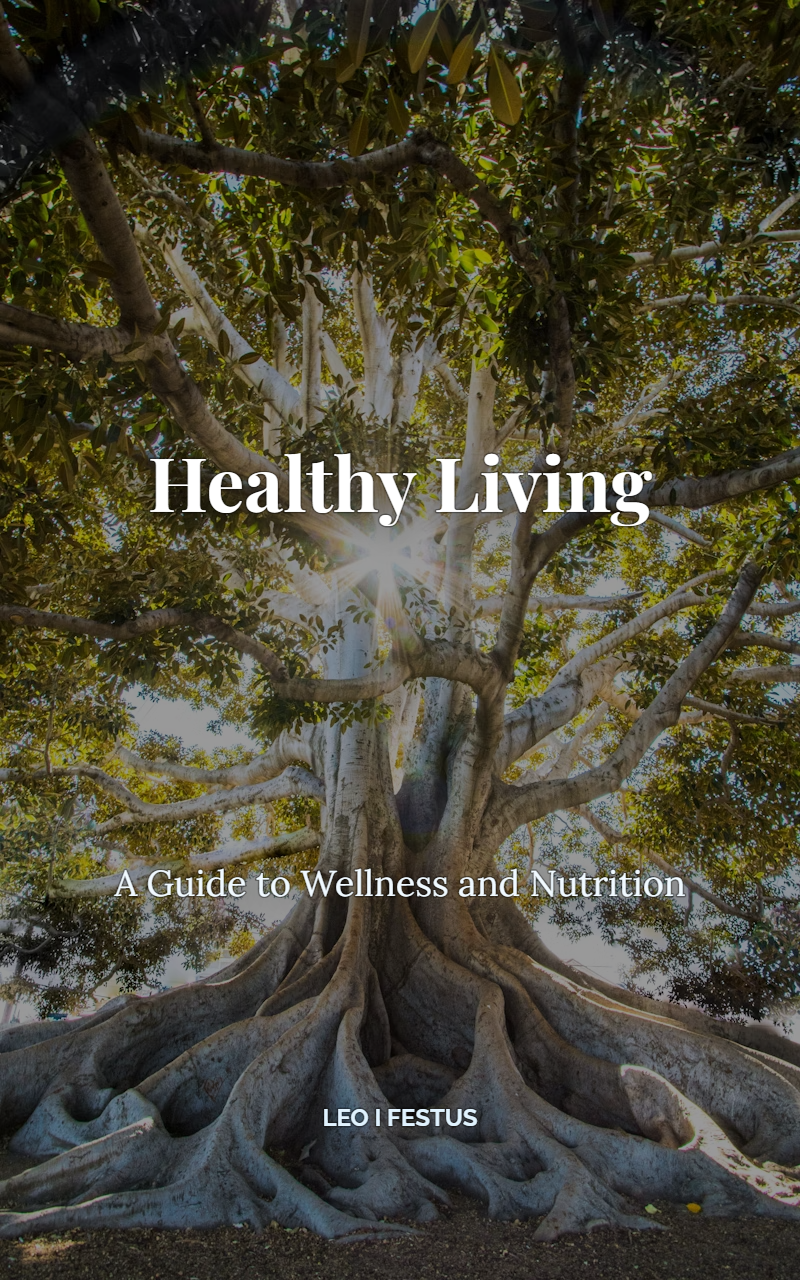

Read the first chapter
The whole of chapter one, free. About 4 min. Turn the pages with the arrows, your keyboard, or a swipe.
Chapter 1
Balanced Nutrition for Optimal Health
Overview
This chapter explains practical, evidence-aware principles of balanced nutrition and shows how to build a sustainable eating plan that supports energy, recovery, and long-term wellness. You’ll learn the roles of macronutrients (carbohydrates, protein, fats), essential micronutrients (vitamins and minerals), and simple strategies to match food to your daily needs. By following the guidance here, most readers can expect improved energy stability, clearer appetite cues, and better recovery from activity within 2–6 weeks.
Who this is for: People who want a realistic, science-grounded approach to everyday eating—busy professionals, parents, recreational athletes, and anyone seeking to reduce hunger swings or improve body composition without extreme diets.
Key benefits you can expect: - Steadier energy throughout the day (fewer mid-afternoon crashes) - Better muscle maintenance and recovery with a clear protein target - Practical meal patterns you can repeat weekly (sample: 3 meals + 1 snack)
Health Foundations
Nutrition affects health through how the body uses fuel and builds tissues. Carbohydrates supply quick energy; protein provides amino acids for muscle and repair; fats support cell membranes, hormones, and long-term energy. Micronutrients like iron, vitamin D, calcium, and B12 act as catalysts for metabolic reactions and maintenance.
Common causes of imbalanced nutrition include inconsistent meal timing, under- or over-consuming calories, and diets low in variety. Risk factors that often make imbalance more likely: 1. High-stress schedules that disrupt regular meals. 2. Limited access to whole foods (relying on highly processed options). 3. Increased needs from exercise, pregnancy, or aging requiring adjusted protein or iron intake.
Understanding these mechanisms helps you choose foods and patterns that meet both energy needs and nutrient sufficiency.
Practical Protocol
This protocol gives specific, repeatable steps you can use for a 4-week starter plan. Track baseline signals each week: resting energy levels each morning, midday hunger intensity (scale 1–10), and sleep quality (hours + subjective rating).
Daily targets - Protein: Aim for 0.25–0.35 grams per kilogram of body weight per meal, 3 meals per day. Example: a 70 kg person → 17–24 g protein per meal (≈3 oz cooked chicken or 200 g Greek yogurt). - Carbohydrates: Prioritize 3–5 servings of whole grains, starchy vegetables, or legumes daily (one serving = ½ cup cooked rice/beans or 1 slice whole-grain bread). - Fats: Include a source at each meal (1 tablespoon olive oil, 10–15 g nuts, or ¼ avocado). - Vegetables/Fruit: At least 3 cups vegetables and 2 cups fruit per day (measure with a standard cup).
Weekly structure (4-week progression) 1. Week 1: Establish routine—eat 3 meals, add one 150–200 kcal snack if long gaps >5 hours. Use a simple meal template: plate = ½ vegetables, ¼ protein, ¼ whole grain/starch. 2. Week 2: Adjust protein to meet the per-meal target; add one serving of legumes or dairy if low. 3. Week 3: Add color—ensure at least one iron-rich or vitamin D–rich item during the week (e.g., spinach sauté 1 cup; 100 g salmon twice weekly). 4. Week 4: Evaluate signals—if energy is steady and recovery is improved, maintain; if hunger or poor recovery persists, increase per-meal protein by 10–20% or add a 150 kcal protein-rich snack after workouts.
Timing and frequency: Meals every 3–5 hours generally stabilize blood sugar and appetite. For strength training days, consume 20–30 g protein within 1–2 hours post-workout.
Safety and when to seek help: - Seek medical or dietitian input if you have unexplained weight loss >5% in a month, persistent low energy despite meeting targets, or symptoms like palpitations, fainting, or severe digestive changes. - If you have chronic conditions (diabetes, kidney disease) do not change protein or carbohydrate prescriptions without consulting your clinician.
Comparison table: Use a simple comparison to choose protein sources - Lean animal (chicken, fish): ~22 g protein / 100 g, low saturated fat - Legumes (lentils, chickpeas): ~9 g protein / 100 g cooked, high fiber - Dairy (Greek yogurt): ~10 g protein / 100 g, contains calcium
Common Mistakes
Overemphasizing "low-fat" at the expense of nutrient density - Why it happens: Label-driven choices prioritize low fat without checking sugar or fiber. - What to do instead: Choose whole-fat yogurt or nuts in controlled portions (30 g nuts) to improve satiety and nutrient intake.
Undereating protein for convenience - Why it happens: Protein can be perceived as time-consuming or costly. - What to do instead: Keep canned tuna, Greek yogurt, and cooked lentils ready. Aim for 20 g protein at each meal (e.g., 100 g cooked turkey).
Skipping breakfast and then overeating later - Why it happens: Busy mornings or belief that skipping helps calorie control. - What to do instead: Start with a 250–350 kcal breakfast containing 15–25 g protein (smoothie with 150 g yogurt + 1 banana + 1 tbsp nut butter) to reduce later cravings.
This week’s monitoring checklist: morning energy (scale 1–10), midday hunger (1–10), number of meals/snacks, and one recovery marker (e.g., muscle soreness after exercise). Use these signals to tweak portions, timing, or food choices.
End of chapter one. 4 more chapters in the full book.
Swipe or use the arrows to turn the page
What's inside: 5 chapters
- 1. Balanced Nutrition for Optimal Health
- 2. Effective Sleep Hygiene and Recovery
- 3. Physical Activity for Longevity and Vitality
- 4. Stress Management Techniques for Wellness
- 5. Hydration Strategies and Detoxification
About this book
"Healthy Living" is a health & wellness book by LEO I FESTUS with 5 chapters and approximately 3,843 words. Information on nutrition, exercise, and lifestyle for better health.
This book was created using Inkfluence AI, an AI-powered book generation platform that helps authors write, design, and publish complete books. It was made with the AI Health Book Generator.
Frequently Asked Questions
What is "Healthy Living" about?
Information on nutrition, exercise, and lifestyle for better health
How many chapters are in "Healthy Living"?
The book contains 5 chapters and approximately 3,843 words. Topics covered include Balanced Nutrition for Optimal Health, Effective Sleep Hygiene and Recovery, Physical Activity for Longevity and Vitality, Stress Management Techniques for Wellness, and more.
Who wrote "Healthy Living"?
This book was written by LEO I FESTUS and created using Inkfluence AI, an AI book generation platform that helps authors write, design, and publish books.
How can I create a similar health & wellness book?
You can create your own health & wellness book using Inkfluence AI. Describe your idea, choose your style, and the AI writes the full book for you. It's free to start.
Write your own health & wellness book with AI
Describe your idea and Inkfluence writes the whole thing. Free to start.
Start writingCreated with Inkfluence AI


