
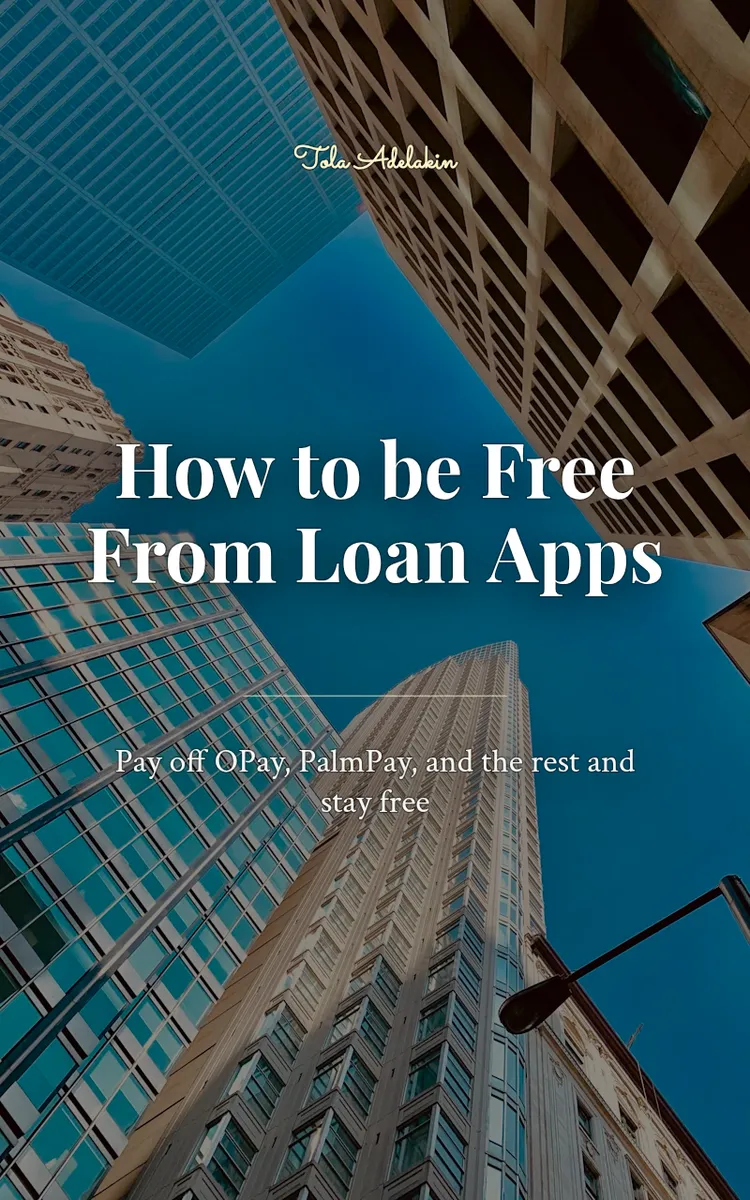
Debt Freedom From Loan Apps
Created with Inkfluence AI
Strategies to pay off loan-app debt and build income streams
Table of Contents
- 1. Debt Snapshot and Repayment Plan
- 2. Stop New Borrowing Immediately
- 3. Negotiate and Restructure Your Debt
- 4. Create Digital Income to Fund Payoff
- 5. Run Faceless AI Pages for TikTok
Preview: Debt Snapshot and Repayment Plan
A short excerpt from “Debt Snapshot and Repayment Plan”. The full book contains 5 chapters and 8,961 words.
What if you could look at your phone and instantly know, “I owe X, I can pay Y this month, and I will finish by Z”? Right now, many people pay loan apps in a messy way: they clear one balance, another one charges interest, and they end up chasing payments instead of controlling them. The real problem is not that you don’t want to pay. It’s that you don’t have a clear map of what you owe and what you can realistically pay each month.
In this chapter, you will build a clean debt inventory for OPay, PalmPay, Branch, and similar loan apps, then you will choose a repayment strategy you can actually follow without breaking your life. You’ll use one simple method: Debt Map + Monthly Capacity Model. After you finish, you won’t guess. You’ll know your totals, your next payment target, and the exact order to attack balances.
Why This Matters
Loan app debt feels overwhelming because it spreads across different apps, different loan amounts, different due dates, and different “fees” that show up when you least expect them. You may think you’re paying down the loan, but you might actually be paying the wrong balance first, or paying amounts that keep you stuck in the same cycle.
A clear debt inventory solves that. It forces you to write down every loan you took, how much you still owe, and how much each app expects from you each month. Then the Monthly Capacity Model tells you what you can pay without collapsing your rent, food, transport, and basic survival. No guessing. No wishful thinking.
If you do this properly, you also remove the mental noise. Kelechi, a ride-hailing worker (24 years old), told herself she would “just pay whatever she can.” That worked for a week, then she started missing payments because her month wasn’t built for random amounts. When she mapped her debts and matched them to her real monthly cash flow, she stopped reacting and started executing. That’s the difference this chapter brings: control and a plan you can stick to.
How It Works
The core technique is the Debt Map + Monthly Capacity Model. You will create a table that lists every loan from OPay, PalmPay, Branch, and similar loan apps. Then you will calculate your monthly payment capacity using your real income and real expenses, so your repayment plan becomes doable.
1. List every active loan and its current balance (Debt Map).
Open each app, go to your loan/repayment section, and write down the remaining amount you owe for that specific loan. Do not mix loans together. If an app shows multiple loans, record each one separately so you can target them correctly.
2. Add the repayment requirement you see in the app (minimum or due amount).
For each loan, write the due date and the amount the app expects you to pay (minimum payment, instalment, or due total-use the figure shown in the app). This matters because your strategy must match what the app will do if you miss.
3. Calculate your real “Monthly Capacity” (what you can pay without panic).
Use your last 4 weeks of income to estimate your average monthly income, then subtract your non-negotiable monthly expenses. Your leftover is your capacity. If you don’t have stable income, you base it on your lowest or most conservative weeks.
4. Pick a repayment order that reduces damage first (your strategy).
Use your Debt Map to decide which balance to attack first. A practical order is: clear any loan that threatens immediate penalties or stops service first, then attack the loan with the highest monthly pressure, then the next highest. You are aiming to prevent emergency spirals while still making progress every month.
Here’s a concrete example of what your Debt Map looks like. Copy this structure into your notes app or spreadsheet:
| App | Loan label (from app) | Current amount owed | Due date | Amount due this cycle | Notes (penalties/charges shown) |
|---|---|---|---|---|---|
| OPay | Loan A | 150,000 | 12 May | 15,000 | Shows “late fee” if missed |
| PalmPay | Loan B | 90,000 | 20 May | 9,000 | Instalment only |
| Branch | Loan C | 60,000 | 28 May | 12,000 | “Service fee” added on next cycle |
Notice how this forces clarity. Instead of “I have debt everywhere,” you get “OPay Loan A needs 15,000 by 12 May, PalmPay needs 9,000 by 20 May,” and so on.
Now you match that with your Monthly Capacity Model. Use this simple formula:
Monthly Capacity = Average monthly income − Non-negotiable monthly expenses − Safety buffer
The safety buffer is important. If you set your capacity as “everything left,” one small problem (car fault, sickness, low ride days) will wipe you out and you’ll miss payments. A buffer can be a fixed amount you choose, like 10,000, 20,000, or whatever fits your situation, as long as you keep it realistic and consistent.
Putting It Into Practice
Let’s run Kelechi’s situation as a practical walkthrough. She rides-hails for income, and her pay changes week to week....
About this book
"Debt Freedom From Loan Apps" is a finance book by Tola Adelakin with 5 chapters and approximately 8,961 words. Strategies to pay off loan-app debt and build income streams.
This book was created using Inkfluence AI, an AI-powered book generation platform that helps authors write, design, and publish complete books. It was made with the AI Ebook Generator.
Frequently Asked Questions
What is "Debt Freedom From Loan Apps" about?
Strategies to pay off loan-app debt and build income streams
How many chapters are in "Debt Freedom From Loan Apps"?
The book contains 5 chapters and approximately 8,961 words. Topics covered include Debt Snapshot and Repayment Plan, Stop New Borrowing Immediately, Negotiate and Restructure Your Debt, Create Digital Income to Fund Payoff, and more.
Who wrote "Debt Freedom From Loan Apps"?
This book was written by Tola Adelakin and created using Inkfluence AI, an AI book generation platform that helps authors write, design, and publish books.
How can I create a similar finance book?
You can create your own finance book using Inkfluence AI. Describe your idea, choose your style, and the AI writes the full book for you. It's free to start.
Write your own finance book with AI
Describe your idea and Inkfluence writes the whole thing. Free to start.
Start writingCreated with Inkfluence AI


