
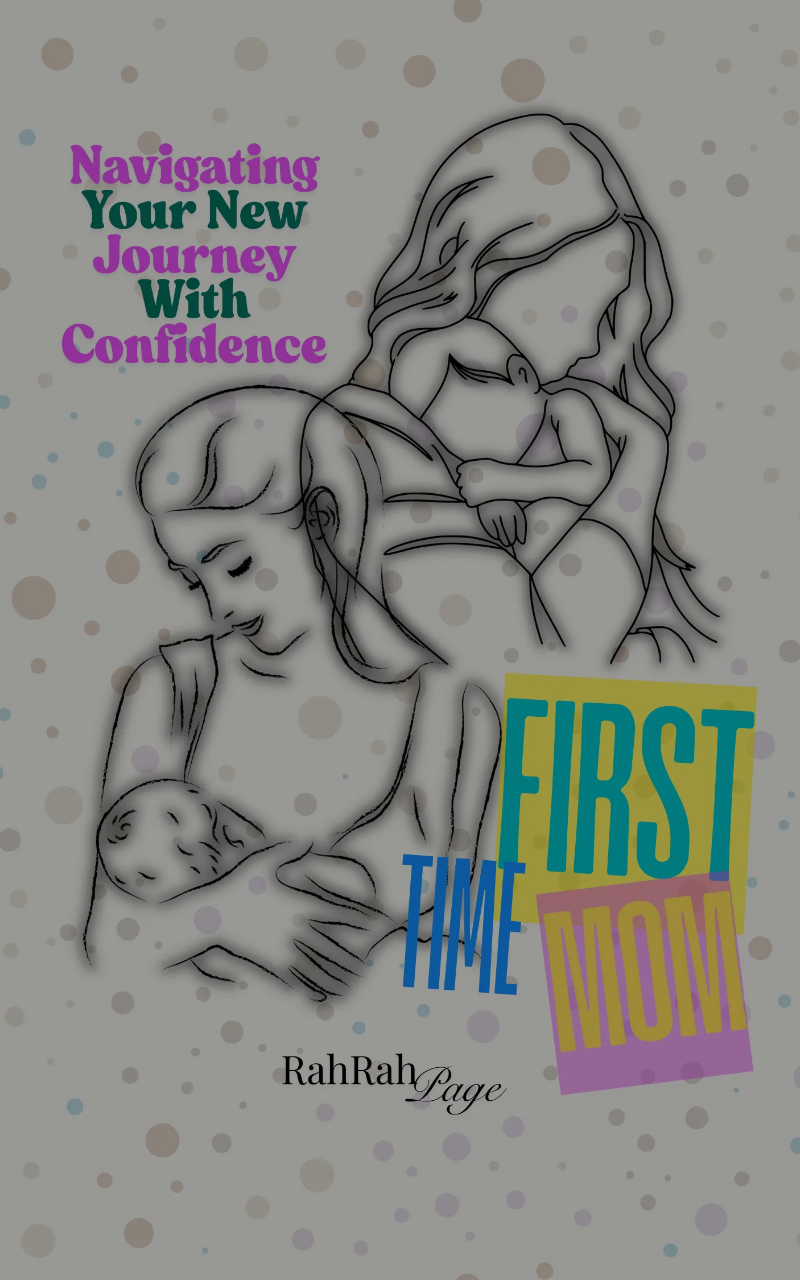
First Time Mom
Created with Inkfluence AI
Guidance and support for new mothers experiencing motherhood for the first time
Table of Contents
- 1. Embracing Your New Identity as Mom
- 2. Overcoming Common Motherhood Fears
- 3. Establishing Healthy Daily Routines
- 4. Mastering Infant Care Basics Confidently
- 5. Communicating Needs with Your Support Network
- 6. Setting Boundaries Without Guilt
- 7. Building Emotional Resilience Through Challenges
- 8. Finding Purpose Beyond Motherhood
First chapter preview
A short excerpt from chapter 1. The full book contains 8 chapters and 8,100 words.
Picture This
You’re sitting on the edge of your bed at 3:12 a.m., wrapped in a blanket that smells faintly of baby shampoo and yesterday’s coffee. The house is quiet except for the soft, regular sigh of your newborn and the ticking clock that suddenly counts every tiny failure you imagine you’ve already made. Earlier today you promised yourself you’d “bounce back” quickly - go for a walk, answer emails, be the version of you everyone knew - but right now your stomach knots when you think about leaving the nursery, and your reflection in the dark window looks like someone you don’t quite recognize.
You once defined yourself by specific routines: finishing a 30-minute run, closing a work project, meeting friends for dinner. Those markers of identity feel suspended. At the same time, strangers (and relatives) offer blunt compliments like “You look great!” that land like paper-thin reassurances. Somewhere between the diaper changes and the first tiny chuckle, you’re supposed to be both confident and selfless - but you’re not sure how to be either, and you feel guilty for that uncertainty.
Bold question: How do you become the mother you need to be without losing the woman you already are?
The Mindset Shift
| Old Pattern | New Pattern |
|---|---|
| I must be exactly who I was before baby arrived | My identity is expanding - not erased - and it’s okay if it changes |
| Productivity equals worth; everything else is indulgence | Small, intentional acts of self-care are essential parenting tools |
| If I’m not perfect at everything, I’m failing | Progress and presence matter more than perfection |
| Waiting until “someday” to feel like myself | I can integrate moments of my old life into the present, starting now |
Think of this shift as updating the operating system of how you see yourself. Previously you ran on a model that equated identity with output and unchanging routines; now you need a more flexible platform that accepts interruptions, celebrates small wins (like a five-minute smile from your baby), and recognizes growth as a process. This doesn’t mean losing ambition or the things that mattered pre-baby - it means making space for a new layer of identity that includes caregiver, vulnerable learner, and still-you.
Start practicing the new pattern by naming it aloud: “I am expanding.” The words anchor you when you feel fragmented. Over time, the reframe will feel less like convincing yourself and more like noticing something real: that your capacity for love, resilience, and creativity has grown in ways you couldn’t have forecasted.
Going Deeper
Becoming a mother is not simply adding a new role; it’s a renegotiation of priorities, expectations, and energy. The brain literally rewires to prioritize your infant’s needs - that’s biology - but the psychological task is to integrate this wiring with your sense of self so you don’t wake up months later feeling like a guest in your own life. Acceptance isn’t surrender; it’s an active choice to hold both tenderness for yourself and practical standards for growth.
Signs this pattern is running your life:
1. You replay old versions of yourself and grade them as “better” in your head, leaving you stuck in comparison.
2. You delay doing anything you enjoyed "before" until you feel fully recovered, which never arrives.
3. You say “yes” automatically to visitors or tasks that drain you because you fear seeming ungrateful.
4. You measure success by how much you get done in a day rather than by how present you are when it matters.
The Bottom Line: Embracing motherhood means expanding your identity, not shrinking it.
Reflection & Self-Assessment
1. What three activities from before baby did you enjoy most, and which of those could you realistically bring back for 10-20 minutes this week?
- Example: “I used to read for pleasure-starting with 15 minutes at nap time feels doable.”
2. When do you feel most like yourself during a typical day, even if it’s brief? Describe the moment and why it matters.
- Example: “The shower after everyone naps; it’s 7 minutes where I can think clearly.”
3. What’s one belief you hold about motherhood that increases your stress (e.g., ‘I must do everything’)? How would you reframe it more kindly?
- Example: “Instead of ‘I must do everything,’ try ‘I will ask for help when I need it.’”
4. Who in your support circle makes you feel more like yourself, and how can you ask them for one concrete favor this week?
- Example: “Text Mariah and ask for one babysitting hour on Tuesday.”
Growth Challenge
Seven-Day Identity Expansion Challenge
- For the next 7 days, schedule one 15-20 minute slot each day labeled “You Time” and protect it like an appointment. Use it to do something that reconnects you to a pre-baby interest (reading a short poem, sketching, a brisk walk).
- Each night, jot one sentence about how that slot felt and any obstacles you ran into....
About this book
"First Time Mom" is a self-help book by RahRah Obras De Arte with 8 chapters and approximately 8,100 words. Guidance and support for new mothers experiencing motherhood for the first time.
This book was created using Inkfluence AI, an AI-powered book generation platform that helps authors write, design, and publish complete books. It was made with the AI Self-Help Book Writer.
Frequently Asked Questions
What is "First Time Mom" about?
Guidance and support for new mothers experiencing motherhood for the first time
How many chapters are in "First Time Mom"?
The book contains 8 chapters and approximately 8,100 words. Topics covered include Embracing Your New Identity as Mom, Overcoming Common Motherhood Fears, Establishing Healthy Daily Routines, Mastering Infant Care Basics Confidently, and more.
Who wrote "First Time Mom"?
This book was written by RahRah Obras De Arte and created using Inkfluence AI, an AI book generation platform that helps authors write, design, and publish books.
How can I create a similar self-help book?
You can create your own self-help book using Inkfluence AI. Describe your idea, choose your style, and the AI writes the full book for you. It's free to start.
Write your own self-help book with AI
Describe your idea and Inkfluence writes the whole thing. Free to start.
Start writingCreated with Inkfluence AI


