
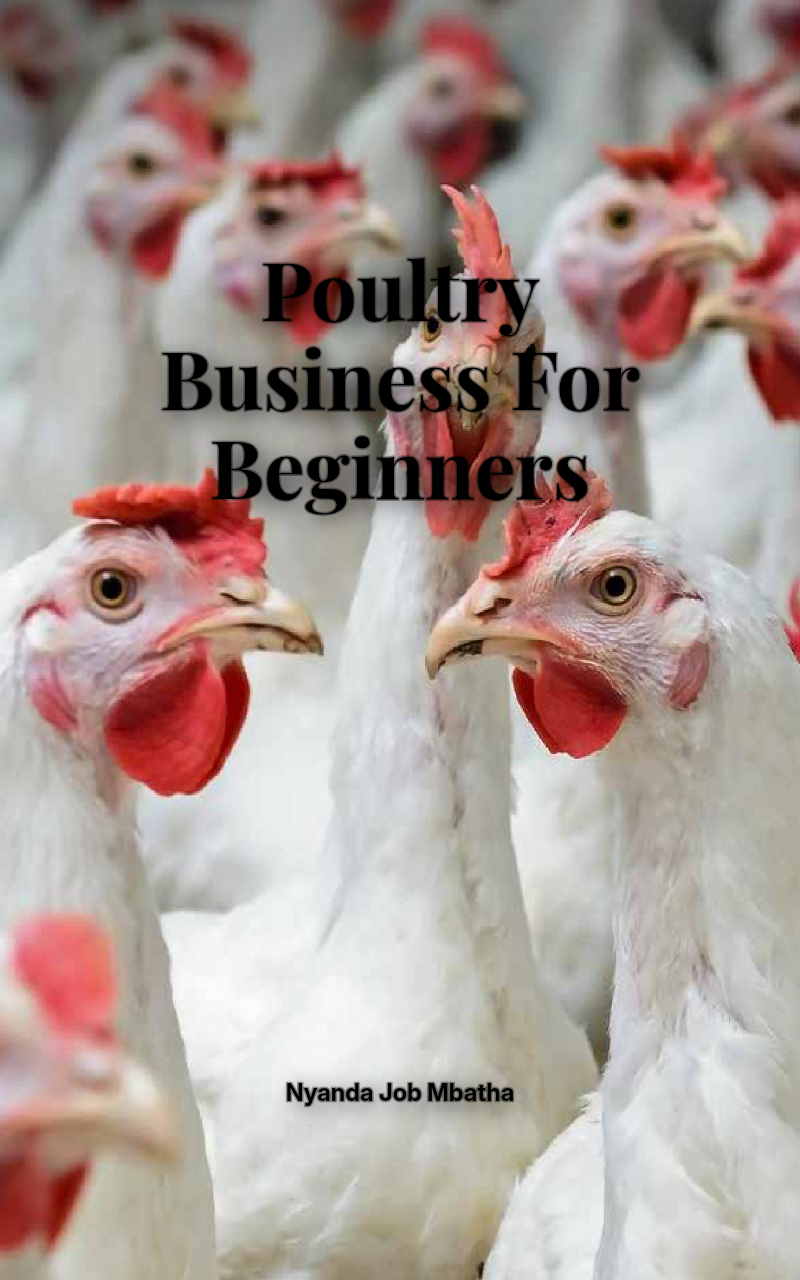
Poultry Business For Beginners
Created with Inkfluence AI
Table of Contents
- 1. Chapter 1
- 2. Chapter 2
- 3. Chapter 3
Preview: Chapter 1
A short excerpt from “Chapter 1”. The full book contains 3 chapters and 859 words.
Why This Matters
Starting a poultry business in South Africa can turn a small plot and a few hens into a steady local income, but only if you plan the basics right. Many beginners buy birds and hope for the best; that often leads to avoidable losses from disease, poor feed use, or selling at the wrong time. This chapter lays out clear, local-first steps so you can decide what scale to start at, how to protect your flock, and how to begin selling eggs or meat with confidence.
After reading, you’ll be able to choose between a small egg flock or broiler (meat) production for a starter business, set up a basic chicken house, plan feeding and vaccination, and estimate short-term cash flow. You’ll also know which simple records to keep so you can spot problems early and make steady improvements. You’ve got this - start small, learn fast, and grow only when your books and birds look healthy.
How It Works
Poultry production rests on three core pieces: birds, shelter, and routine care. Each piece has predictable costs and results if you follow a straightforward routine.
Choose your production type - egg layers or broilers.
Layers produce eggs daily for roughly 18 months; you collect and sell eggs, and you must supply layer feed (higher in calcium) and nest boxes.Broilers grow to market weight quickly, usually 6-8 weeks; you sell whole birds or cuts and use higher-protein starter and grower feeds.
Why: the choice determines feed, housing, and cash flow timing.
Build basic shelter and biosecurity.
Provide 0.25-0.5 square metres per bird for layers and 0.1-0.15 square metres per broiler at harvest density. Keep the house dry, ventilated, and predator-proof.
Why: tight, damp houses lead to disease; correct spacing reduces stress and improves growth or egg lay.
Feed, water, and health routine.
Use formulated commercial feeds where possible; start chicks on a starter crumble, move layers to layer mash at 18 weeks. Vaccinate against Newcastle disease and follow local Department of Agriculture guidance.
Why: feed drives growth and egg quality; vaccines prevent common, fast-spreading losses.
Record-keeping and sales rhythm.
Track daily mortality, feed usage, egg counts, and sales receipts. Sell eggs to local shops or at a town market two or three times a week.
Why: simple records show when feed conversion worsens or when egg production drops - you can then adjust feed or check for disease.
Concrete example: if you start with 50 layers, expect to collect roughly 30-40 eggs per day after birds reach laying age. That’s enough to supply a local grocer or a small weekend market stall while you build repeat customers.
Putting It Into Practice
Scenario: Start a 50-layer unit outside a small town in the Eastern Cape, sell eggs to a village shop and neighbors.
Buy 50 point-of-lay hens (ready to lay) from a reputable hatchery. Expect to pay for birds, transport, and a starter feed supply for 2-3 weeks. Outcome: immediate egg production within days to weeks.Build a 6m x 3m shed with nesting boxes (one box per 4 hens), perches, and wire doors. Use chicken wire and a concrete or raised wood floor. Outcome: a secure, dry home that reduces theft and disease risk.Set a feeding schedule: morning and evening, measure feed (weigh 12-14 kg of feed per week for 50 layers as an example), and keep fresh water. Outcome: steady egg production and predictable feed costs.Vaccinate and set a cleaning routine: vaccinate on arrival if not done by seller; clean droppings weekly and change bedding monthly. Outcome: fewer disease outbreaks and more reliable production.Sell eggs three times a week: price to cover feed and labour and leave a small margin. Track sales in a simple notebook or spreadsheet. Expected outcome: steady weekly cash flow and clear break-even line.
Quick checklist:
Select layer vs broiler and source birds.Build predator-proof shed with correct space and nests.Stock quality feed and clean water supply.Vaccinate and keep hygiene routine.Record eggs, feed use, and sales weekly.
What to Watch For
Overcrowding
Do this: Give birds the recommended space and increase it as they grow. Not this: Squeeze more birds into limited space to save on building costs.
Fix: Reduce stocking density or expand housing; overcrowding raises stress and disease risk.
Poor record-keeping
Do this: Note daily egg counts and weekly feed usage in a simple book. Not this: Rely only on memory for sales and feed costs.
Fix: Create a one-page weekly sheet; review it every Monday to make quick adjustments.
Skipping vaccination or vet checks
Do this: Follow a basic vaccination schedule for Newcastle disease and consult a local extension officer for timing. Not this: Ignore signs of coughing, low egg production, or sudden deaths.
Fix: Isolate sick birds immediately and call the local veterinary or extension service; early action saves entire flocks.
Wrap up by checking your records after the first month and adjusting feed or sales price as needed....
About this book
"Poultry Business For Beginners" is a general book by Nyanda Job Mbatha with 3 chapters and approximately 859 words. It covers key insights and practical takeaways on the topic.
This book was created using Inkfluence AI, an AI-powered book generation platform that helps authors write, design, and publish complete books.
Frequently Asked Questions
What is "Poultry Business For Beginners" about?
"Poultry Business For Beginners" is a general book by Nyanda Job Mbatha covering key insights and practical takeaways on the topic.
How many chapters are in "Poultry Business For Beginners"?
The book contains 3 chapters and approximately 859 words. Topics covered include Chapter 1, Chapter 2, Chapter 3.
Who wrote "Poultry Business For Beginners"?
This book was written by Nyanda Job Mbatha and created using Inkfluence AI, an AI book generation platform that helps authors write, design, and publish books.
Write your own book with AI
Describe your idea and Inkfluence writes the whole thing. Free to start.
Start writingCreated with Inkfluence AI


