
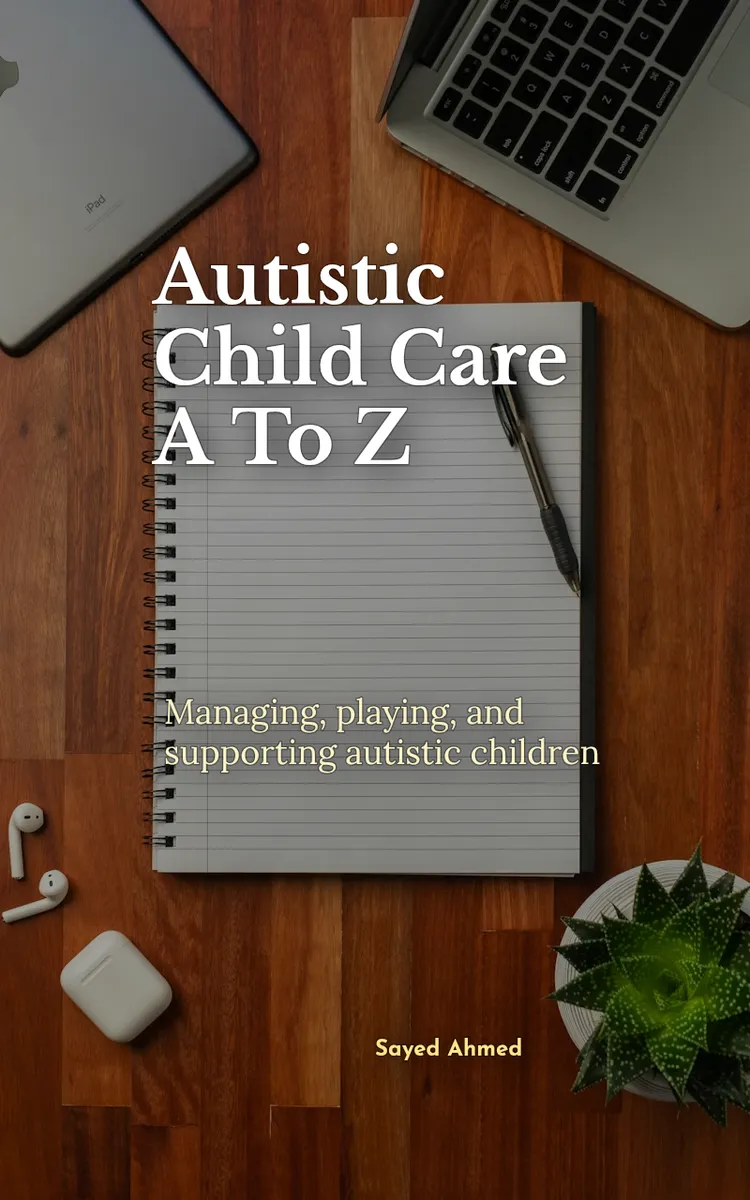
Autistic Child Care A To Z
Created with Inkfluence AI
Practical guidance for managing and playing with autistic children
Table of Contents
- 1. Autism Basics for Caregivers
- 2. Building a Predictable Daily Routine
- 3. Communication That Works: Requests and Choices
- 4. Play Plans for Sensory and Interests
- 5. Handling Meltdowns and Shutdowns
Preview: Autism Basics for Caregivers
A short excerpt from “Autism Basics for Caregivers”. The full book contains 5 chapters and 9,041 words.
What do you do when a child covers their ears at a perfectly normal sound, or when “please” and “thank you” never land-but the child still shows you they care in other ways? If you’re caring for an autistic child, these moments can feel confusing fast. This chapter helps you understand what autism is and how sensory and communication differences can show up in everyday behavior, so you can stop guessing and start responding in a respectful, practical way.
You don’t need fancy language. You need a clear way to look at behavior and choose what to do next. After this chapter, you’ll be able to explain autism in plain terms, spot common sensory and communication patterns, and replace “assumptions” with a simple CARE Lens (Comprehend, Assess, Respect, Equip) so you can start caregiving with confidence.
Why This Matters
Autism affects how someone’s brain processes information-especially sensory input (sounds, lights, touch, movement) and communication (how they understand language and how they express needs). When caregivers don’t understand that difference, they often react to the behavior instead of the reason underneath it. A child might look “defiant” when they’re actually overwhelmed, or “unfriendly” when they’re trying to communicate in a way that doesn’t match adult expectations.
This chapter solves a specific problem: you can’t reliably help an autistic child if you don’t know what you’re looking at. Instead of asking, “Why are they doing this to me?” you’ll learn to ask better questions like, “What does this behavior tell me about what they’re experiencing right now?” That shift reduces power struggles and helps you choose strategies that actually fit.
After you read, you’ll be able to use the CARE Lens to understand everyday behavior, even if you’re new to autism. You’ll also get practical examples you can use immediately-like what to do when a child bolts toward a noisy room, or when they repeat words without answering questions. Practical understanding turns “random behavior” into information you can act on.
Practical takeaway: Your job starts with seeing behavior as communication, not as a personal attack.
How It Works
Autism is a lifelong difference in how a person communicates and processes sensory information. People often think autism only affects speech. In reality, autism can show up across many areas: sensory sensitivity or seeking, difficulty with social rules that come naturally to others, and different ways of understanding and using language. The key point for caregivers: you can’t treat autism like a single checklist. You treat it like a pattern you learn from.
Sensory differences often drive “odd” behavior. If a child’s ears feel like they’re “too loud,” they may cover their ears, cry, or shut down. If bright lights feel sharp or painful, they may stare, avoid eye contact, or move away. If certain textures feel unbearable, they may refuse clothes, foods, or hair brushing. If movement feels calming, they may swing, spin, or pace for long stretches.
Communication differences also matter. Some autistic children understand language literally, so jokes, sarcasm, and “figures of speech” can confuse them. Some need extra time to process questions. Some communicate with gestures, pointing, sounds, or repeating phrases. If you demand eye contact while they’re overwhelmed, you might block their communication even more.
Use the CARE Lens to replace assumptions with a calm, practical response:
1. Comprehend: Identify what might be happening inside the child, not what you wish they were doing. Ask yourself: “Is this likely sensory (sound/light/touch) or communication (understanding/expressing)?”
Example: If Nadia’s child covers their ears during the blender, start with “sound feels painful,” not “they’re being difficult.”
2. Assess: Gather quick evidence using simple observations. Check: What happened right before the behavior? What happened right after? How long does it last?
Example: If the child melts down only when the microwave beeps, you’ve learned something specific.
3. Respect: Choose responses that reduce stress and protect dignity. Use clear, kind communication and avoid escalating demands while the child is overloaded.
Example: You lower the volume, offer headphones, and give a simple choice instead of arguing.
4. Equip: Set up supports you can repeat. That means using predictable routines, visual cues, sensory tools, and communication supports that match the child’s needs.
Example: You keep a “quiet corner” ready and teach a simple “break” sign or card.
Here’s a concrete way to connect sensory and communication without guessing....
About this book
"Autistic Child Care A To Z" is a how-to guide book by Sayed Ahmed with 5 chapters and approximately 9,041 words. Practical guidance for managing and playing with autistic children.
This book was created using Inkfluence AI, an AI-powered book generation platform that helps authors write, design, and publish complete books. It was made with the AI Ebook Generator.
Frequently Asked Questions
What is "Autistic Child Care A To Z" about?
Practical guidance for managing and playing with autistic children
How many chapters are in "Autistic Child Care A To Z"?
The book contains 5 chapters and approximately 9,041 words. Topics covered include Autism Basics for Caregivers, Building a Predictable Daily Routine, Communication That Works: Requests and Choices, Play Plans for Sensory and Interests, and more.
Who wrote "Autistic Child Care A To Z"?
This book was written by Sayed Ahmed and created using Inkfluence AI, an AI book generation platform that helps authors write, design, and publish books.
How can I create a similar how-to guide book?
You can create your own how-to guide book using Inkfluence AI. Describe your idea, choose your style, and the AI writes the full book for you. It's free to start.
Write your own how-to guide book with AI
Describe your idea and Inkfluence writes the whole thing. Free to start.
Start writingCreated with Inkfluence AI


